

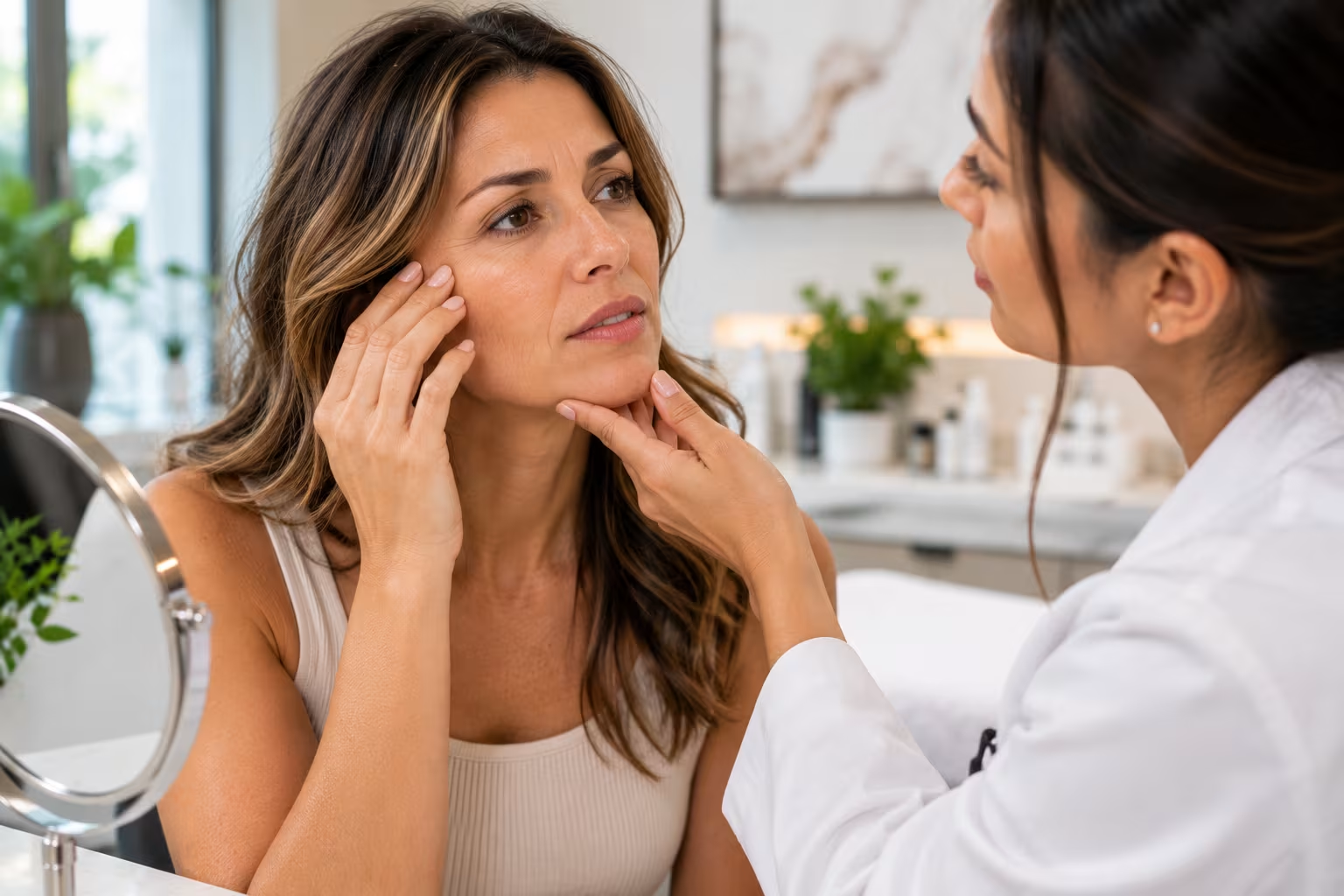
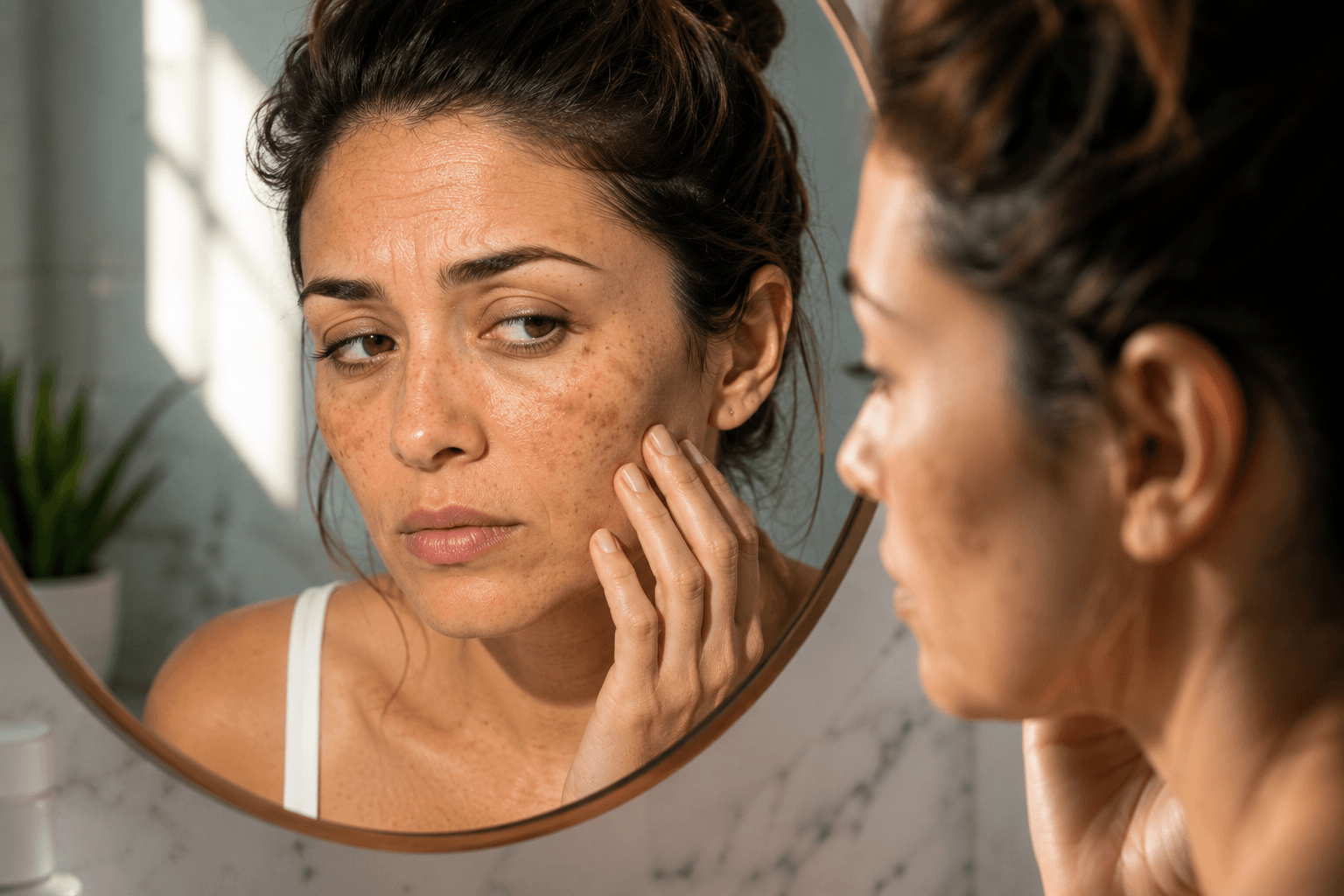
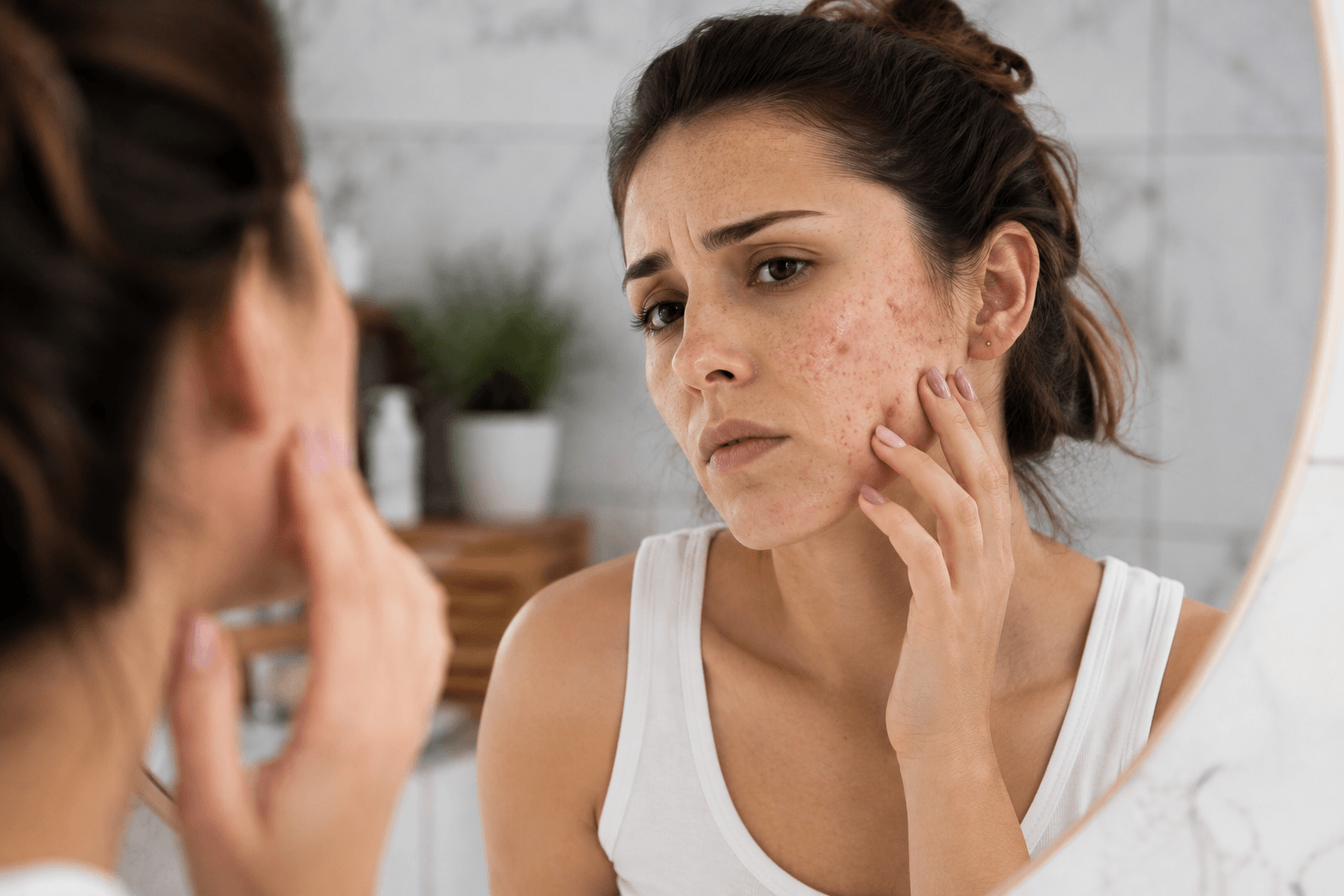
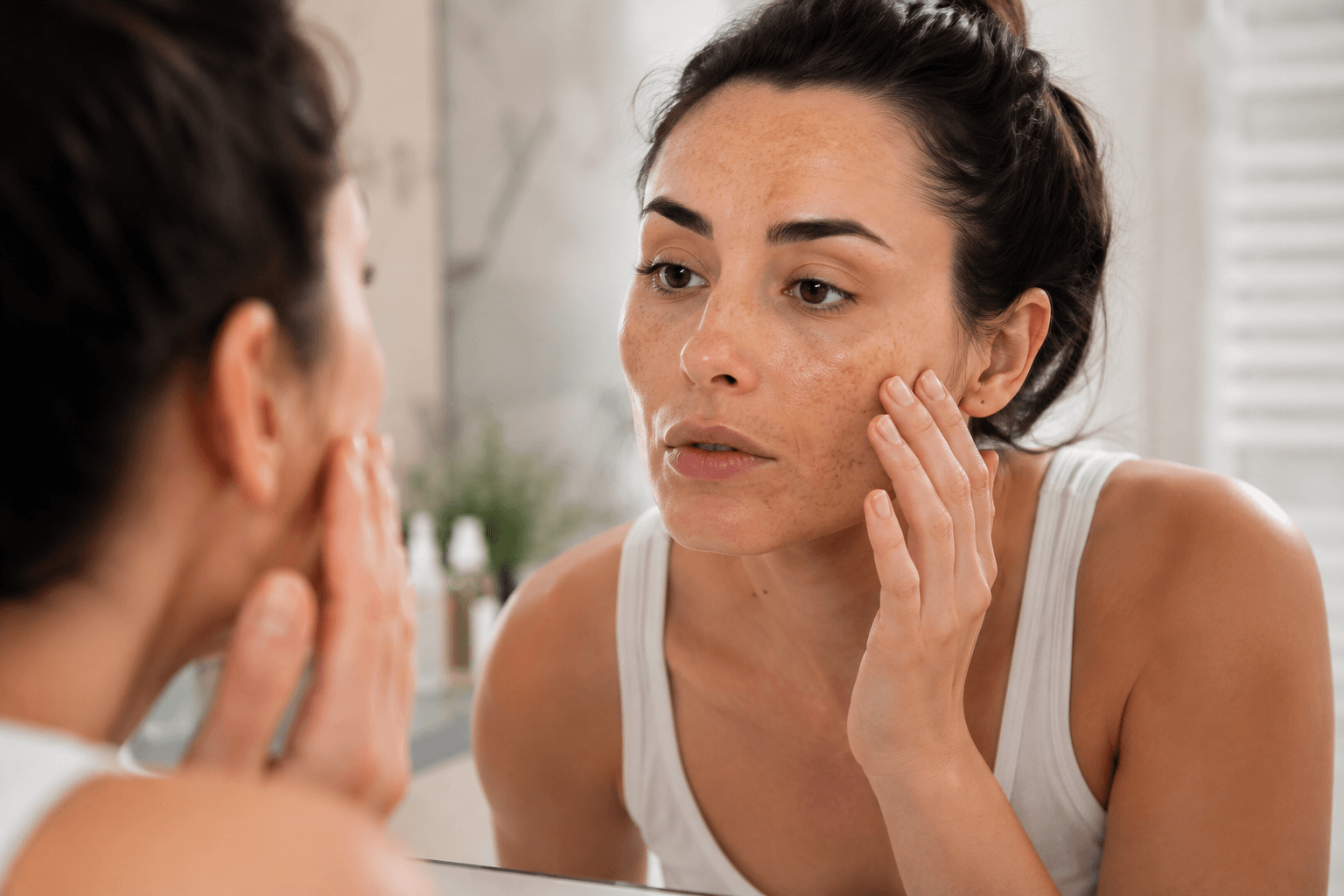
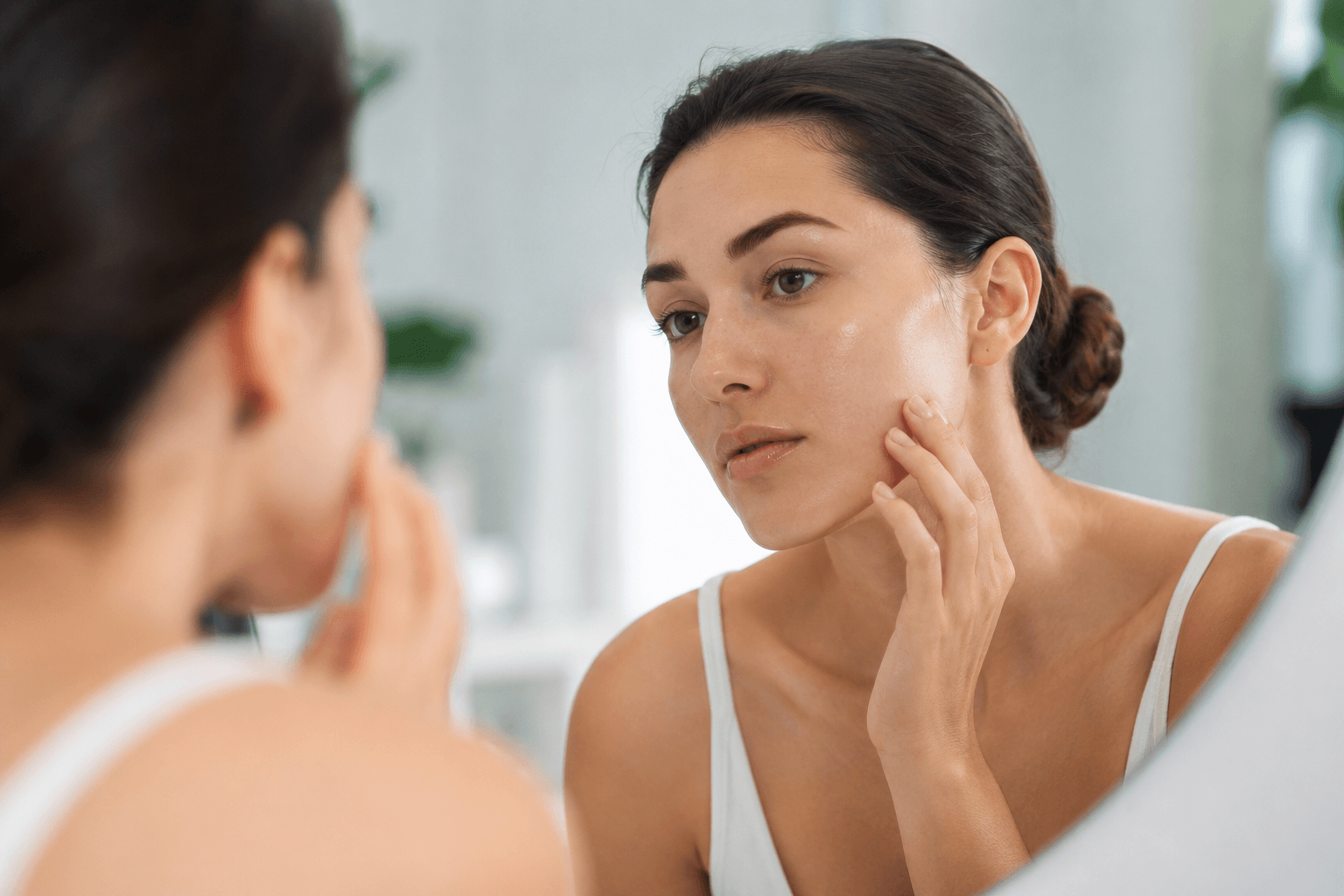
You notice it in the mirror before anyone else does. A line across your forehead that stays a little longer after you stop frowning. Faint creases beside your eyes when you laugh. Maybe it is not dramatic yet, but it is enough to make you wonder what is actually happening to your skin, and more importantly, what you can do about it.
Before jumping straight to a treatment name, it helps to understand what you are looking at. Not every wrinkle is the same, and not every wrinkle responds to the same solution. Some lines show up because of the way your face moves. Others stick around no matter how relaxed your expression is. Knowing the difference is the first step toward choosing wrinkle treatments that actually match what your skin needs, rather than guessing based on what worked for a friend or a stranger online.
At ABA Aesthetics Medspa in Rockwall, we talk to people every week who are at exactly this stage. They are not looking for a dramatic transformation. They just want to understand their options and feel confident in the choice they make. This guide walks through why wrinkles form, where they tend to show up first, and how the treatments available today compare, so you can figure out what makes sense for you.
Wrinkles are a natural part of aging, but the timeline looks different for everyone. Several factors work together under the surface.
Collagen and elastin, the proteins that keep skin firm and bouncy, naturally decline starting in your mid to late twenties. As that structural support thins out, skin becomes less able to spring back into place after it moves or stretches.
On top of that natural process, everyday habits and exposures speed things along. Sun exposure is one of the biggest accelerators, and it is a real factor for anyone spending time outdoors in North Texas. Rockwall summers mean plenty of sunshine, and UV rays break down collagen faster than almost anything else. Add in dehydration, smoking, repeated facial expressions, and even sleep position, and you have a combination of causes that all show up as visible lines over time.
This is one of the most useful things to understand before choosing a treatment, because the two types respond differently.
Dynamic wrinkles form from repeated muscle contractions, the kind that happen every time you frown, squint, or raise your eyebrows. Early on, these lines only appear when your face is actively moving. Over time, if the muscle activity continues without any intervention, the crease can start to linger even when your face is at rest.
Static wrinkles are visible all the time, regardless of expression. These are typically the result of long-term collagen loss, sun damage, and skin that has lost some of its underlying structure and elasticity. They tend to develop later and are shaped more by cumulative damage than by muscle movement alone.
Knowing which type you are dealing with (or more likely, a combination of both) is what determines which treatment will actually make a visible difference.
Most people notice changes in a fairly predictable order, though genetics and lifestyle play a role in timing.
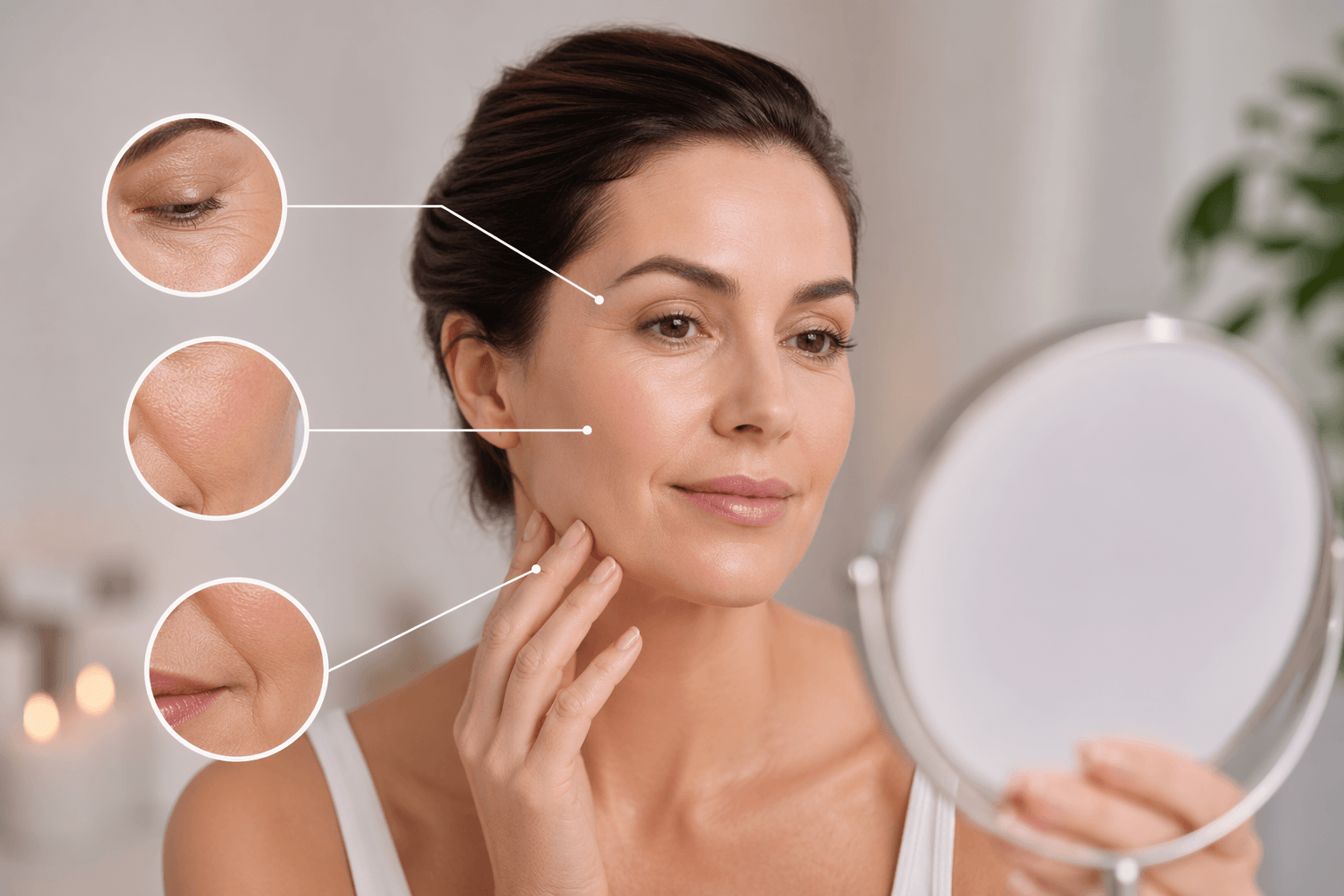
The forehead is often one of the earliest areas, since forehead lines form from the simple act of raising your eyebrows thousands of times over the years. Between the brows, repeated frowning or squinting creates vertical lines commonly known as frown lines, or the "11s". Around the eyes, crow's feet develop from smiling and squinting, especially if you spend a lot of time outdoors without sunglasses, which is worth thinking about given how sunny Rockwall gets for much of the year.
These areas fall under what is broadly known as fine lines and wrinkles, and they are often the first sign of what our team calls early signs of aging, the subtle changes that show up before deeper wrinkles or volume loss becomes noticeable.
There is no single "right age" to begin. Some people start noticing dynamic lines in their late twenties and prefer to address them early, before they become etched in. Others wait until static wrinkles are more visible before exploring options. Both approaches are valid.
A good general rule is this: if a line is starting to bother you when you look in the mirror, or if it is visible even when your face is relaxed, it is worth having a conversation about wrinkle treatments rather than waiting it out. Early intervention often means simpler, more subtle treatment, while waiting longer may call for a more layered approach.
The good news is that wrinkle treatment is not one-size-fits-all. At ABA Aesthetics Medspa, we work with a handful of proven options, each suited to different types of lines.
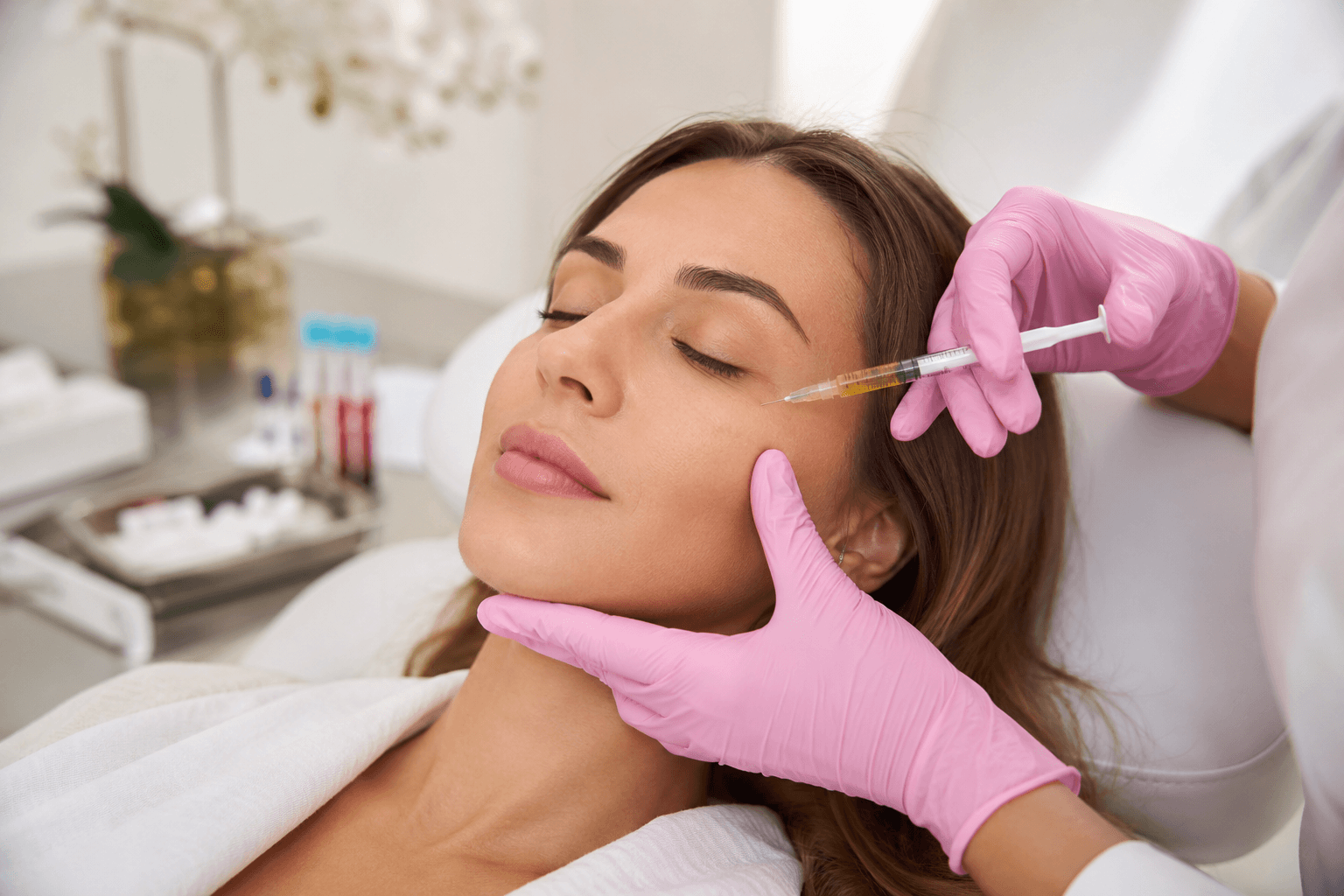
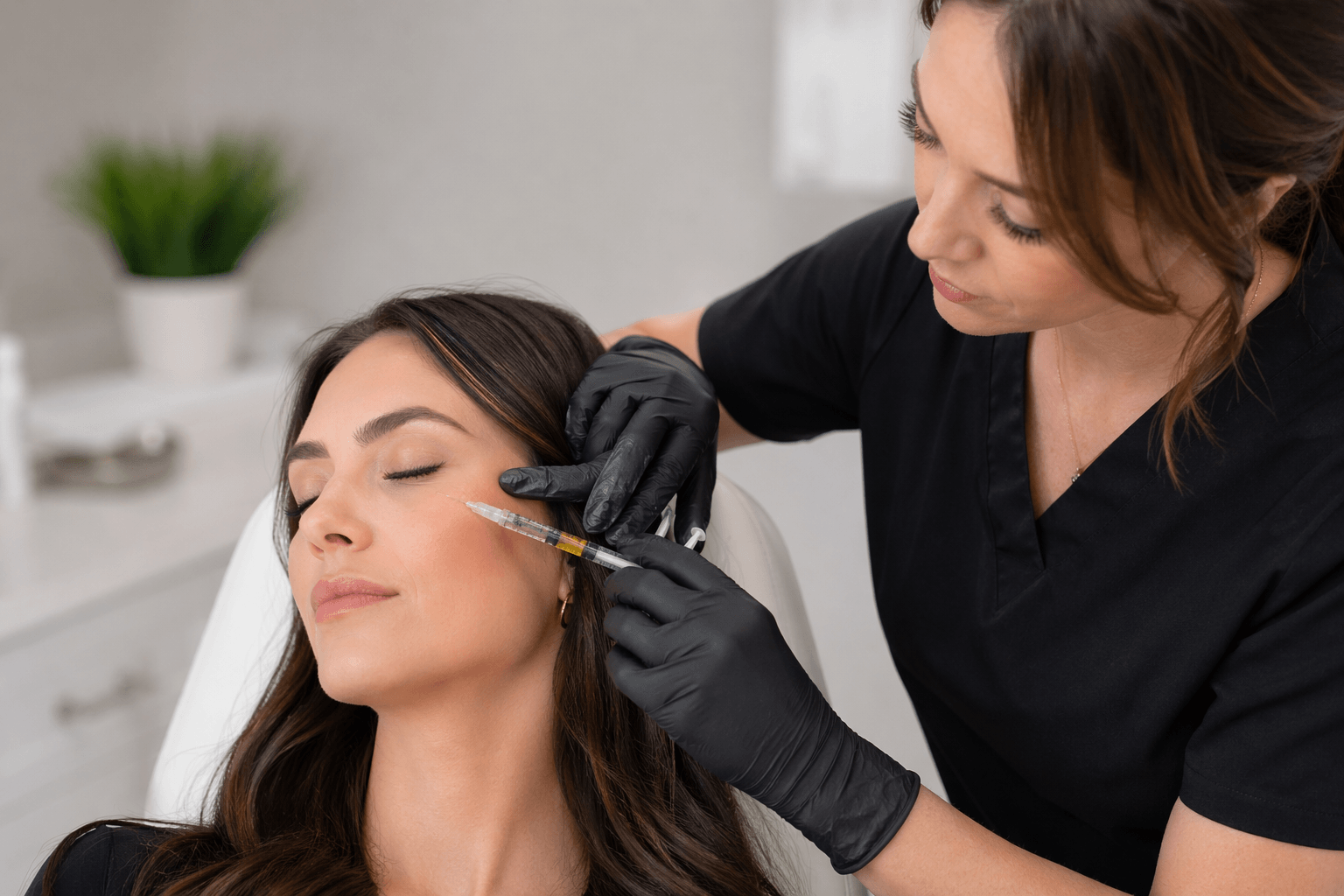
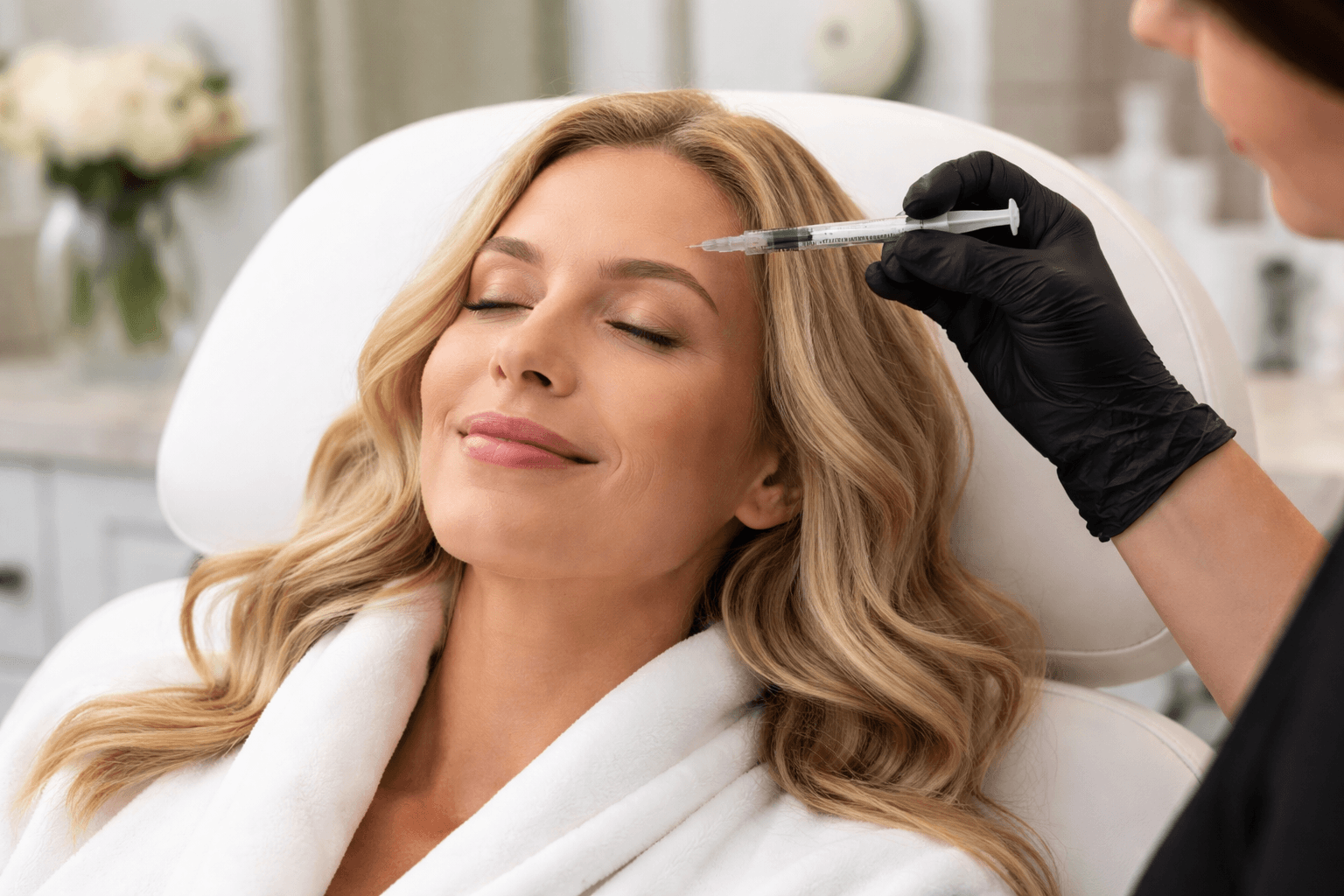
Neurotoxins, including Botox, work by temporarily relaxing the specific muscles responsible for dynamic wrinkles. This makes them especially effective for forehead lines, frown lines between the brows, and crow's feet around the eyes, since these are all driven by repeated muscle movement. Results typically develop over several days and last a few months, which is why many clients return for maintenance visits to keep results consistent.
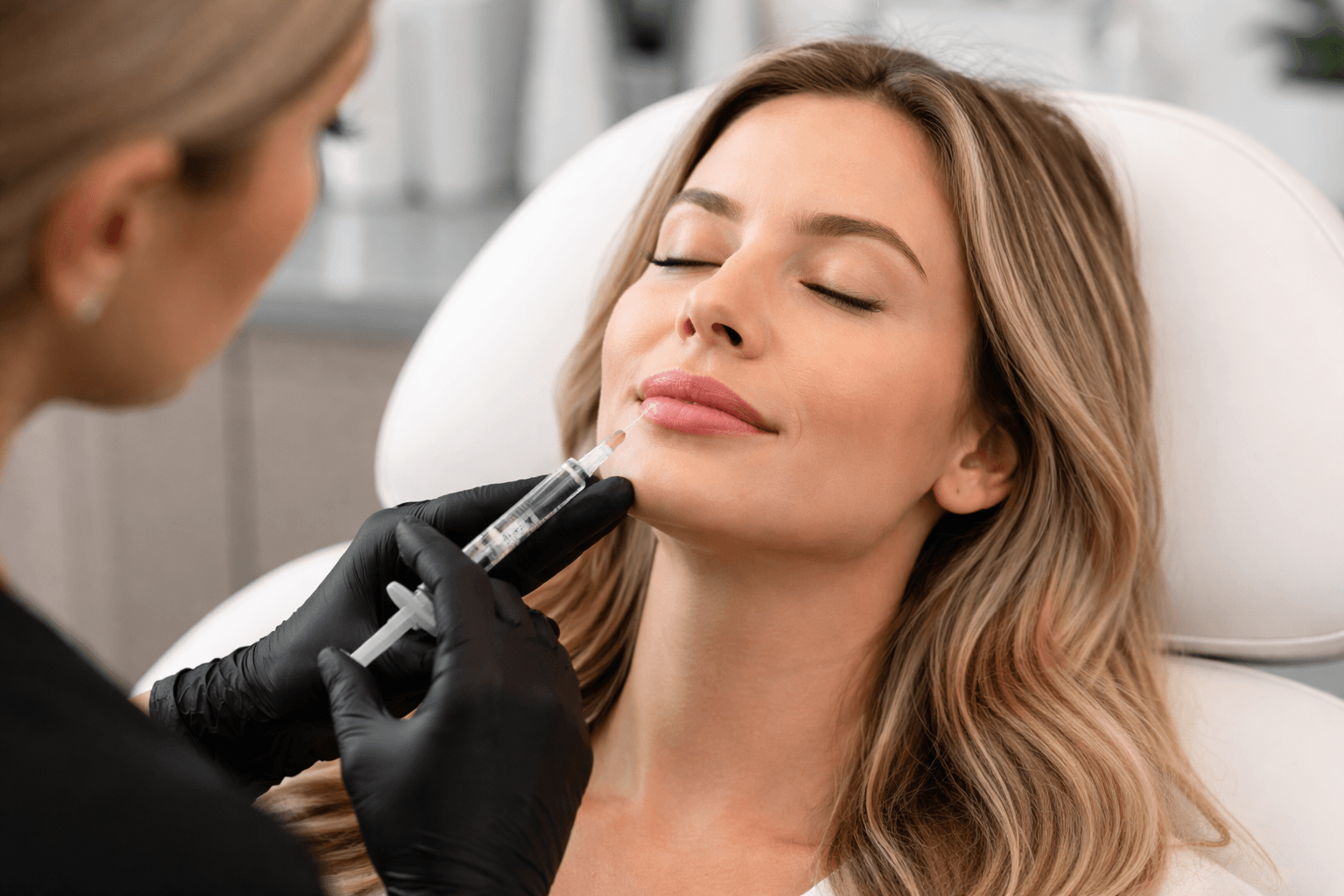
Dermal fillers take a different approach. Rather than relaxing muscle activity, fillers add volume beneath the skin to soften static wrinkles and restore fullness in areas where collagen has broken down. This makes them a better fit for lines that are visible at rest, or for areas where volume loss is contributing to the appearance of deeper creases.
Injectables address the structural side of wrinkles, but skin quality matters too. Skinbetter Science is a professional skincare line designed to support collagen production, improve texture, and help skin look healthier over time. It is a strong complement to in-office treatments, especially for anyone who wants to slow the formation of new lines while addressing existing ones.
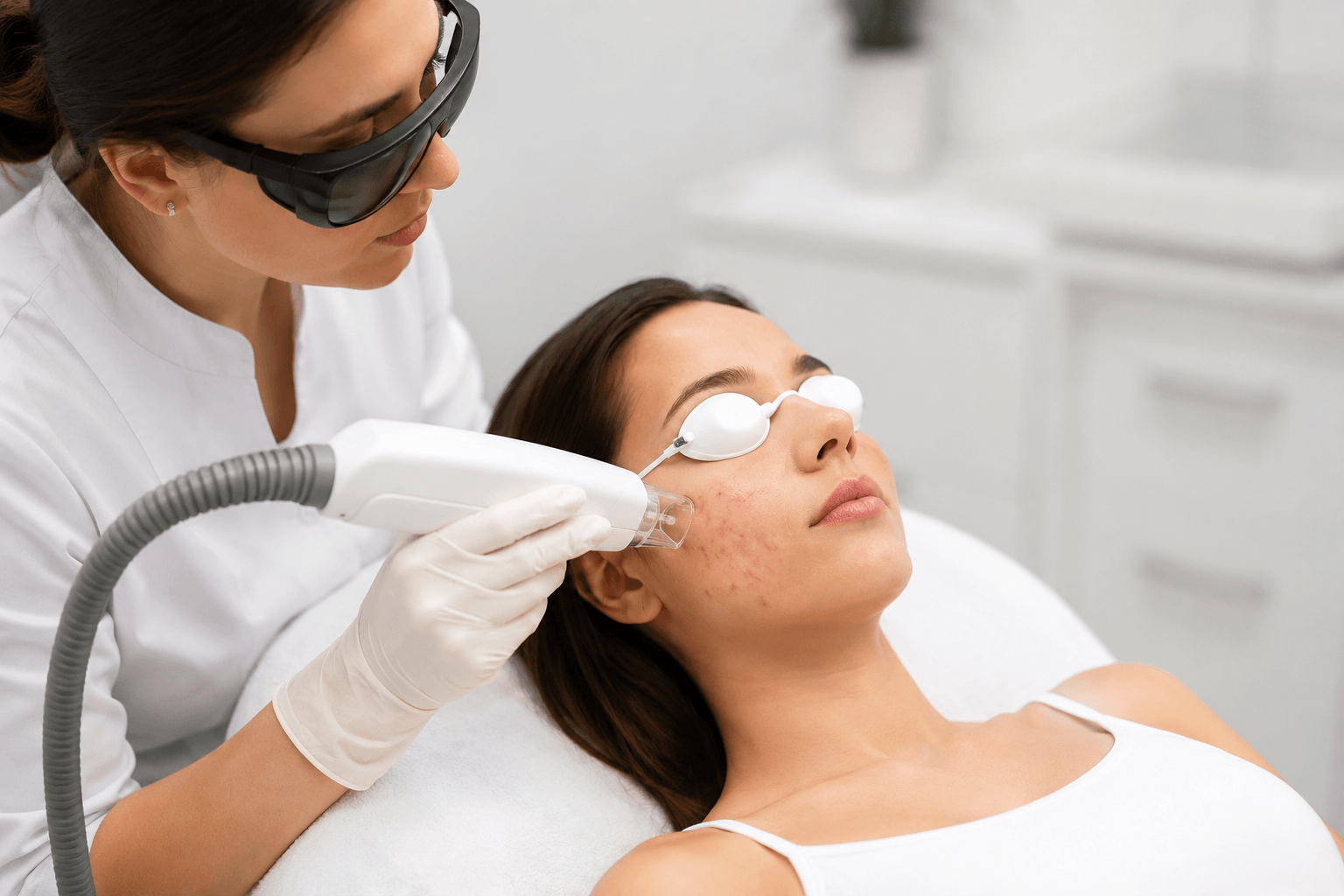
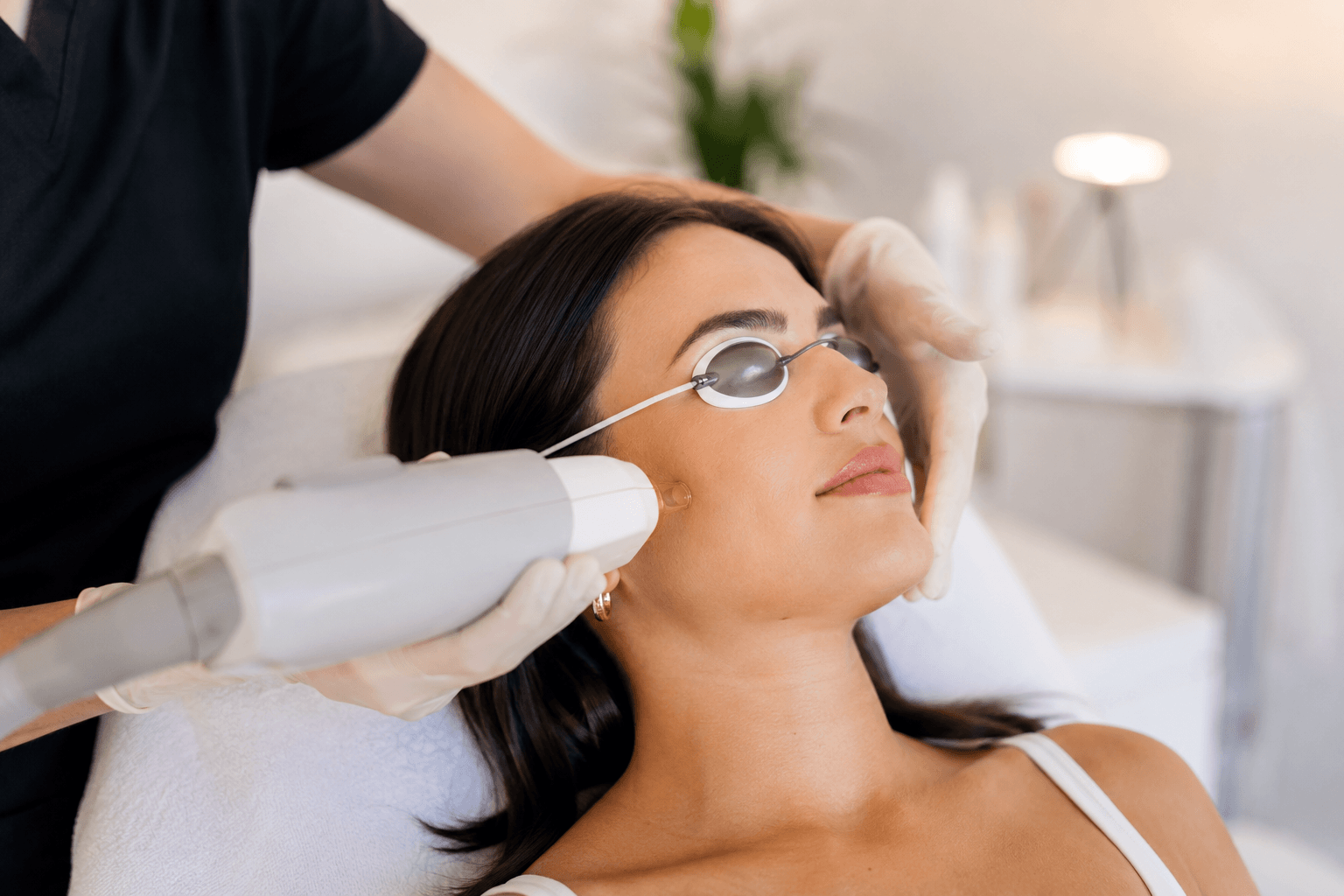
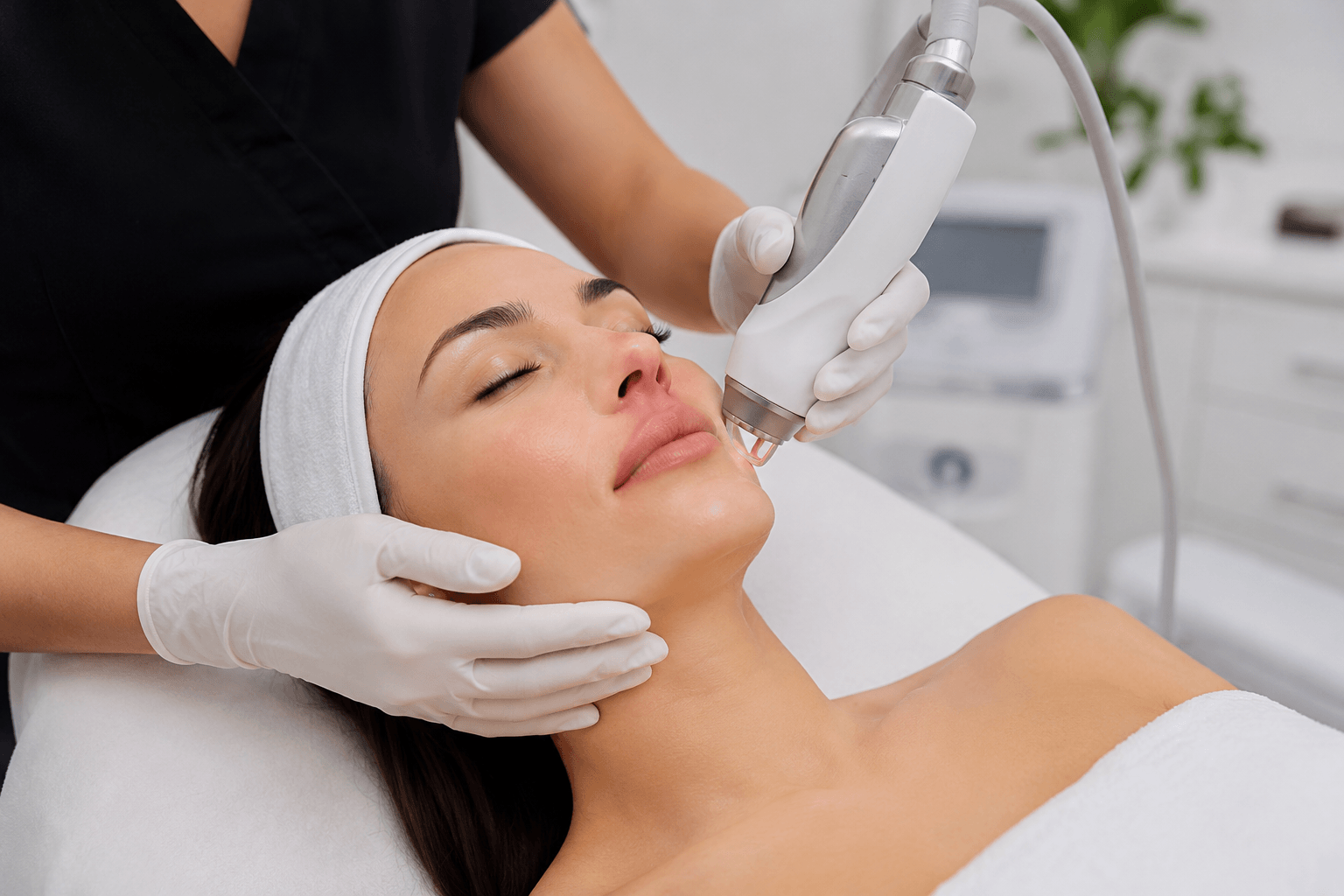
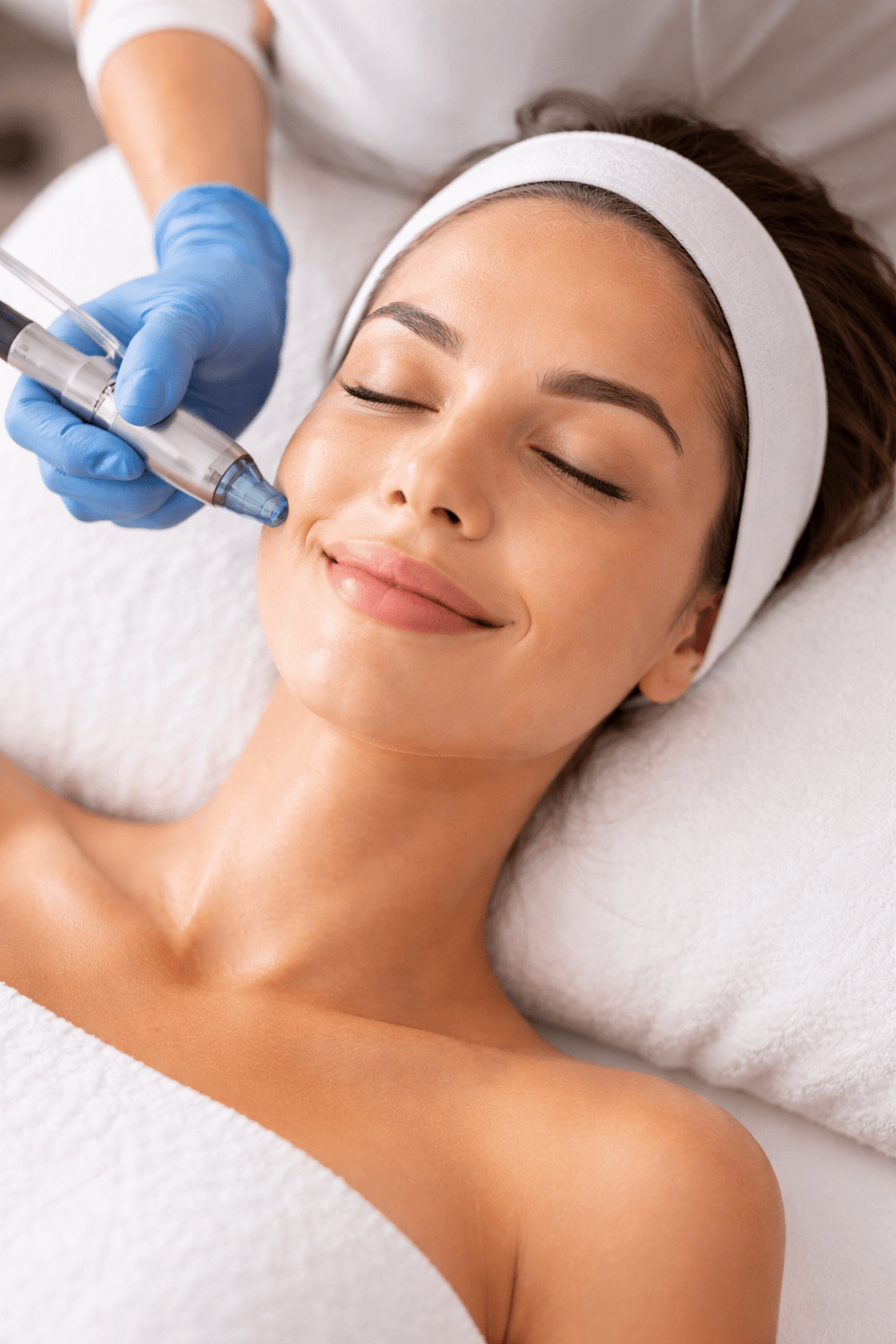
A chemical peel works by encouraging gentle exfoliation, which can improve the look of fine lines, uneven texture, and early sun damage, all common concerns for Rockwall residents given our warm, sunny climate for much of the year. Peels are often a good starting point for people who want to address early signs of aging without moving straight to injectables.
This is the question we hear most often, and the honest answer is that they solve different problems.
Think of it this way: if a line only appears when you move your face (raising your brows, frowning, squinting), it is a dynamic wrinkle, and neurotoxins are usually the more direct solution. If a line is visible even when your face is completely relaxed, it is more likely a static wrinkle related to volume loss, and dermal fillers tend to be the better fit.
Many people benefit from a combination of both, using neurotoxins to prevent movement-based lines from deepening while using fillers to restore volume in areas that have already lost structure. This is one of the reasons a proper consultation matters so much. What looks like "just a wrinkle" in the mirror can actually be a mix of both types, and treating it accurately makes a real difference in the outcome.
Injectables are not the only piece of the puzzle. Skincare and peels play a supporting role that should not be overlooked.
A consistent Skinbetter Science regimen helps maintain collagen health between injectable appointments, which can extend how long your results look fresh. Chemical peels, meanwhile, are especially useful for people whose main concern is texture and early fine lines rather than deeper creases, or for anyone who wants to address sun damage that has built up from years of Texas summers.
Together, these two options form a maintenance layer that works alongside neurotoxins and fillers rather than replacing them.
The honest answer is that it depends on the type of wrinkle, where it is located, your skin's condition, and what result you are hoping for. A line between the brows might call for a neurotoxin. A hollow along the cheek might call for filler. Rough texture and dullness might respond best to a peel or a skincare regimen. Most people end up with some combination once all of these factors are considered together.
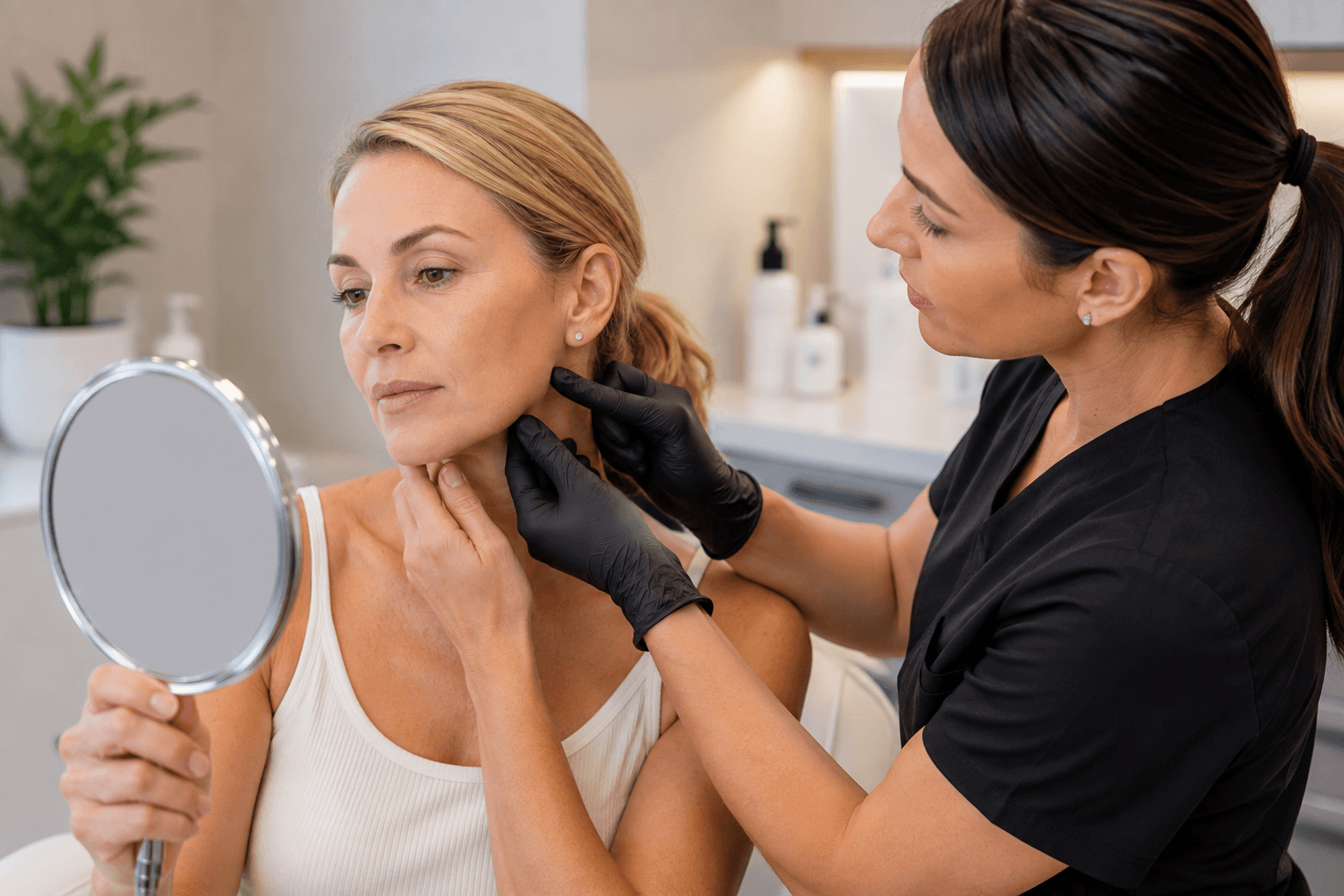
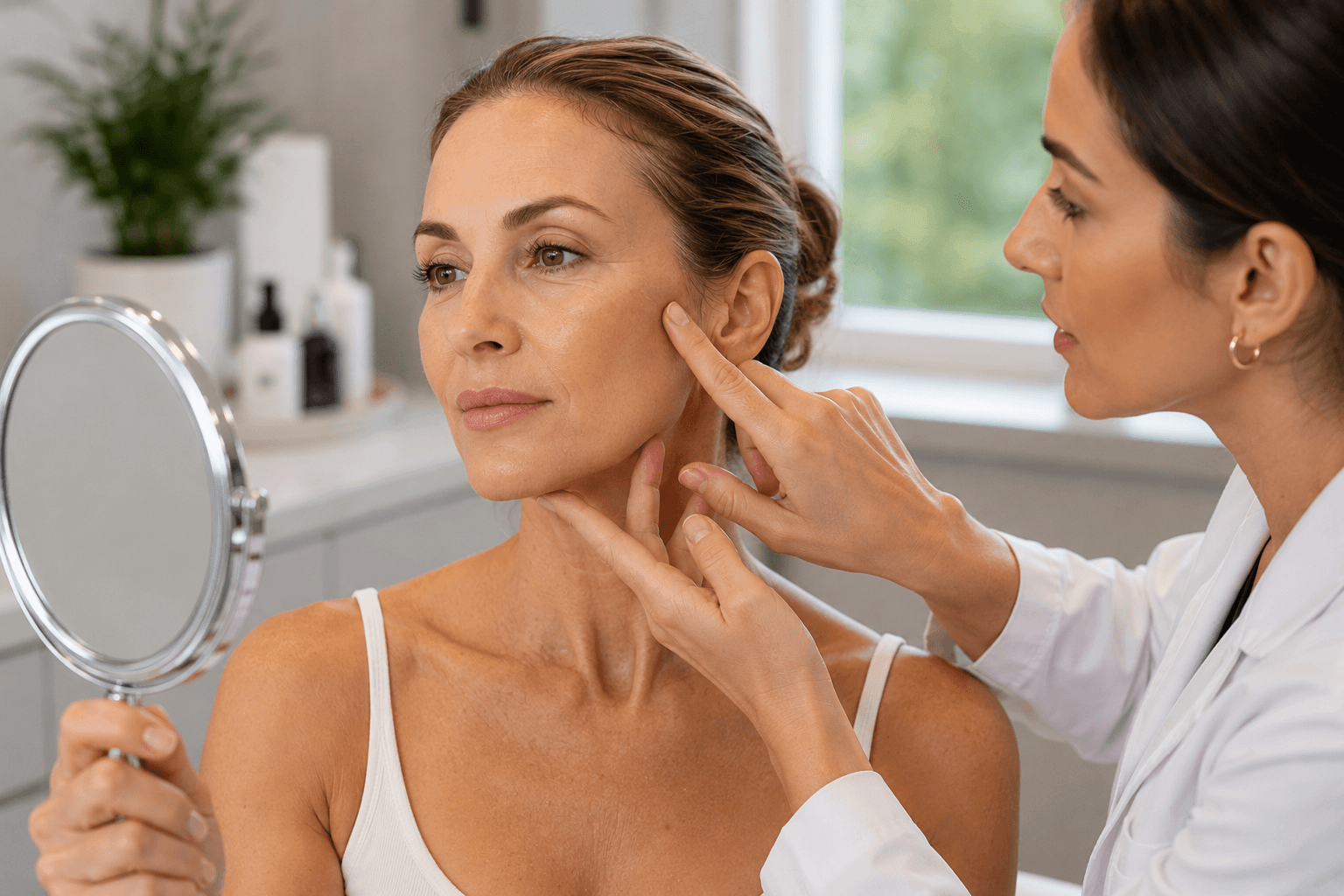
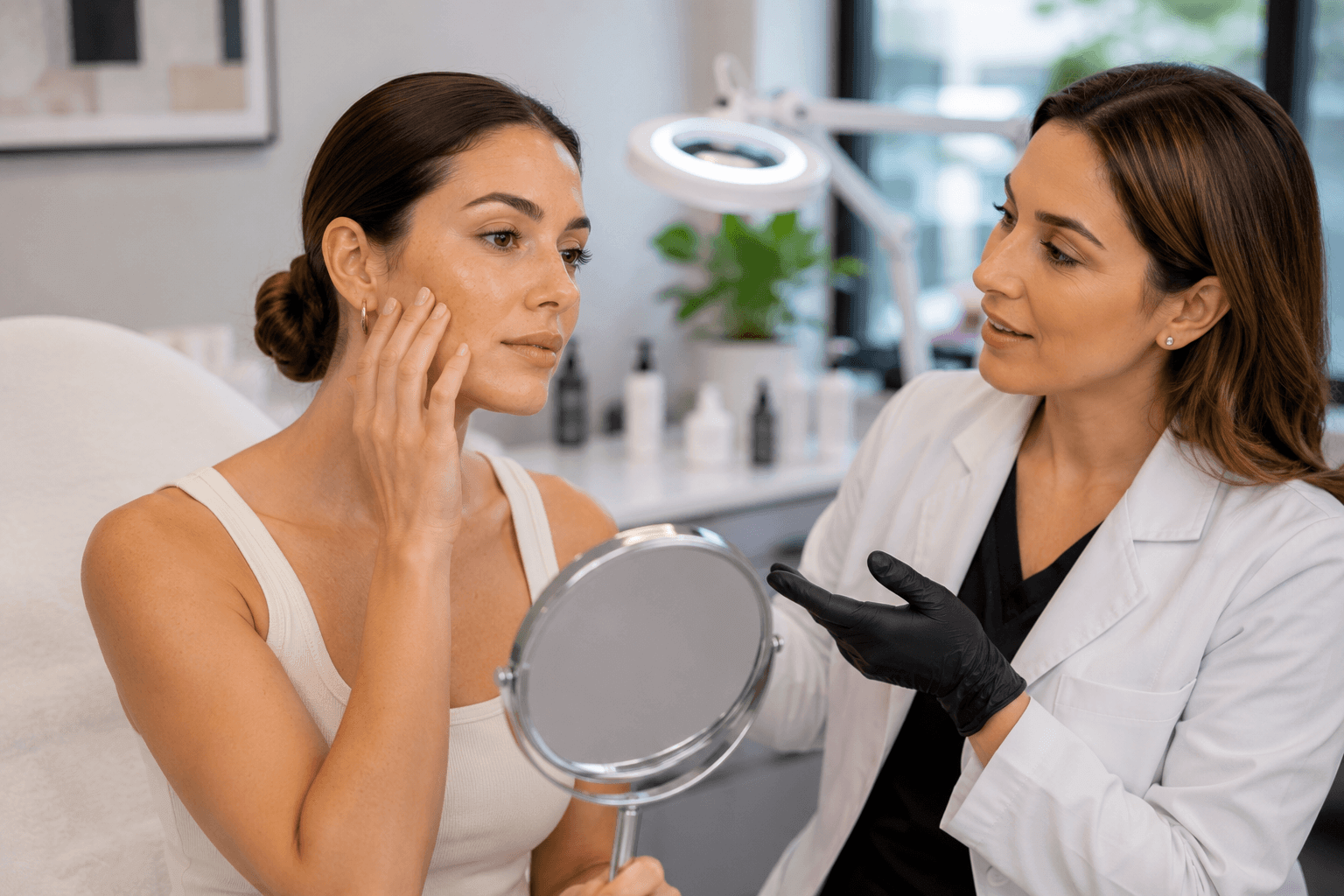
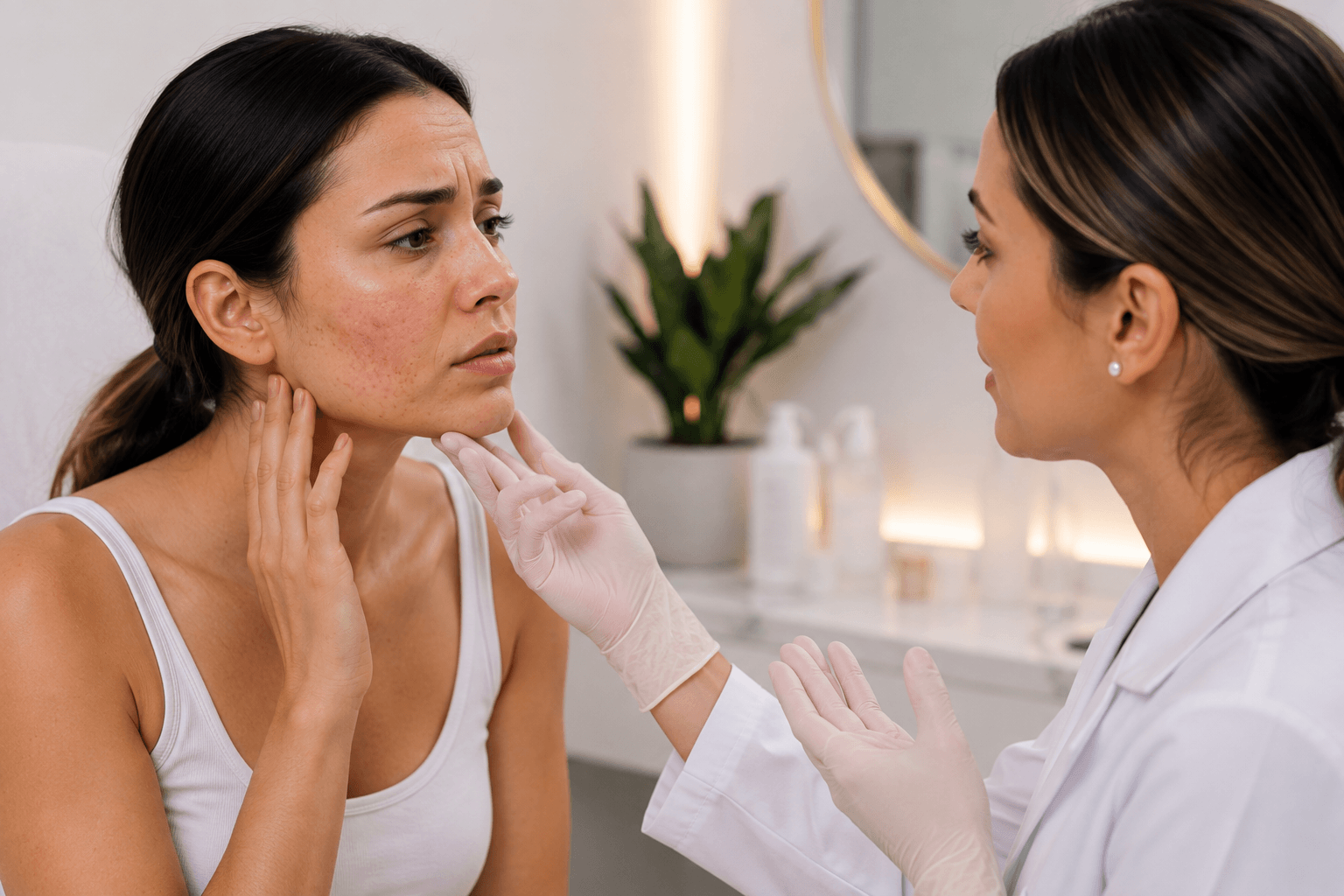
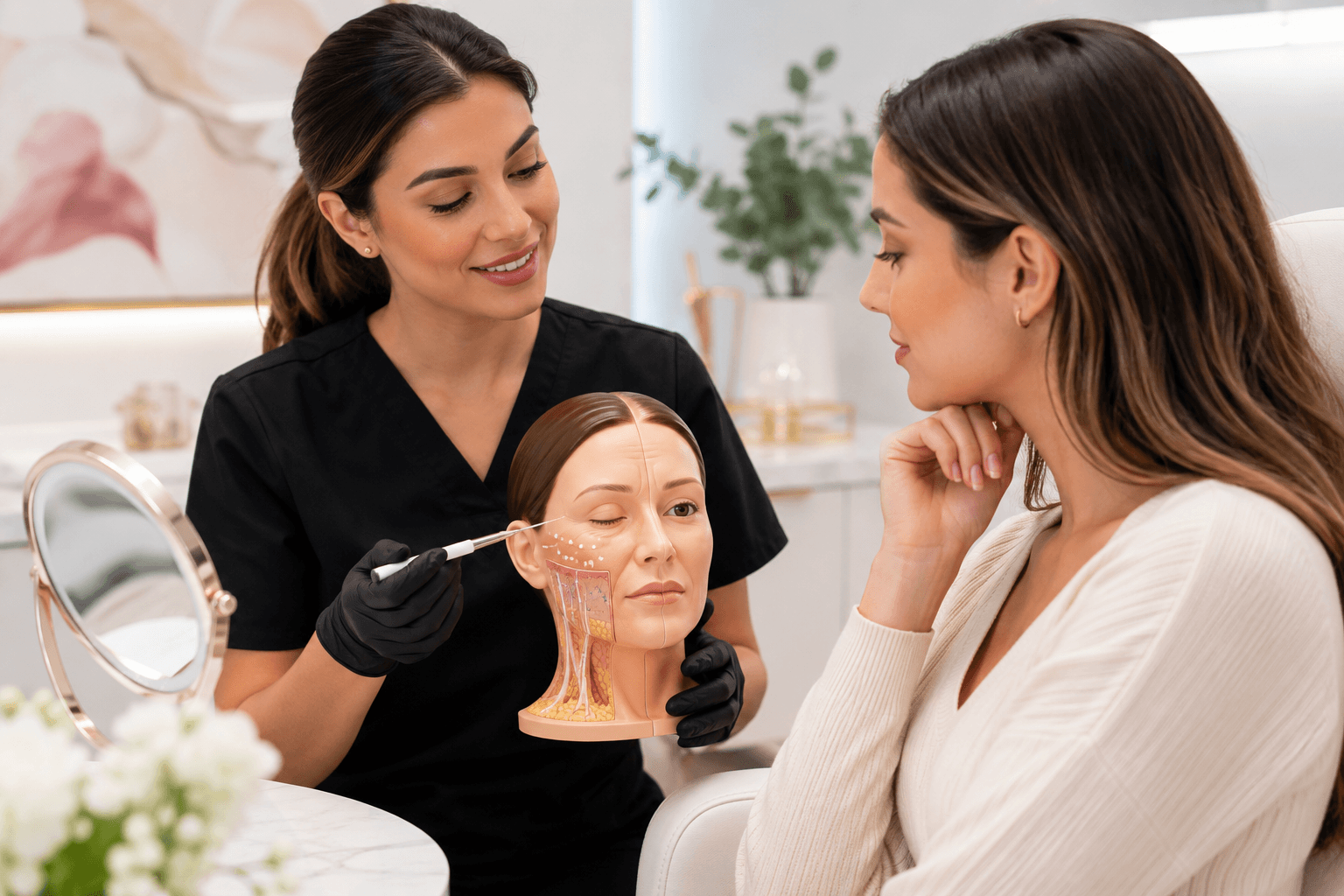
This is exactly why an in-person consultation matters more than trying to self-diagnose from a mirror or a search engine. Our team can look at your specific lines, ask about your goals, and recommend a plan built around your face rather than a generic checklist. You can browse the full range of options on our services page, or take a closer look at how injectables work together on our Botox and filler page.
This information has been updated as of September 2026 to reflect the treatments currently offered at our Rockwall practice.
Wrinkles are not a flaw to panic over, they are simply a sign that your skin has been living a full life under the Texas sun. The good news is that understanding the difference between dynamic and static lines puts you miles ahead when it comes to choosing a treatment that actually works, instead of hoping for the best. Whether you are dealing with a stubborn line between your brows or just want to get ahead of things before they start, our team at ABA Aesthetics Medspa is happy to walk through your options and build a plan that fits your face and your goals. A quick consultation is often all it takes to get some clarity.
What is the best treatment for forehead wrinkles? Forehead lines are usually dynamic, meaning they form from repeated muscle movement, so neurotoxins like Botox tend to be the most effective wrinkle treatment for this area.
Can dermal fillers treat wrinkles caused by muscle movement? Fillers are better suited to static wrinkles and volume loss rather than movement-based lines. For dynamic wrinkles, neurotoxins are typically the more direct option.
At what age should I start thinking about wrinkle treatments? There is no fixed age. Some people begin addressing dynamic lines in their late twenties, while others wait until static wrinkles become more noticeable. It comes down to personal preference and how the lines affect your skin's appearance.
Do chemical peels help with fine lines and wrinkles? Yes, chemical peels can improve texture and soften the appearance of fine lines, especially those related to early sun damage, making them a helpful option alongside injectable treatments.
How long do Botox results last for wrinkles? Results generally last a few months before muscle activity gradually returns, which is why many clients schedule regular maintenance visits to keep their results consistent over time.



.png)














































.jpg)





.jpg)
.jpg)


