


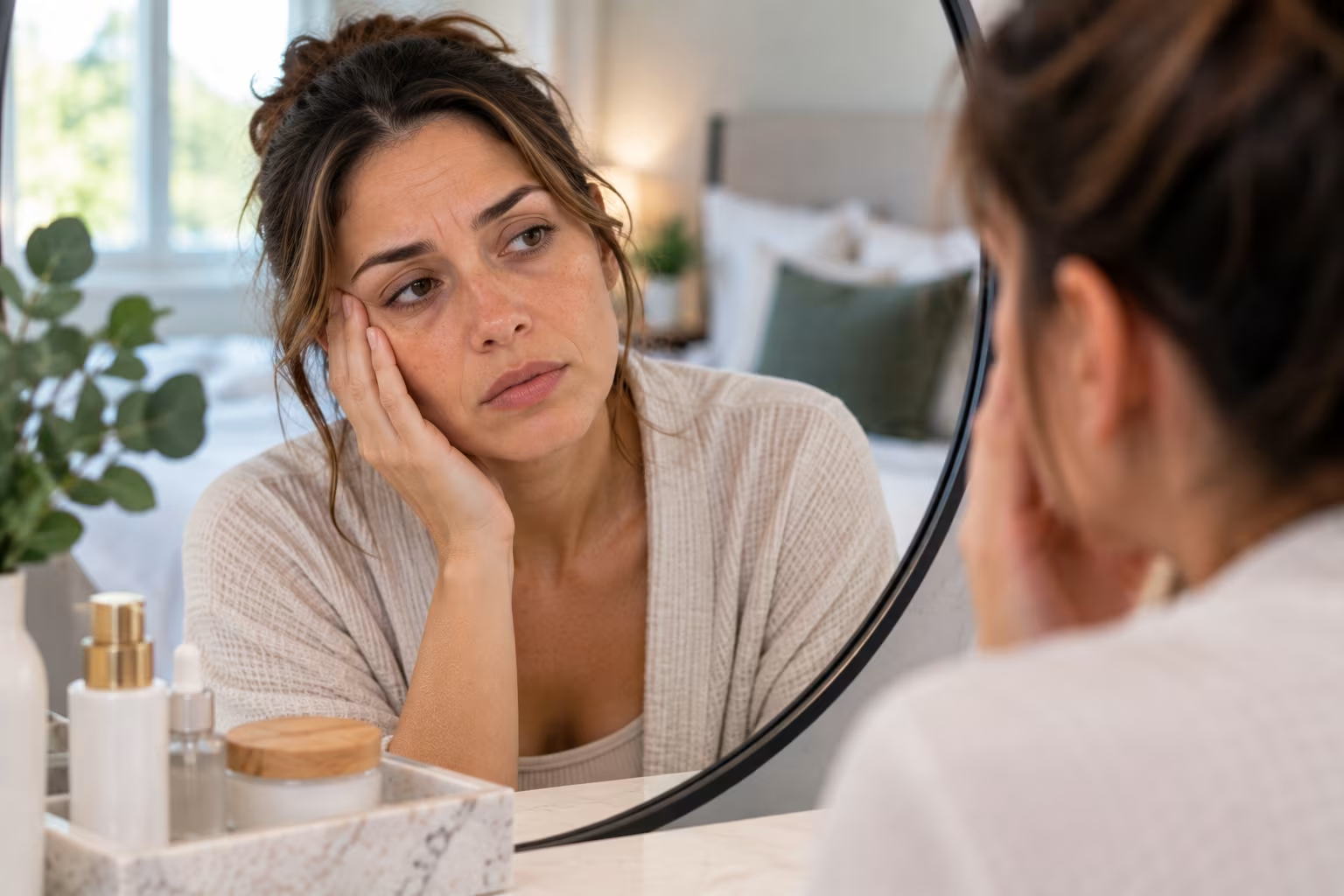
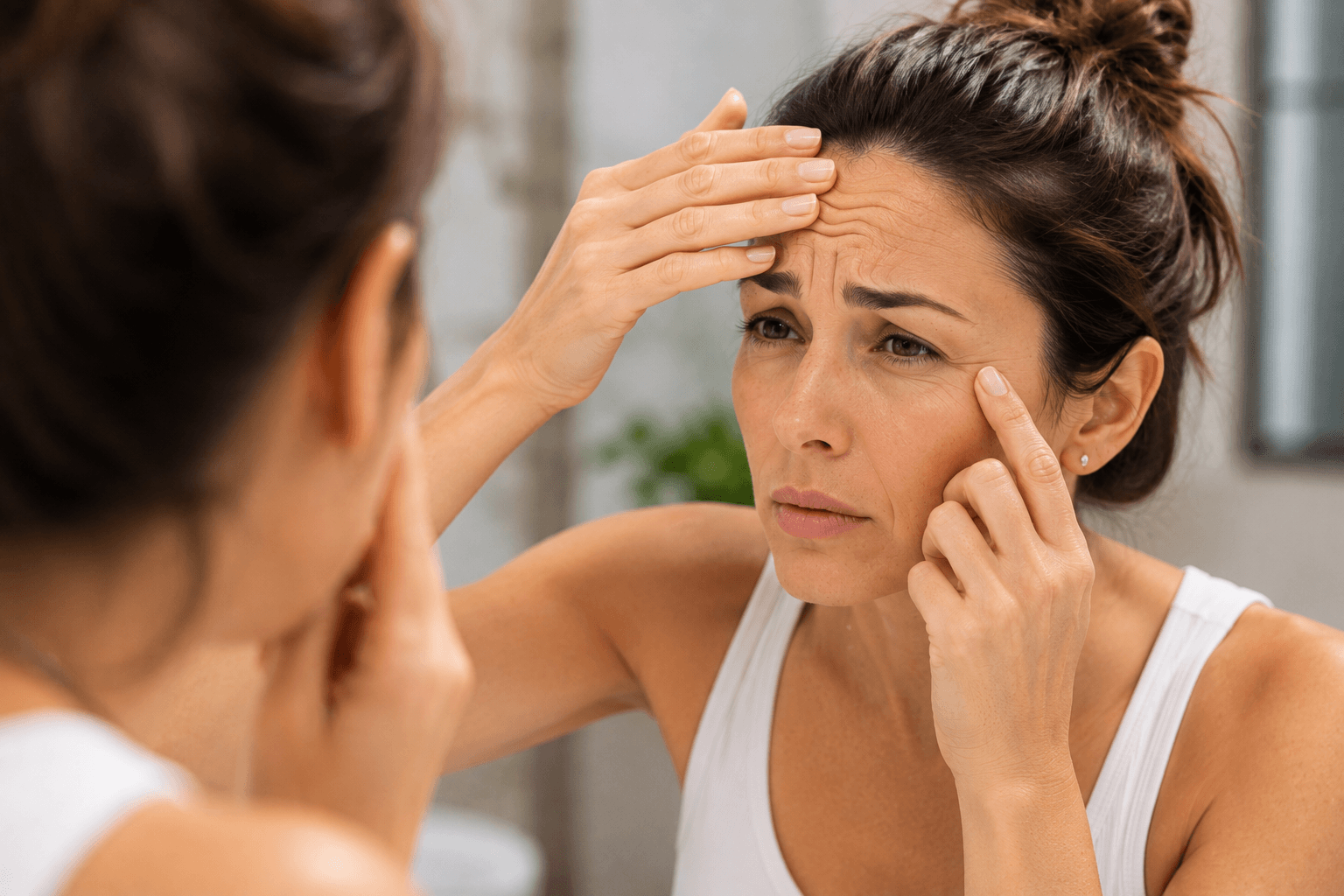
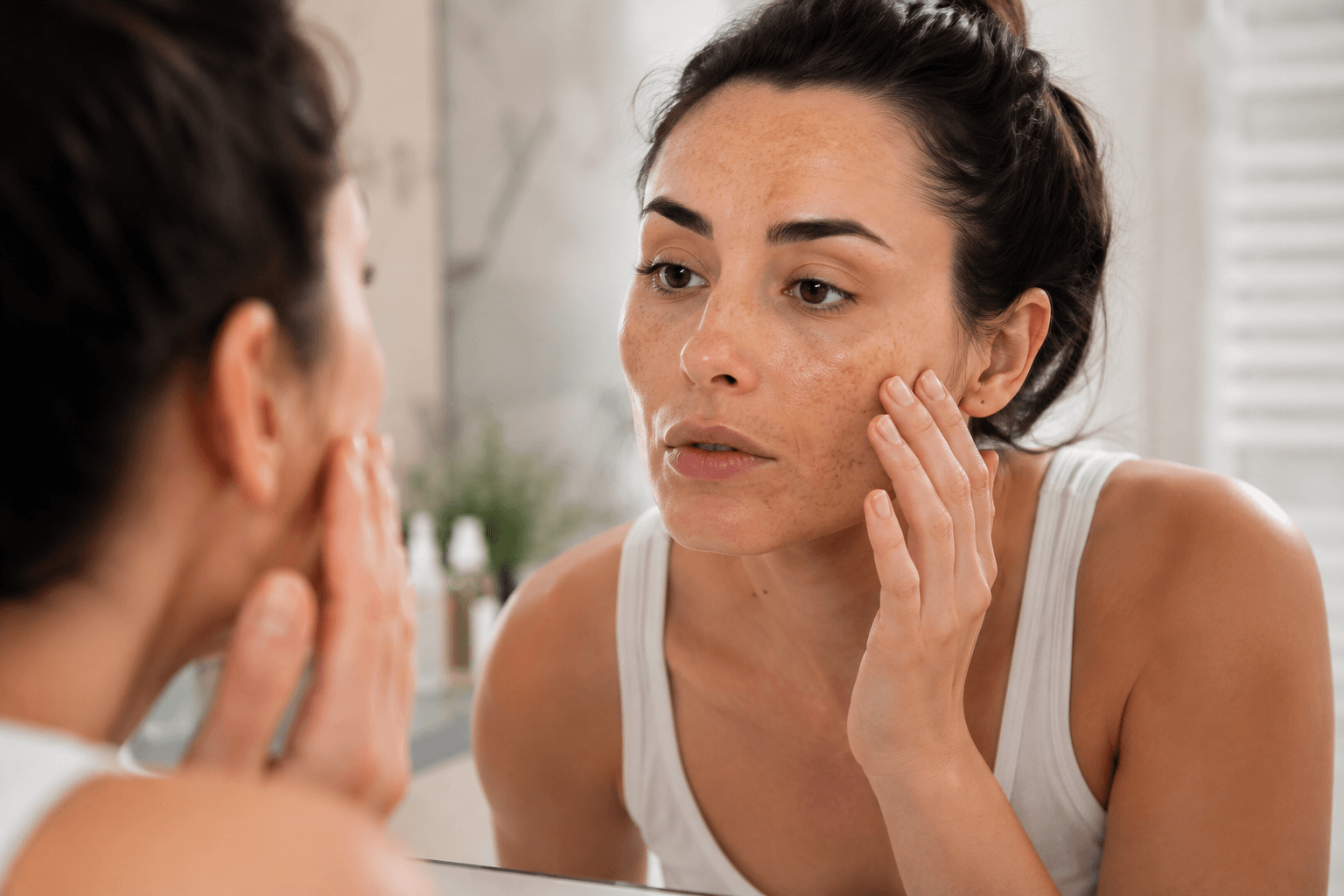
You wash your face every night. You have a drawer full of serums. You even drink your water most days. So why does your skin still look dull by 2 p.m., feel tight after a shower, or break out the week you have somewhere to be? If that sounds familiar, you are not doing anything wrong so much as missing the bigger picture. Skin health is not about finding the one magic product. It is about what is happening underneath the surface, and in Rockwall, Texas, where the sun is strong for most of the year and the air swings between bone dry and sticky humid, your skin has more working against it than most skincare routines are built to handle.
This guide breaks down what healthy skin actually looks like, the everyday habits and environmental factors that quietly wear it down, and what it really takes to rebuild it from the inside out, not just cover it up until the next breakout or dry patch shows up.
Healthy skin is not the same thing as flawless skin. Nobody's skin is perfectly even, poreless, or line free, and that was never the goal. What healthy skin does have is a functioning barrier, which means it holds onto moisture well, does not sting or flush at the first new product you try, and bounces back reasonably quickly from a bad night's sleep or a day in the sun.
Signs of genuine skin health usually include:
When skin has that foundation, makeup sits better, products actually absorb the way they are supposed to, and the small imperfections everyone has become far less noticeable. That foundation is the whole goal, and it is worth understanding what chips away at it before jumping straight to a fix.
Skin does not just age or struggle randomly. It responds directly to what it is exposed to and how it is treated, day after day. A few of the biggest daily influences include:
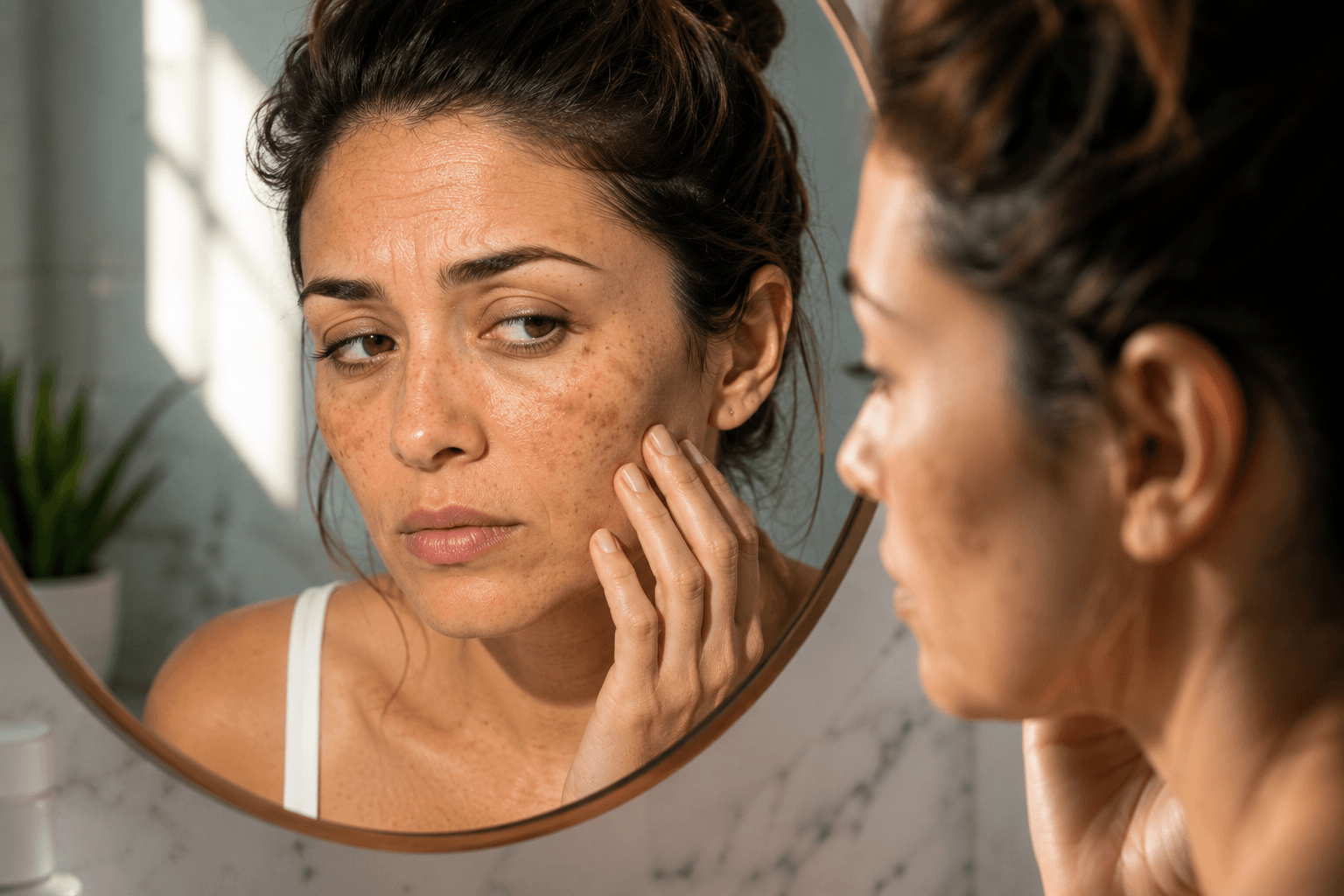
Texas sun is not gentle, and Rockwall summers in particular put skin through months of intense UV exposure. Even with sunscreen, cumulative sun damage breaks down collagen, weakens the skin barrier, and is one of the single biggest contributors to premature aging and uneven tone. Add in the dry heat that pulls moisture straight out of skin, and it is easy to see why so many local residents deal with tightness, dullness, or sensitivity that seems to come out of nowhere.
What you eat and drink shows up on your skin more than most people realize. Low water intake, high sugar intake, and inconsistent eating patterns can all show up as dullness, breakouts, or a rough texture. This is not about following a perfect diet, just being aware that skin reflects overall lifestyle habits.
Poor sleep and ongoing stress are two of the most underestimated factors in skin health. Skin does a lot of its repair work overnight, so consistently short or restless sleep can leave it looking tired even when you personally feel fine. Stress can also disrupt normal skin behavior over time, which is why breakouts or flare ups often seem to show up during the busiest, most stressful weeks. If this sounds like a pattern for you, our page on stress and poor sleep as a skin concern breaks it down further.
Hormonal shifts, whether from age, cycle changes, or other natural fluctuations, can affect oil production, sensitivity, and breakout patterns. This is a normal part of life, not a flaw, but it is another reason a one-size-fits-all skincare routine often falls short.
Over-exfoliating, layering too many active ingredients at once, or constantly switching products in search of quick results can actually damage the skin barrier rather than help it. More is not always better, and a barrier that is under constant assault will always look and feel worse, not better.
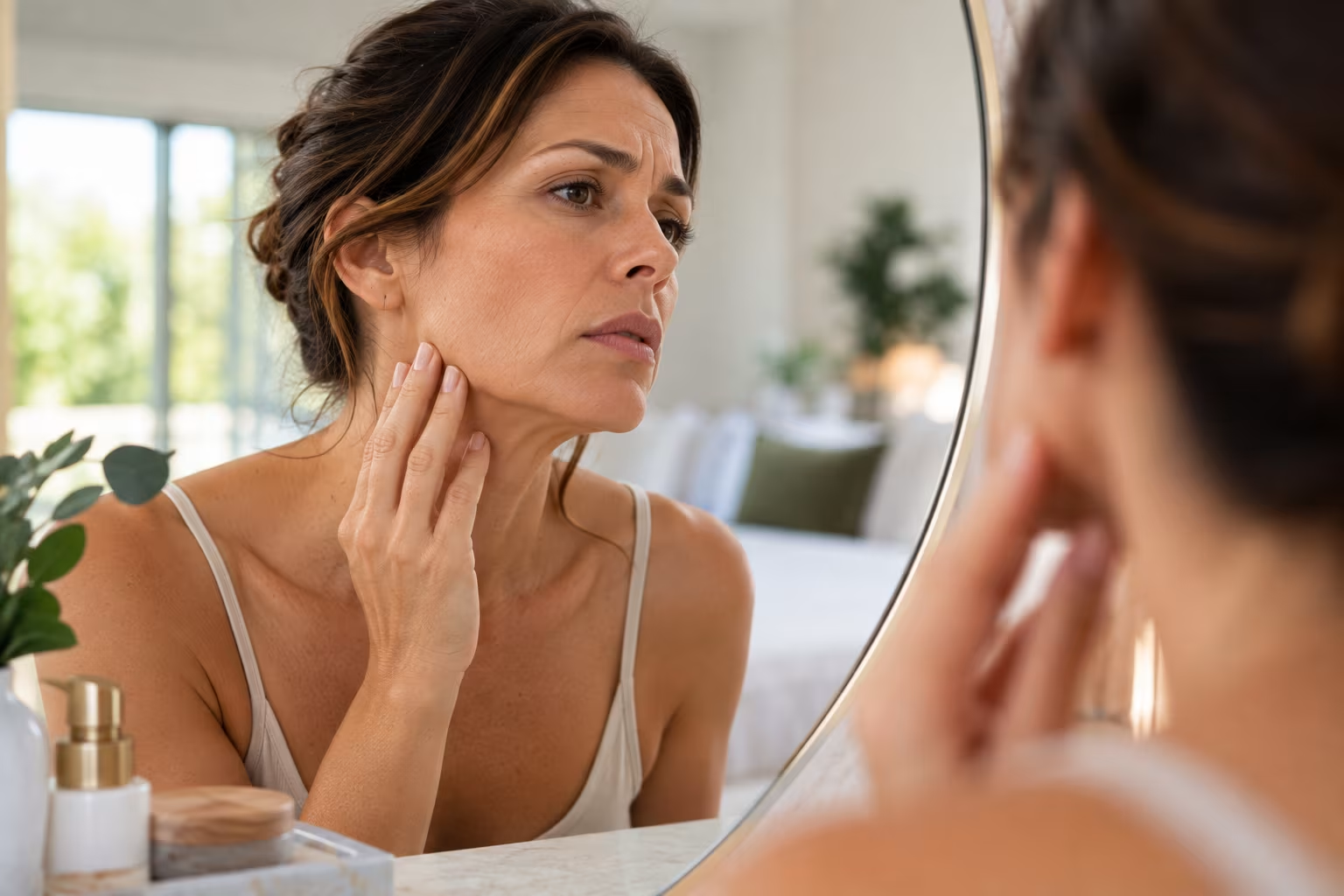
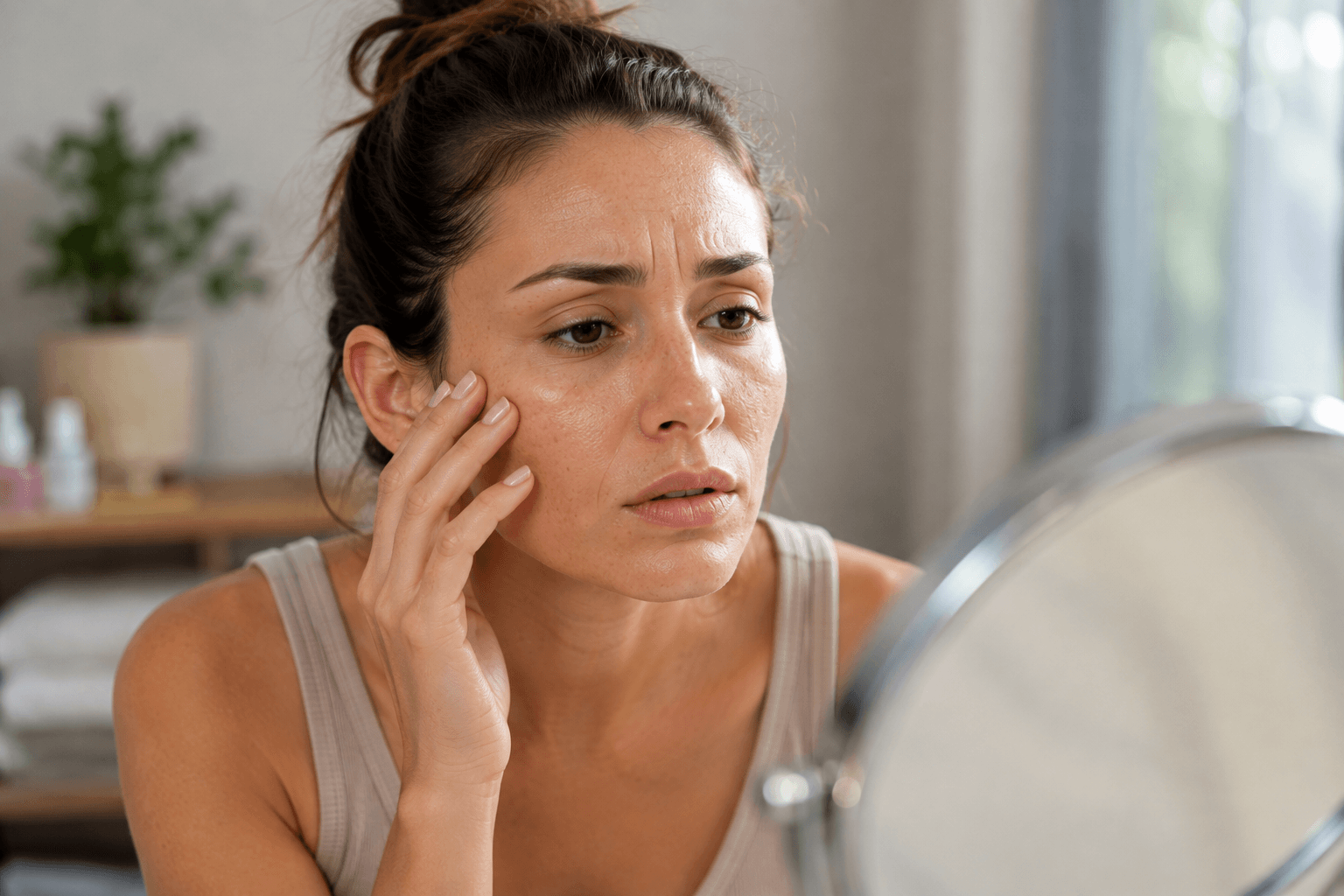
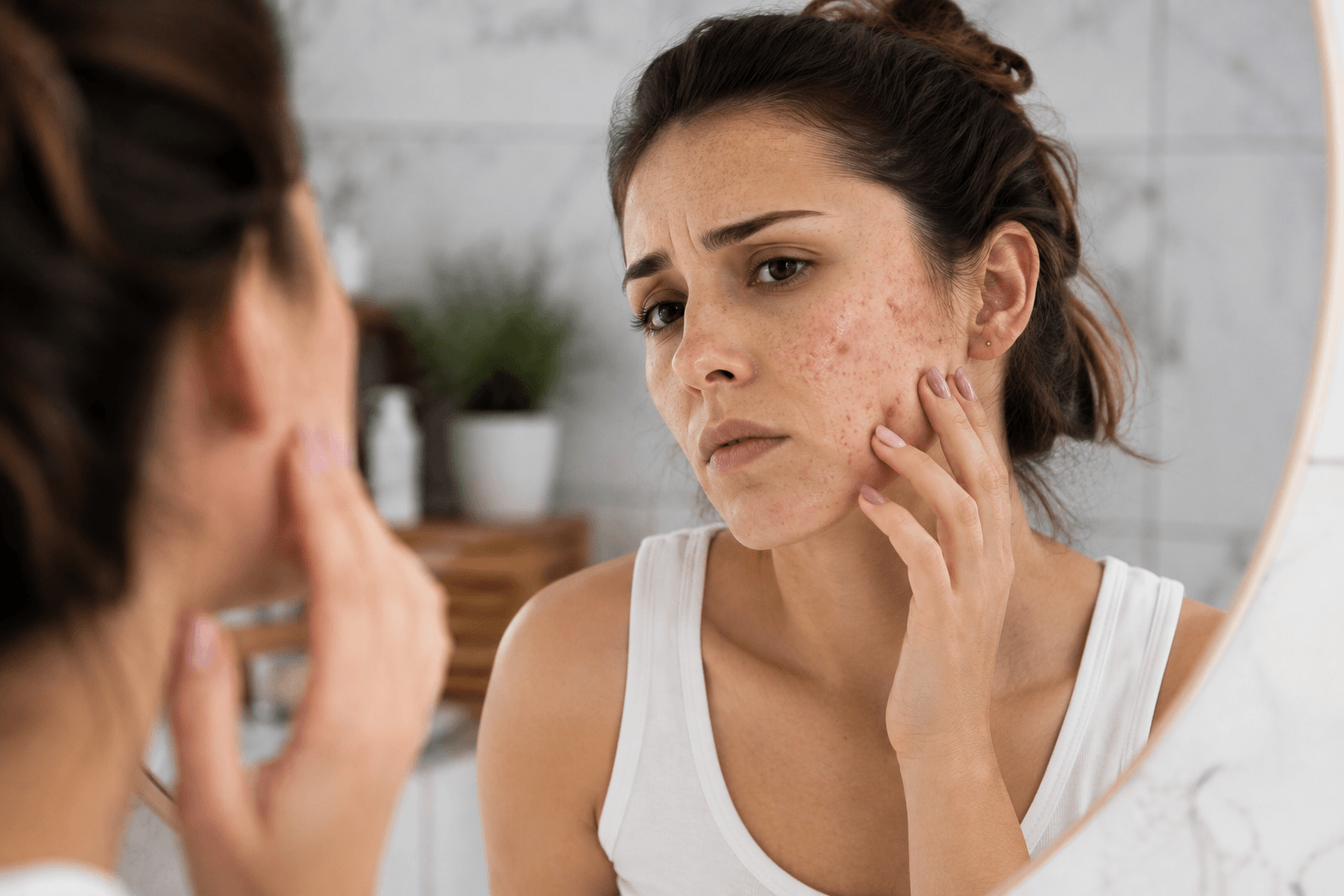
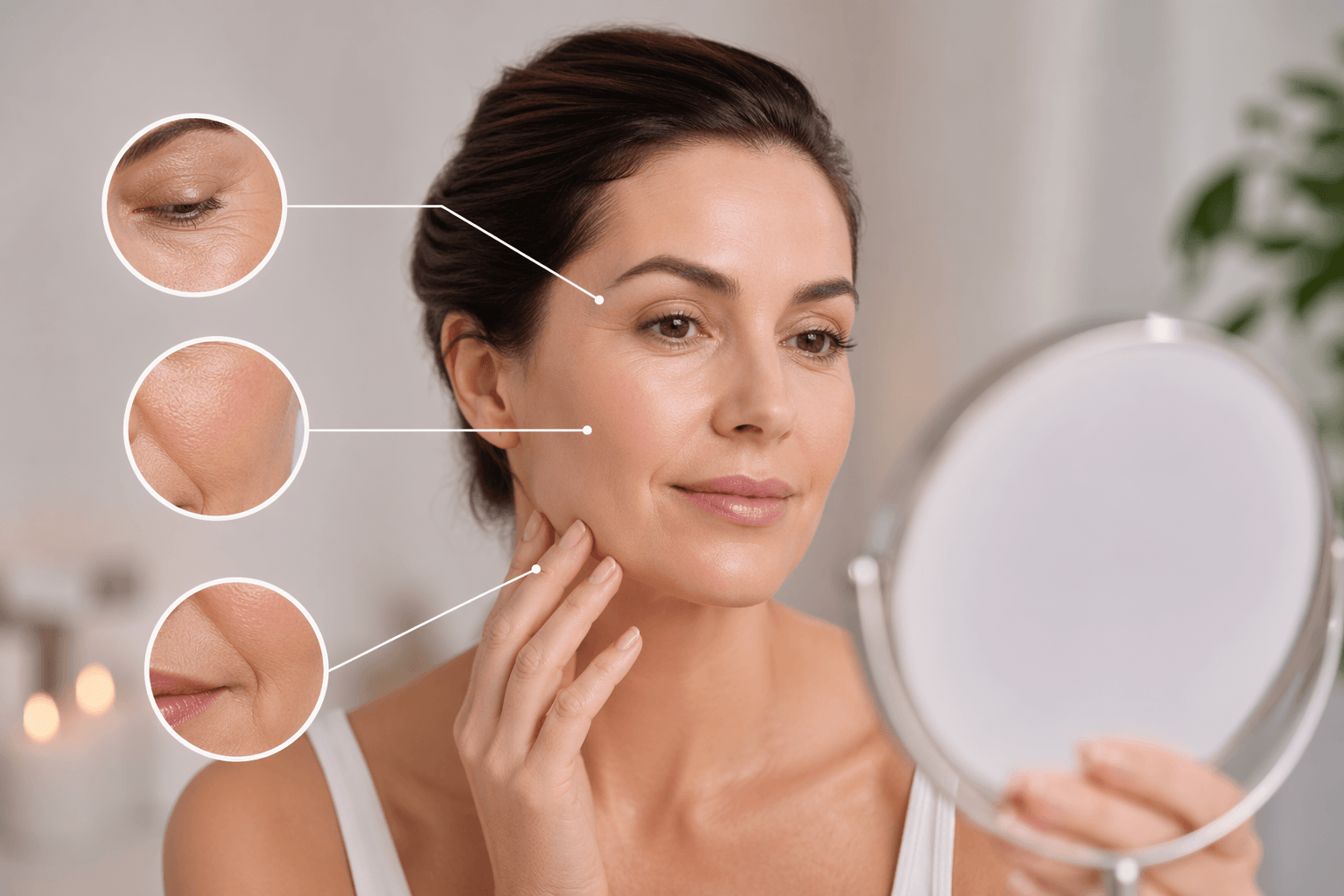
The skin barrier is the outermost layer of skin, and its job is to keep moisture in and irritants out. When it is compromised, skin tends to send some pretty clear signals:
None of these signs mean anything is medically wrong. They simply mean the barrier needs support, and the sooner that support starts, the easier it is to reverse course.
This is where a lot of people get stuck. Store-bought products can absolutely help with maintenance, but most are formulated with lower concentrations of active ingredients so they are safe for broad, unsupervised use. That makes them fine for upkeep, but not always powerful enough to correct a barrier that is already struggling or reverse visible sun damage that has built up over years.
This is not a knock on skincare in general. It is simply a matter of matching the right strength and formulation to what your skin actually needs, which is where professional guidance starts to make a real difference.
Medical-grade skincare is formulated with clinically studied, higher concentrations of active ingredients, and it is typically only available through a licensed provider who can guide you on the right products for your specific skin. The difference is not marketing. It comes down to ingredient potency, formulation stability, and delivery systems designed to actually penetrate skin rather than sit on the surface.
At ABA Aesthetics Medspa, this is exactly where Skinbetter Science comes in. It is a physician-dispensed skincare line built around real, visible results for concerns like fine lines, uneven tone, and loss of firmness, and it is designed to work with your skin's biology rather than just masking symptoms temporarily.
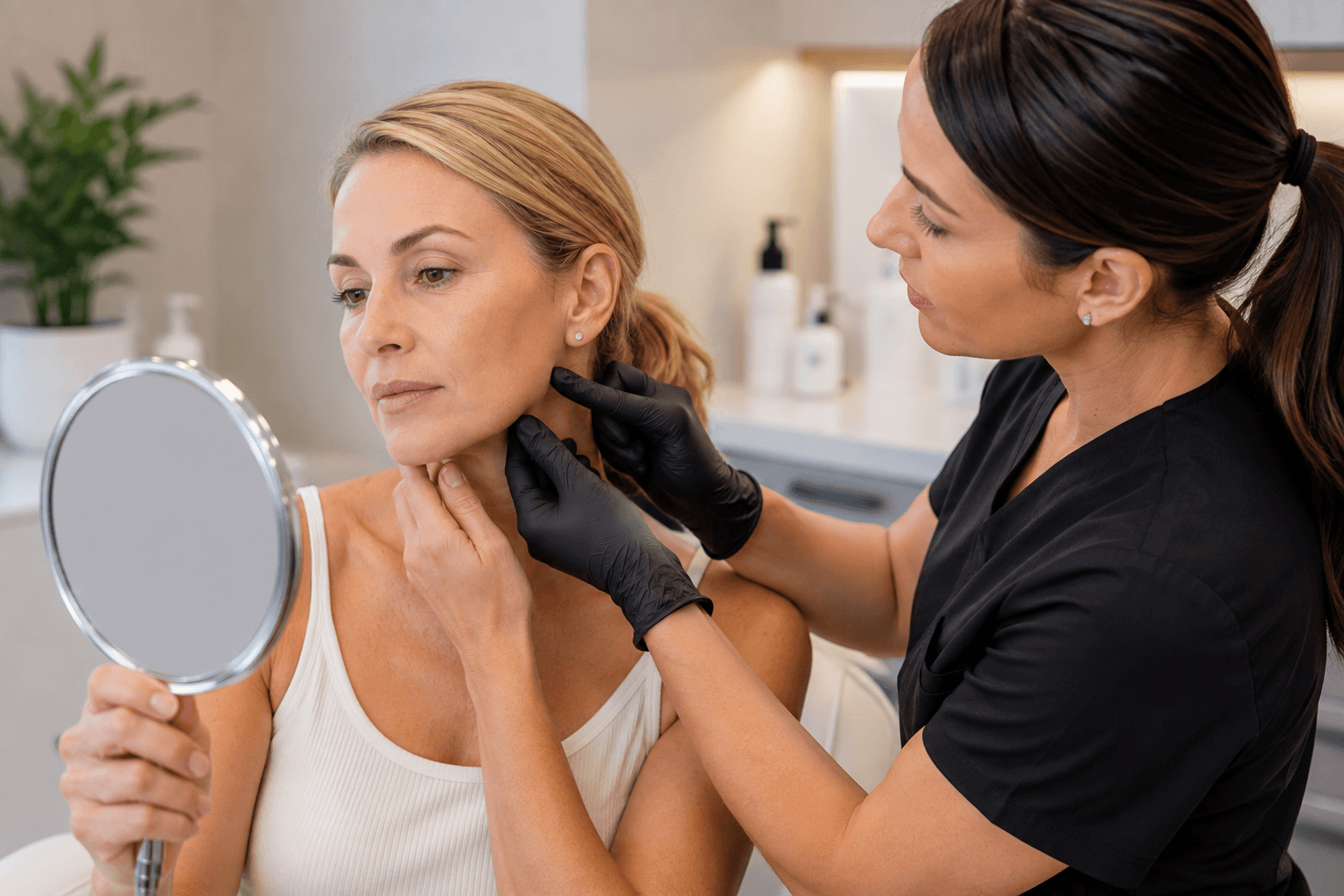
Rather than offering a single product, Skinbetter Science is built as a customizable system that can be tailored to your specific skin, whether your main concern is dehydration, dullness, visible aging, or a barrier that needs rebuilding after sun exposure. Our team at ABA Aesthetics Medspa evaluates your skin and puts together a routine that actually fits, not a generic starter kit.
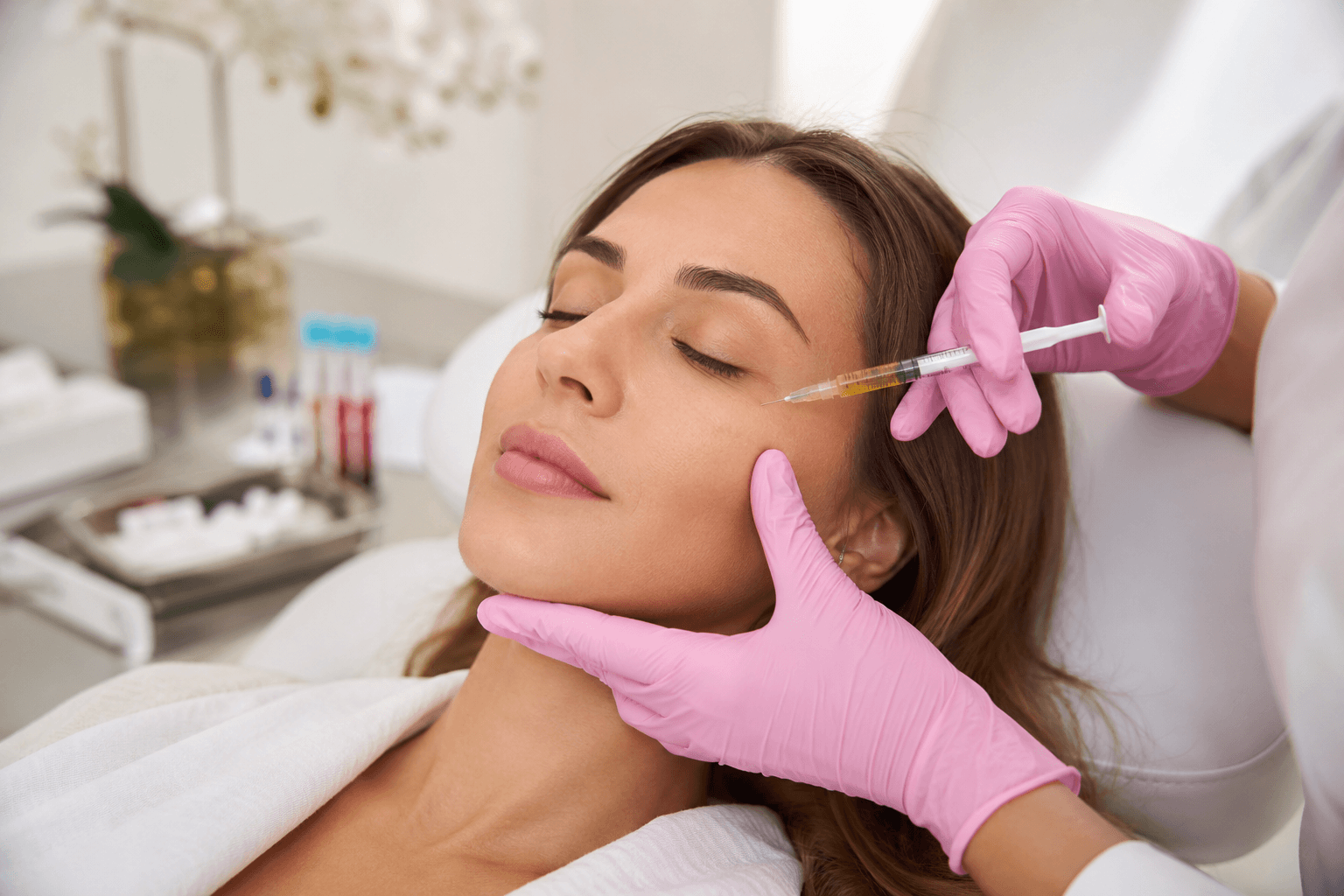
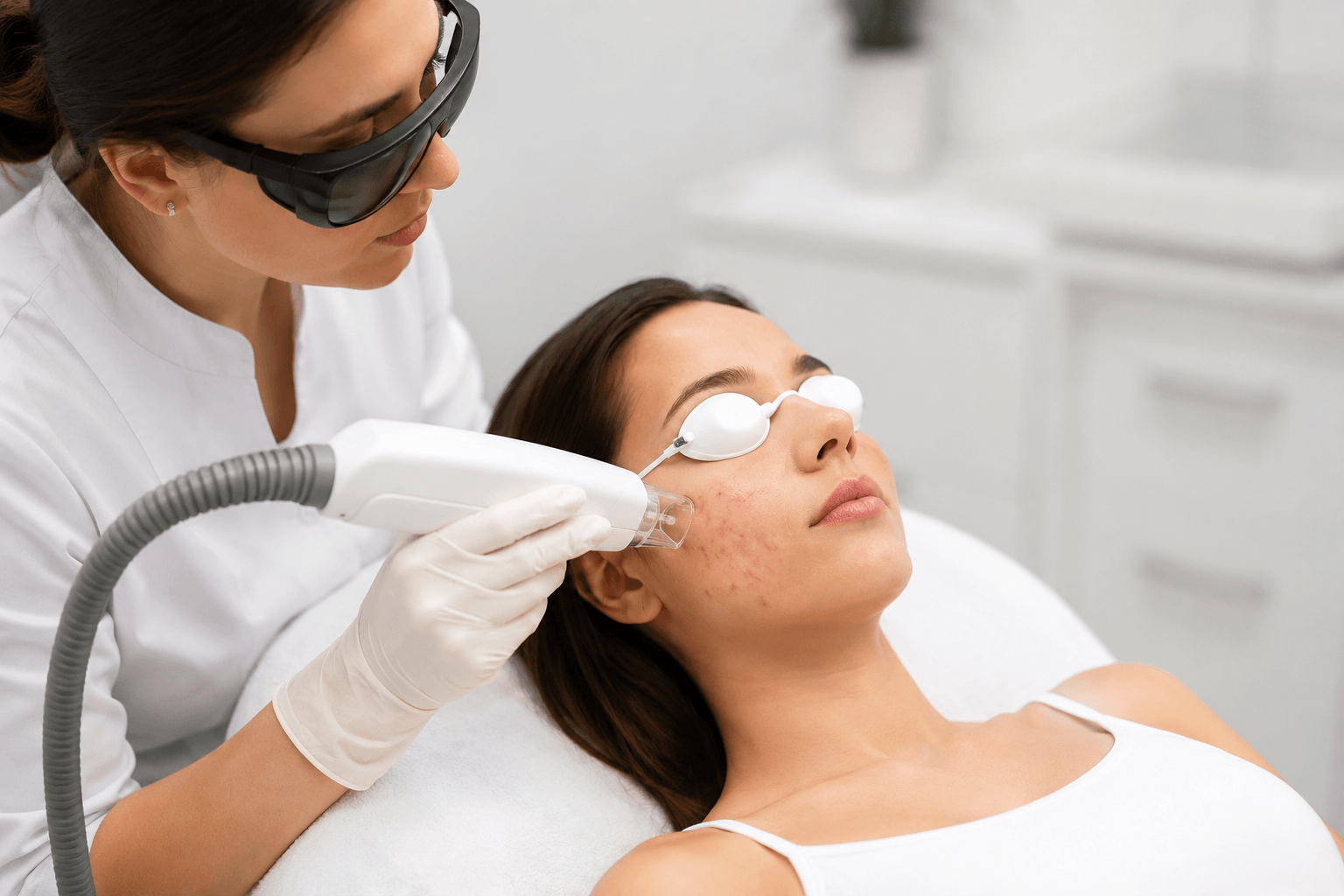
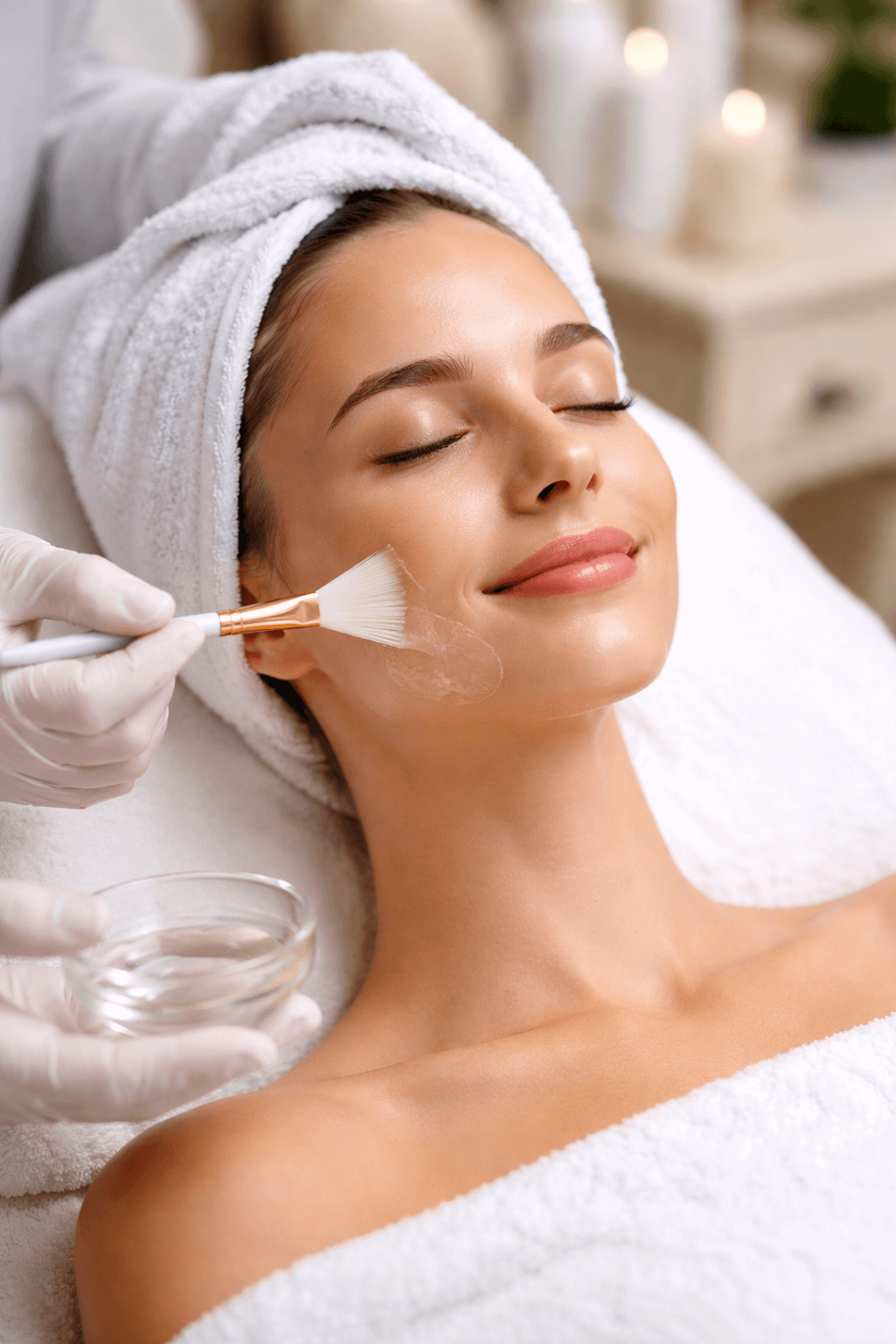
For clients dealing with ongoing hydration issues, we often pair recommendations with Hydrinity, a professional hydration-focused line designed to restore moisture balance at a deeper level than typical over-the-counter options. And for those with texture, tone, or dullness concerns that need a more active reset, a chemical peel can help clear away built-up dullness and support smoother, more even skin as part of a broader plan.
The goal with all of it is the same: build skin health that lasts, rather than chasing short-term fixes that fade in a few weeks.
A routine that actually works tends to follow a few consistent principles:
If you want that kind of ongoing support without having to think about it every time, our membership program is built for exactly this, giving clients a consistent, guided path to long-term skin health rather than a one-time visit. You can also browse our full services page to see everything available for building your personalized plan.
This information has been updated this month, September 2026, to reflect current recommendations for skin health support in Rockwall, Texas.
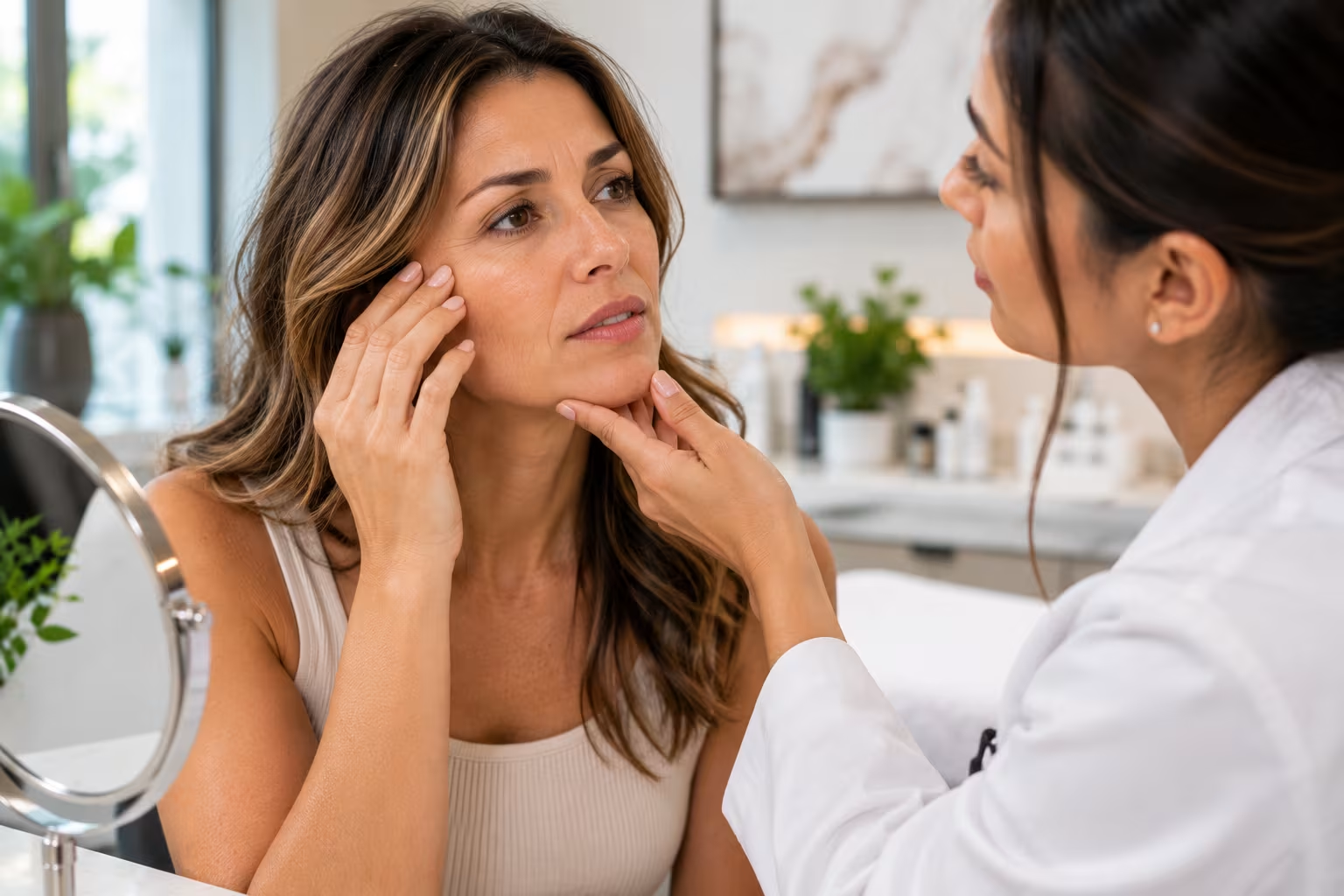
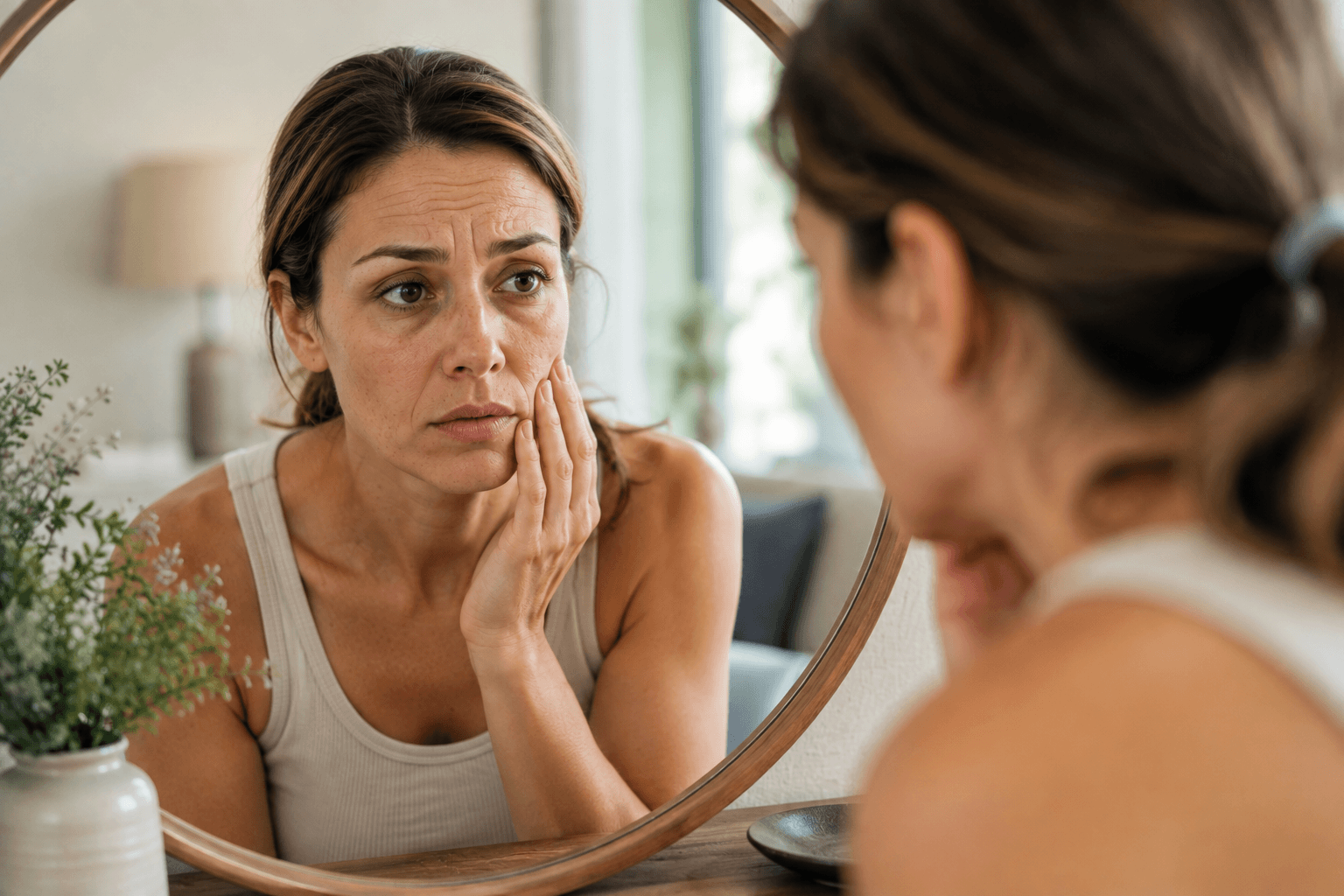
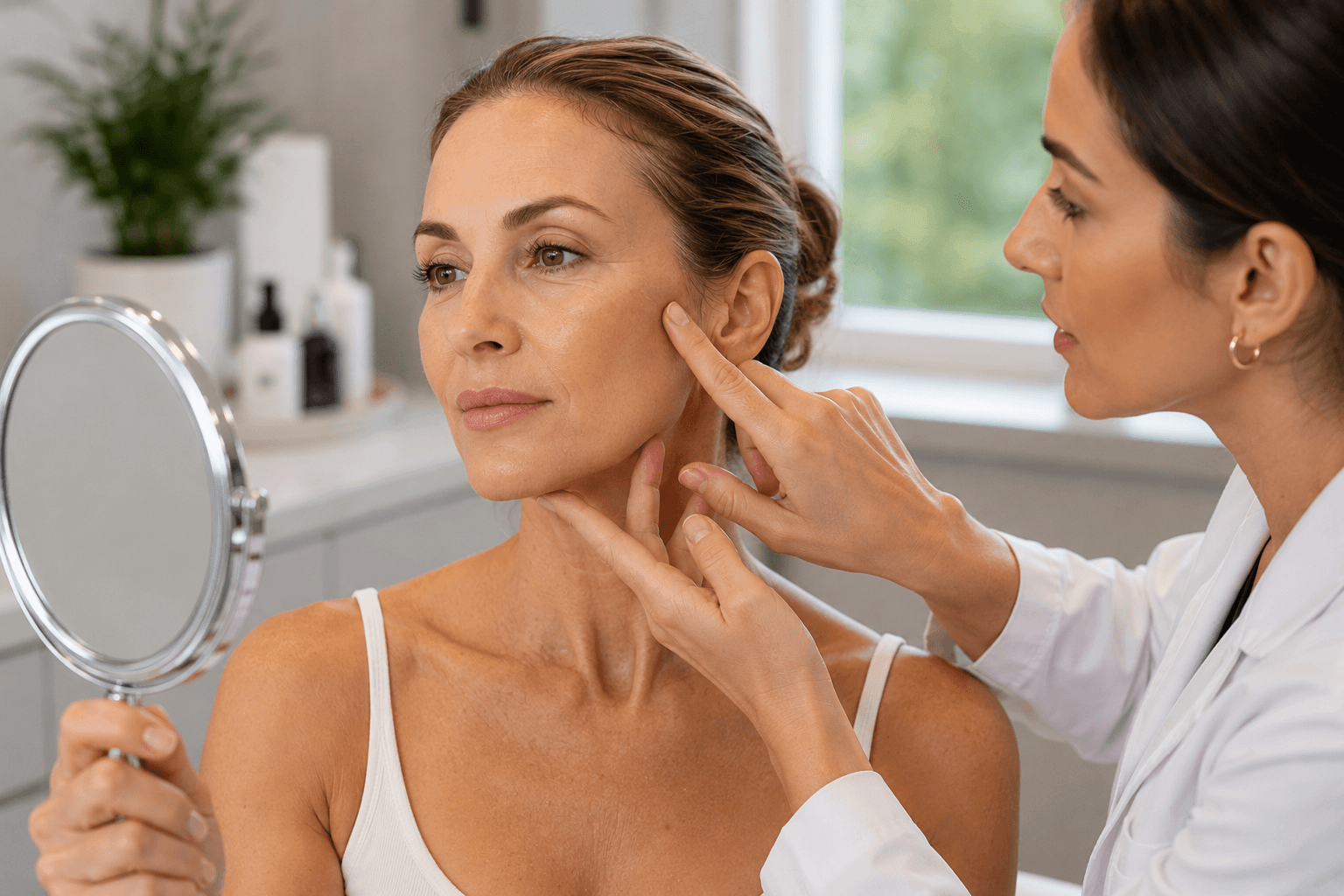
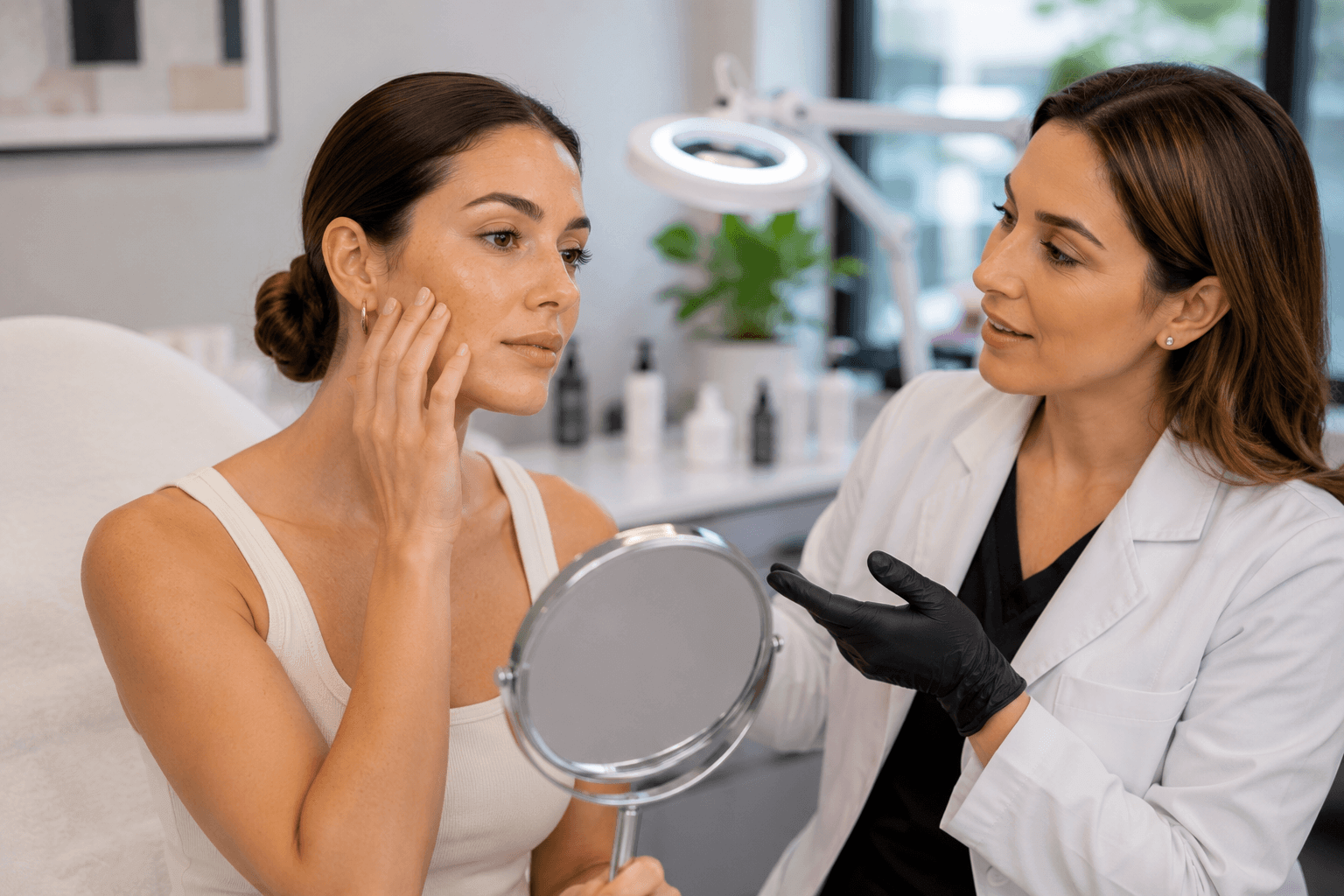
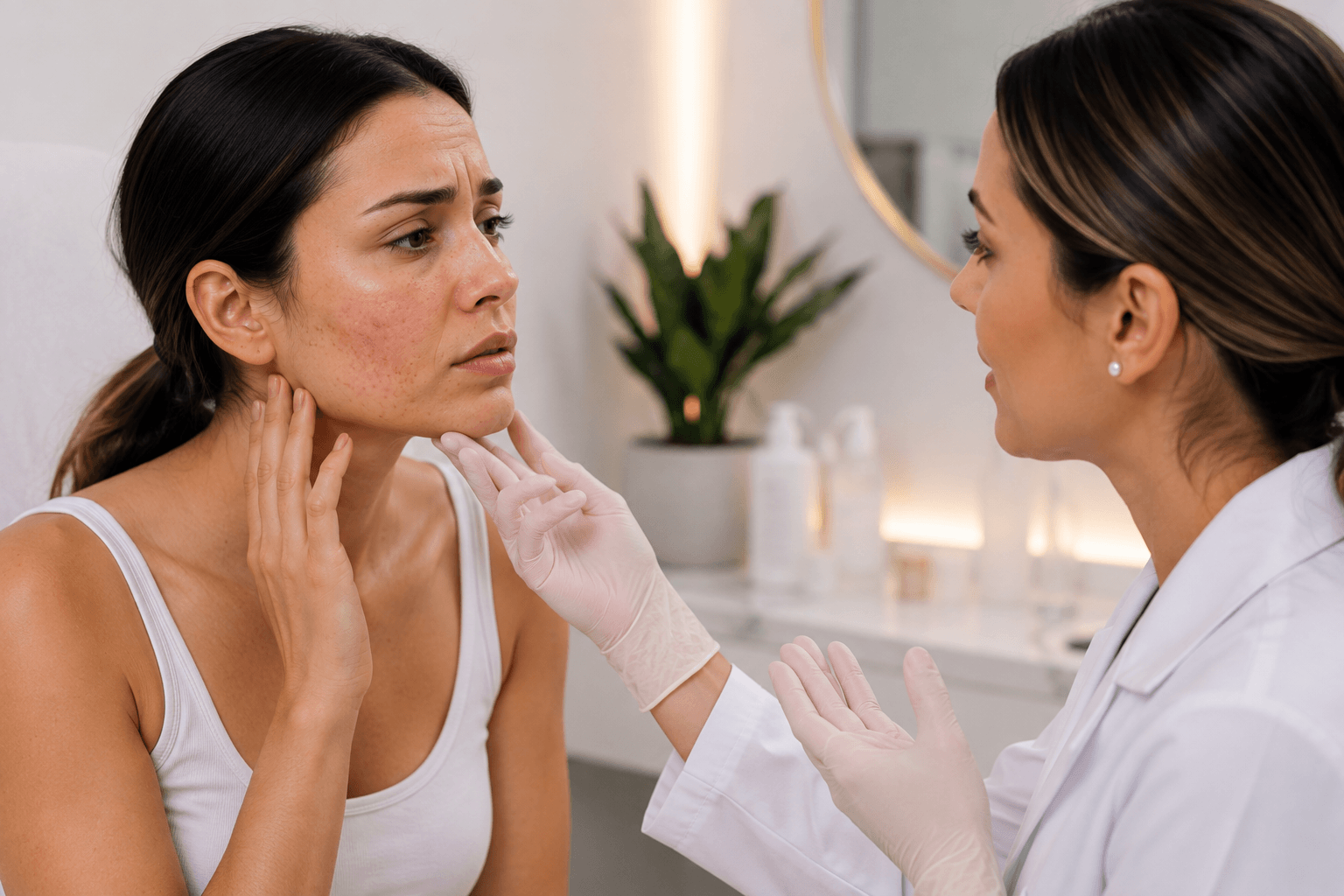
Healthy skin is not about luck or finding a miracle product. It is about understanding what your skin is dealing with and giving it real, consistent support. If your reflection has been telling you it is time for a change, our team at ABA Aesthetics Medspa would love to sit down, take a real look at your skin, and build a plan that actually fits you. Reach out to schedule a consultation whenever you are ready.
What is the biggest factor affecting skin health in Rockwall, Texas? Sun exposure and heat are two of the biggest local factors. The intensity and duration of Texas sun throughout the year can weaken the skin barrier and accelerate visible aging faster than in milder climates, making daily protection and proper hydration especially important for maintaining skin health here.
Can drinking more water alone fix dull or dry skin? Hydration helps, but it usually is not enough on its own. Skin health depends on barrier function, product quality, and sun protection as well, so water intake works best as one part of a broader routine rather than a standalone fix.
How is medical-grade skincare different from what I can buy in stores? Medical-grade lines like Skinbetter Science use higher, clinically studied concentrations of active ingredients and are dispensed through licensed providers, which allows for more targeted and effective results compared to many over-the-counter products.
How often should I get a professional skin treatment to maintain skin health? This depends on your skin and goals, but many clients benefit from periodic treatments alongside a consistent at-home routine. During a consultation, our team can recommend a schedule based on your specific concerns.
Is skin sensitivity a sign that something is seriously wrong? Not necessarily. Sensitivity often points to a compromised skin barrier from sun exposure, harsh products, or environmental stress rather than anything serious. That said, identifying the cause and adjusting your routine accordingly can make a noticeable difference.
.png)






































.jpg)





.jpg)
.jpg)


