
.png)


.png)
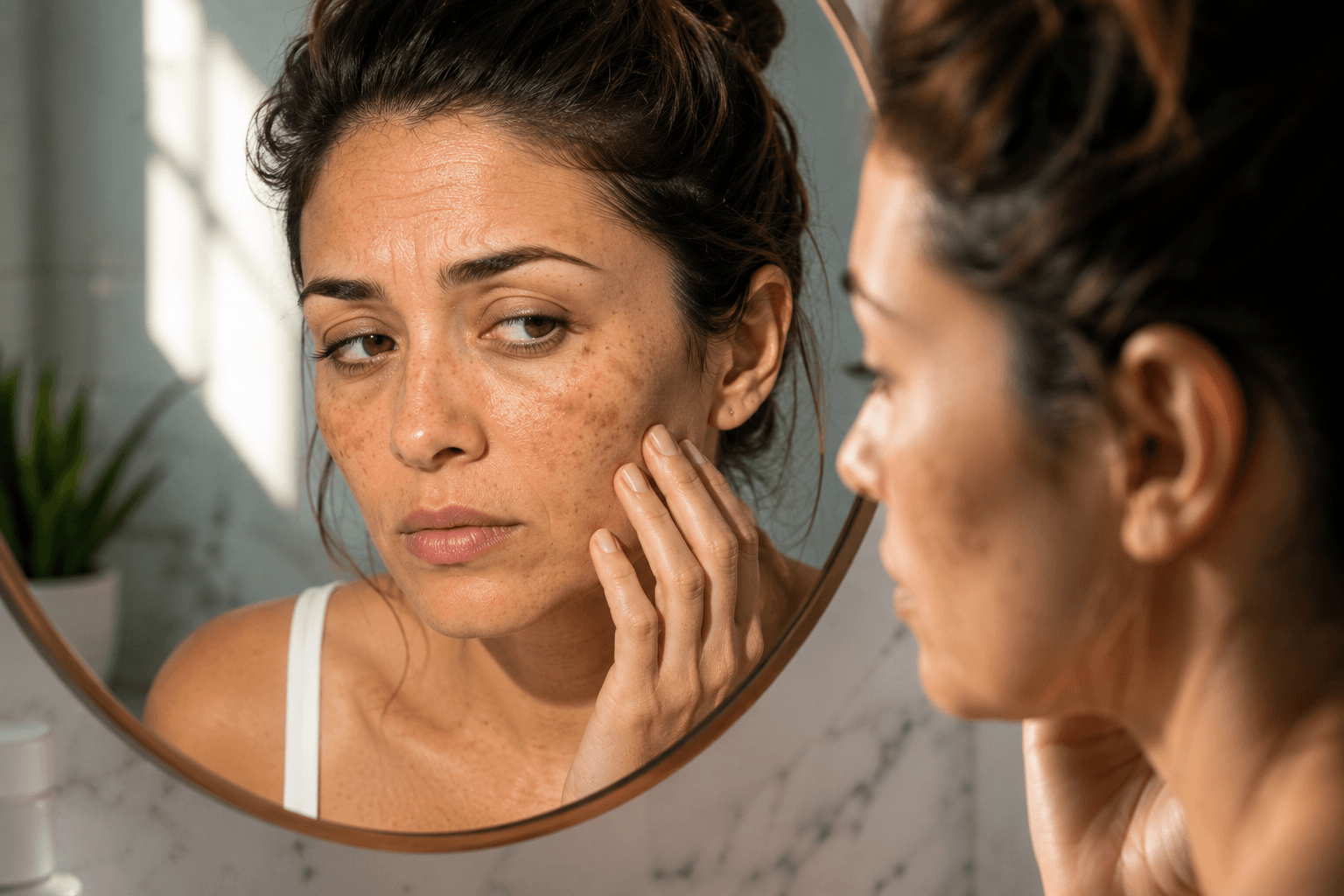
You notice it in the bathroom mirror under bright light, or in a selfie zoomed in a little too far. A few dark, coarse hairs along the jawline or above the lip that were not there a few years ago. If this sounds familiar, you are far from alone. Unwanted facial hair is one of the most common, and most quietly frustrating, concerns women bring up at every stage of life. It can chip away at confidence in ways that feel disproportionate to something so small, and it often comes with a nagging question in the back of your mind: is this normal, or is my body trying to tell me something?
The truth is, it can be both. Facial hair growth in women exists on a wide spectrum, and understanding where you fall on that spectrum is the first step toward feeling comfortable in your own skin again. Let's talk through what actually causes it, when it is worth a conversation with your doctor, and how facial hair removal in Rockwall has become a trusted, long-term solution for women who are simply ready to stop tweezing, waxing, and second-guessing their reflection.
Facial hair on women is not inherently abnormal. Nearly everyone has some fine, light facial hair called vellus hair. The concern usually starts when that hair becomes darker, coarser, and more noticeable, a pattern sometimes called terminal hair growth. A few of the most common drivers include the following.
Family history plays a bigger role than most people realize. If your mother, aunts, or sisters have visible facial hair, there is a good chance you inherited a similar hair growth pattern. Genetics can also influence how sensitive your hair follicles are to normal hormone levels.
Hormones fluctuate constantly, and even small shifts in androgen levels, hormones present in all women just in smaller amounts than in men, can trigger new hair growth or make existing hair thicker. This is especially common during perimenopause and menopause, when estrogen declines and androgens have a relatively stronger effect.
Some medications, including certain hormonal treatments, corticosteroids, and a few others, can list increased hair growth as a side effect. If you started a new medication around the same time you noticed changes, it is worth mentioning to your prescribing doctor.
This is where it becomes important to pay attention to your body. Conditions like polycystic ovary syndrome, commonly known as PCOS, can cause excess androgen production, which often shows up as hirsutism, the medical term for excessive, male-pattern hair growth in women. According to the American College of Obstetricians and Gynecologists, PCOS affects a significant percentage of women of reproductive age and is one of the leading causes of hirsutism.
Here is where a little clarity can go a long way. Mild, gradual facial hair that runs in your family and has been present for years is generally considered a normal cosmetic variation, not a medical issue. It is simply part of your natural hair growth pattern.
On the other hand, certain patterns are worth discussing with your physician, including:
None of this means something is seriously wrong, but it does mean your body may be sending a signal worth checking with a doctor who can run the appropriate hormonal evaluation. A med spa is never the place to diagnose or treat a hormonal condition, and any reputable clinic will tell you the same. What a med spa can do, once you have peace of mind about the underlying cause, is help you address the hair itself.
Most women have tried the usual lineup of tweezing, waxing, threading, or shaving. These methods work in the moment but share the same drawback. They only remove the hair that is currently visible, leaving the follicle fully intact and ready to regrow within days or weeks. Over time, this cycle can also cause irritation, ingrown hairs, and darkening of the skin from repeated friction.
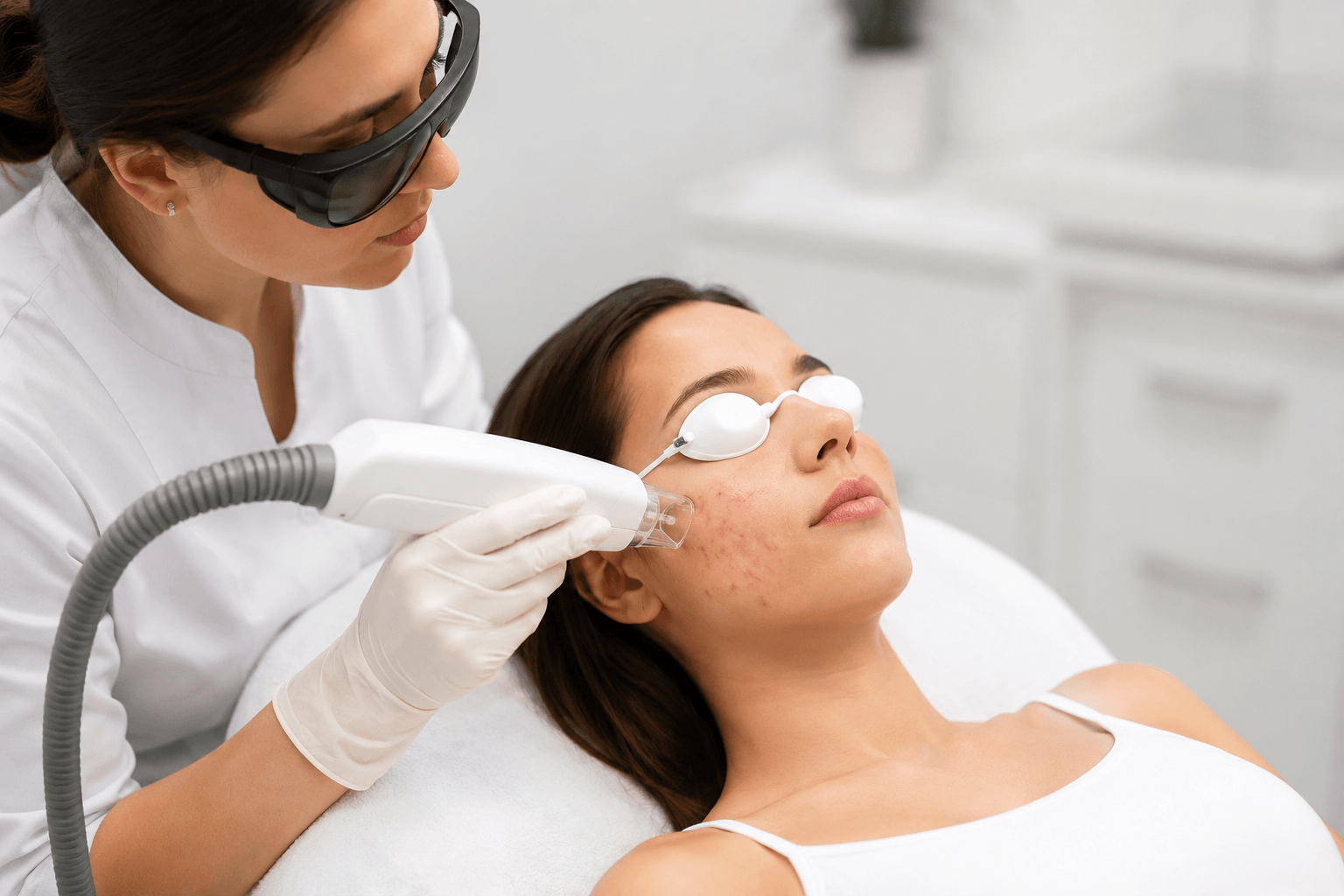
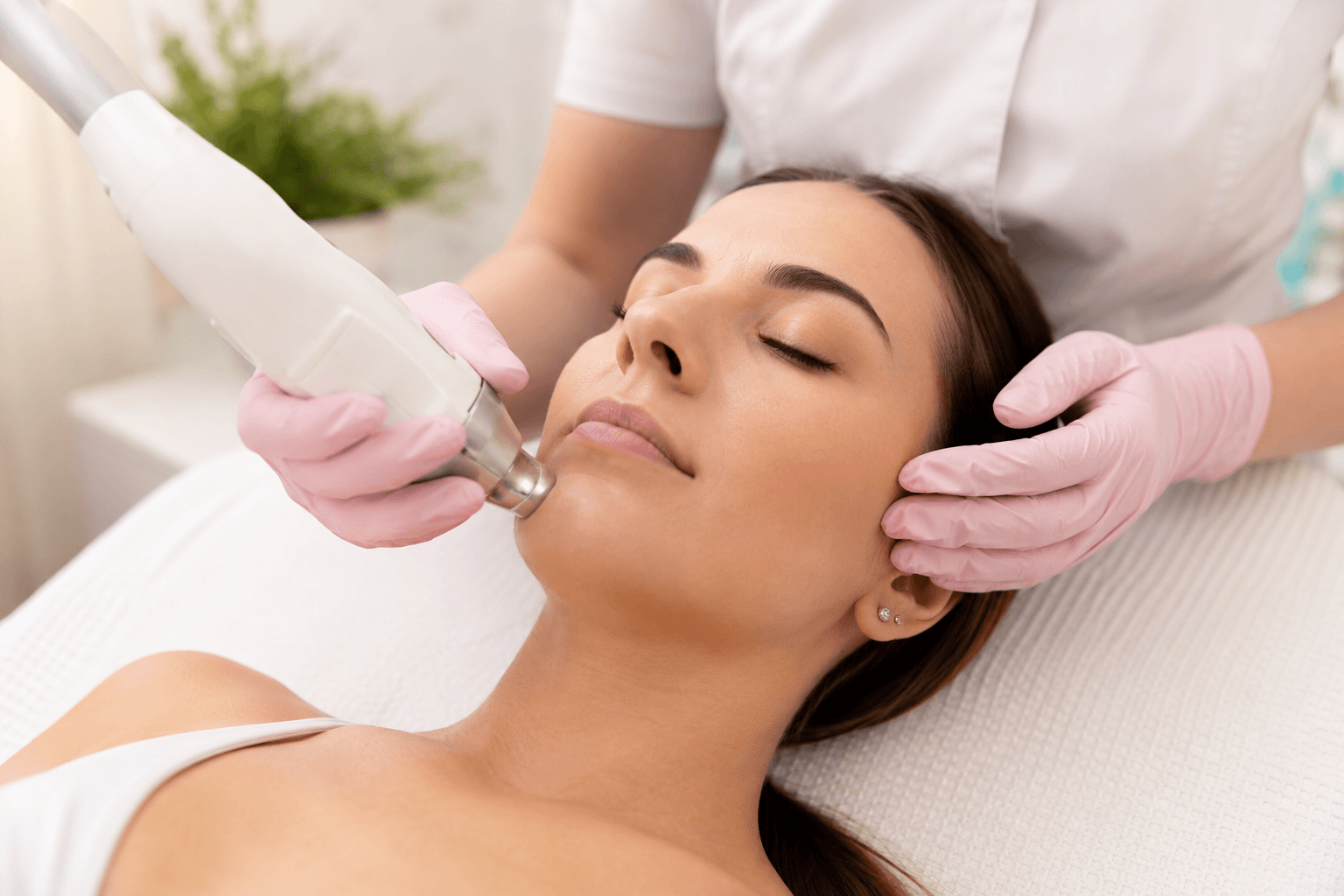
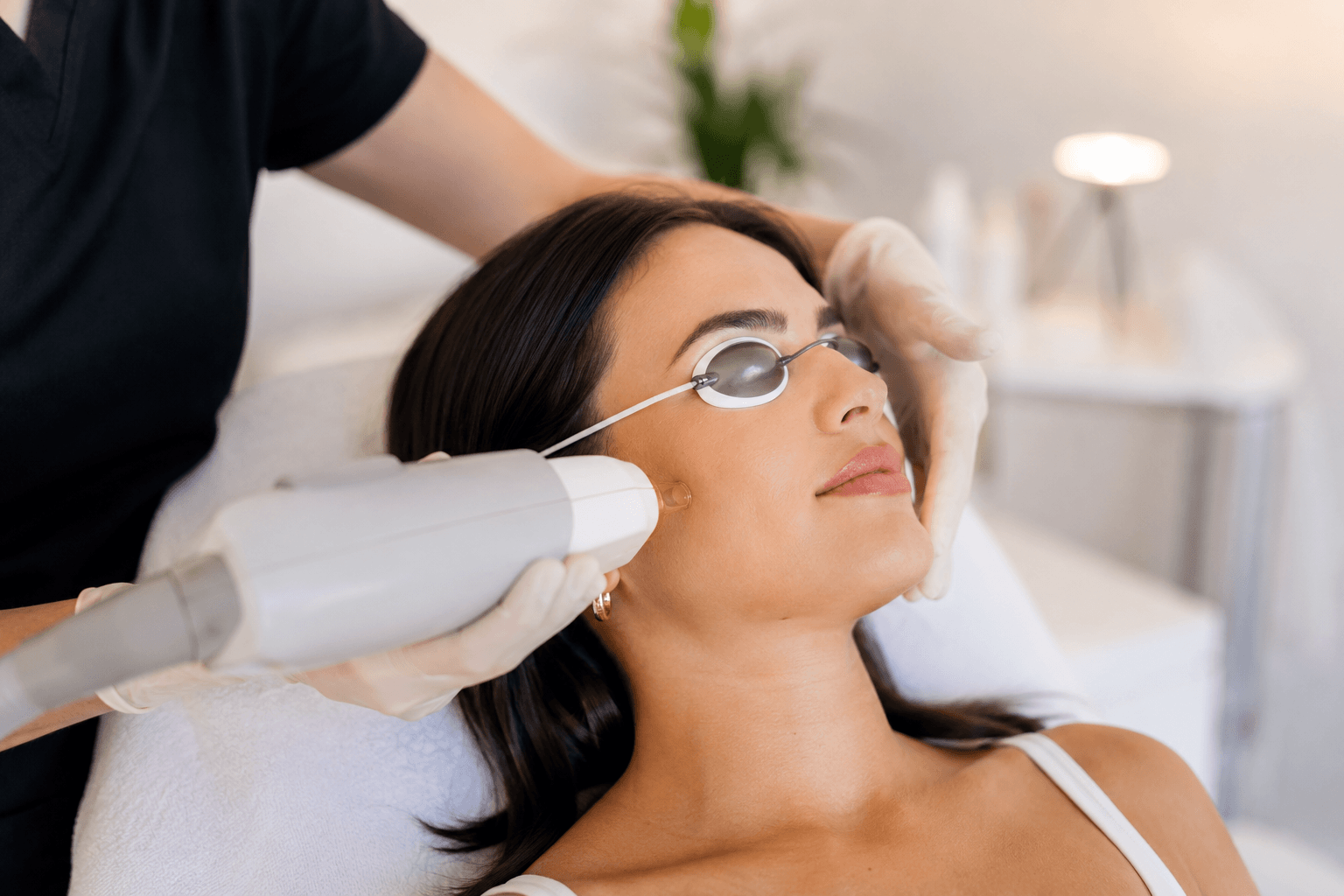
Laser treatment works differently. Instead of removing the hair itself, it targets the pigment inside the hair follicle with concentrated light energy, damaging the follicle's ability to produce new hair. This is why laser facial hair removal in Rockwall is considered a longer-term solution rather than a quick fix. It is not simply managing the symptom, it is reducing the hair growth at its source over a series of sessions.
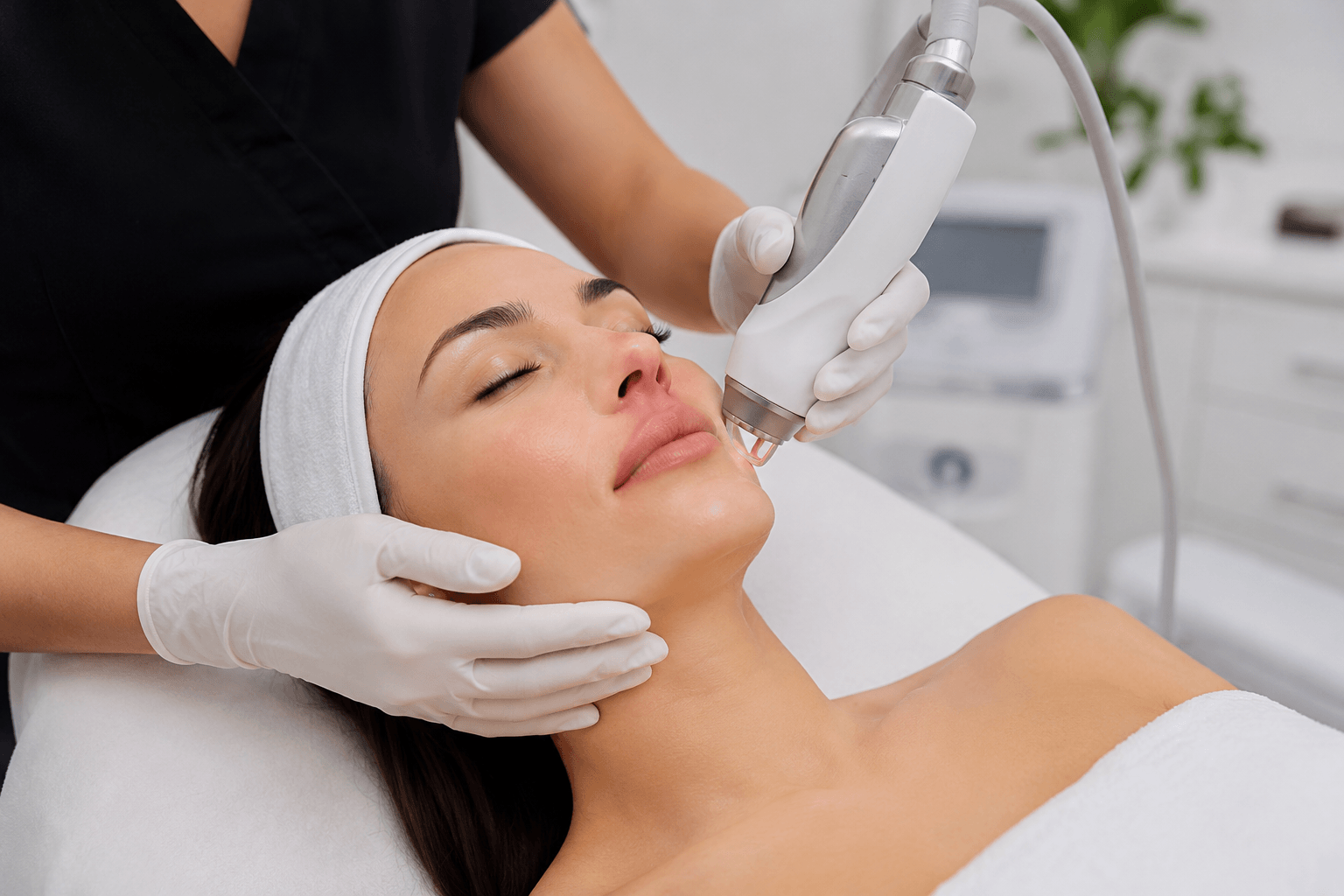
During a session, a handheld laser device delivers pulses of light directly to the treatment area. The pigment in the hair follicle absorbs this light, converting it to heat that disables the follicle. Because hair grows in cycles, and laser is most effective on follicles that are actively growing, a series of treatments spaced several weeks apart is needed to catch hair in its various growth phases.
Most women describe the sensation as a quick warm snap, similar to a rubber band flick, and treatments on areas like the upper lip or chin are typically finished in just a few minutes.
Candidacy depends on a few factors, and this is exactly why a professional consultation matters so much. Hair color and skin tone both influence how the laser interacts with the follicle, since the technology relies on contrast between pigment in the hair and the surrounding skin. Darker, coarser hair tends to respond especially well, while very light blonde, gray, or red hair can be more difficult to treat effectively.
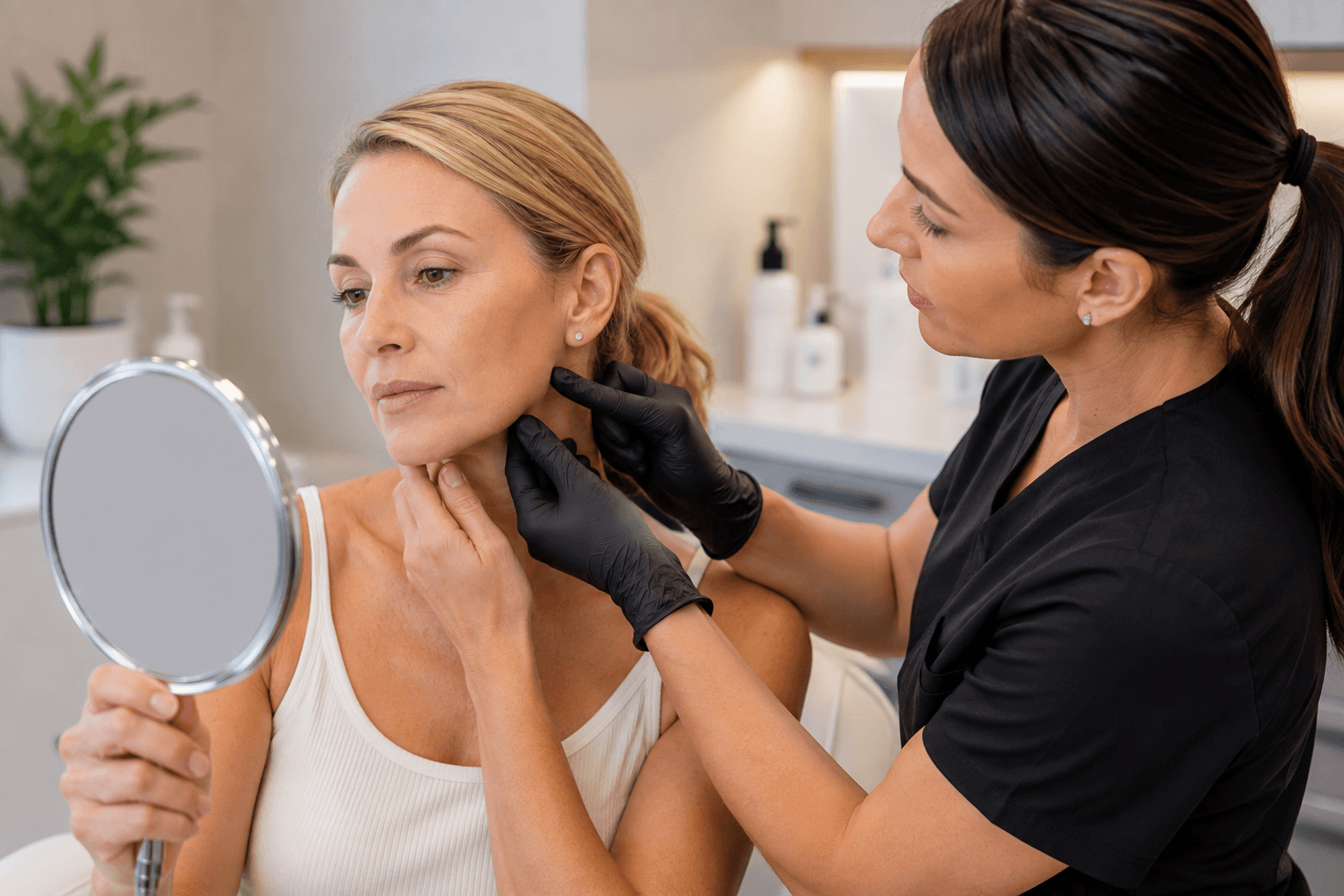
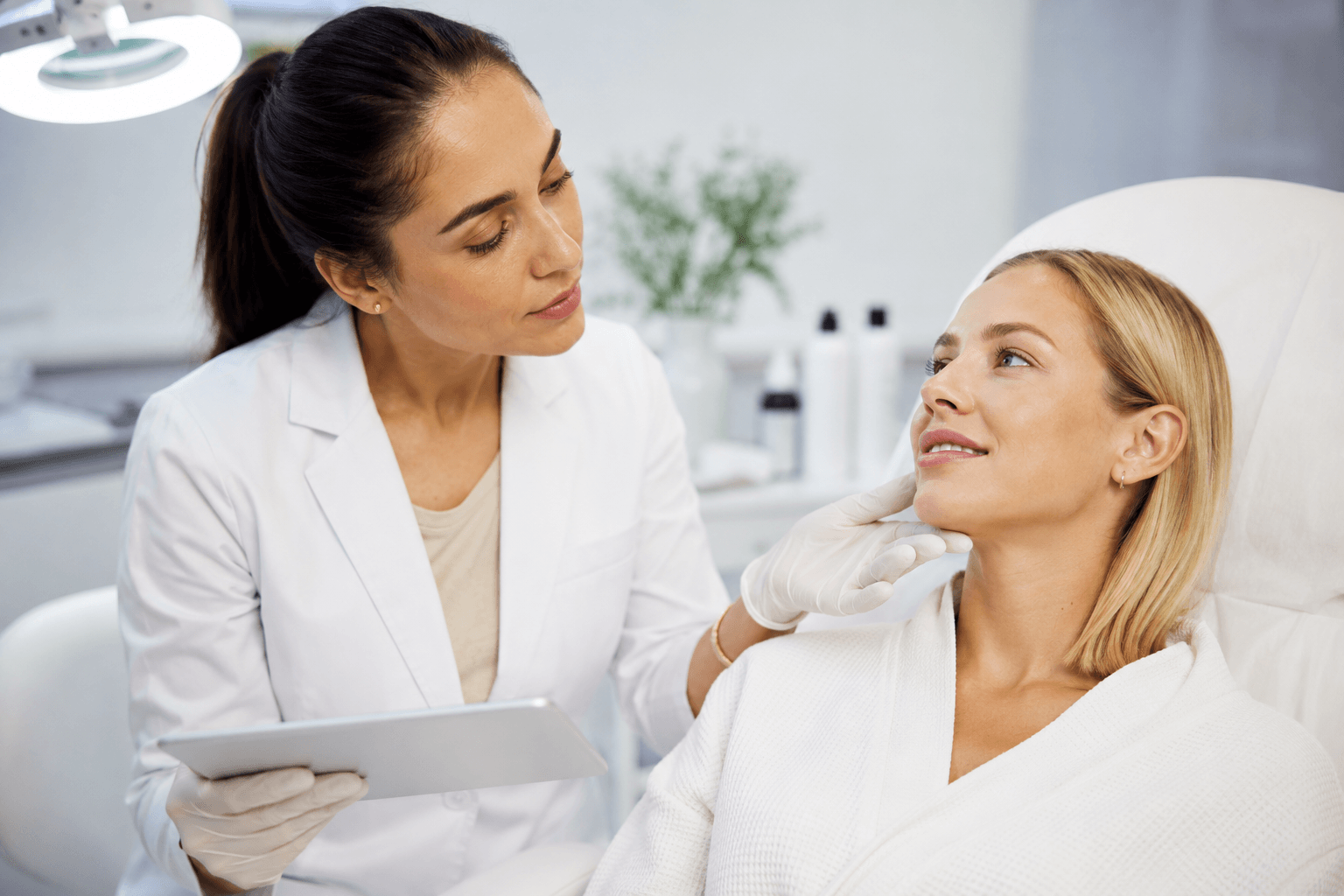
The team at ABA Aesthetics Medspa evaluates your skin tone, hair color, and hair growth pattern before recommending a treatment plan, which is part of why so many clients feel confident booking their first session rather than guessing whether laser will work for them.
A typical laser facial hair removal series involves multiple sessions, often spaced four to six weeks apart, to target hairs across their different growth cycles. Many women notice softer, sparser regrowth after just a couple of sessions, with more significant reduction as the series continues.
Downtime is minimal. Some mild redness or warmth in the treated area is common immediately afterward, similar to a light sunburn, and typically fades within a few hours. Sun protection is recommended in the days following treatment to protect the skin as it heals. You can browse real client results on the before and after page to see what a treatment series can look like over time.
Facial hair removal is personal, and doing it in a clinical, judgment-free environment matters. Rockwall women who choose a dedicated aesthetic clinic over at-home devices or generic salon treatments often say the same thing: they wanted trained professionals who understood their skin, their concerns, and their goals, not just a quick service.
At ABA Aesthetics Medspa, facial hair removal Rockwall clients trust comes from a team that takes the time to assess your unique combination of hair type and skin tone before ever picking up a laser. You can explore the full facial hair removal service page to understand what a treatment plan involves, or browse the unwanted facial hair concern page if you are still trying to understand your specific situation. For those curious about other options, the full menu of services offers a broader look at what is available beyond hair removal alone.
Unwanted facial hair does not have to be something you manage in secret with tweezers and good lighting. Whether your hair growth is simply written into your genes or you are working through a hormonal question with your doctor, there is a cosmetic path forward that does not involve a daily battle in the mirror. Facial hair removal in Rockwall through a series of professional laser treatments offers a real, lasting reduction, handled by a team that treats the process with the sensitivity it deserves.
If you are ready to talk through your options, reach out to the team at ABA Aesthetics Medspa to schedule a consultation. For additional reading on this topic, this related article on facial hair removal and PCOS in Rockwall offers more insight into the hormonal side of things.
Is unwanted facial hair in women always caused by a hormonal condition? No. Genetics, ethnic background, and normal hormonal changes with age are common, non-medical causes. Hormonal conditions like PCOS are one possible cause among several, which is why a doctor's evaluation is helpful if you notice sudden changes.
How many sessions of laser facial hair removal are usually needed? Most treatment plans involve a series of sessions spaced several weeks apart, since hair grows in cycles and laser works best on actively growing follicles. Your provider will outline a personalized plan based on your hair and skin type.
Does facial hair removal in Rockwall work for all skin tones? Modern laser technology can treat a wide range of skin tones, though hair color and skin tone both factor into the treatment plan. A consultation helps determine the most effective approach for your specific combination.
Is laser facial hair removal painful? Most clients describe a brief warm or snapping sensation rather than significant pain. Sessions on smaller areas like the upper lip or chin are quick and generally well tolerated.
Should I see a doctor before getting laser hair removal? If your facial hair appeared suddenly, is accompanied by irregular periods, acne, or other symptoms, it is worth speaking with your physician first. If your hair growth has been gradual and consistent over time, laser treatment can typically be scheduled as a cosmetic service without a medical referral.
How long do results from laser facial hair removal last? Many clients enjoy long-term reduction in hair growth after completing a full treatment series, though occasional maintenance sessions may be recommended since hormonal changes over time can influence regrowth.
This article was updated in August 2026 to reflect the latest information on facial hair removal in Rockwall, Texas.
































.jpg)




.jpg)
.jpg)


