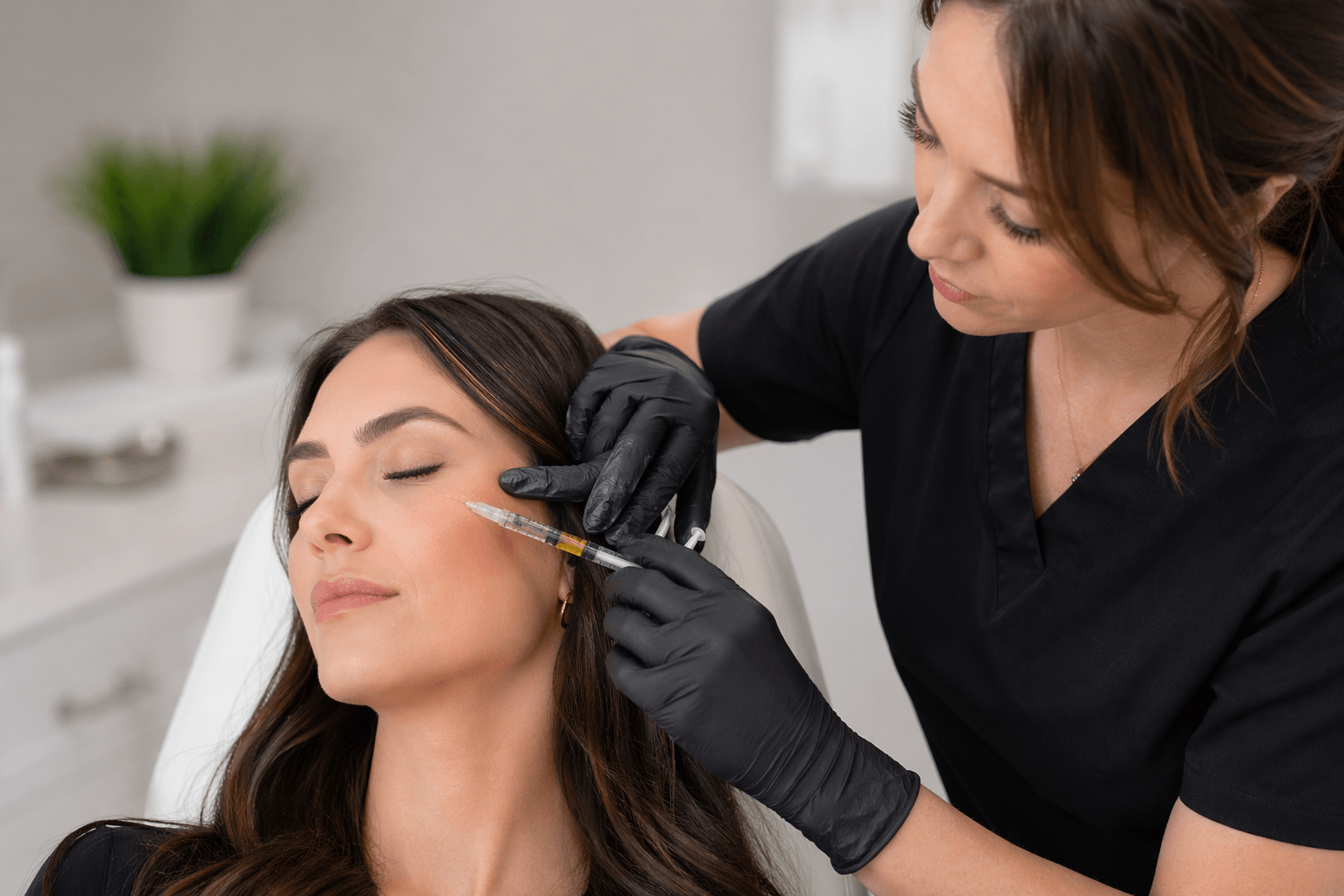
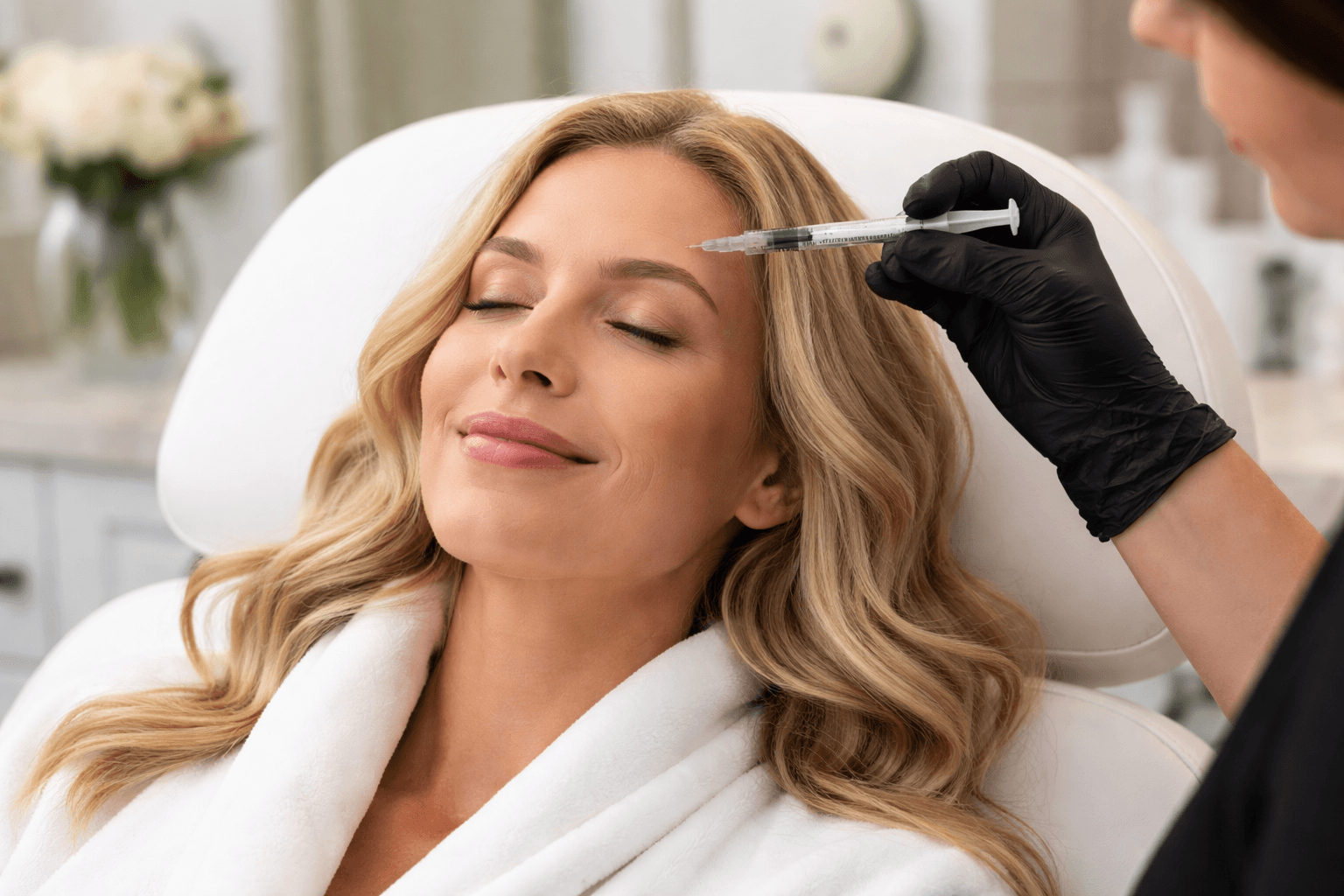
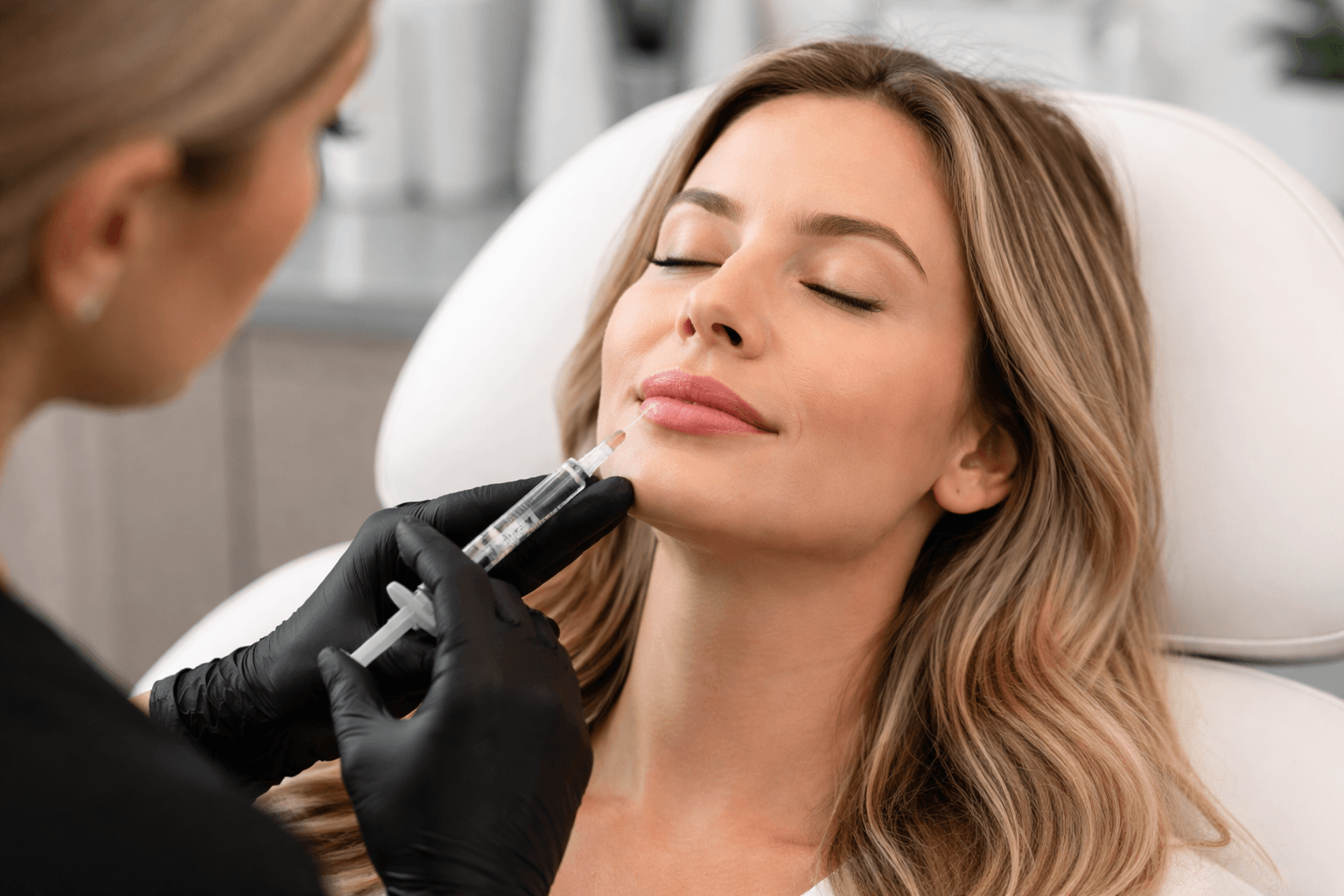
Dermal fillers can be a safe option for many adults when they use an FDA-approved product, are injected by a trained, licensed provider, and follow a careful assessment of your anatomy and goals. They are not risk-free at any age. Most side effects are mild and temporary, but rare complications, including blocked blood vessels, can be serious. If you are in your twenties and curious about lip, chin, or cheek filler in Rockwall, Texas, the most important decisions you will make are who injects you, what product they use, and whether filler is the right tool for your goal at all.
Social media has made filler feel as casual as a manicure. This guide is here to give you the information your feed usually leaves out.
For many Gen Z and younger millennial patients, the interest has less to do with aging and more to do with proportion and balance. Common goals include:
These are valid goals. The challenge is that filmed "glow-up" content rarely shows the consultation, the risks, the product used, or what the result looks like a year later. That is where a thoughtful conversation matters.
Dermal fillers are injectable gels placed beneath the skin to add volume, shape, or structure. The most common type is made from hyaluronic acid, a sugar molecule your body already produces that helps hold moisture in the skin. Other fillers work differently. For example, Radiesse is a calcium hydroxylapatite-based filler that adds volume and also stimulates collagen, and Sculptra uses poly-L-lactic acid to encourage gradual collagen production.
This distinction matters for younger patients because hyaluronic acid fillers can usually be dissolved with an enzyme called hyaluronidase, while collagen-stimulating fillers cannot.
You can see the range of options on our dermal fillers service page.
The FDA lists common side effects of dermal fillers as bruising, redness, swelling, pain, tenderness, itching, and rash. Less common issues include bumps or nodules, infection, and allergic reactions.
The most serious risk is accidental injection into a blood vessel. When filler blocks blood flow, it can damage the skin and surrounding tissue. In rare cases, it can affect vision, including blindness, or cause a stroke. These events are uncommon, but they are the reason filler should never be treated as a casual cosmetic purchase.
Contact your provider and seek urgent medical care right away if you notice any of the following after filler:
A trained injector should be able to explain how they reduce these risks and what their plan is if a complication occurs.
These devices are marketed online as a painless way to inject filler. The FDA has warned that needle-free devices are not approved for injecting hyaluronic acid or other fillers and has received reports of serious adverse events. No dermal fillers are approved for over-the-counter use or self-injection.
Products sold online may be counterfeit, contaminated, or not approved in the United States. A legitimate provider can show you the product packaging and tell you exactly what was used.
A lip shape that looks striking on someone else may not suit your face. Overfilling can lead to an unnatural look, and some people notice filler spreading beyond the intended area over time. A careful injector works with your natural proportions and is comfortable saying "less is more."
FDA approvals for most dermal fillers are for adults age 22 and older. That does not mean every 22-year-old is a good candidate, and it does not mean you need filler at all. If you are unsure, it is perfectly reasonable to wait.
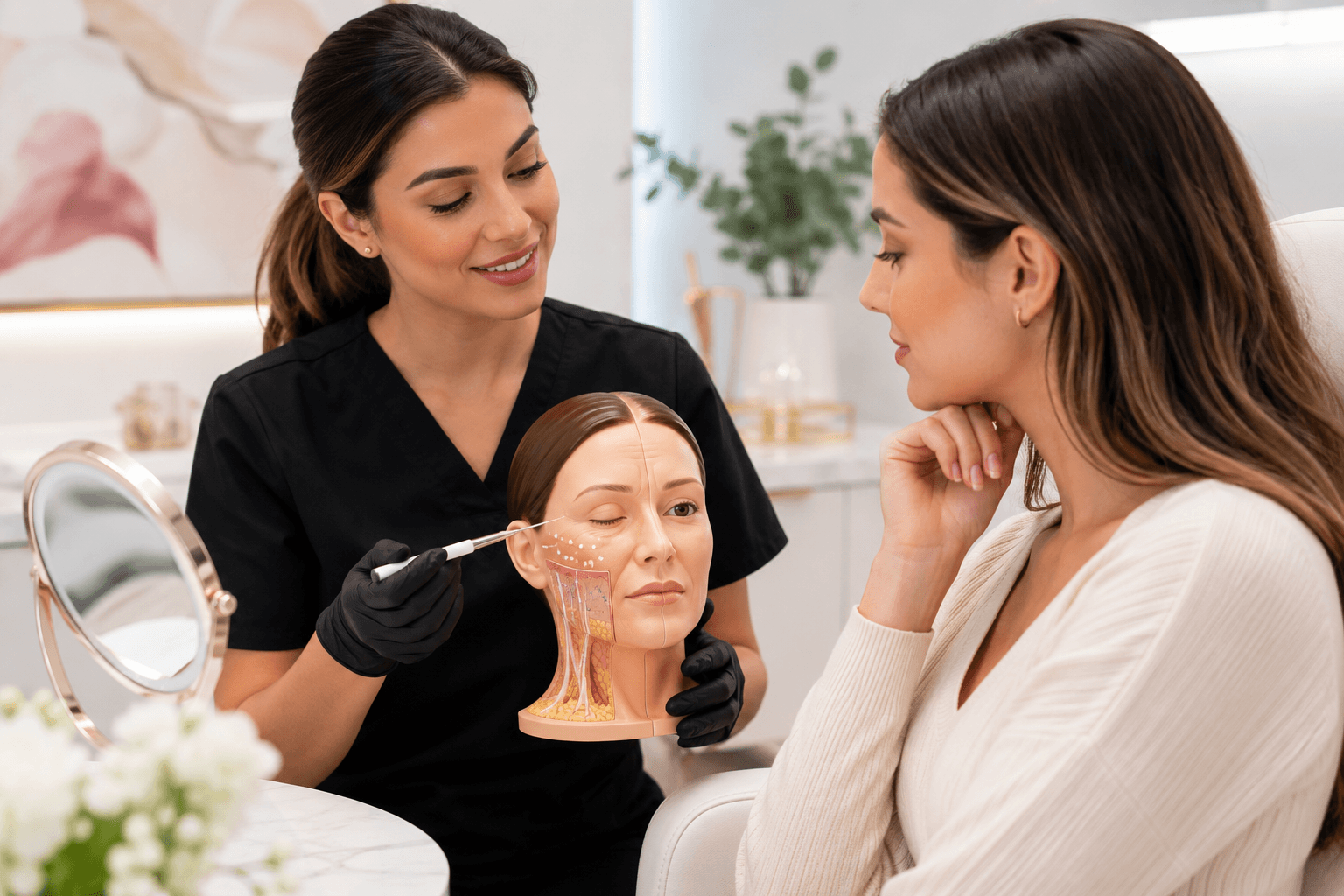
Use these questions during your consultation:
ABA Aesthetics Medspa is led by founder Aymen Ibrahim, MSN, AGPCNP-C, and recommendations are made after a comprehensive assessment. You can read more about our approach on our About Us page.
This is one of the most practical reasons many younger patients prefer hyaluronic acid filler for their first treatment. When hyaluronic acid filler causes lumps, asymmetry, or an overfilled look, it can usually be broken down with hyaluronidase. ABA offers filler dissolving for hyaluronic acid-based fillers, typically in a short appointment with minimal downtime.
Keep in mind that dissolving is a correction tool, not a casual undo button. It is still an injection with its own considerations, and it does not work on calcium hydroxylapatite or poly-L-lactic acid fillers.
Yes. If you want subtle improvement but are not ready for injectable filler, ask about LipLase. It uses Fotona laser heat to stimulate collagen in and around the lips, and improvement builds gradually over a series of sessions. It will not create the same immediate volume as filler, but it may suit someone who wants a softer, more gradual change.
If thin lips or uneven shape is your main concern, our thin lips and asymmetry concern page explains the options in more detail. Many patients also wonder whether they need filler or a neurotoxin. Our guide to neurotoxins vs. dermal fillers breaks down the difference.
Most FDA approvals for dermal fillers are for adults age 22 and older. Beyond age, a provider should consider your anatomy, goals, health history, and whether filler is truly the best option for your concern.
It depends on the product and the area treated. Hyaluronic acid fillers commonly last several months to more than a year. Lip filler often wears down sooner than filler in areas with less movement.
Many fillers contain a local anesthetic, and your provider may use additional numbing. Most people describe pressure and mild discomfort rather than significant pain. Swelling and tenderness for a few days are common.
Hyaluronic acid fillers can usually be dissolved with hyaluronidase. Calcium hydroxylapatite and poly-L-lactic acid fillers cannot be dissolved, which is why they are often reserved for patients with specific goals.
Plan ahead. Bruising and swelling can last several days, so many providers recommend scheduling at least two weeks before an important event. That also leaves time for follow-up if an adjustment is needed.
Dermal fillers can be a thoughtful choice when they enhance your features rather than replace them. The best first step is not booking a syringe. It is a conversation with an experienced provider who will tell you honestly whether filler fits your goals, your anatomy, and your timing.
If you are curious about dermal fillers in Rockwall, Texas, contact ABA Aesthetics Medspa to schedule a consultation. You can also browse our before-and-after gallery or visit our homepage to learn more.