
.png)


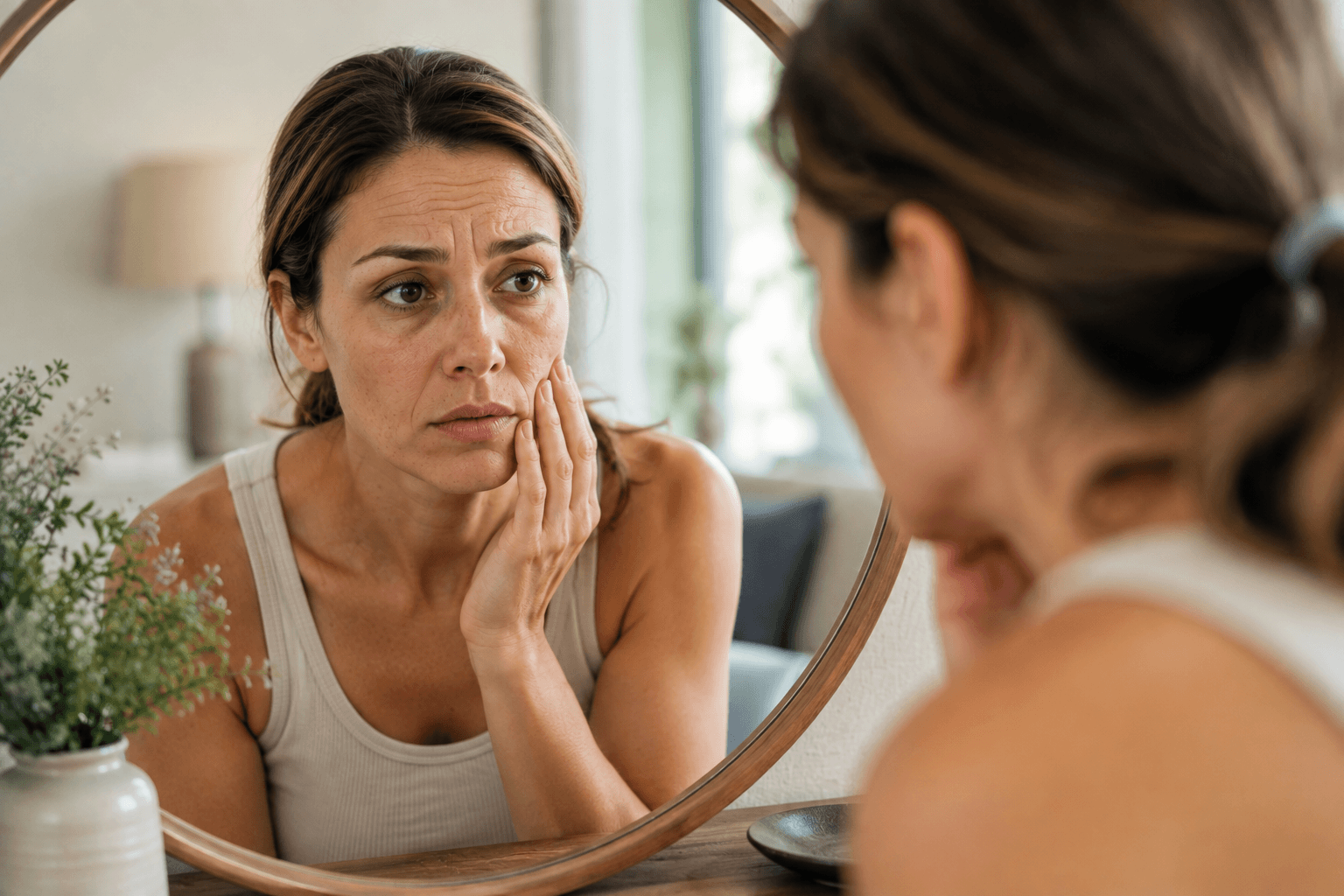
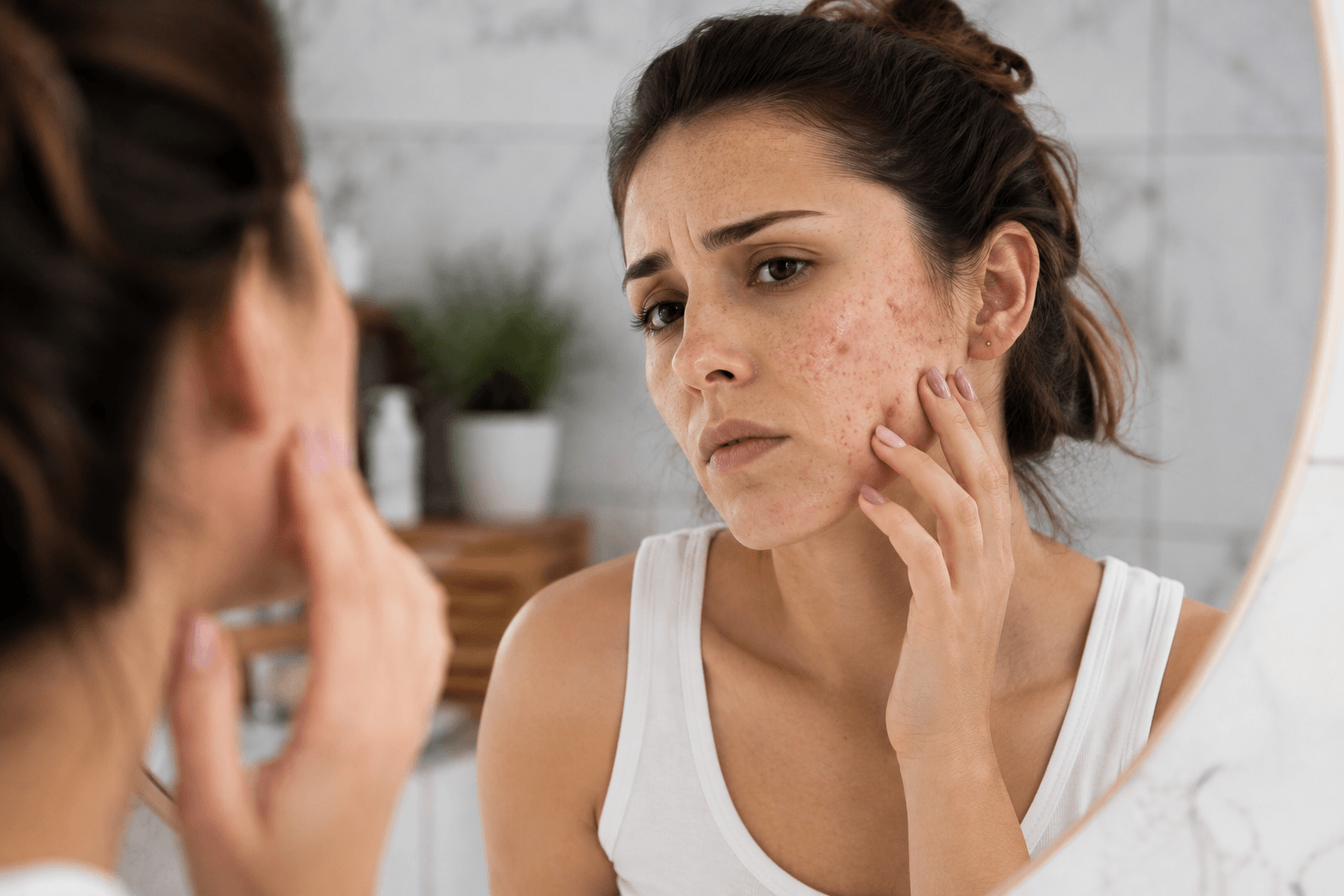
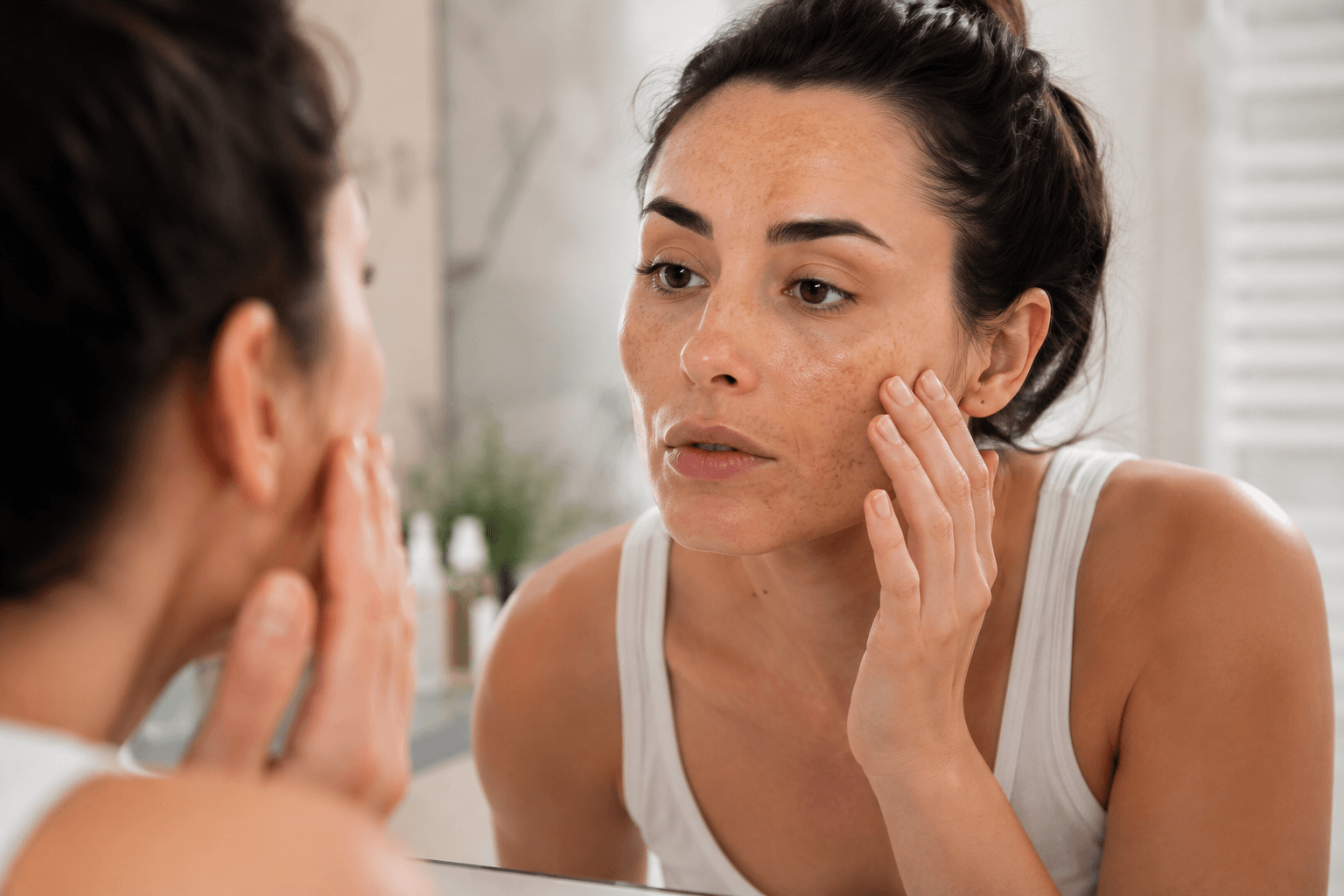
You get a full night's sleep. You feel great. And yet the mirror tells a different story, one with hollow cheeks, a slightly sunken look under the eyes, and a face that just seems tired. If that sounds familiar, you're not imagining it, and it's not really about sleep at all. It's about something happening beneath the surface of your skin that starts long before most people notice it: the slow, steady loss of collagen and facial volume that comes with age.
This is one of the most misunderstood parts of the aging process. People chase concealer, better sleep, and skincare routines when the actual cause is structural. Your face is quite literally losing its scaffolding. Understanding why this happens is the first step toward doing something meaningful about it, and for many people in Rockwall, that solution has a name: Sculptra in Rockwall patients are increasingly turning to as a way to rebuild what time has taken, gradually and naturally.
Facial aging isn't just about wrinkles. It's about architecture. Underneath your skin sits a complex support system made up of collagen, elastin, fat pads, and bone, and every layer of that system changes as you get older.
Collagen is the structural protein that keeps skin firm, plump, and resilient. Most people assume collagen loss is a concern for their 50s or 60s, but the decline actually begins far earlier. Research on skin aging, including work referenced by the American Academy of Dermatology, points to collagen production dropping by roughly one percent each year starting in your mid-20s to early 30s. By the time you reach your 40s, that decline becomes visible: less bounce, less structural support, and a face that doesn't hold its shape the way it used to.
Your face contains distinct pockets of fat that give youthful cheeks their roundness and support the under-eye area. As we age, these fat pads don't just shrink, they also shift downward and unevenly. That's part of why some people notice hollowing in one area of the face while another area seems to sag or become fuller. It's not always symmetrical, and it's rarely something you can fix with skincare alone.
As collagen and elastin decrease and fat pads redistribute, the skin itself loses its underlying support system. It's a bit like a couch losing its cushioning. The upholstery might still look fine on the surface, but without the structure underneath, everything starts to sag and settle.
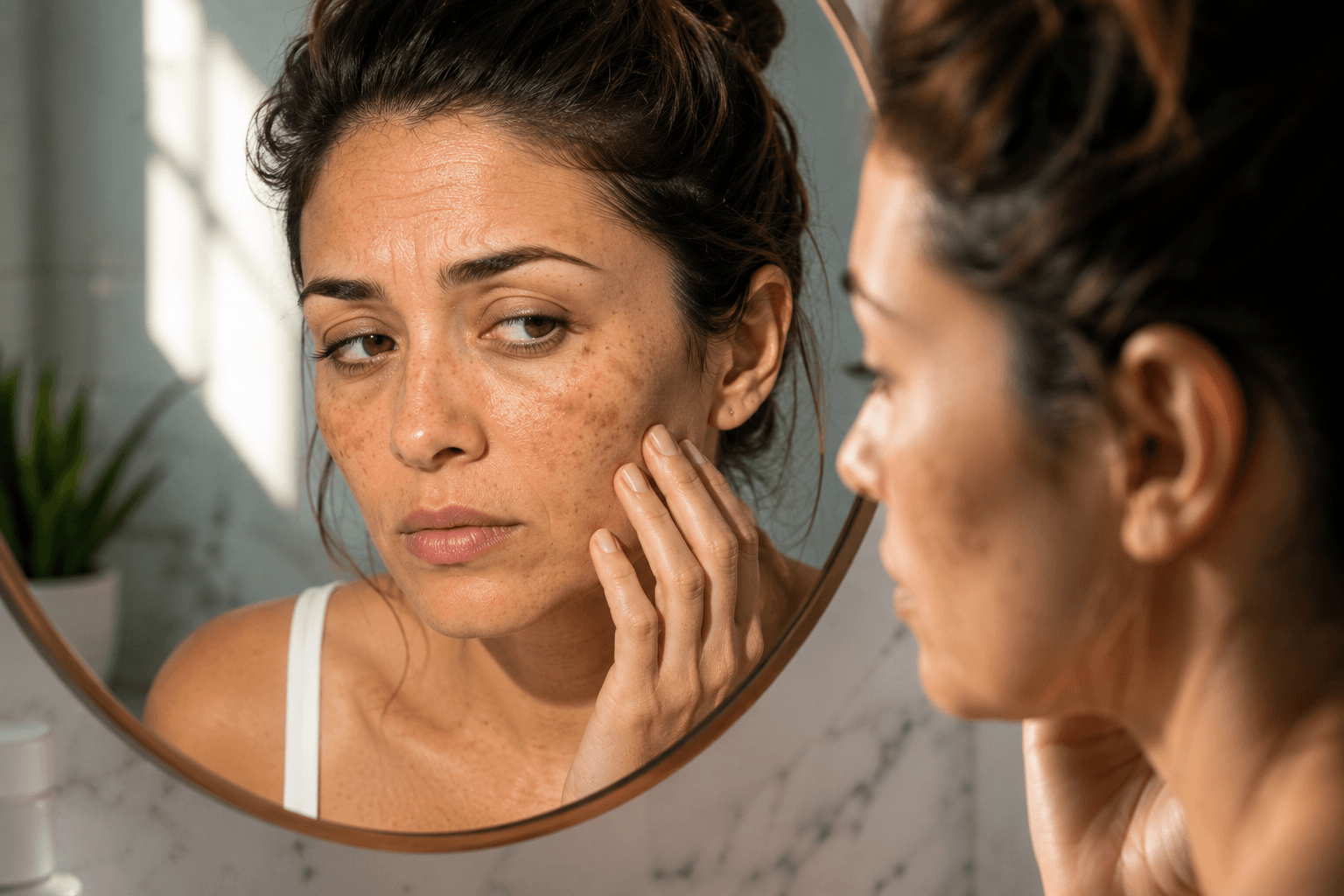
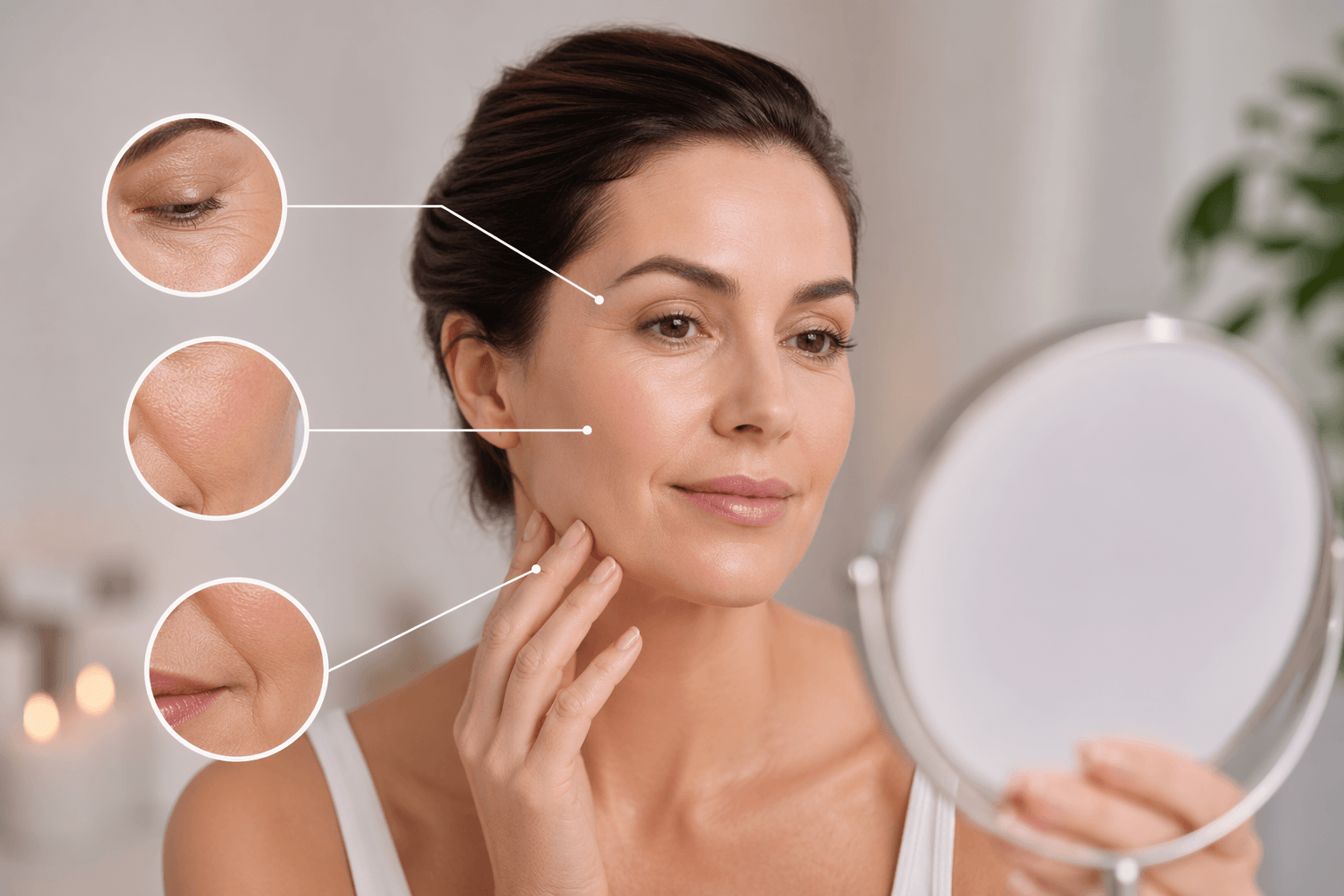
Volume loss rarely announces itself all at once. It shows up in small, easy-to-dismiss ways, which is exactly why so many people wait longer than they should to address it. You might notice:
These are classic early signs of aging tied to volume and collagen decline rather than fine lines or sun damage. Catching them early opens up more gentle, gradual treatment options before volume loss becomes more advanced.
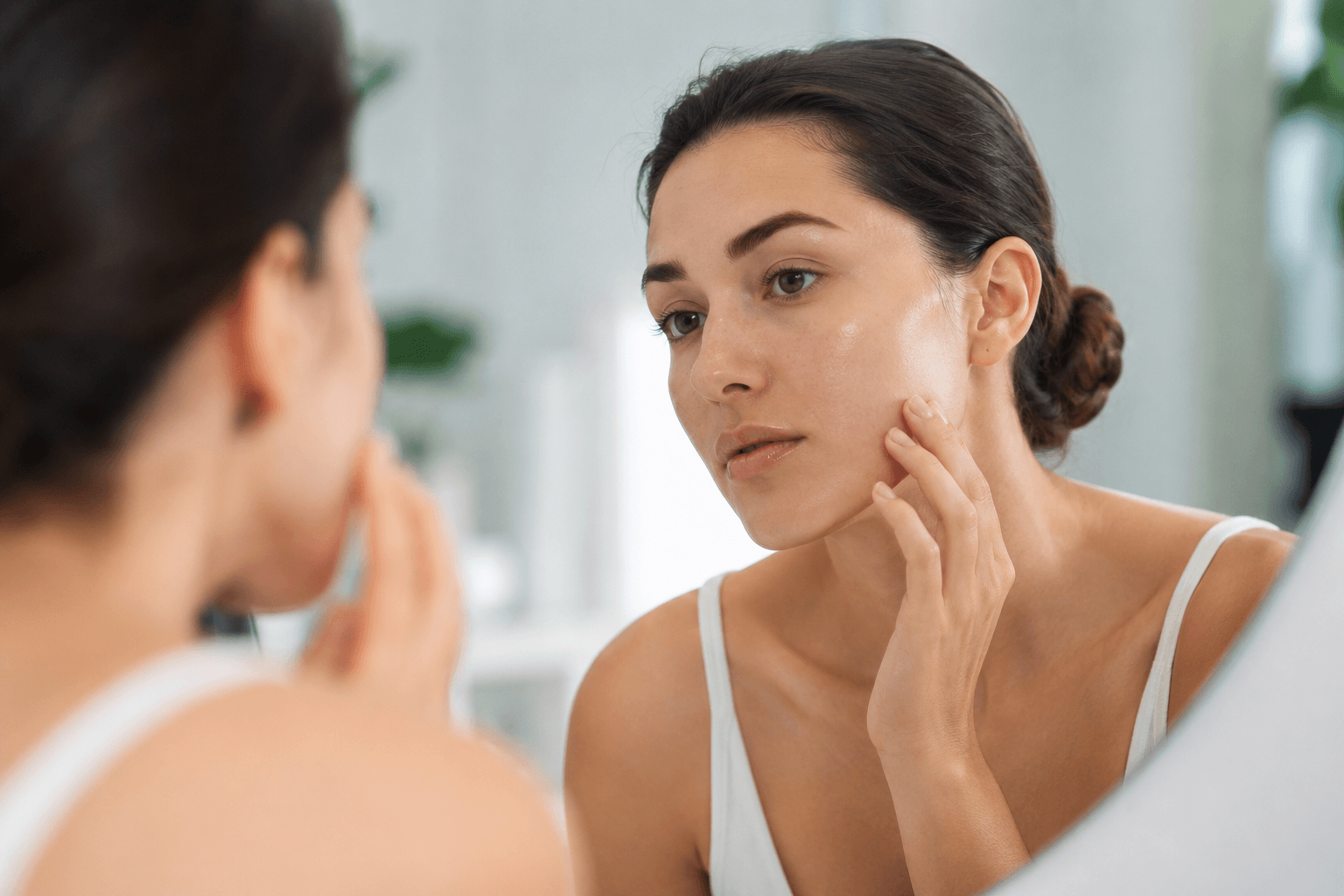
This is the part that catches most people off guard. Tiredness in the face isn't only about dark circles or puffiness. It's often about shadows. When cheeks lose their fullness and fat pads shift downward, they create subtle shadows around the eyes, along the nasolabial folds, and near the mouth. Your brain reads those shadows as fatigue, even when you feel perfectly rested.
This is also why some people say they don't look like themselves anymore, even though nothing dramatic has changed. Volume loss softens the contours that once defined your face, and the result is a look that feels vaguely diminished rather than obviously aged.
When people start researching solutions, they usually land on the term dermal fillers first. It's important to understand that not all injectable treatments work the same way.
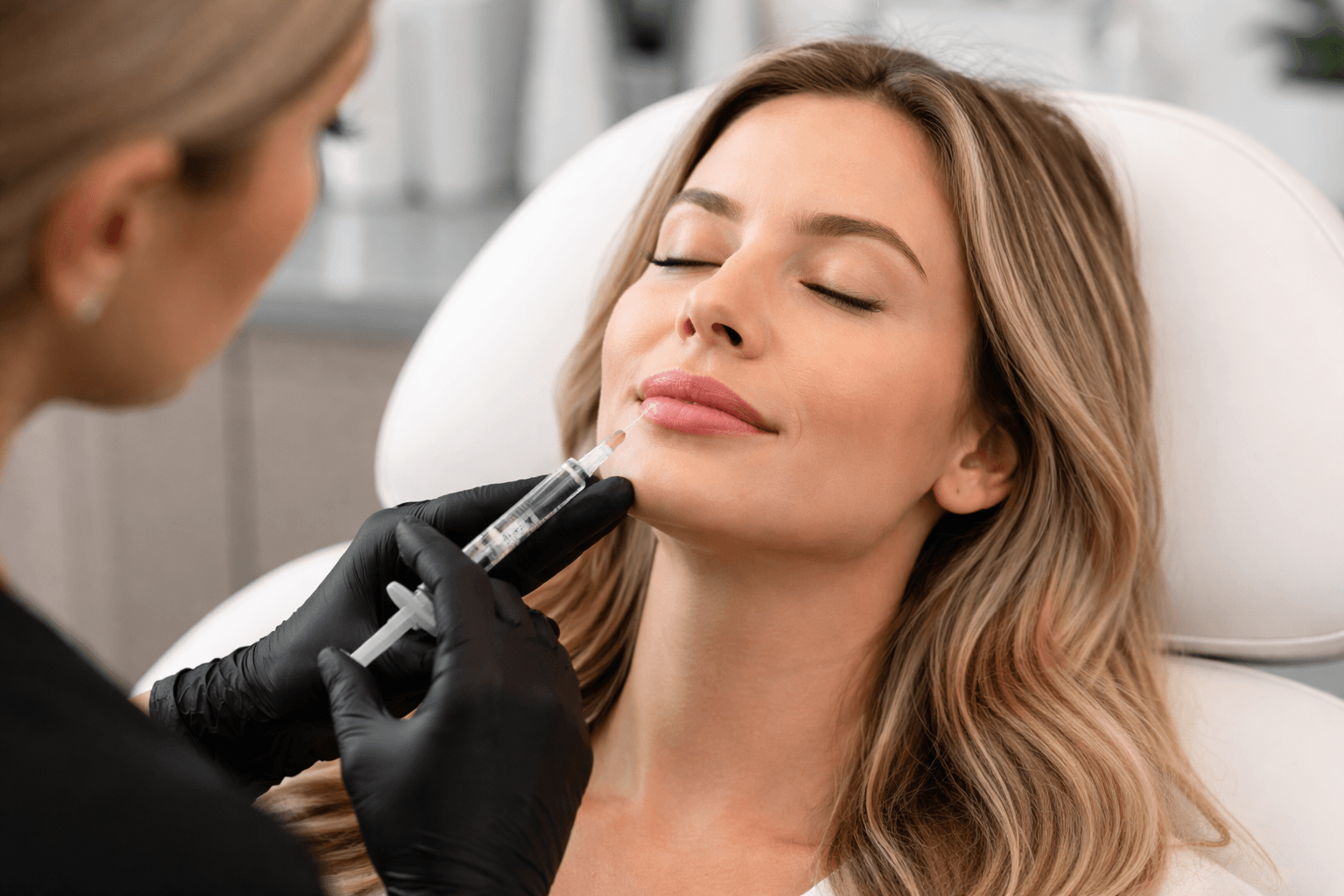
Traditional dermal fillers, most of which use hyaluronic acid, work by physically adding volume the moment they're injected. They plump the treated area immediately, and results are visible right away. These are excellent for targeted concerns like lips, cheeks, or specific lines, and ABA offers a full range of them for patients who want that instant, precise correction.
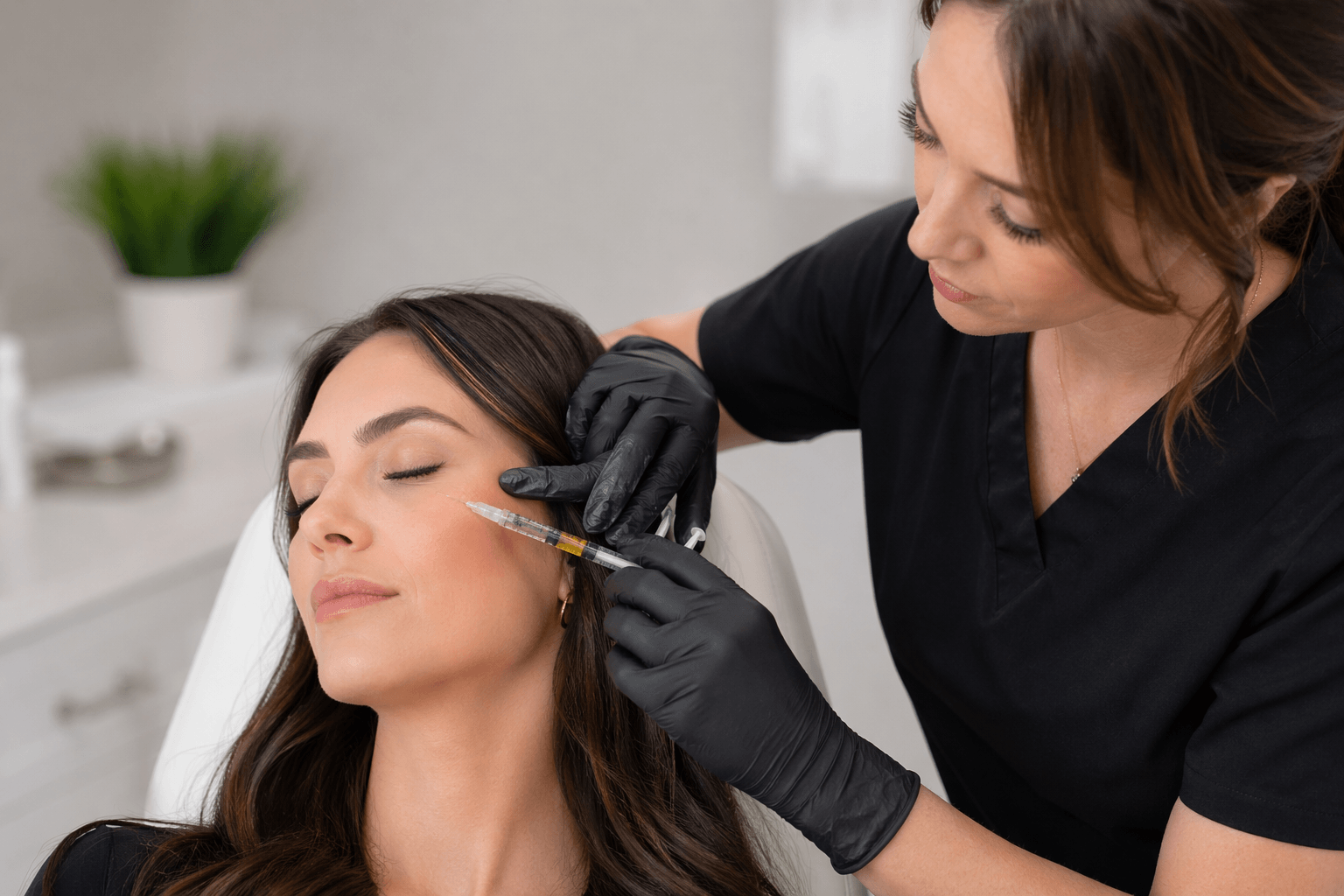
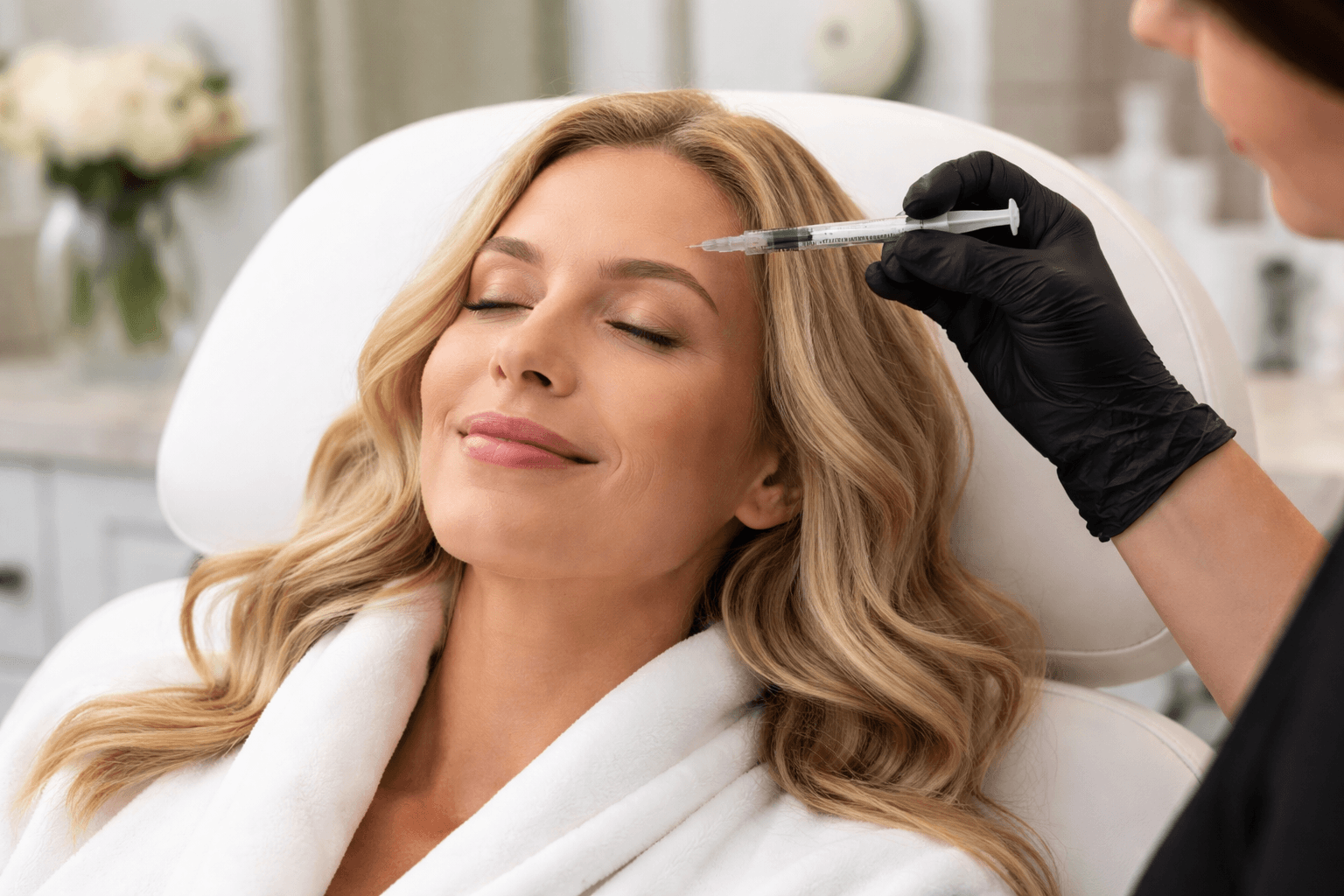
A collagen biostimulator works differently. Instead of simply filling space, it triggers your body's own collagen production over time. Sculptra falls into this category, and it's part of why it's often described less as a filler and more as a rebuilding process. Rather than an instant change, you get a gradual, natural-looking improvement in skin thickness and facial support as your own collagen regenerates.
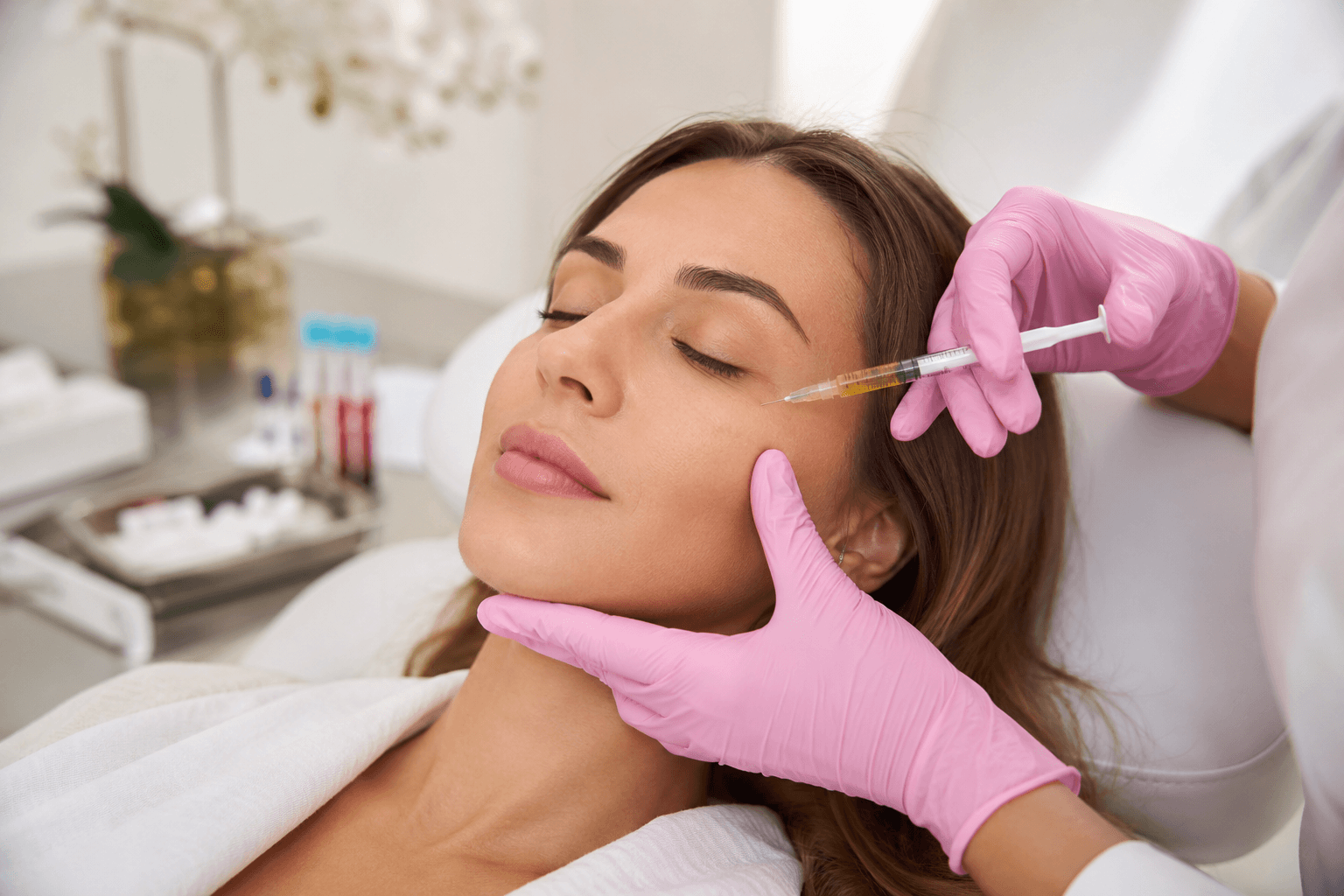
Sculptra is made from poly-L-lactic acid, a biocompatible substance that has been used safely in medicine for decades. Once injected, it works beneath the surface to stimulate your body's own fibroblasts, the cells responsible for producing collagen. Over the following weeks and months, your skin gradually thickens and firms up from within.
This is a meaningfully different approach compared to standard fillers, and it's what makes Sculptra Rockwall clients often describe as feeling more like a long-term investment in their skin than a quick fix. Because the results build slowly, there's no dramatic "overfilled" moment. Friends and family tend to notice you look refreshed and well rested, without being able to pinpoint exactly what changed. That subtlety is a major reason this treatment has become a favorite among patients who want elegant, believable results.
You can see the full details of how the treatment is administered and what to expect on the Sculptra service page, and browse real patient outcomes on the before and after gallery.
Sculptra tends to be an excellent fit for people who are noticing early to moderate volume loss rather than severe sagging, since it works gradually with the body's own collagen response. Good candidates often include those who:
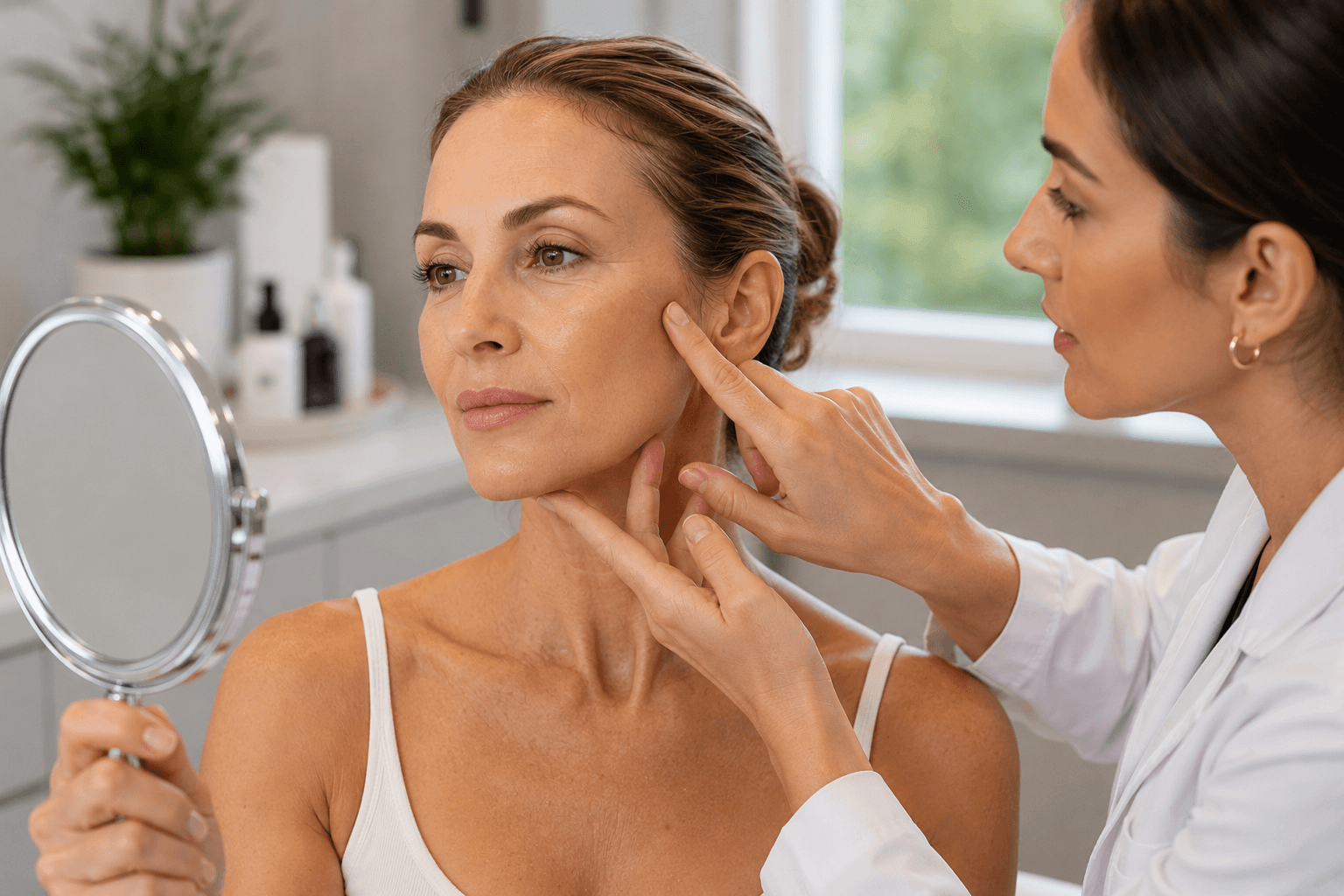
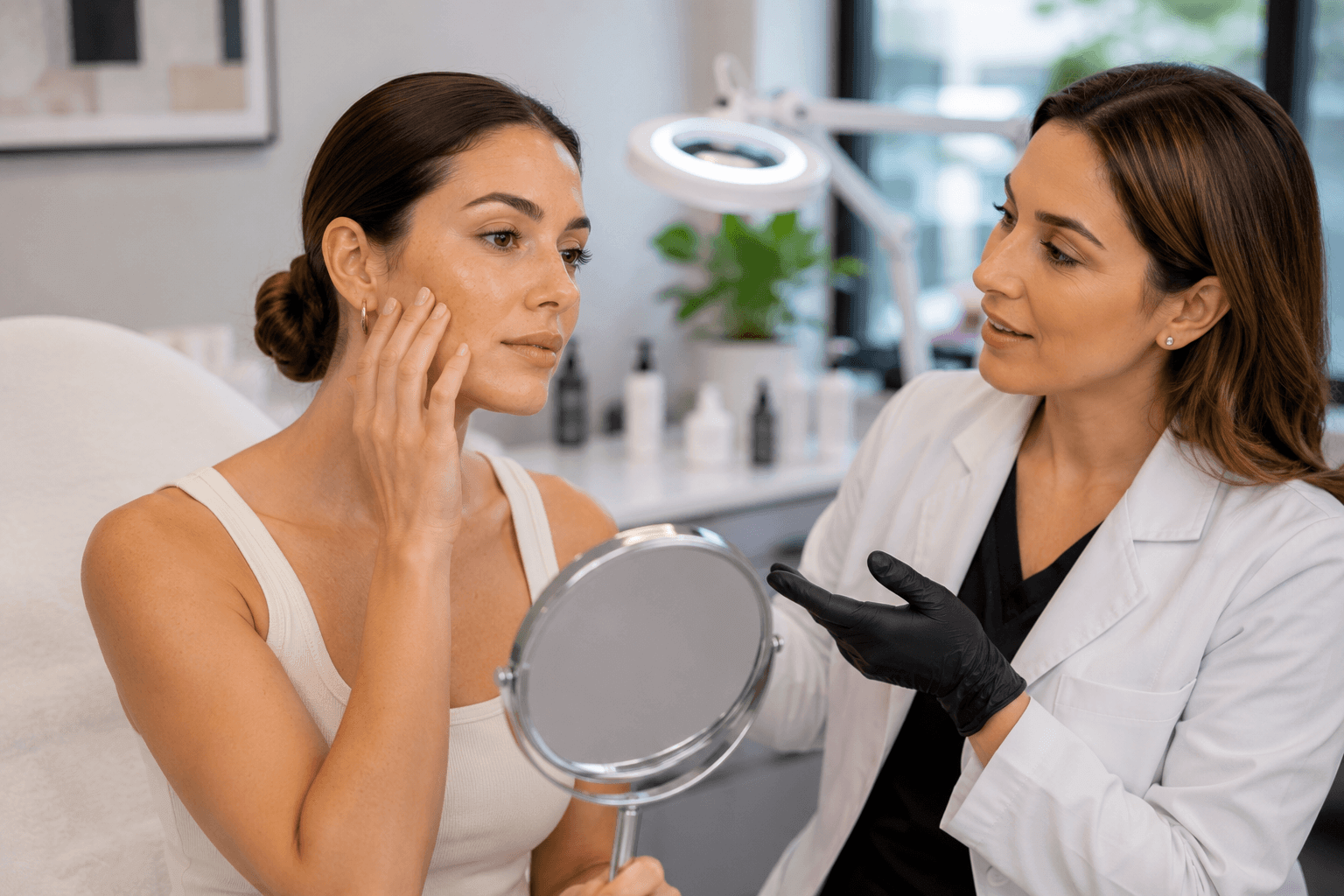
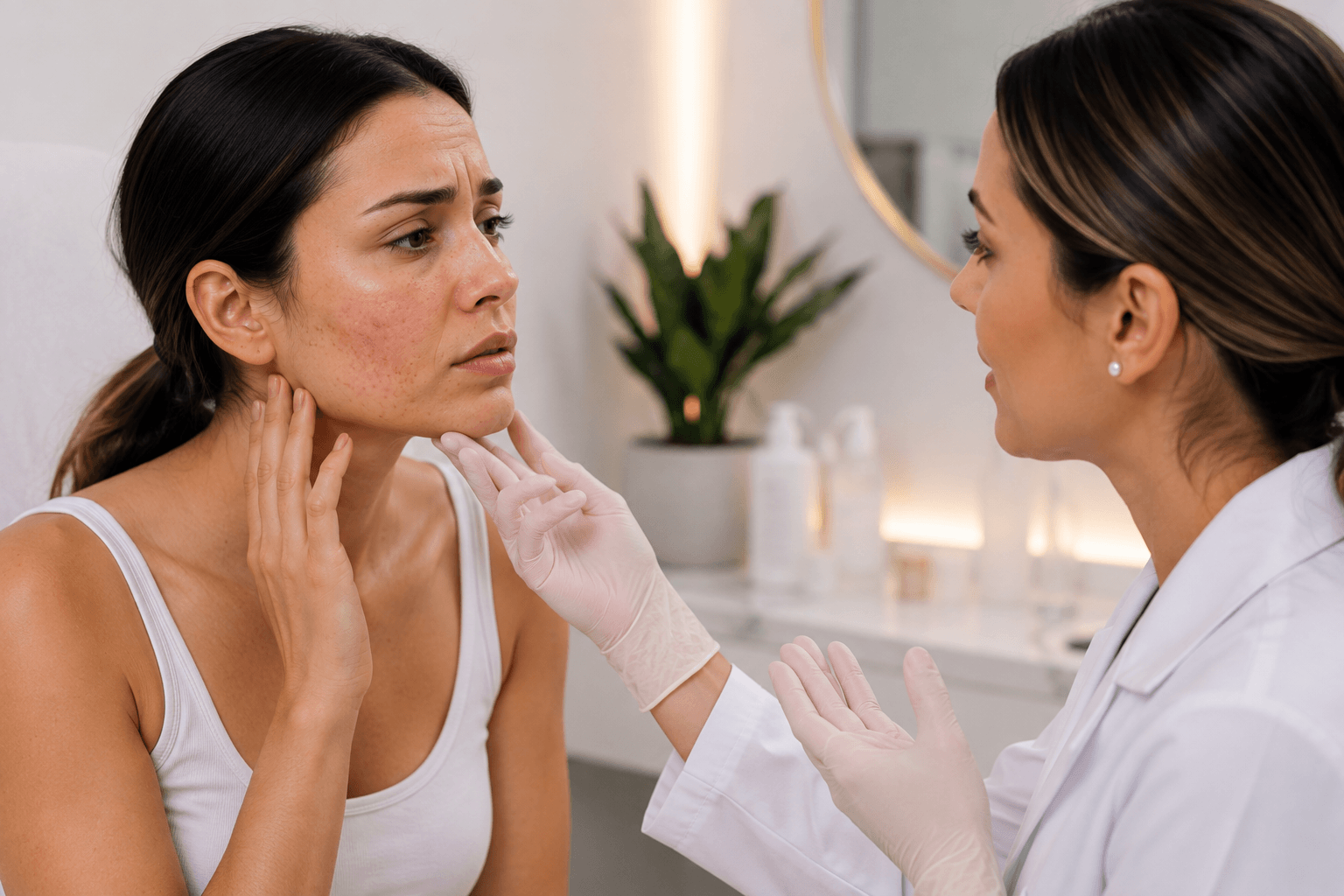
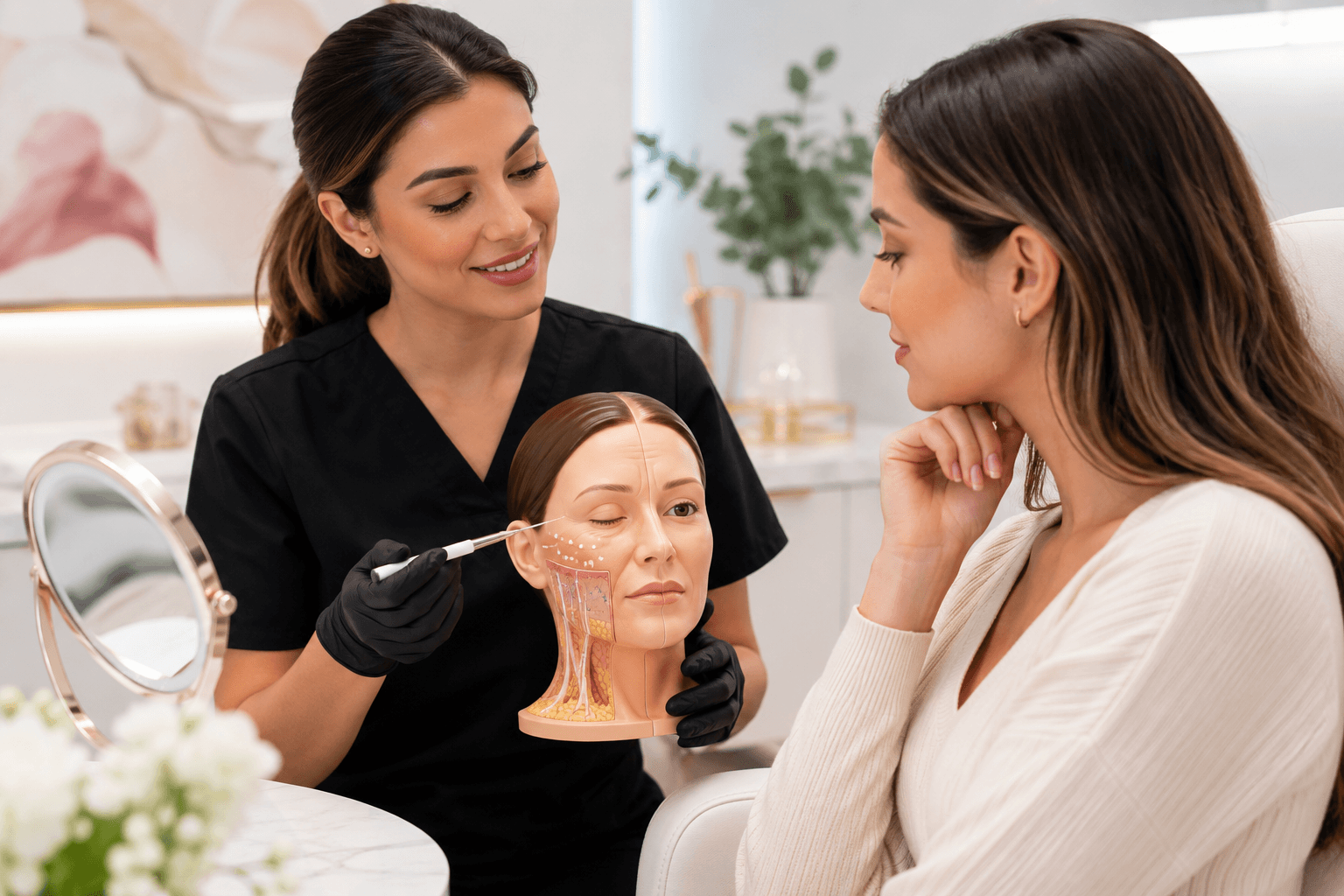
If you're dealing more with volume loss and facial sagging across broader areas of the face, Sculptra is often a better structural match than a single-syringe filler treatment. A consultation is really the only way to know for sure, since everyone's aging pattern, skin thickness, and goals are different.
Because Sculptra works with your body's own collagen production, patience is part of the process, and honestly, part of the appeal.
Sessions: Most treatment plans involve a series of sessions, typically spaced several weeks apart, depending on your individual volume loss and goals.
Weeks 1 to 4: You may notice some initial fullness right after treatment, which is largely from the injection process itself rather than collagen building yet. This settles within days.
Months 1 to 3: This is when the real transformation begins. Collagen production ramps up, and skin gradually starts to feel firmer and look more supported.
Months 3 to 6: Results become more visible and continue to build. Many patients say this is when people around them start commenting that they look rested or well, without being able to say exactly why.
Beyond 6 months: Full results are typically visible, and they tend to last significantly longer than traditional hyaluronic acid fillers, often up to two years or more, because you're not just adding volume, you're rebuilding structural collagen.
There's something distinctly Rockwall about wanting results that look natural rather than obvious. This community values authenticity, and that mindset shows up clearly in how local patients approach aesthetic treatments. Rather than chasing a dramatic overnight transformation, more people here are choosing gradual, collagen-based approaches that let them ease into a refreshed appearance.
It also helps that Rockwall's warm climate and active outdoor lifestyle mean sun exposure and lifestyle factors accelerate collagen breakdown a bit faster than in other regions. That makes proactive treatments like Sculptra especially relevant for locals who want to stay ahead of volume loss rather than wait until it's more advanced.
As a full-service aesthetic clinic, ABA Aesthetics Medspa pairs this collagen-building approach with a broader menu of services, so treatment plans can be built around your specific skin, goals, and timeline. You can explore the complete range of options on the services page, and if you're specifically noticing hollowing or early sagging, the early signs of aging concern page is a useful place to start.
Aging is not a flaw to fix, it's a process your skin is constantly navigating, and collagen decline is simply part of that story. The good news is that your body still knows how to make collagen, it just needs a little encouragement as the years go on. Sculptra offers exactly that kind of gentle nudge, working with your biology instead of masking the surface.
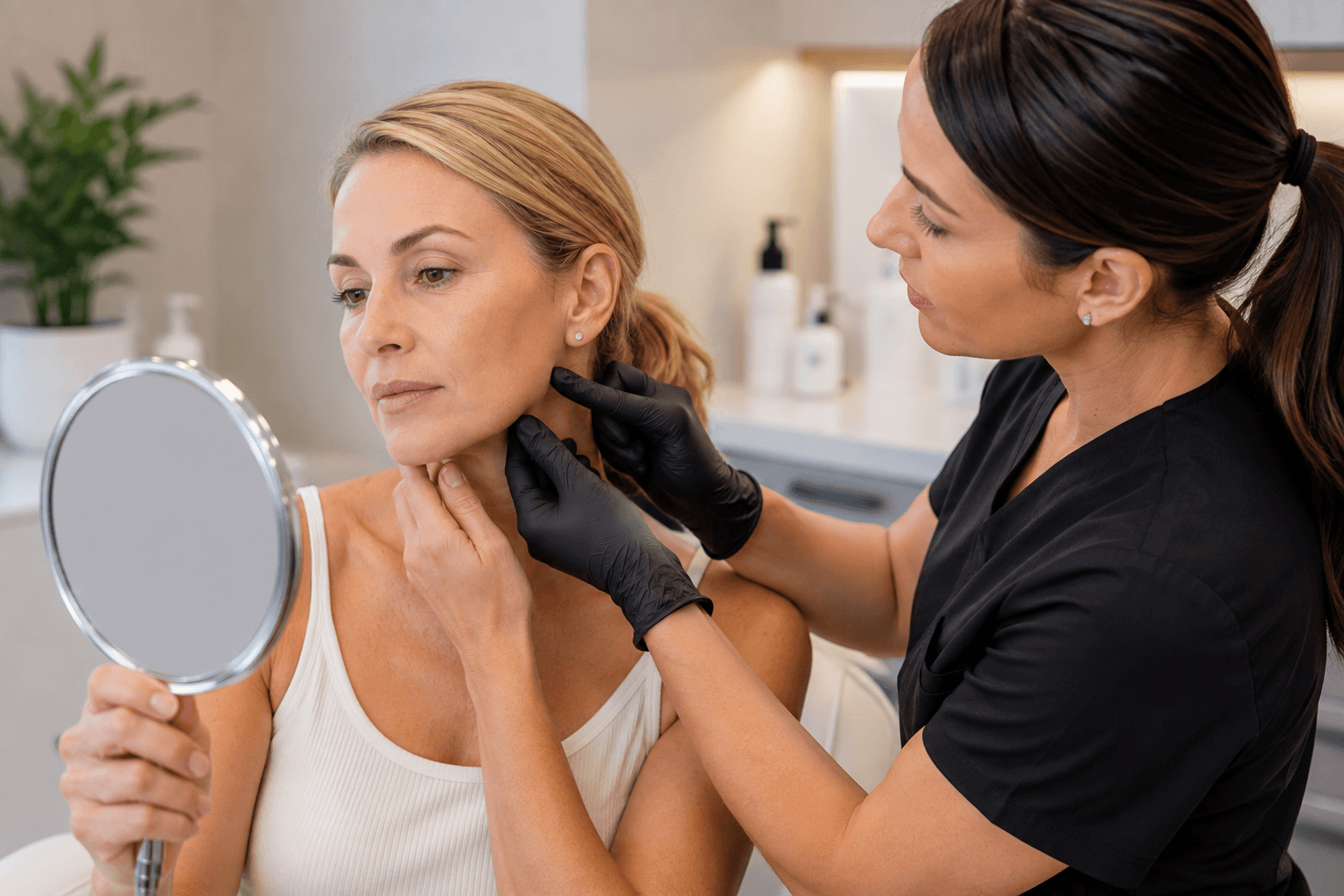
If you've been noticing that tired, hollow, or slightly "off" look in the mirror, it might be time to have a real conversation about what's happening beneath the skin. The team at ABA Aesthetics Medspa can walk you through whether a collagen-building approach or a traditional filler is the better fit for your face and your goals. You can reach out through the contact page to schedule a consultation, or visit the homepage to learn more about the full ABA Aesthetics Medspa experience. For more on how other Rockwall patients have approached this treatment, this related read on Sculptra in Rockwall is worth a look too.
How is Sculptra different from regular dermal fillers? Traditional dermal fillers add volume immediately using hyaluronic acid, while Sculptra stimulates your own collagen production gradually over several months, leading to results that build slowly and last longer.
When will I see results from Sculptra in Rockwall? Most patients start noticing visible improvement between months one and three, with fuller results developing between months three and six as collagen production increases.
How long do Sculptra results last? Results from Sculptra Rockwall patients typically enjoy can last up to two years or longer, since the treatment rebuilds collagen rather than simply filling space temporarily.
Is Sculptra painful? Most patients describe mild discomfort during injection, similar to other injectable treatments. Numbing options are typically used to keep the experience comfortable.
Am I too young or too old for Sculptra? There's no strict age cutoff. What matters more is the degree and pattern of volume loss you're experiencing, which is why a personal consultation is the best way to determine candidacy.
Can Sculptra be combined with other treatments? Yes. Many patients pair Sculptra with other services offered at ABA Aesthetics Medspa to address multiple concerns at once, depending on their specific skin and aging goals.
This article was updated in August 2026 to reflect the latest insights on collagen-building treatments available in Rockwall, Texas.
.png)












































.jpg)





.jpg)
.jpg)


