

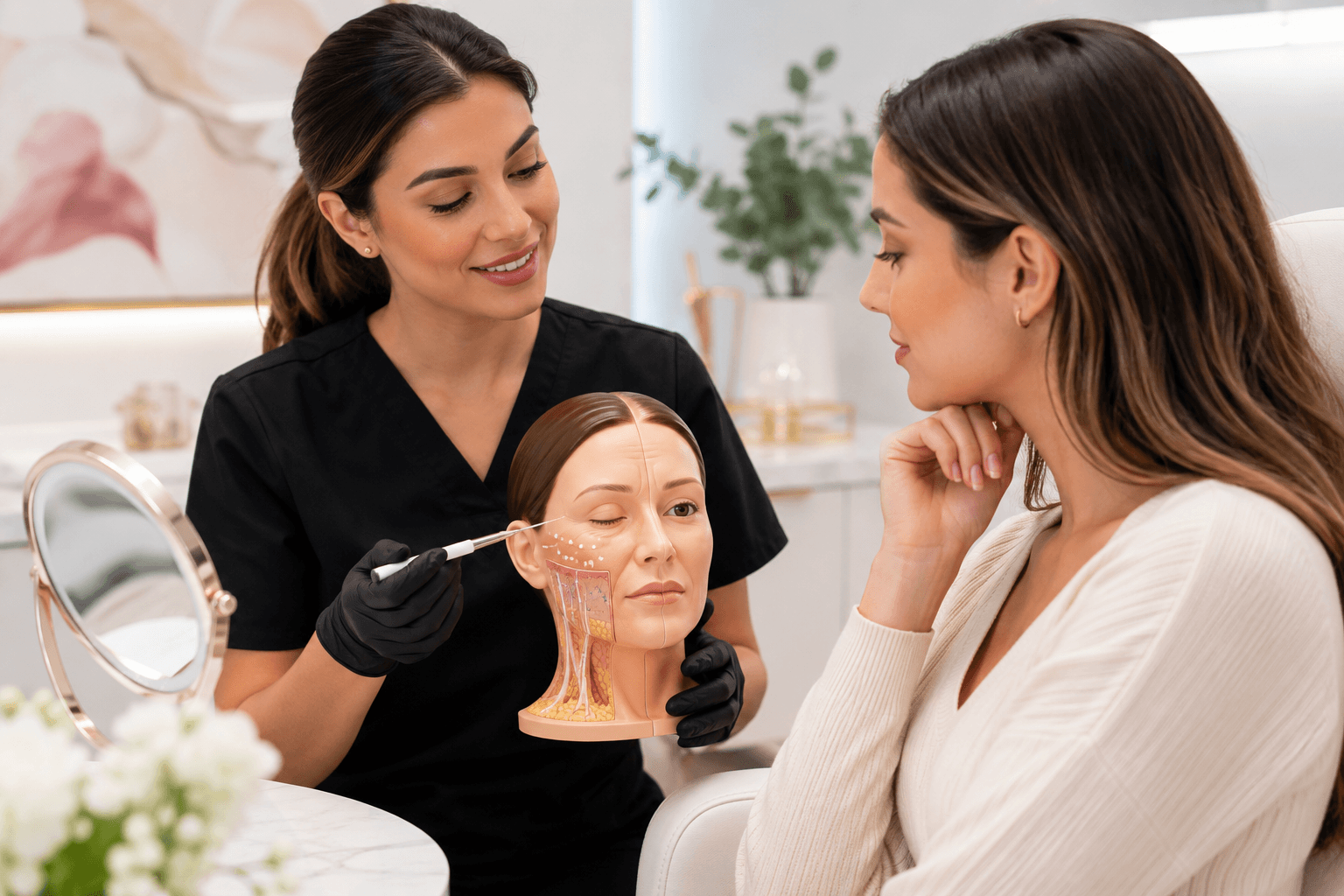
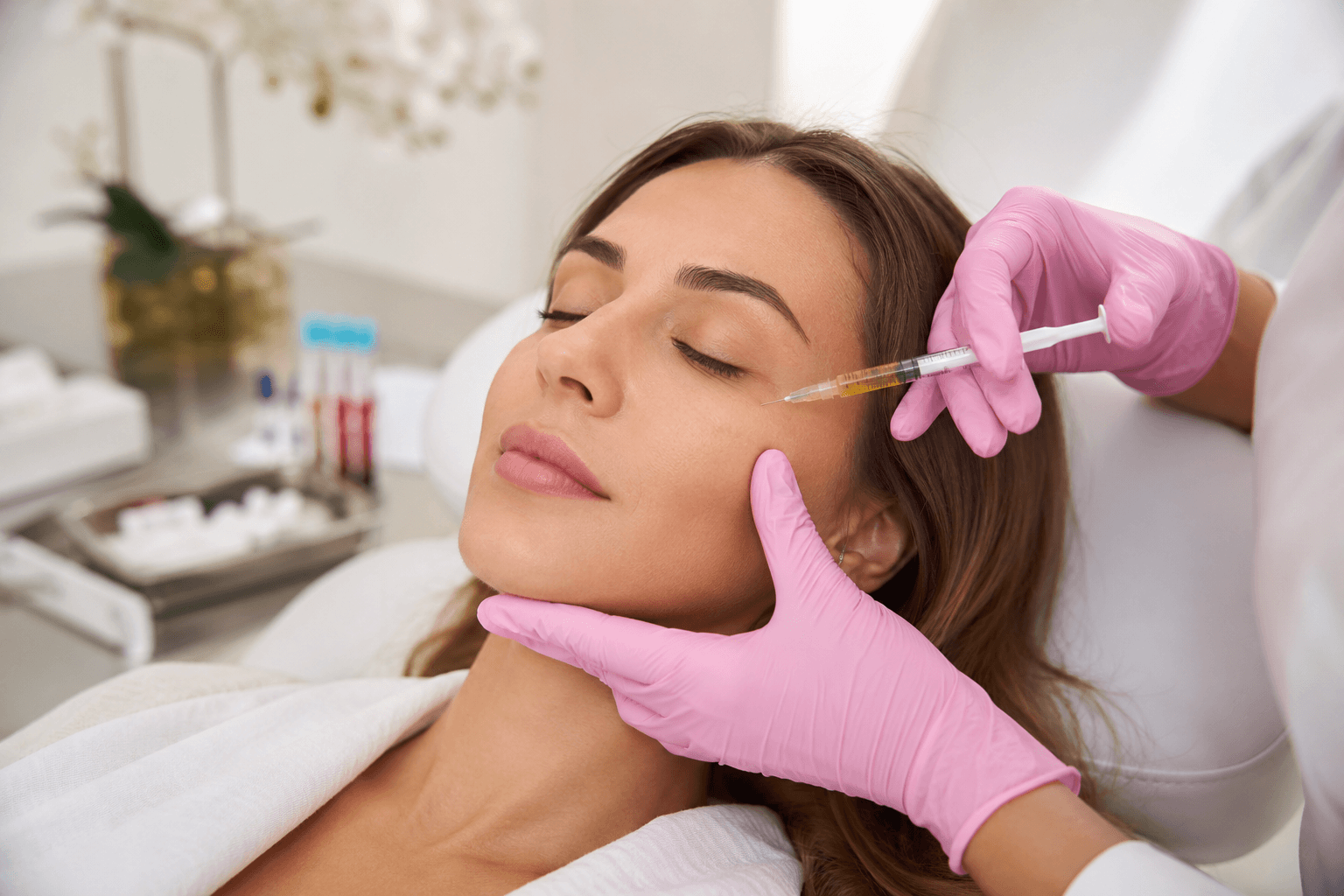
When it comes to facial rejuvenation, few treatments are as popular or effective as neurotoxins and dermal fillers. Yet despite their popularity, many people still assume they do the same thing. In reality, these injectable treatments work in completely different ways and address different signs of aging.
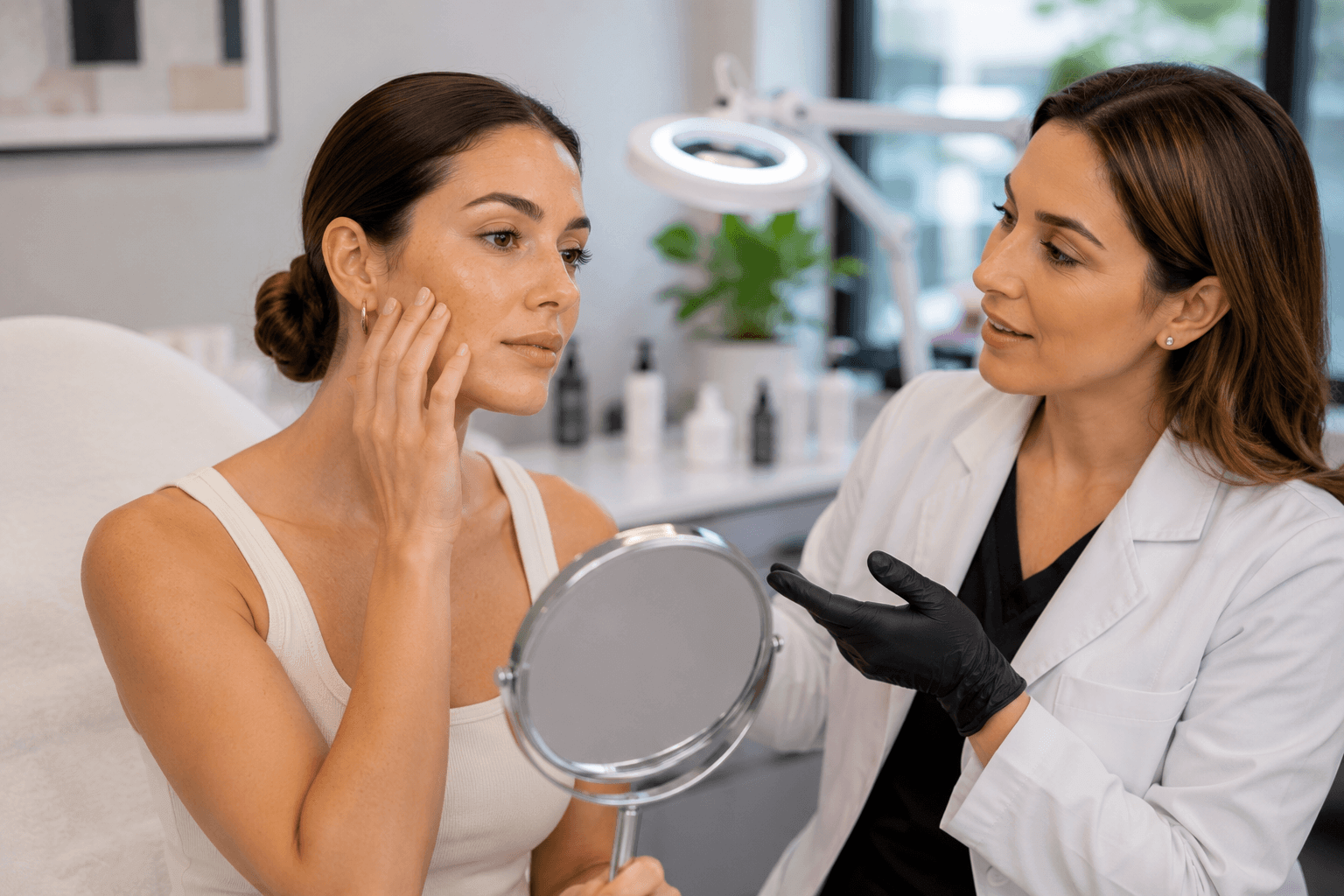
If you've been researching options at the best medspa in Rockwall, Texas, understanding the difference between neurotoxins and dermal fillers can help you choose the right treatment for your goals. Whether you're concerned about forehead lines, volume loss, sagging skin, or overall facial rejuvenation, knowing how each treatment works is the first step toward achieving natural-looking results.
Updated June 2026
Although both treatments are classified as injectables, they target different causes of facial aging.
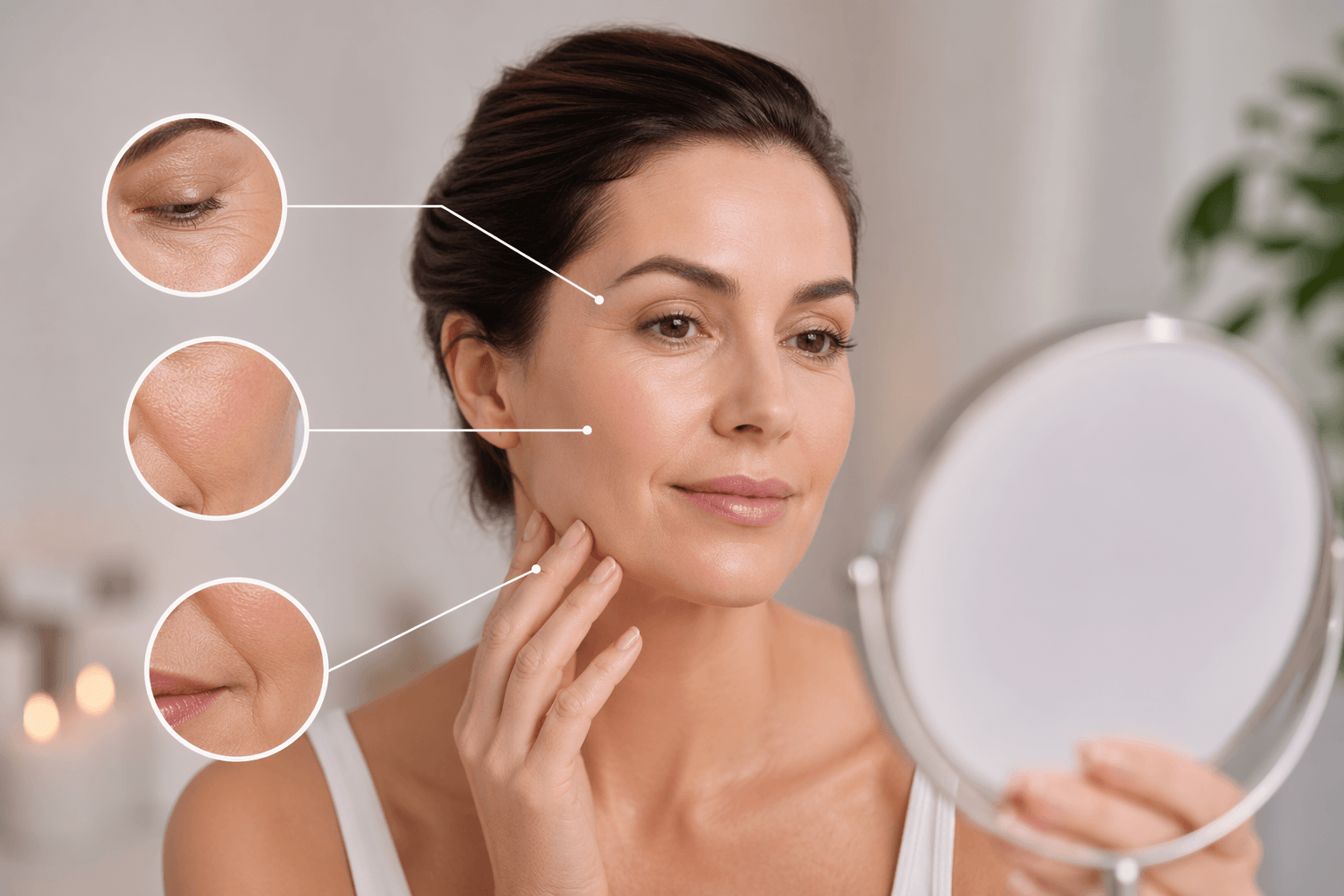
Neurotoxins work by temporarily relaxing specific facial muscles that create expression lines. Every time you smile, squint, frown, or raise your eyebrows, your facial muscles contract. Over time, these repetitive movements create wrinkles that become more visible, even when your face is at rest.
Dermal fillers, on the other hand, restore lost volume beneath the skin. As we age, collagen, elastin, and fat naturally diminish, causing hollow areas, folds, and sagging. Fillers help replenish this lost support structure to create a smoother and more youthful appearance.
Think of it this way:
Both can dramatically improve facial aging, but they address different concerns.
Neurotoxins are designed to soften dynamic wrinkles, which are wrinkles caused by muscle movement.
Common treatment areas include:
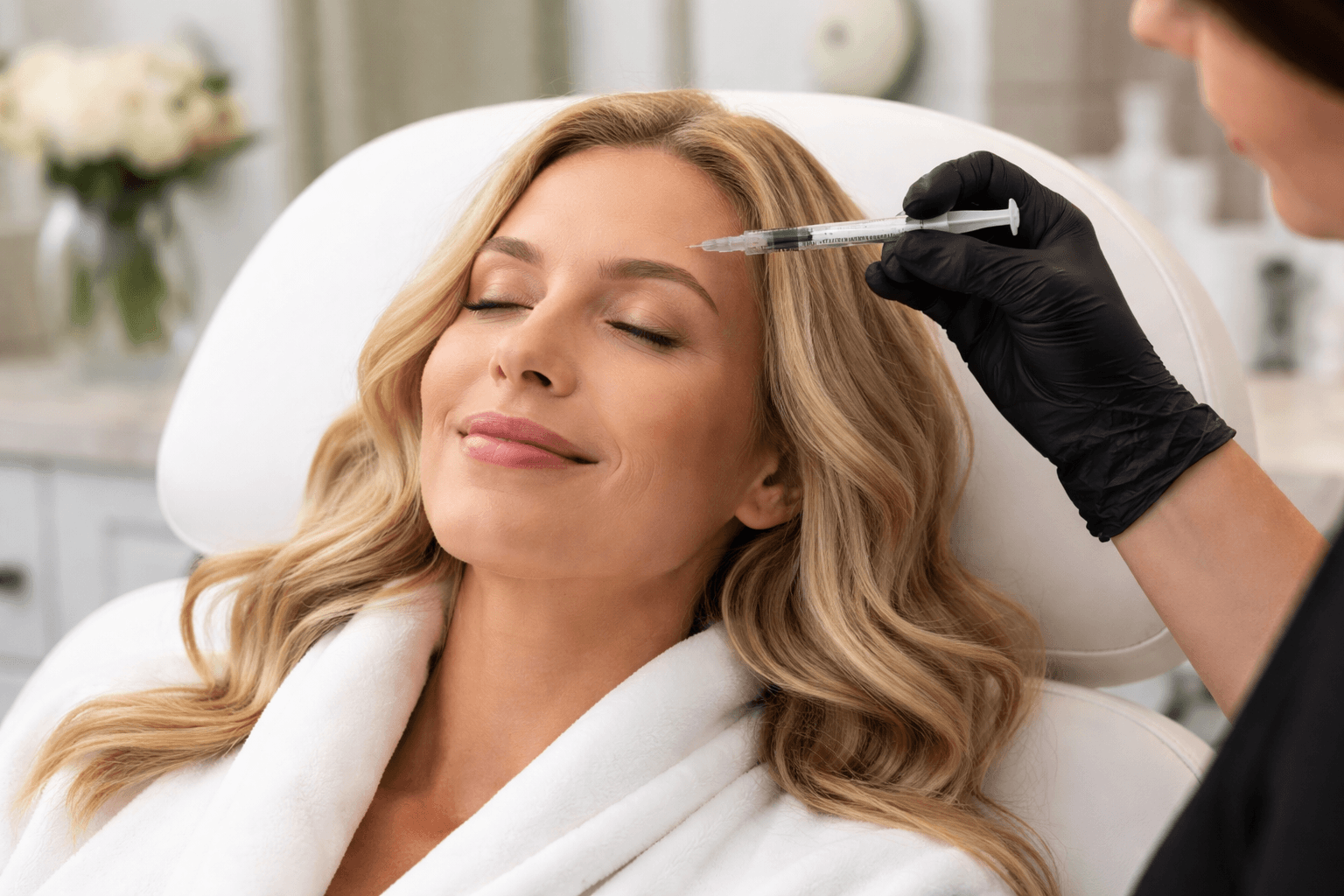
Horizontal forehead creases often develop from years of raising the eyebrows. Neurotoxins help smooth these lines while maintaining natural facial expression.
Also called glabellar lines or "11 lines," these vertical wrinkles between the eyebrows can create an angry or tired appearance. Neurotoxins are highly effective at softening them.
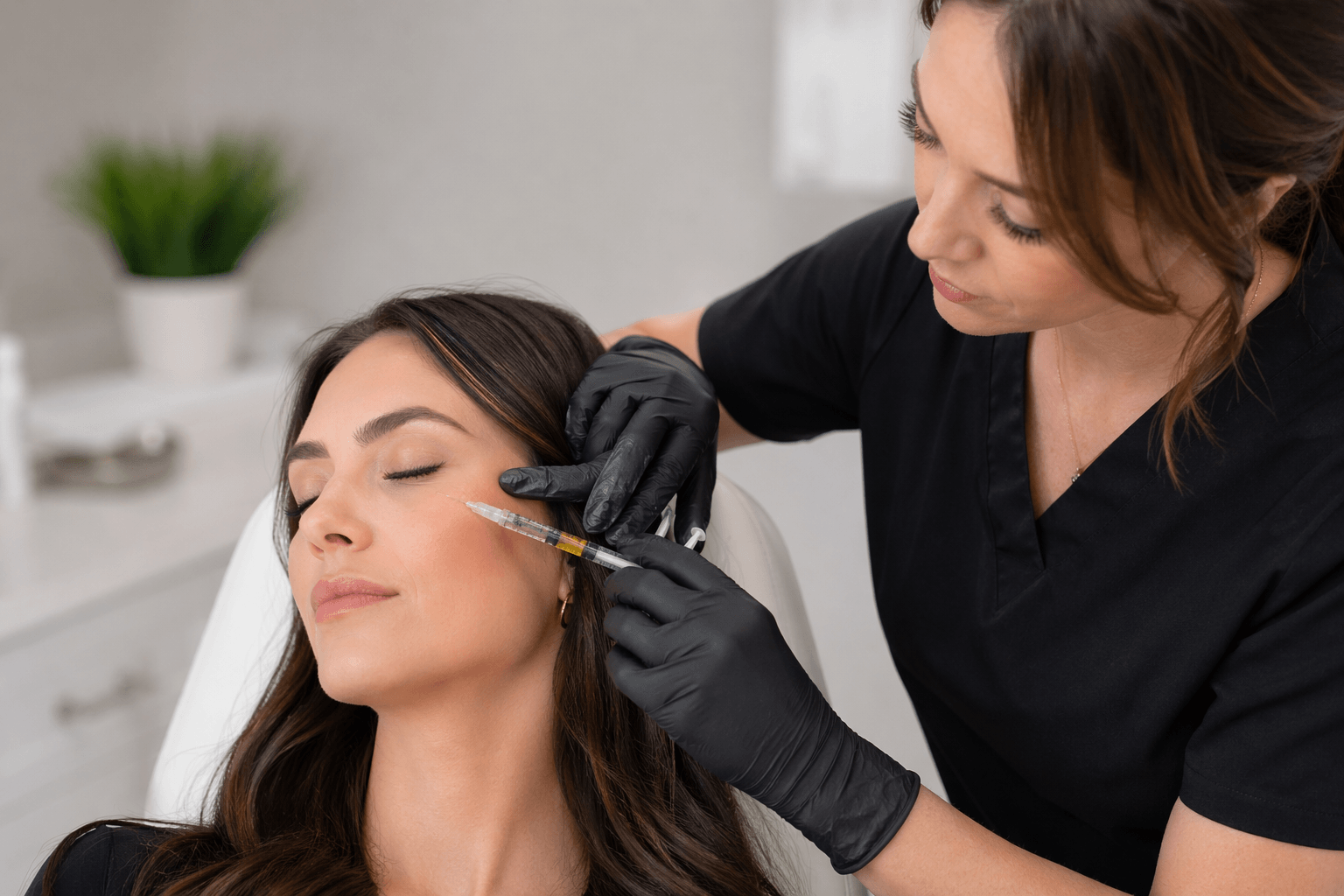
The fine lines around the outer corners of the eyes develop from smiling and squinting. Treatment can create a refreshed and rested appearance.
Wrinkles that form on the sides of the nose when smiling or laughing can also be minimized with neurotoxin treatments.
Many younger adults are choosing neurotoxins as a preventative treatment. By reducing repetitive muscle movement, they can help delay the formation of deeper wrinkles in the future.
Results typically begin appearing within several days and continue improving over approximately two weeks. Most patients enjoy results for three to four months before maintenance treatments are recommended.
Unlike neurotoxins, dermal fillers focus on restoring lost volume and enhancing facial contours.
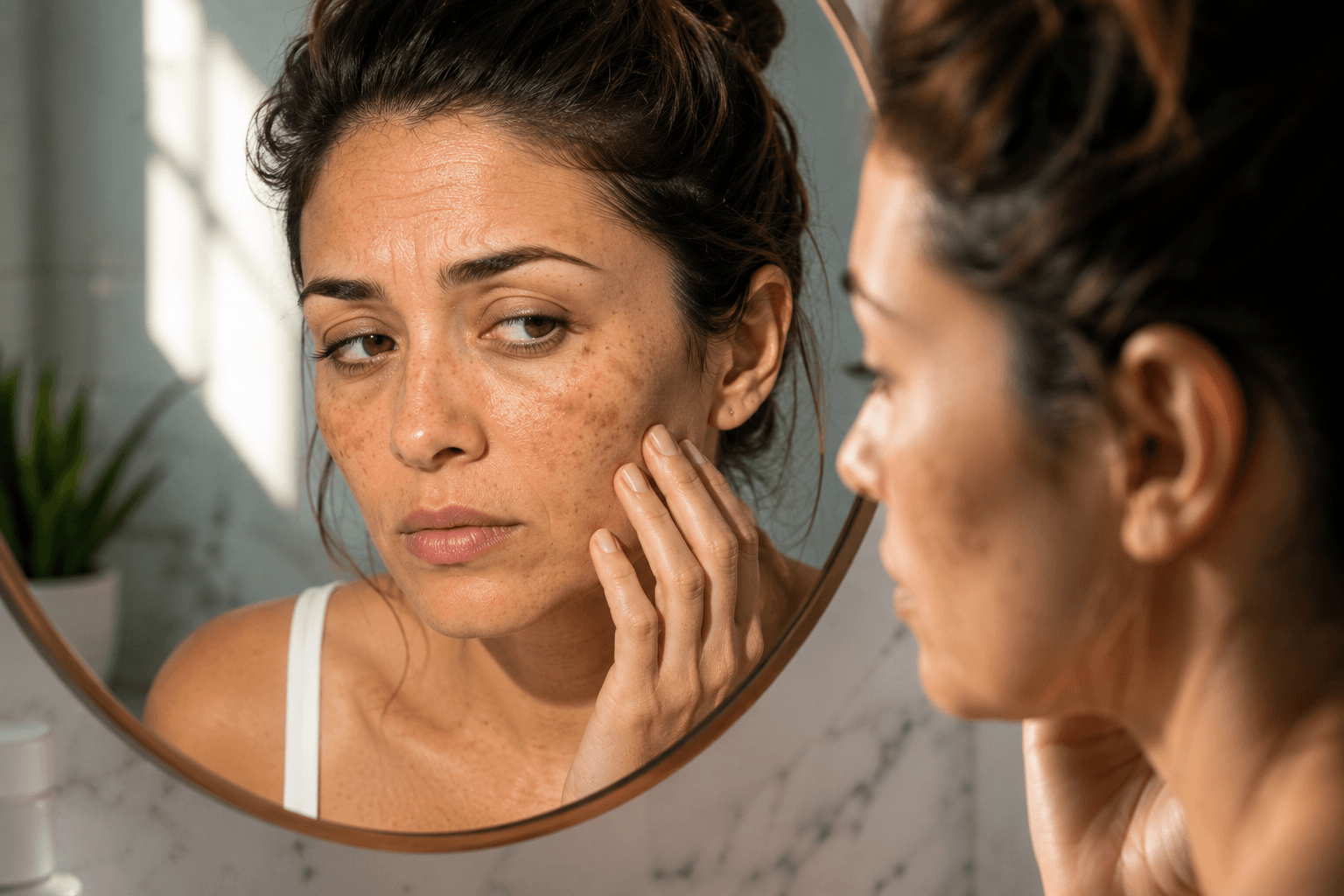
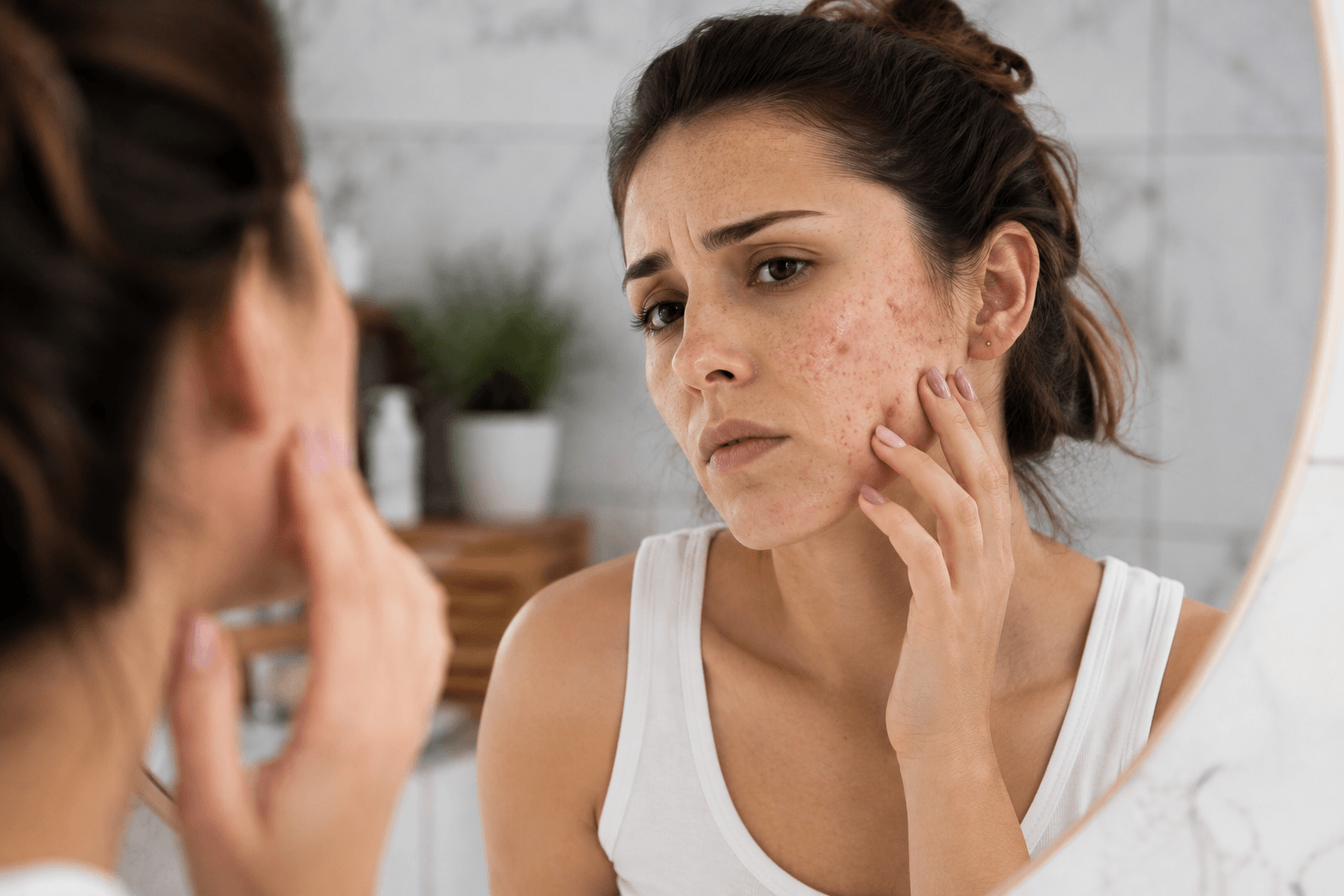
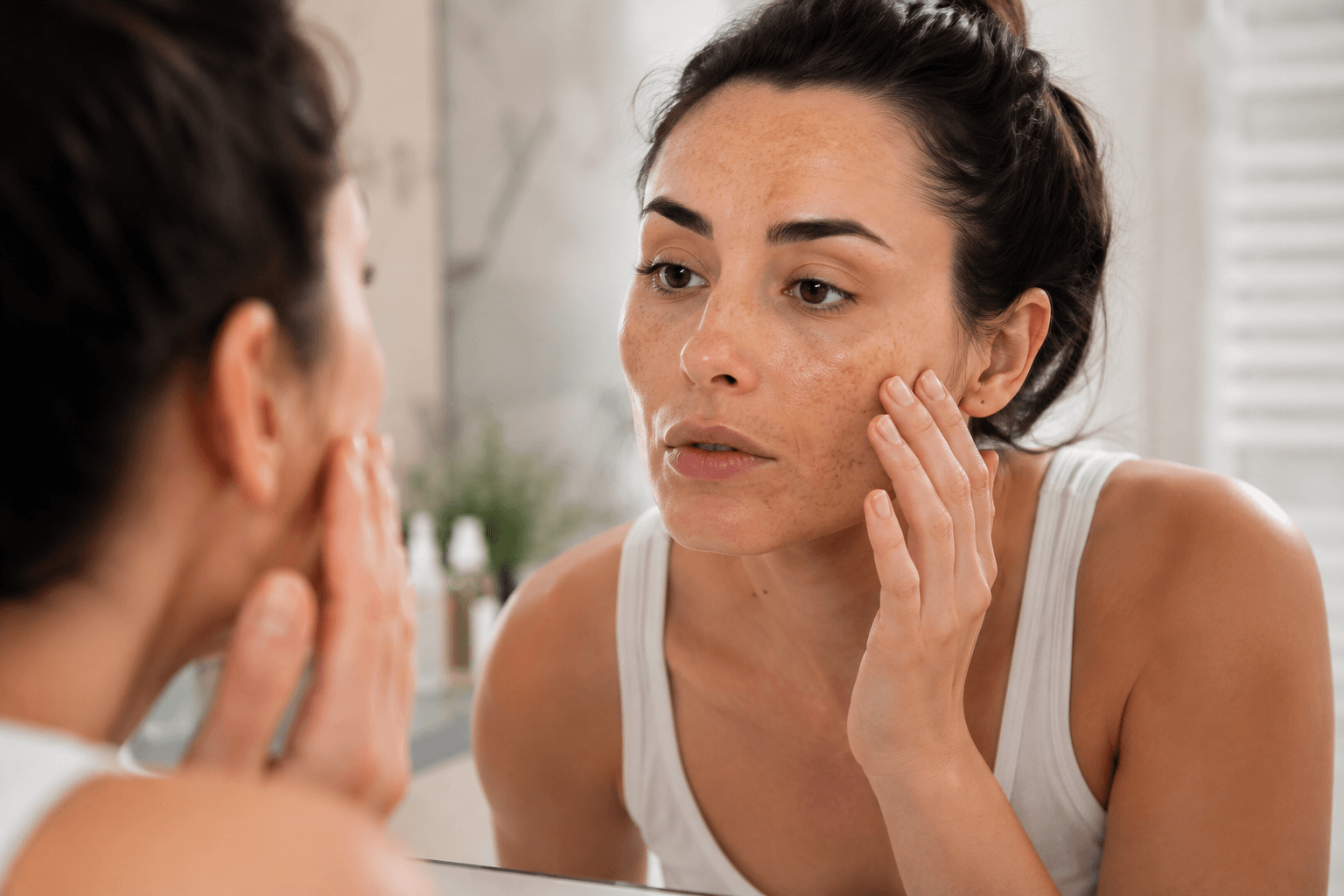
As collagen production decreases over time, the face naturally loses fullness. This can lead to a tired, aged, or hollow appearance even when you're well-rested.
One of the earliest signs of aging is a loss of fullness in the mid-face. Dermal fillers can restore youthful contours and improve overall facial balance.
These lines run from the sides of the nose to the corners of the mouth. Fillers help soften their appearance by supporting the surrounding tissues.
Lines extending downward from the corners of the mouth can contribute to a sad or fatigued look. Dermal fillers can help restore a more uplifted appearance.
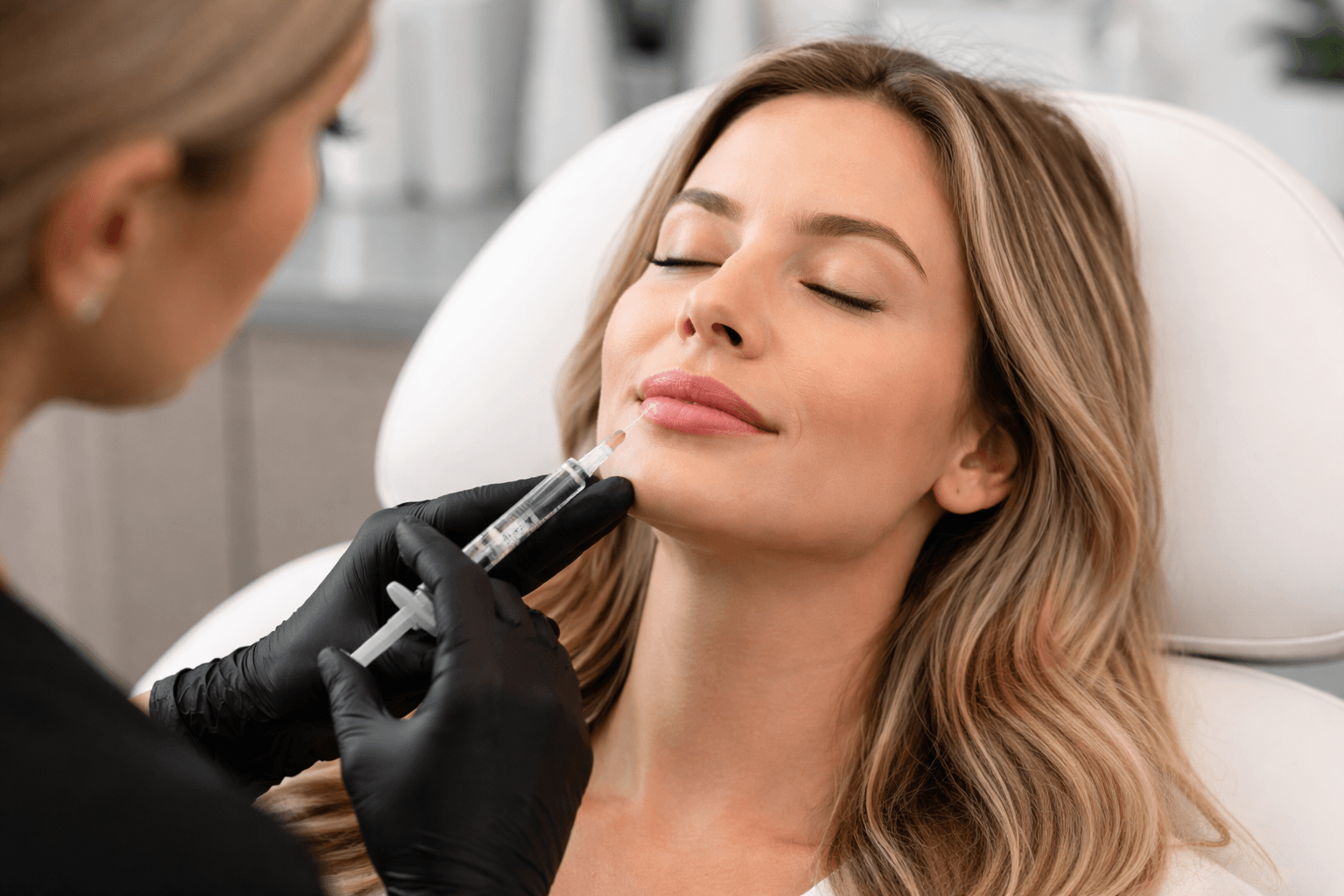
Whether you want subtle hydration or enhanced volume, dermal fillers can improve lip shape, definition, and fullness.
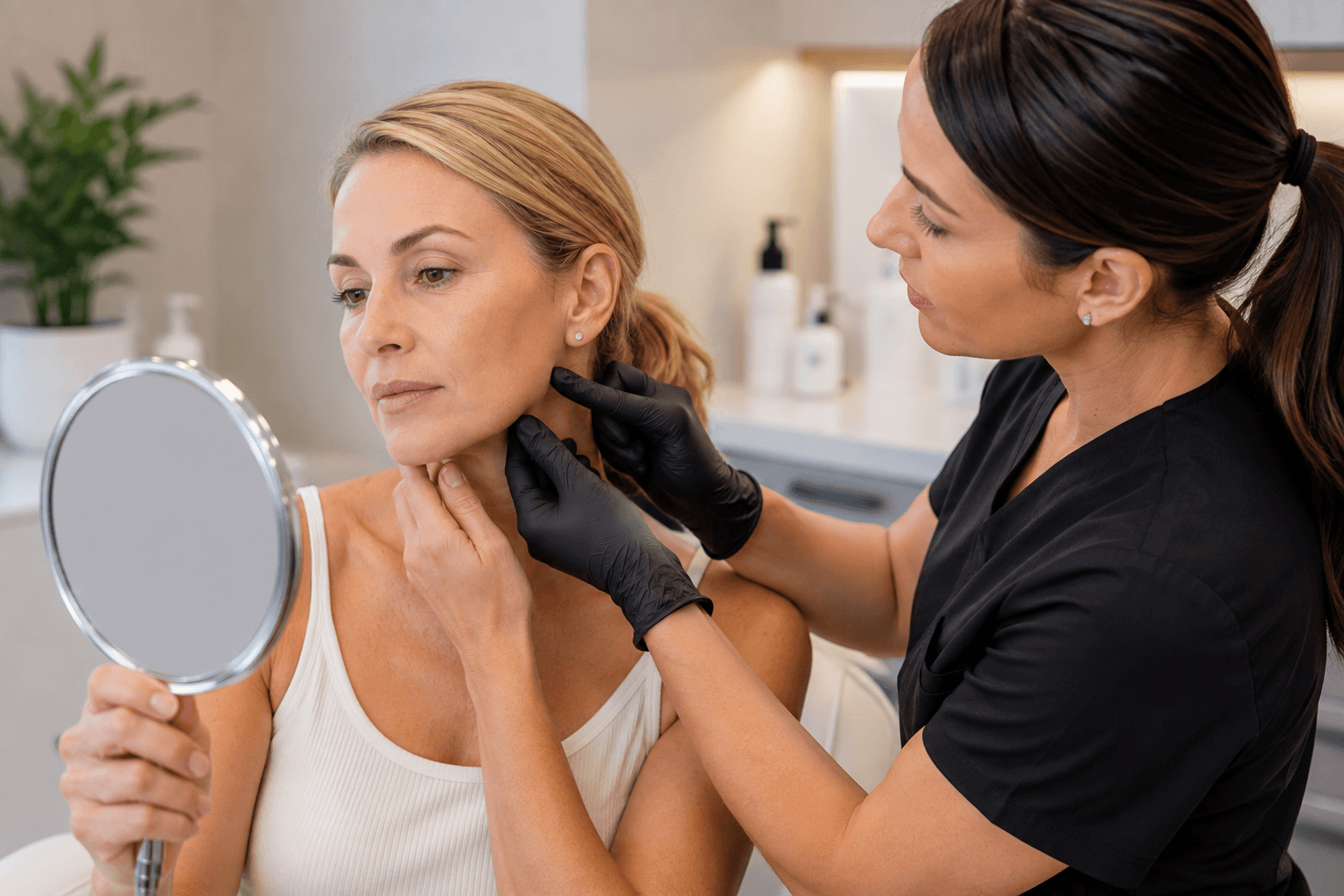
Fillers can strengthen facial structure, improve profile balance, and create more definition along the jawline and chin.
Carefully placed filler may improve hollowing beneath the eyes, reducing the appearance of fatigue.
The results of dermal fillers are often visible immediately and can last anywhere from six months to two years depending on the product used and treatment area.
This is one of the most common questions patients ask.
The answer depends on the type of wrinkle.
Wrinkles caused by muscle movement respond best to neurotoxins.
Examples include:
Because these wrinkles develop from repeated muscle contractions, relaxing the underlying muscles addresses the root cause.
Wrinkles that remain visible even when your face is at rest often respond better to dermal fillers.
Examples include:
These wrinkles typically develop due to collagen loss and decreased structural support beneath the skin.
In many cases, a combination approach delivers the best outcome by addressing both movement-related and volume-related aging concerns simultaneously.
When volume loss is the primary concern, dermal fillers are generally the preferred solution.
Aging affects more than the skin's surface. Deep fat pads, collagen, and bone support gradually diminish over time, leading to:
Dermal fillers restore lost volume while helping maintain natural facial proportions.
However, modern aesthetic medicine continues to evolve beyond traditional fillers.
Many patients are now interested in treatments that stimulate the body's natural regenerative processes rather than simply replacing lost volume.
At ABA Aesthetics, regenerative options such as PRF (platelet-rich fibrin) and EZ Gel may be incorporated into personalized treatment plans.
PRF uses growth factors derived from your own blood to support tissue regeneration and collagen production. EZ Gel, often referred to as a biofiller, combines regenerative properties with natural volumization for patients seeking a more holistic approach to facial rejuvenation.
These treatments can complement traditional injectables and support long-term skin quality improvements.
Absolutely.
In fact, many aesthetic providers consider combination treatment the gold standard for comprehensive facial rejuvenation.
Since neurotoxins and fillers address different aspects of aging, they often work better together than either treatment alone.
For example:
A patient may receive neurotoxins to soften forehead lines and frown lines while using dermal fillers to restore cheek volume and improve smile lines.
The result is a balanced, natural-looking rejuvenation that addresses multiple signs of aging simultaneously.
Today's best medspa treatments focus on facial harmony rather than chasing individual wrinkles.
A customized treatment plan may combine:
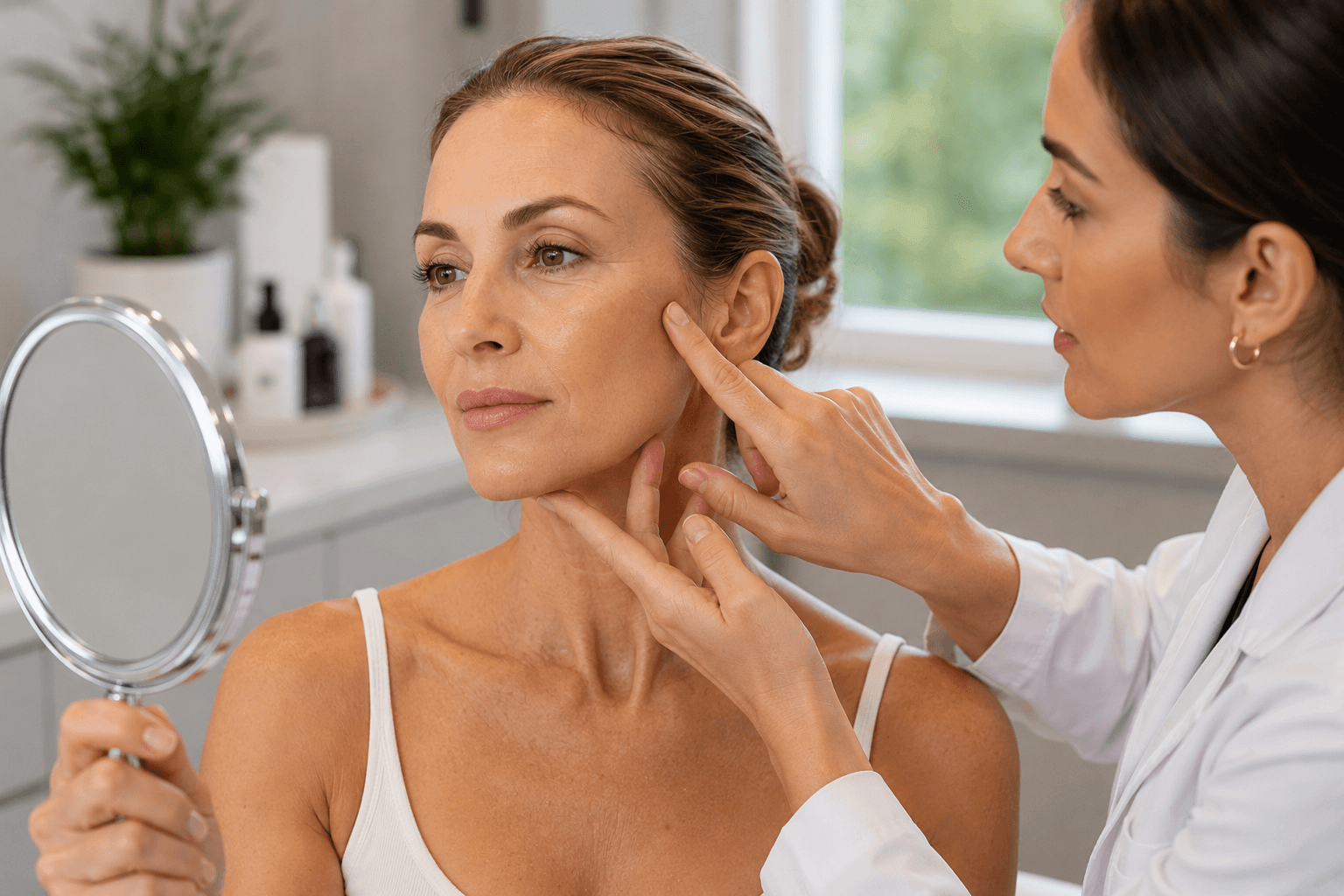
By evaluating the face as a whole, providers can create more natural and youthful outcomes.
SkinVive represents a newer category of injectable treatment.
Unlike traditional fillers that focus primarily on adding volume, SkinVive is designed to improve skin hydration, smoothness, and overall skin quality.
Many patients describe SkinVive as an injectable skin booster that enhances radiance without dramatically changing facial contours.
It can be an excellent option for individuals who want healthier-looking skin while maintaining a completely natural appearance.
SkinVive is often combined with neurotoxins, fillers, and regenerative treatments as part of a comprehensive rejuvenation strategy.
One advantage of many hyaluronic acid-based dermal fillers is that they can often be dissolved if necessary.
Filler dissolving treatments use a specialized enzyme to break down unwanted filler, helping patients safely reverse or adjust previous results.
Patients seek filler dissolving for several reasons:
This flexibility provides additional peace of mind for patients considering filler treatments for the first time.
The best treatment isn't determined by what's trending online. It's determined by your unique anatomy, goals, and concerns.
You may be an ideal candidate for neurotoxins if you want to:
You may benefit from dermal fillers if you want to:
You may benefit from a combination approach if you want comprehensive facial rejuvenation with natural-looking results.
When administered by qualified medical professionals, both neurotoxins and dermal fillers have strong safety profiles. A consultation at a reputable medspa can help determine the most appropriate treatment for your needs.
Most neurotoxin treatments last approximately three to four months. Individual results may vary based on metabolism, treatment area, and lifestyle factors.
Modern dermal fillers are designed to enhance natural facial features rather than create an artificial appearance. Proper placement and conservative treatment planning are key to achieving balanced results.
Yes. Many patients receive both treatments during a single visit. Combining neurotoxins and dermal fillers often creates more comprehensive facial rejuvenation results.
While traditional fillers primarily restore volume and contour, SkinVive focuses on improving skin quality, hydration, and smoothness. It serves a different purpose and can complement other injectable treatments.
PRF is not a traditional dermal filler. It is a regenerative treatment that uses your body's own growth factors to support collagen production and tissue healing. It is often combined with other injectables to enhance overall results.
Choosing between neurotoxins and dermal fillers isn't really about picking one over the other. It's about understanding what your skin and facial structure need most. Neurotoxins excel at relaxing expression lines, while dermal fillers restore volume and contour. Add innovative options like SkinVive, PRF, and EZ Gel, and today's treatment possibilities are more personalized than ever.
If you're exploring injectables and looking for the best medspa in Rockwall, Texas, the most effective treatment plan starts with a professional evaluation that focuses on your unique facial anatomy, goals, and long-term skin health. The right approach often isn't choosing one treatment. It's creating the perfect combination for you.




.png)


















































.jpg)





.jpg)
.jpg)


