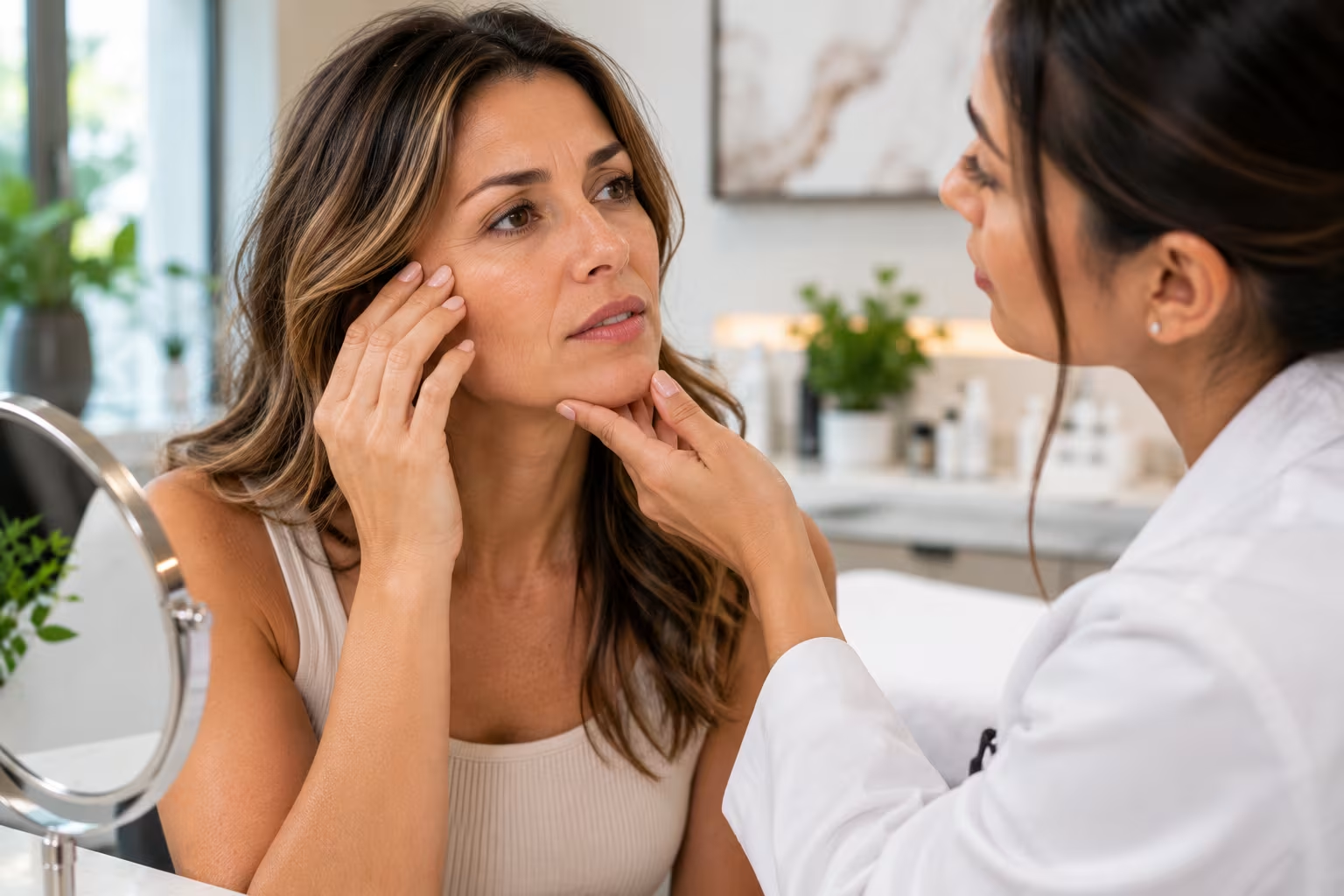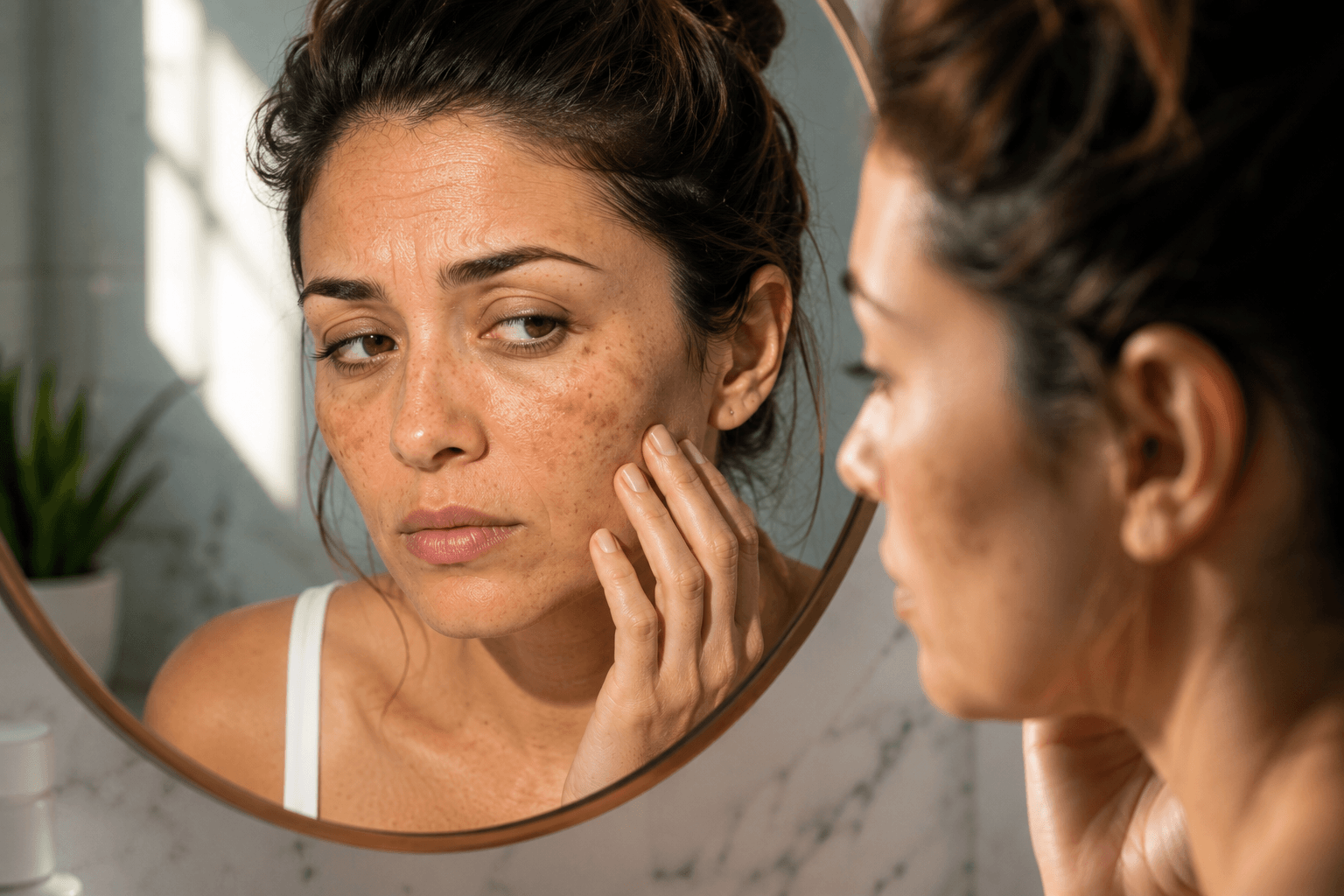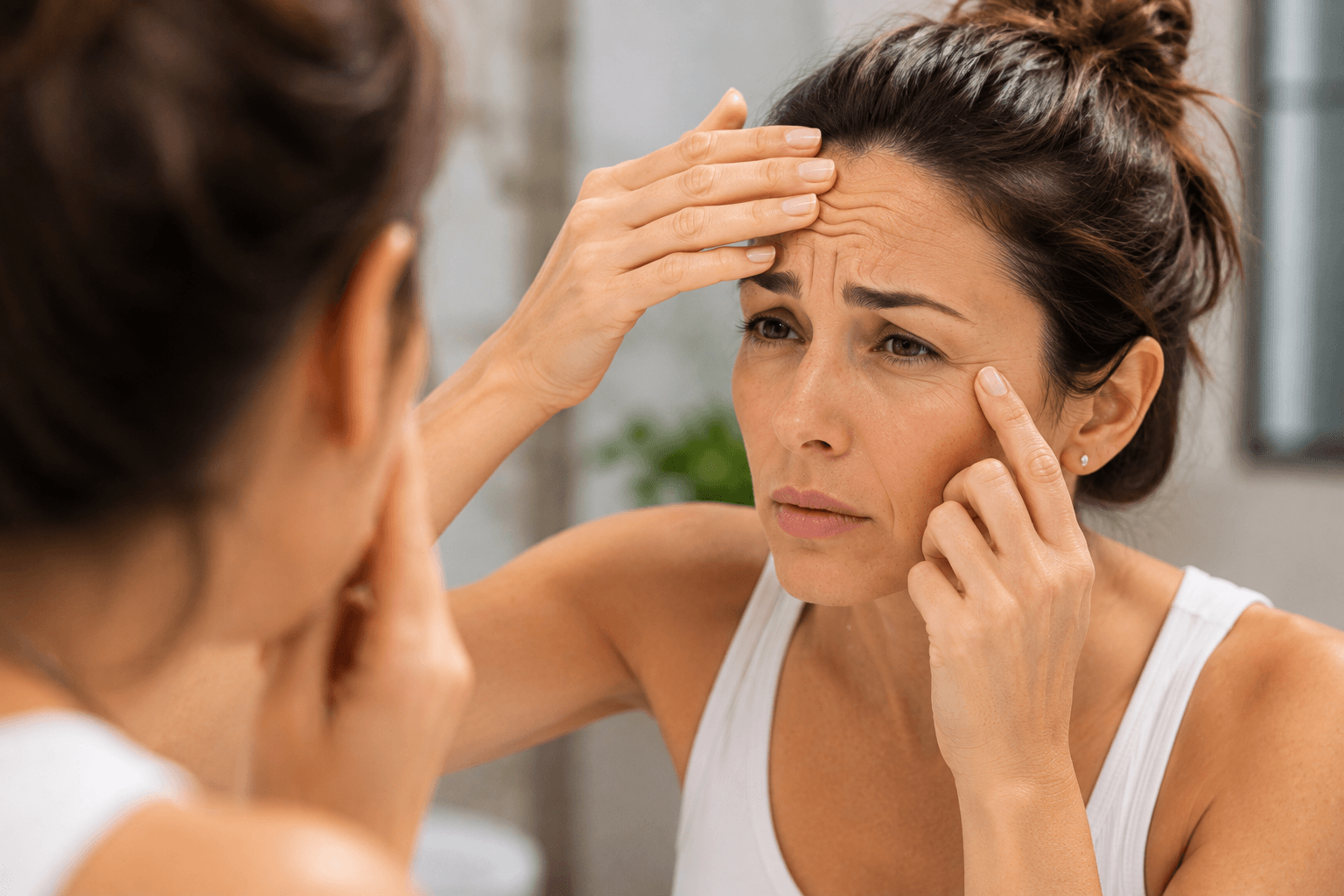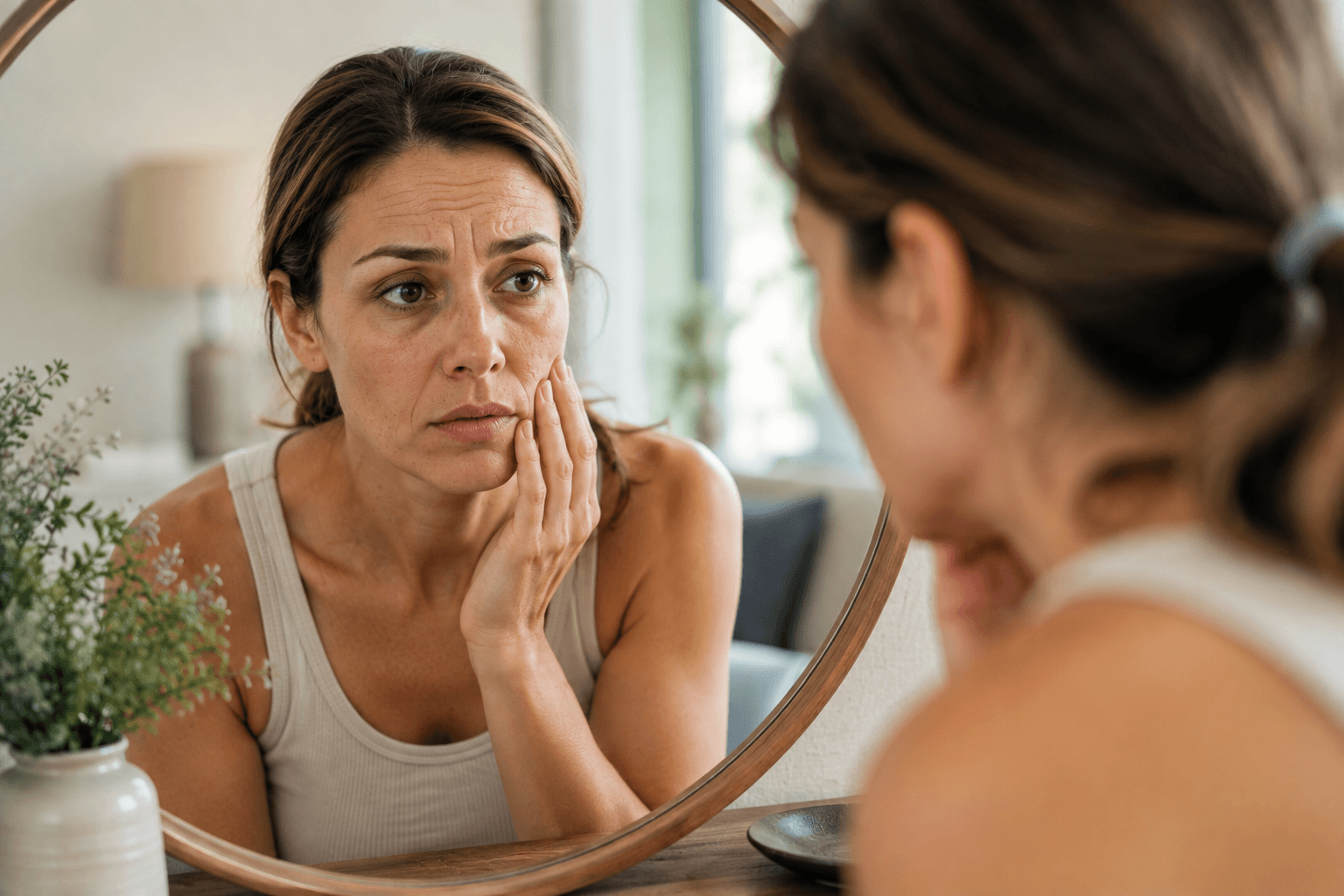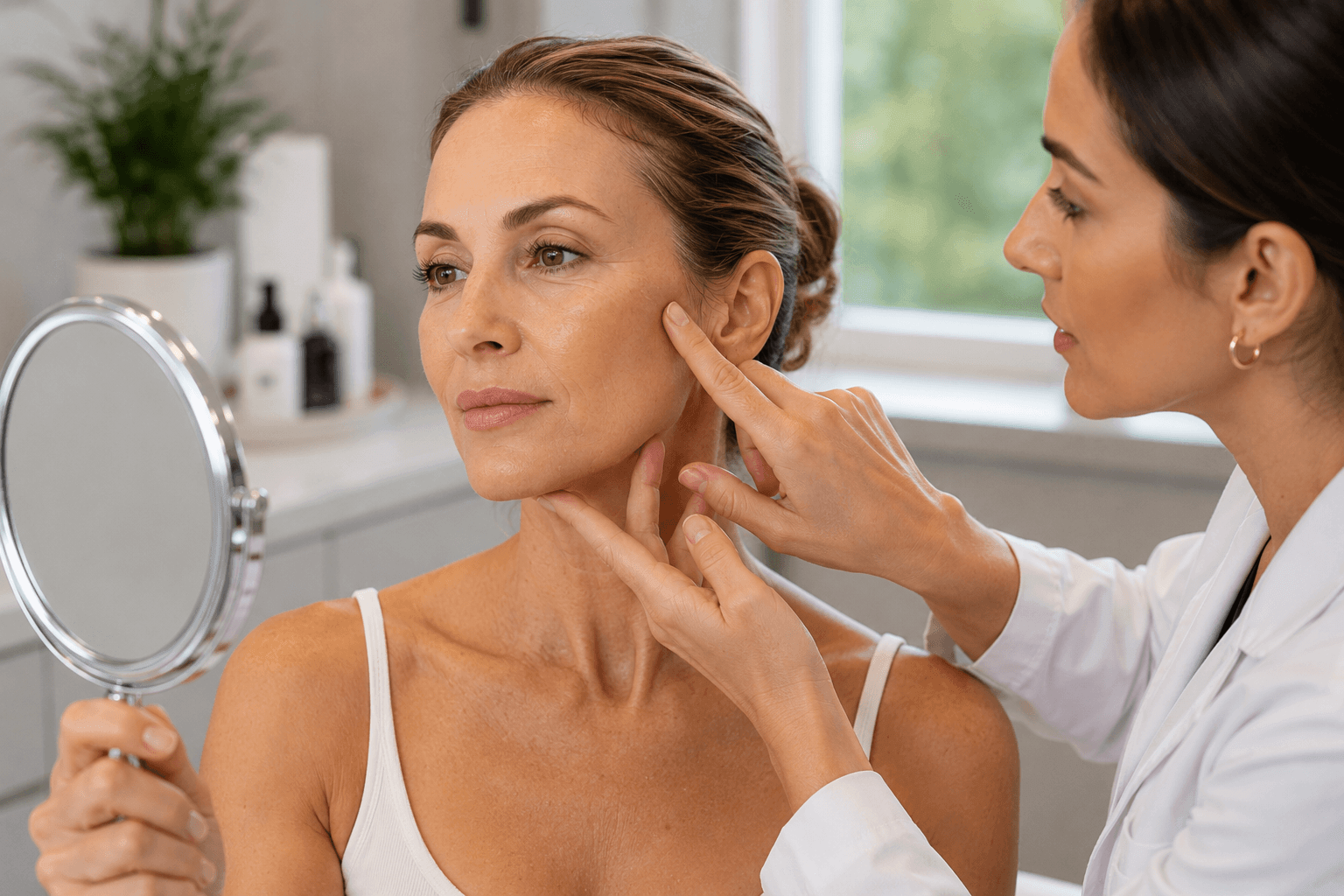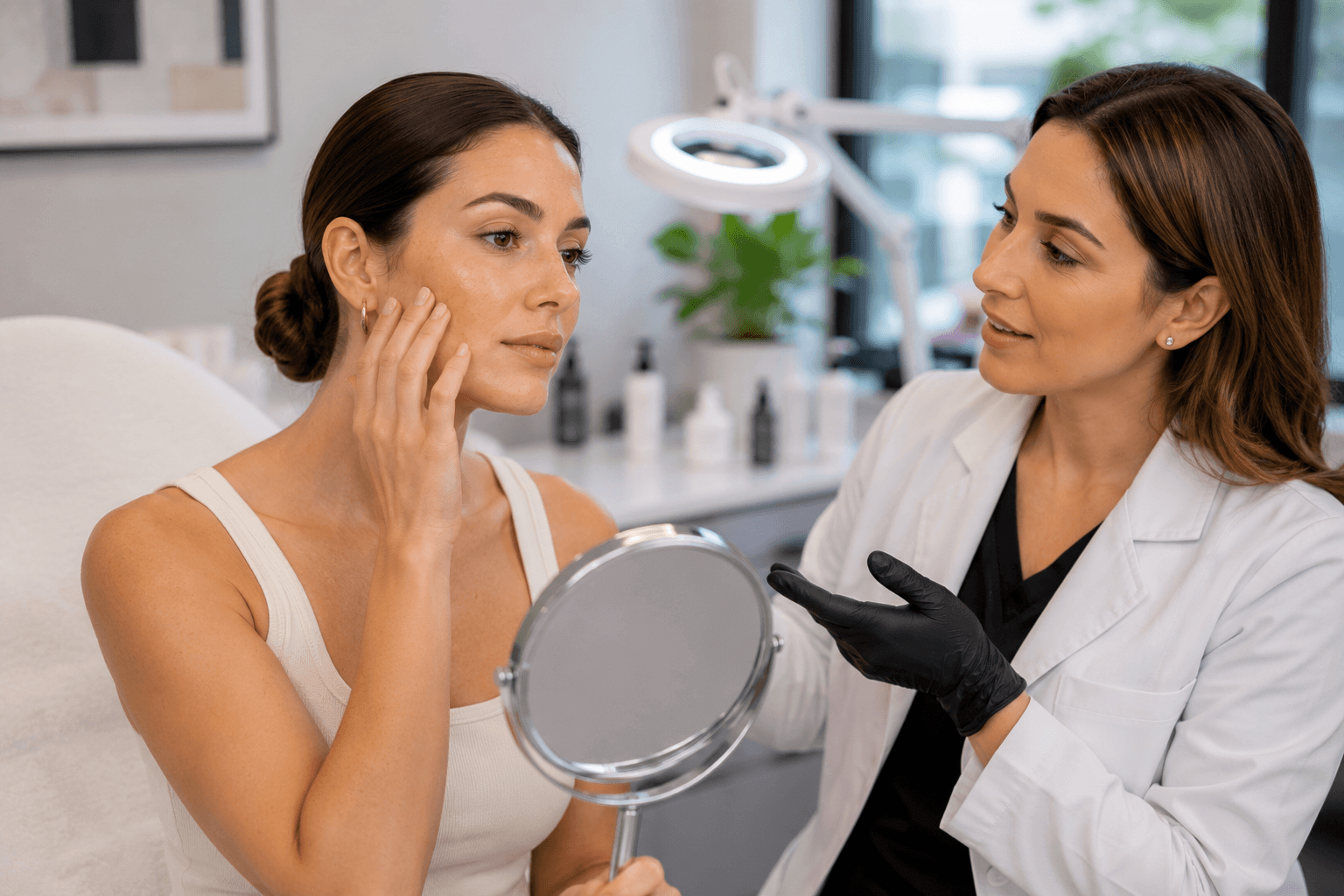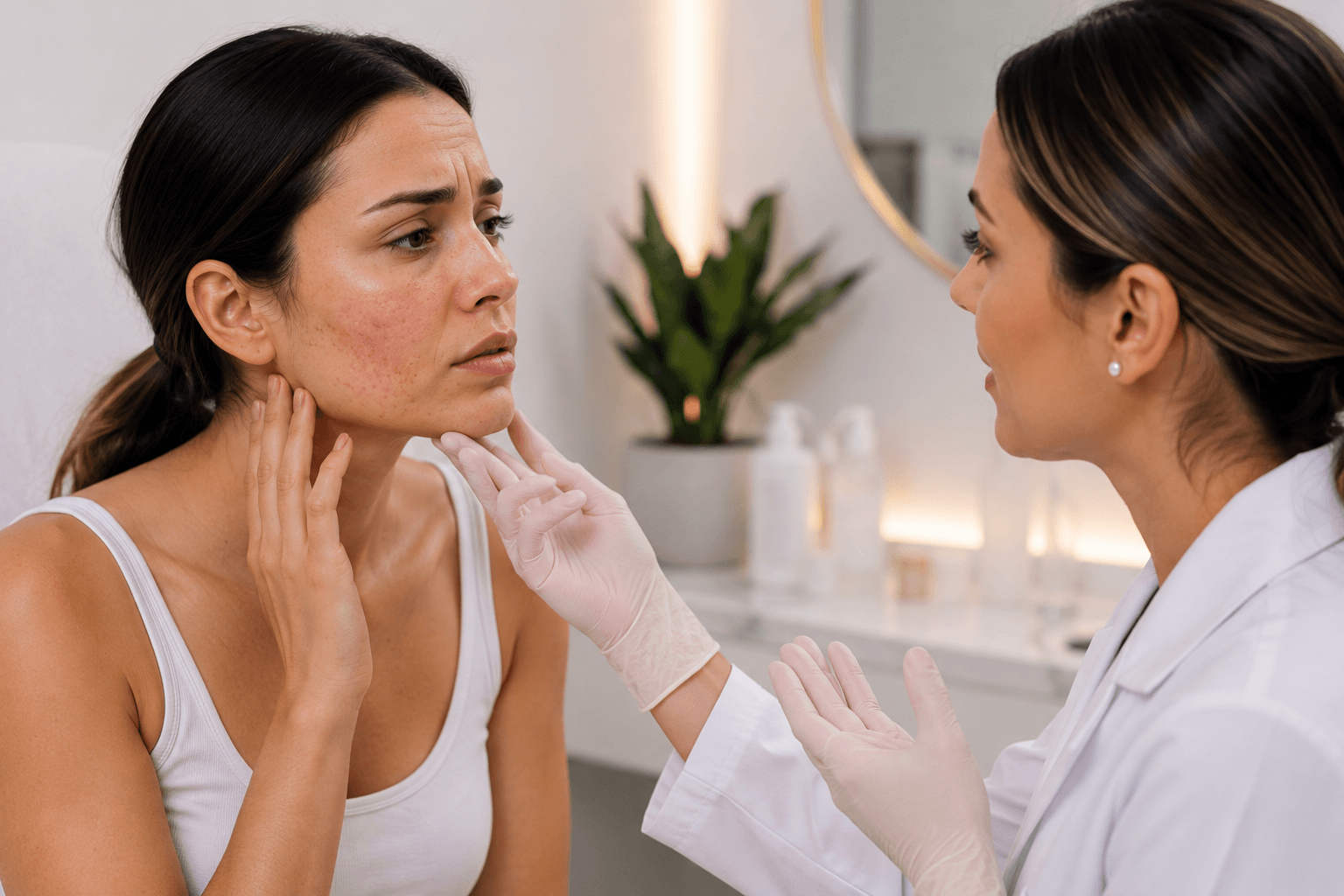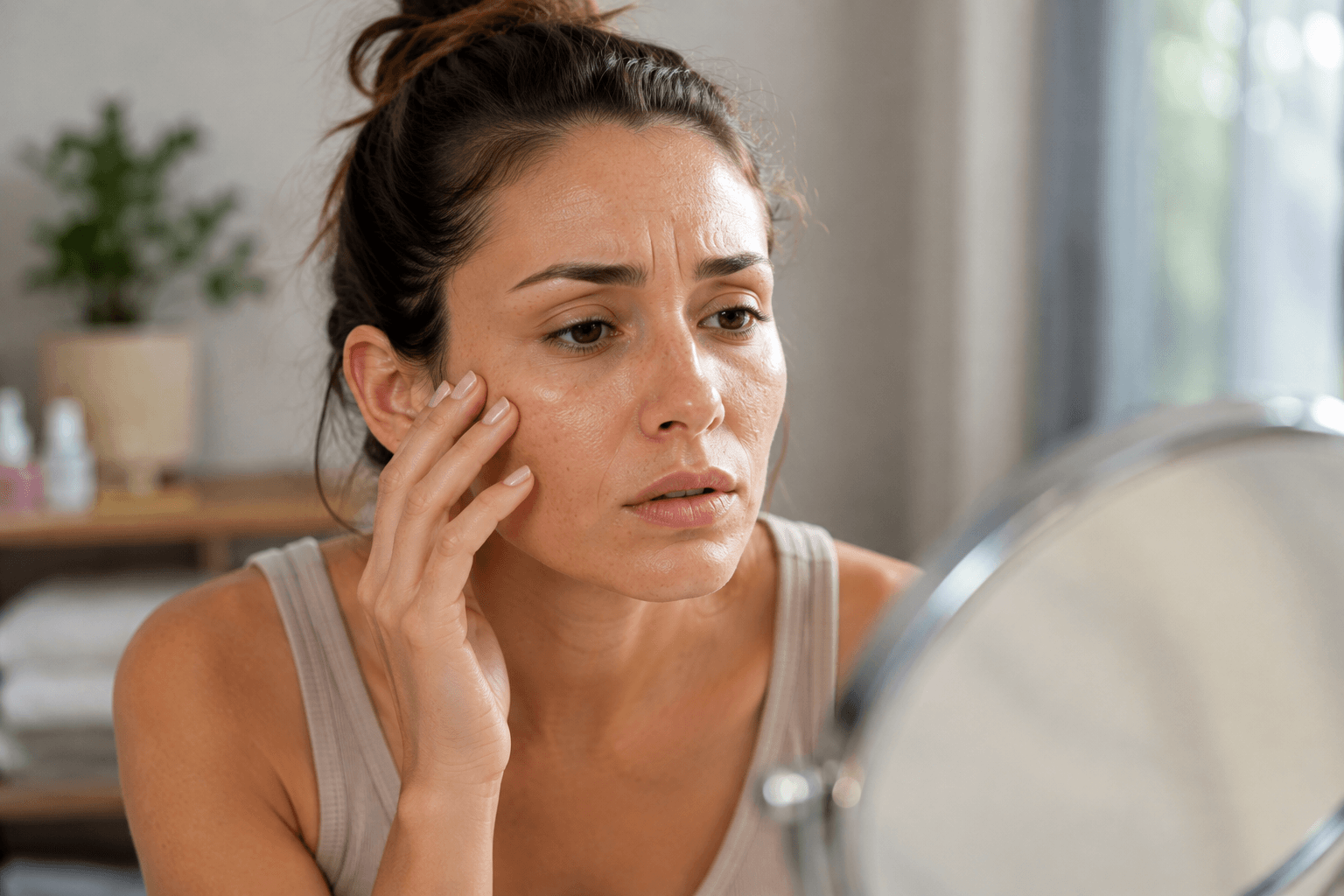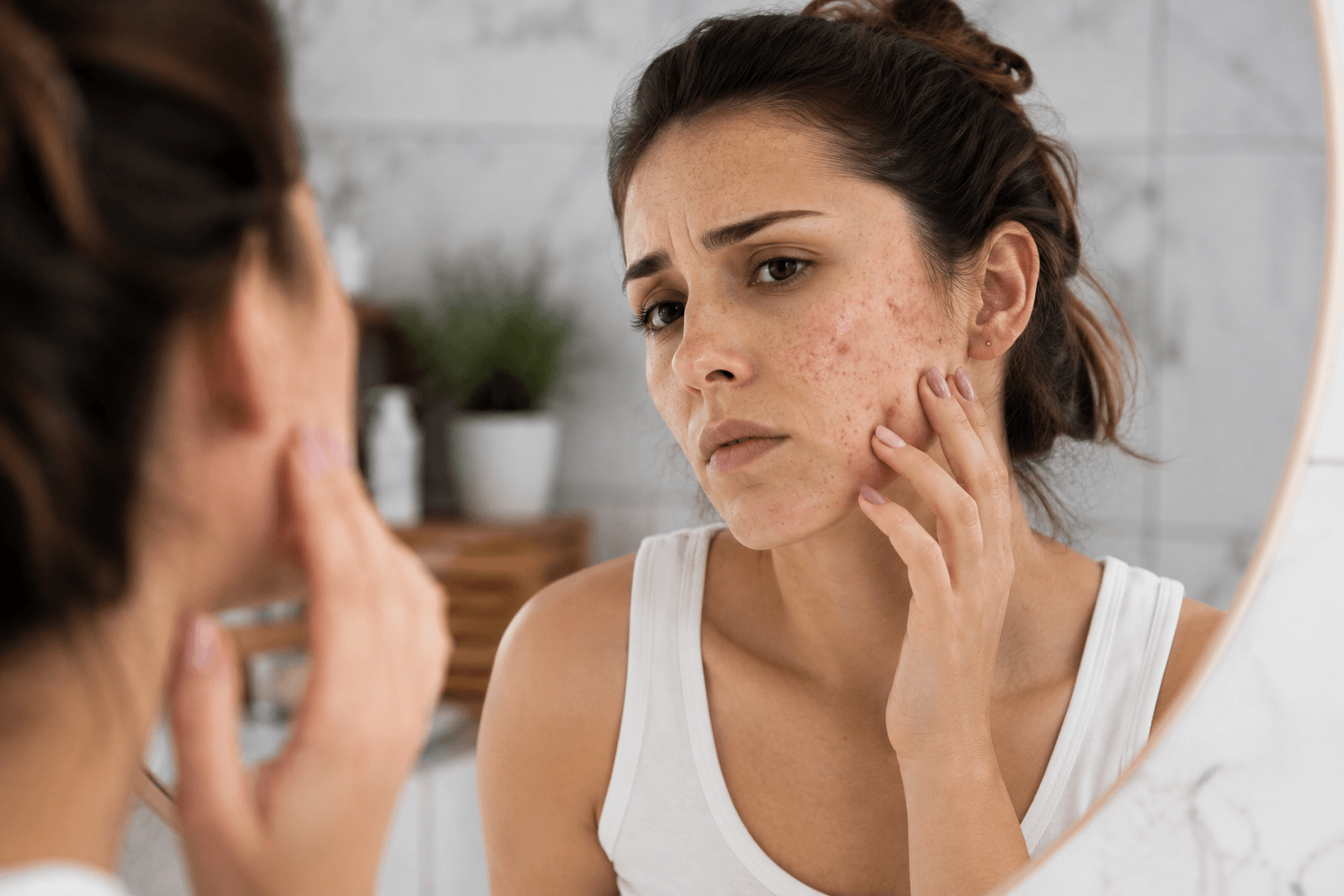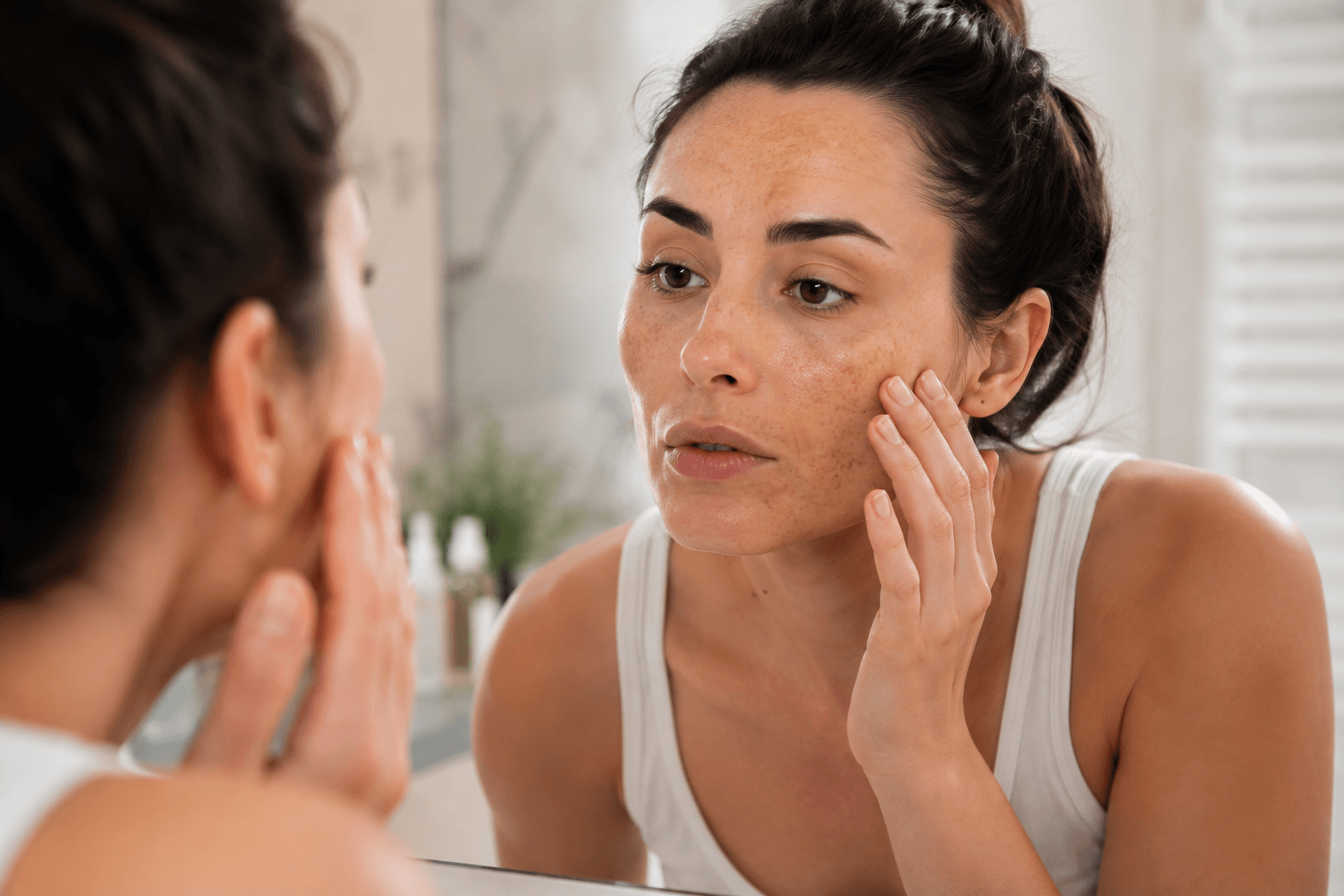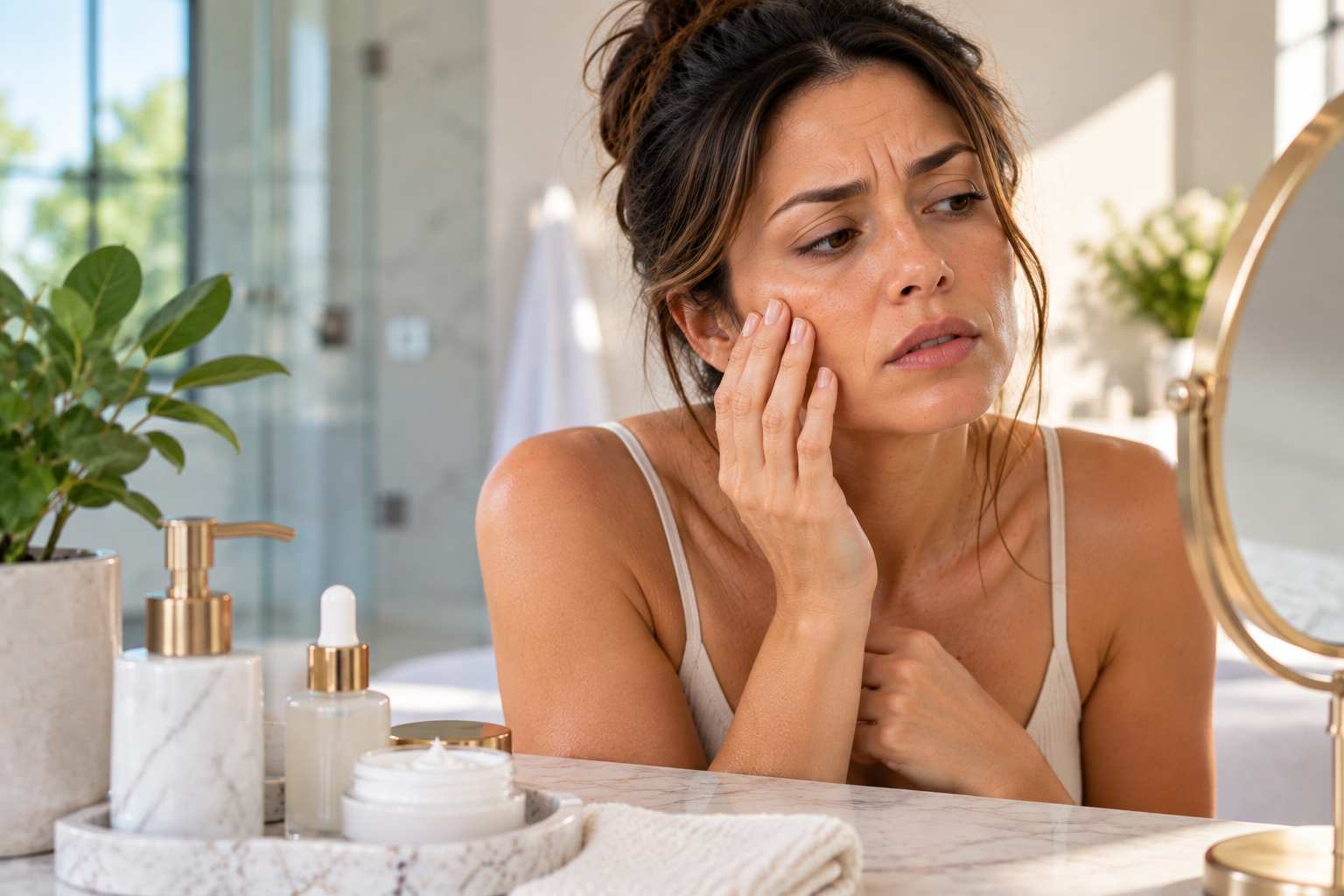
You wash your face, apply your moisturizer, and for an hour or two everything feels fine. Then by early afternoon, your skin starts pulling again. It looks a little flat in the mirror, your foundation sits oddly on your cheeks, and those fine lines around your eyes seem more noticeable than they did last year. If this sounds familiar, you are not imagining it, and you are definitely not alone. It is one of the most common concerns we hear from clients here in Rockwall, and it almost always comes down to one thing: a lack of real skin hydration.
Here is the part that surprises most people. This is not always about dry skin. It is often something a little different, and understanding that difference is the first step toward actually fixing it.
Skin hydration refers to the amount of water your skin cells are holding onto, not the amount of oil sitting on the surface. Water is what keeps skin cells plump, flexible, and functioning the way they should. When hydration levels drop, your skin's outer barrier weakens, and that barrier is what normally keeps irritants out and moisture in.
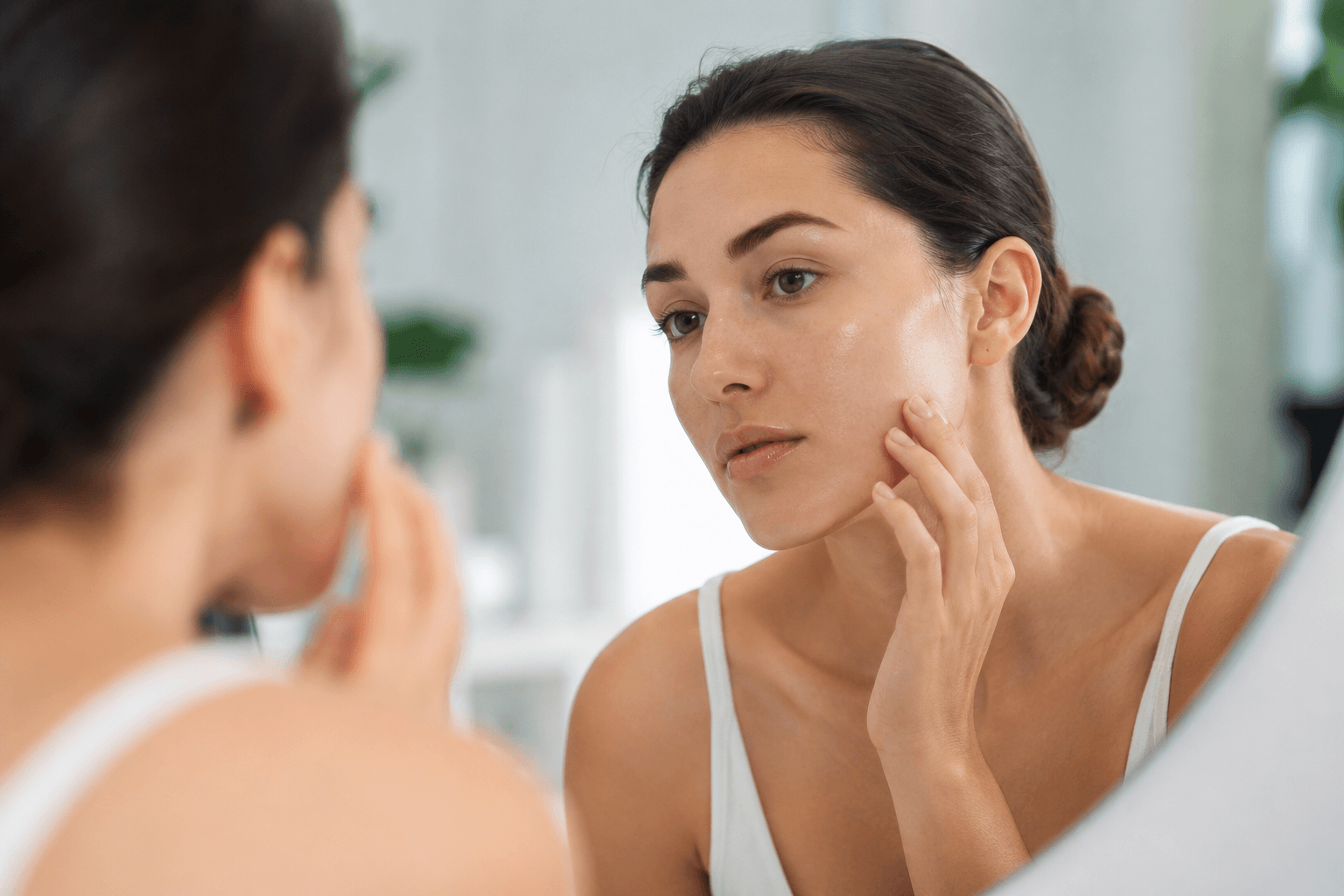
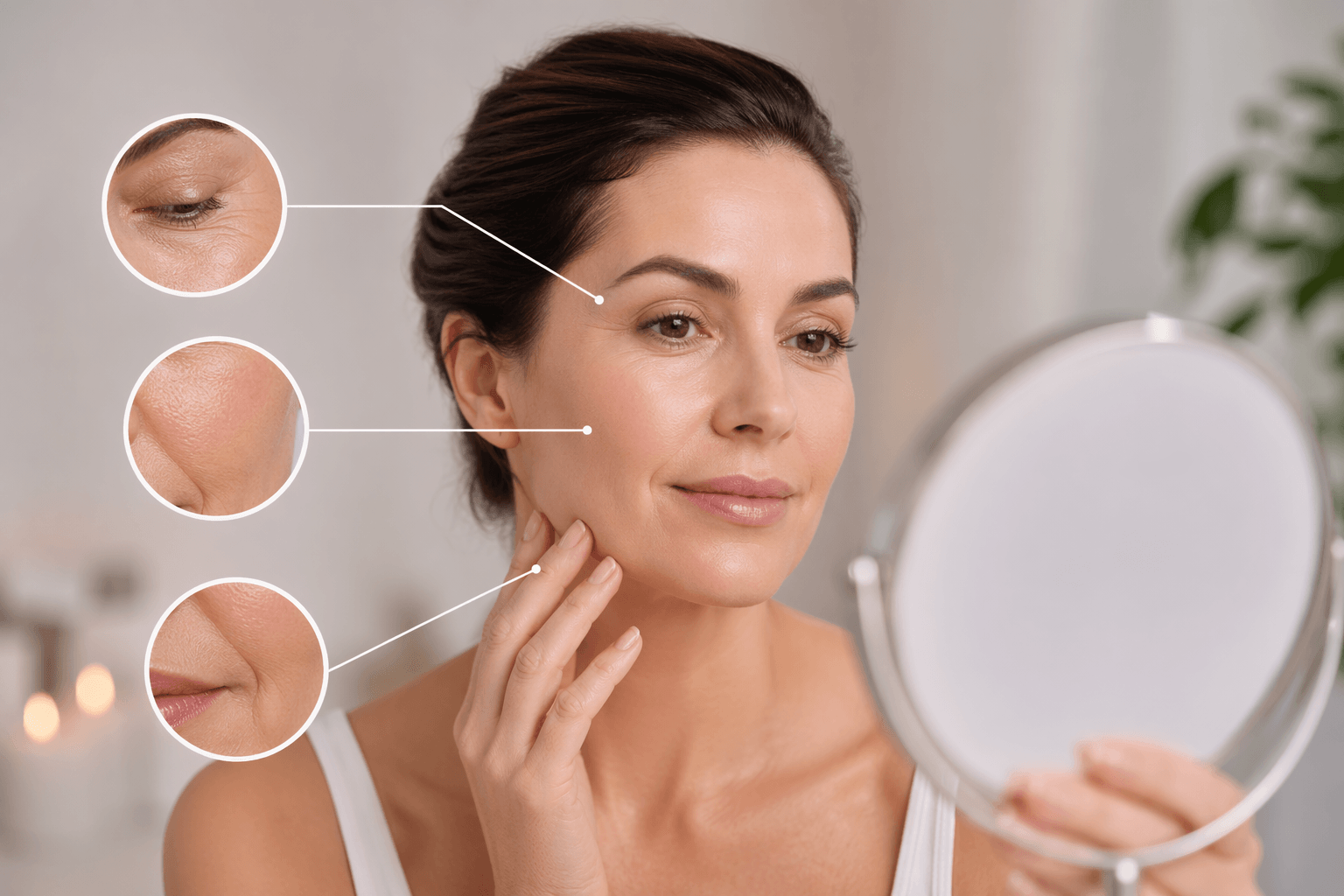
Well hydrated skin looks smoother, feels more comfortable, and reflects light evenly, which is exactly what gives skin that healthy glow people are always chasing. When hydration is low, skin looks tired even when you are not. Fine lines appear deeper, texture feels rougher, and makeup has a harder time sitting evenly. Proper skin hydration is really the foundation everything else in a skincare routine is built on.
This is one of the most misunderstood topics in skincare, and it matters more than most people realize.
Dry skin is a skin type. It is something you are more or less born with, caused by oil glands that naturally produce less sebum than average. People with dry skin usually deal with it consistently, in every season, and it tends to respond well to richer, oil-based moisturizers.
Dehydrated skin is a temporary condition, not a skin type, and here is the important part: any skin type can experience it, including oily and combination skin. Dehydration means your skin lacks water, not oil. That is why someone can have naturally oily skin and still feel tight, flaky, and dull. Adding more oil-based product to dehydrated skin does not necessarily fix the problem, because the issue is water content, not oil production.
Recognizing which one you are dealing with (or if it is both at once) changes what kind of treatment actually helps.
Dehydration tends to show up in a fairly recognizable pattern. Common signs include:
If several of these sound familiar, your skin is likely asking for more water, not more product.
Rockwall summers do skin no favors. Intense heat and strong Texas sun accelerate water loss through the skin's surface, a process dermatologists call transepidermal water loss. The more sun exposure and heat your skin deals with, the harder it has to work to hold onto moisture.
Then there is the flip side: indoor air conditioning. Most of us go from a hot car straight into heavily air conditioned homes, offices, and gyms almost every day here. That constant shift between heat and cold, dry air pulls moisture right out of the skin, which is part of why so many Rockwall locals notice dehydration creeping up even in the middle of summer.
A few other common culprits worth mentioning:
Put all of that together (heat, air conditioning, harsh products, dehydration, and age) and it is easy to see why so many people struggle to keep their skin comfortable and glowing year round.
Sometimes, yes. A good moisturizer with humectant ingredients like hyaluronic acid or glycerin can genuinely help pull water into the skin and hold it there. For mild, occasional dehydration, a solid skincare routine and staying consistent with water intake can go a long way.
But for a lot of people, topical products only get you so far. Moisturizer sits on the surface and can only do so much to influence deeper layers of skin. If dehydration has been building for months or years, or if it is paired with visible fine lines, dullness, or that rough texture we mentioned earlier, at home products often are not enough to fully reverse it. That is usually the point where a professional treatment becomes worth considering.
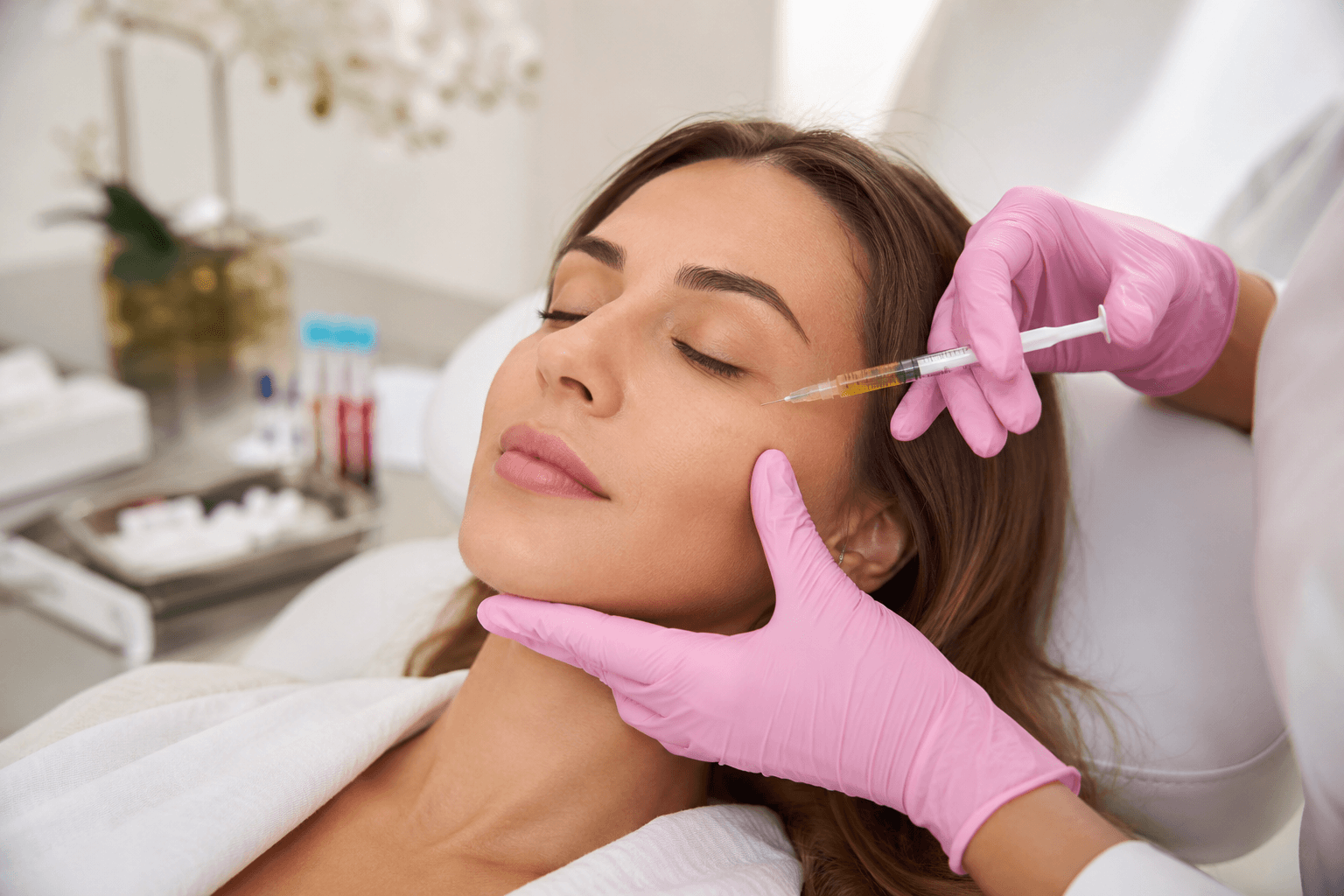
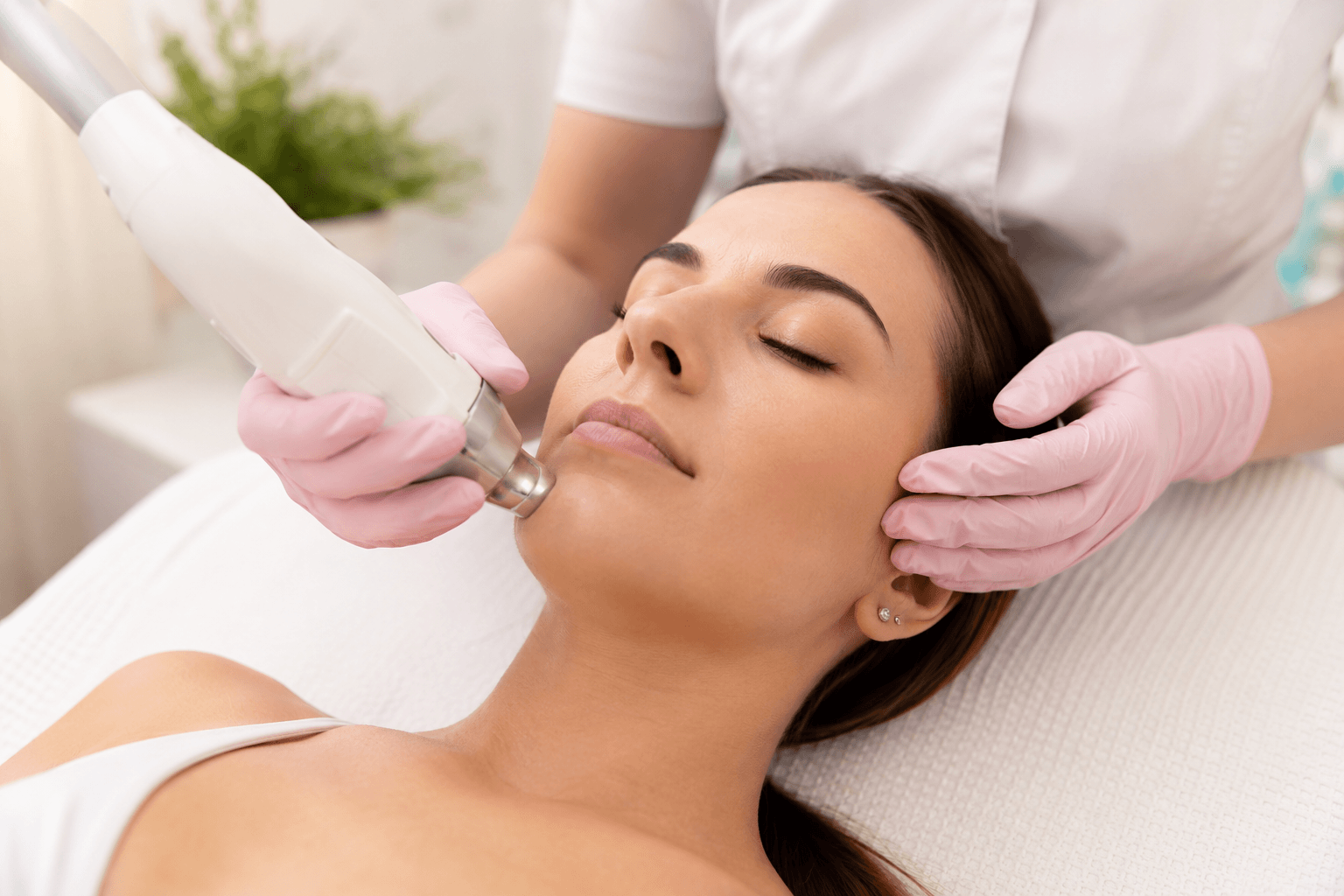
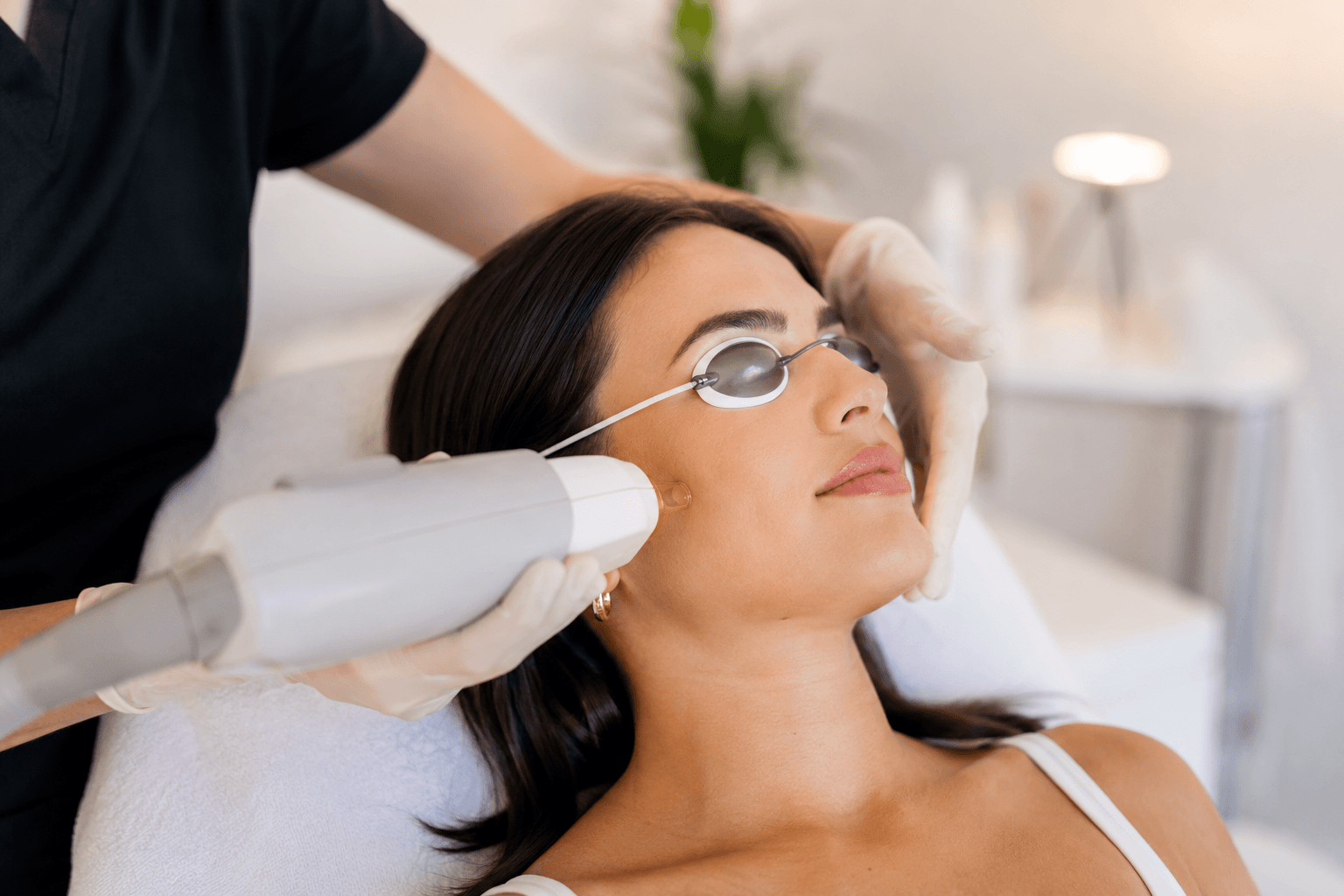
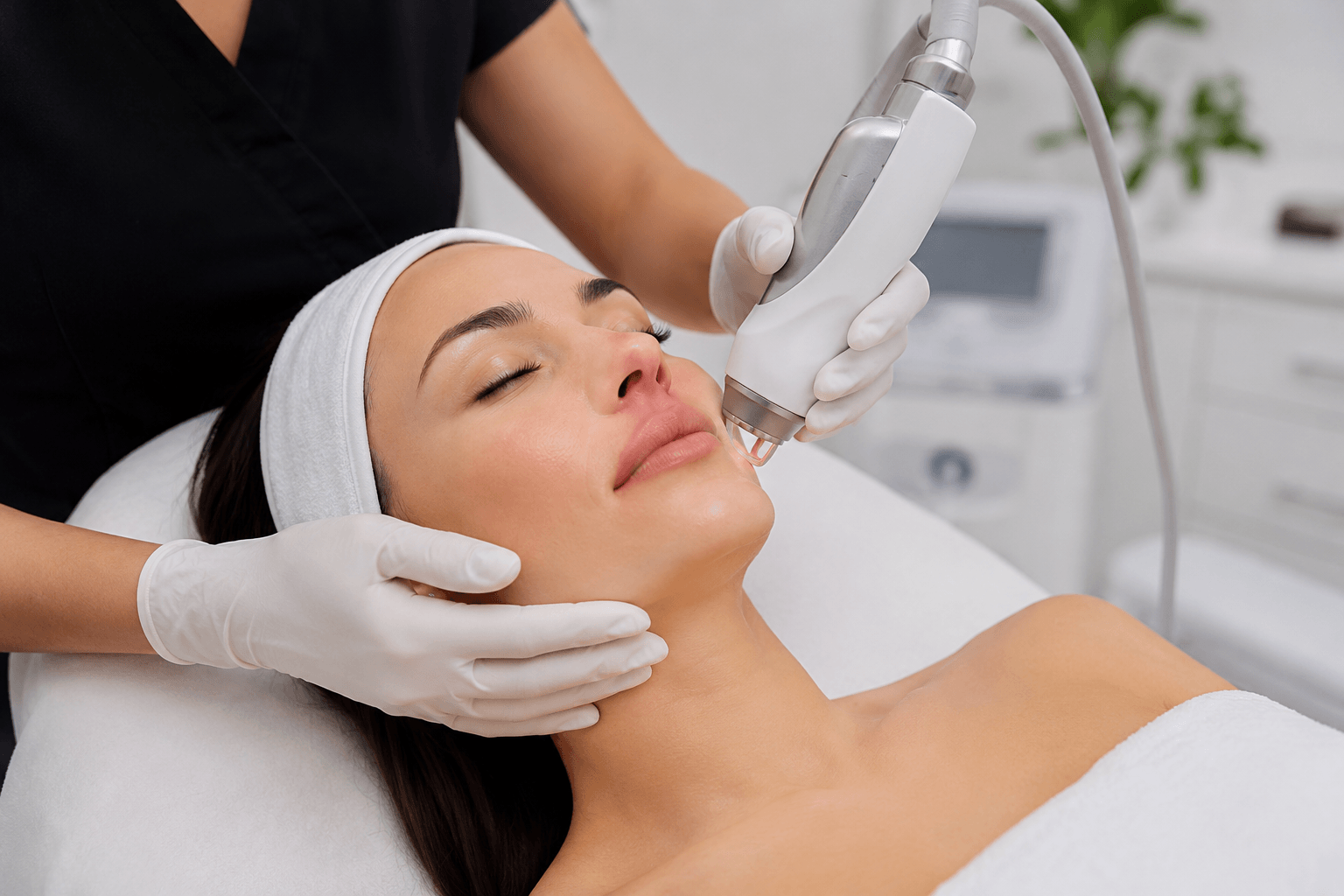
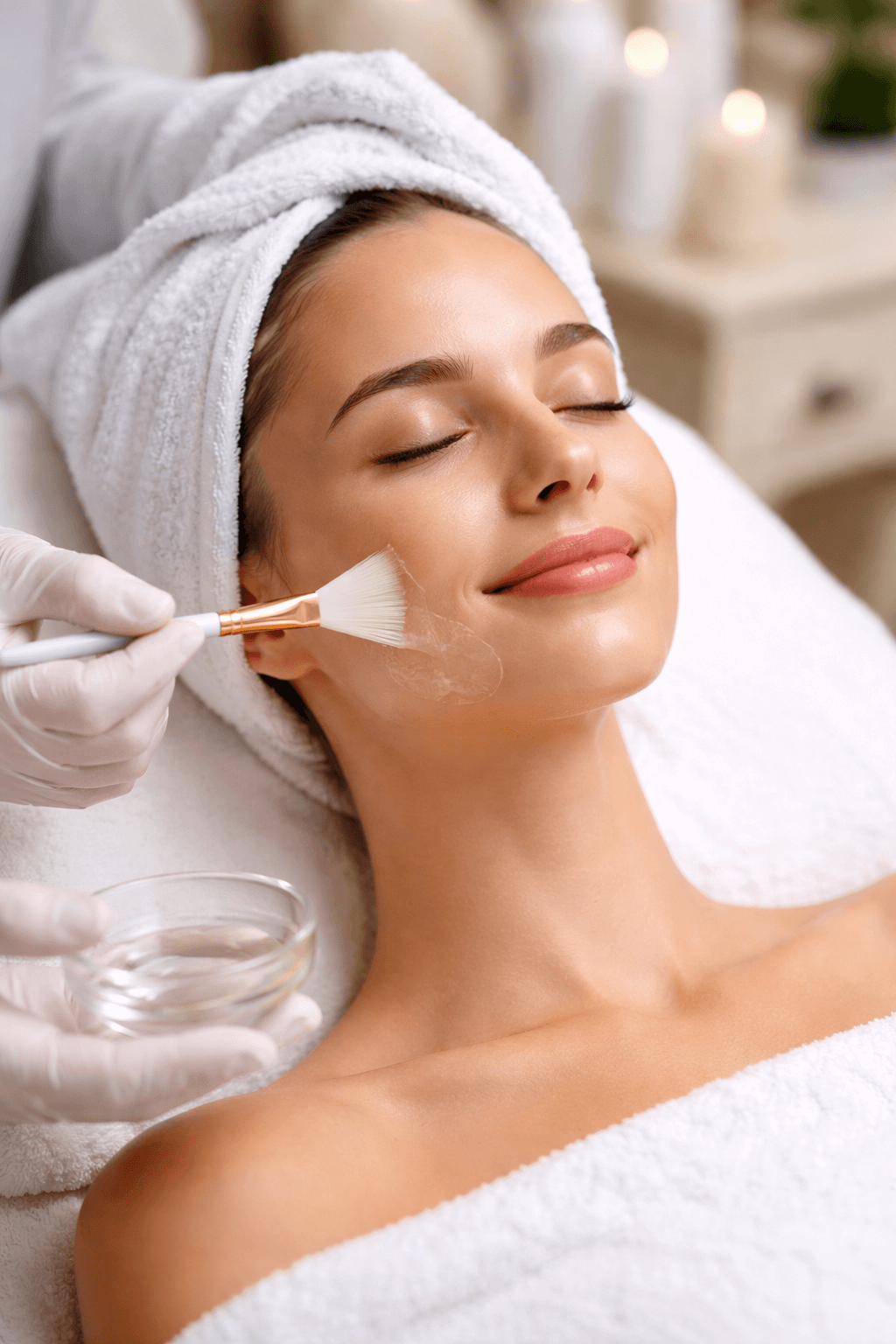
This is where in office treatments come in, because they are designed to deliver hydration to deeper layers of the skin rather than just coating the surface.
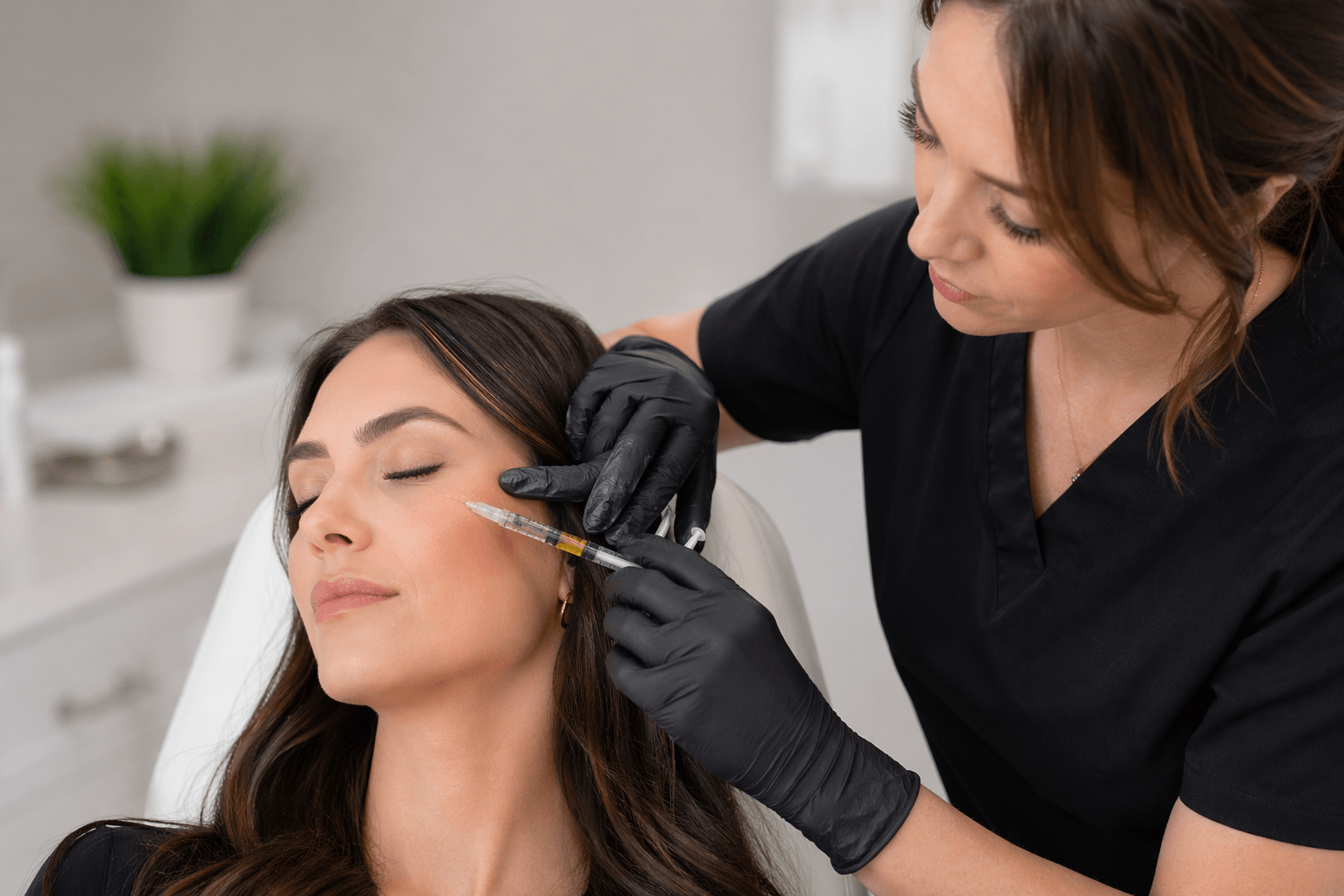
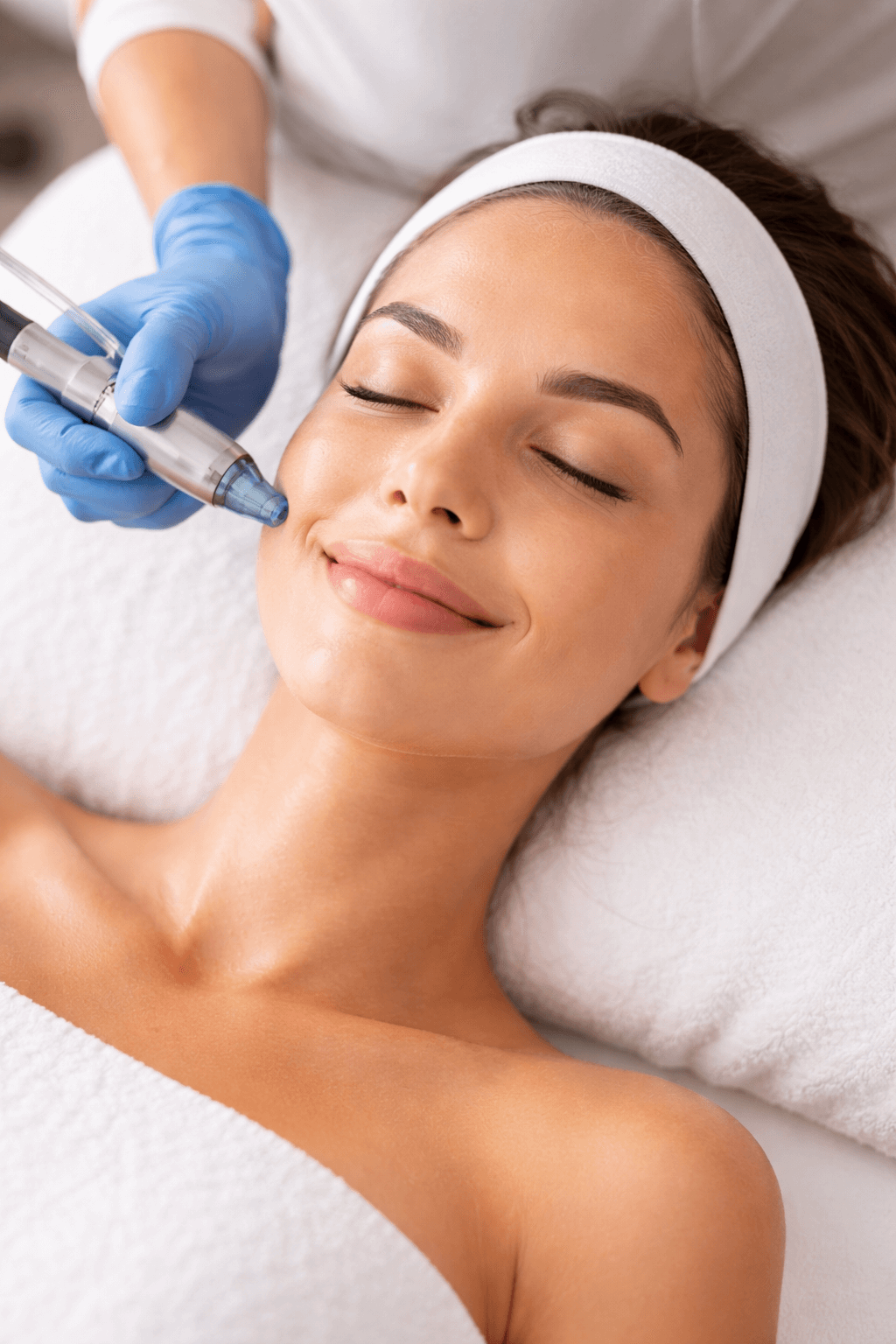
Hydrinity is one of the treatments we offer at ABA Aesthetics specifically built around restoring deep, lasting skin hydration. Rather than sitting on top of the skin the way a cream does, Hydrinity is formulated to work with the skin's own barrier function, helping it hold onto water more effectively over time instead of just delivering a temporary surface boost. For clients dealing with the tightness, flaking, and dullness of true dehydration, this kind of deeper approach tends to make a noticeable difference that a moisturizer alone simply cannot match.
It is a great option for anyone who has been layering on products at home without seeing the results they are hoping for, especially heading into another hot Rockwall season or coming out of months of dry, air conditioned indoor air.
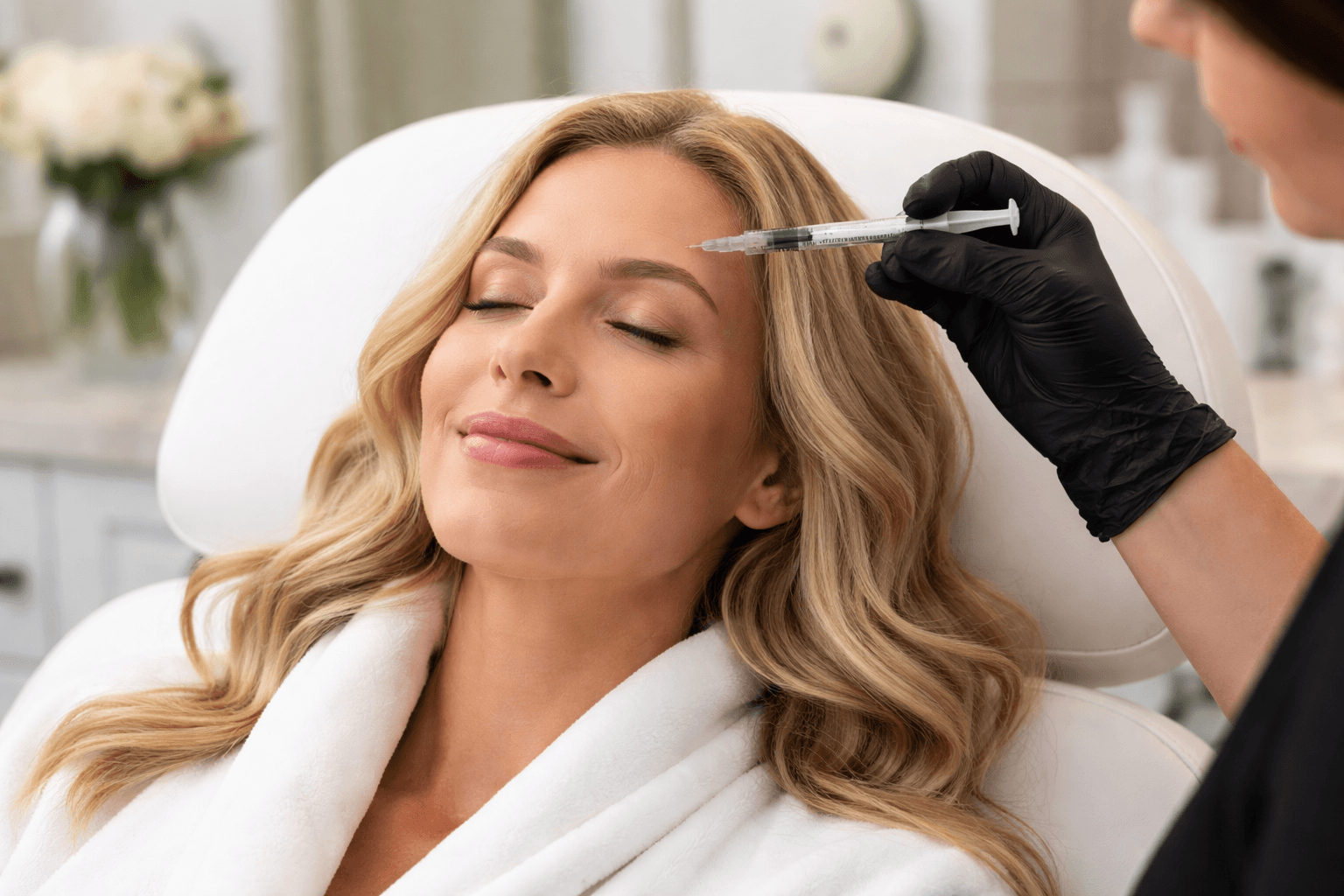
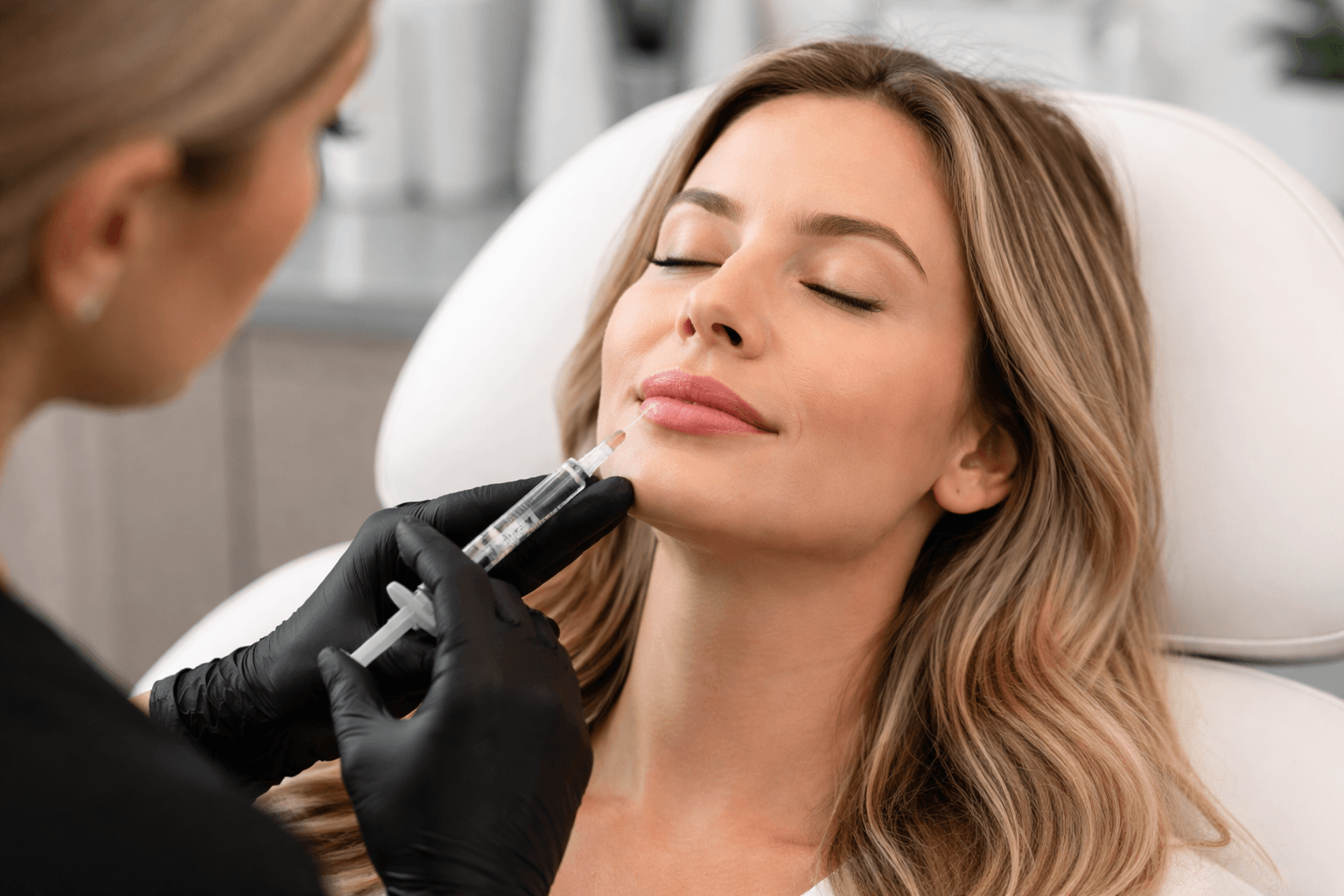
If your main concern is less about dryness and more about that overall lackluster, tired appearance, Skinvive is another option we offer that focuses on improving skin smoothness and glow from within. And for clients whose skin has lost some of its natural bounce and elasticity along with hydration, PRF (Platelet-Rich Fibrin) uses your body's own healing properties to support skin quality over time. Neither of these replaces Hydrinity as a dedicated hydration treatment, but they can complement your overall skin health goals depending on what you are trying to achieve.
If you are not sure which concern best describes what you are seeing in the mirror, our Dry & Dehydrated Skin and Dullness & Lack of Glow pages both break things down in more detail and can help point you toward the right starting place.
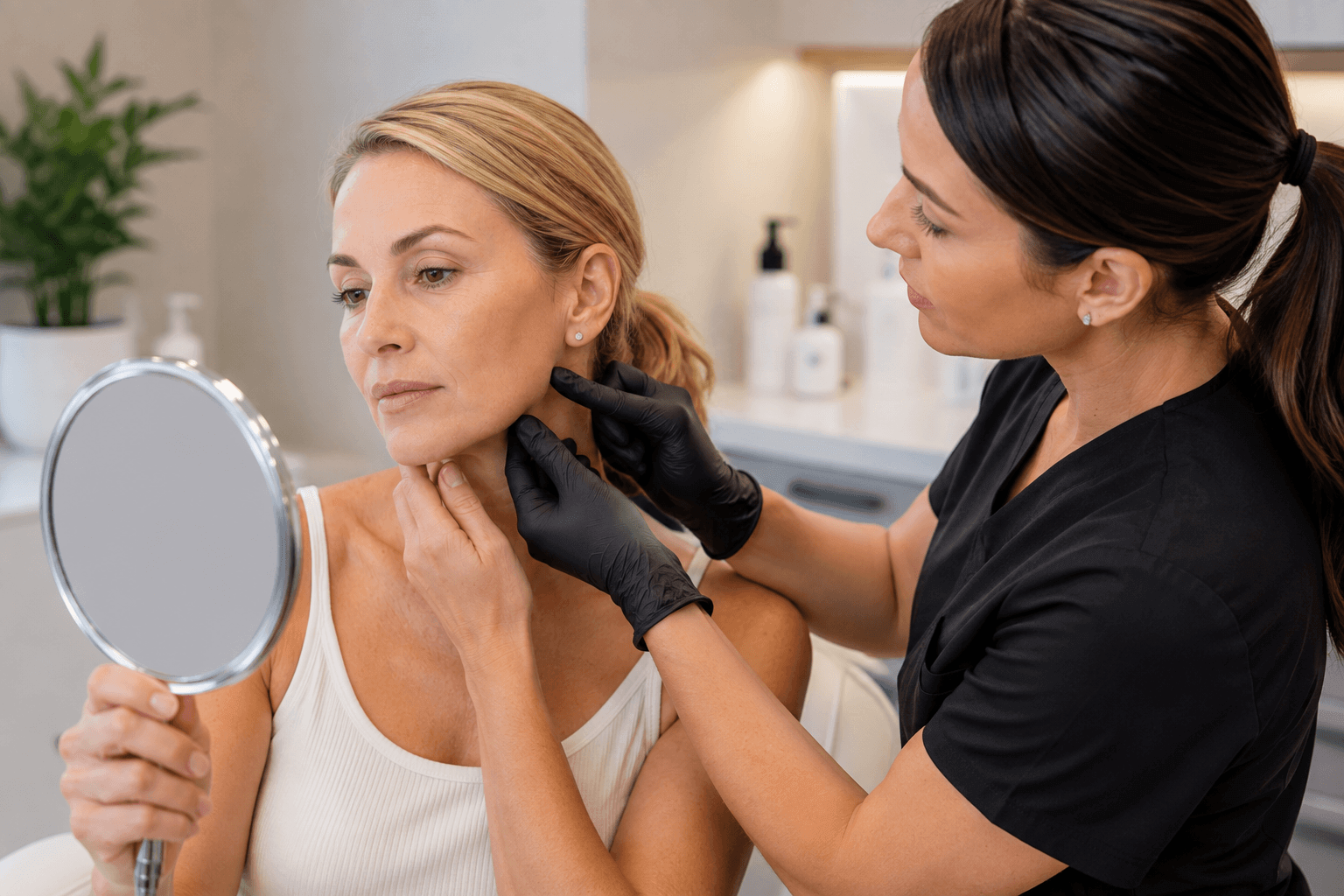
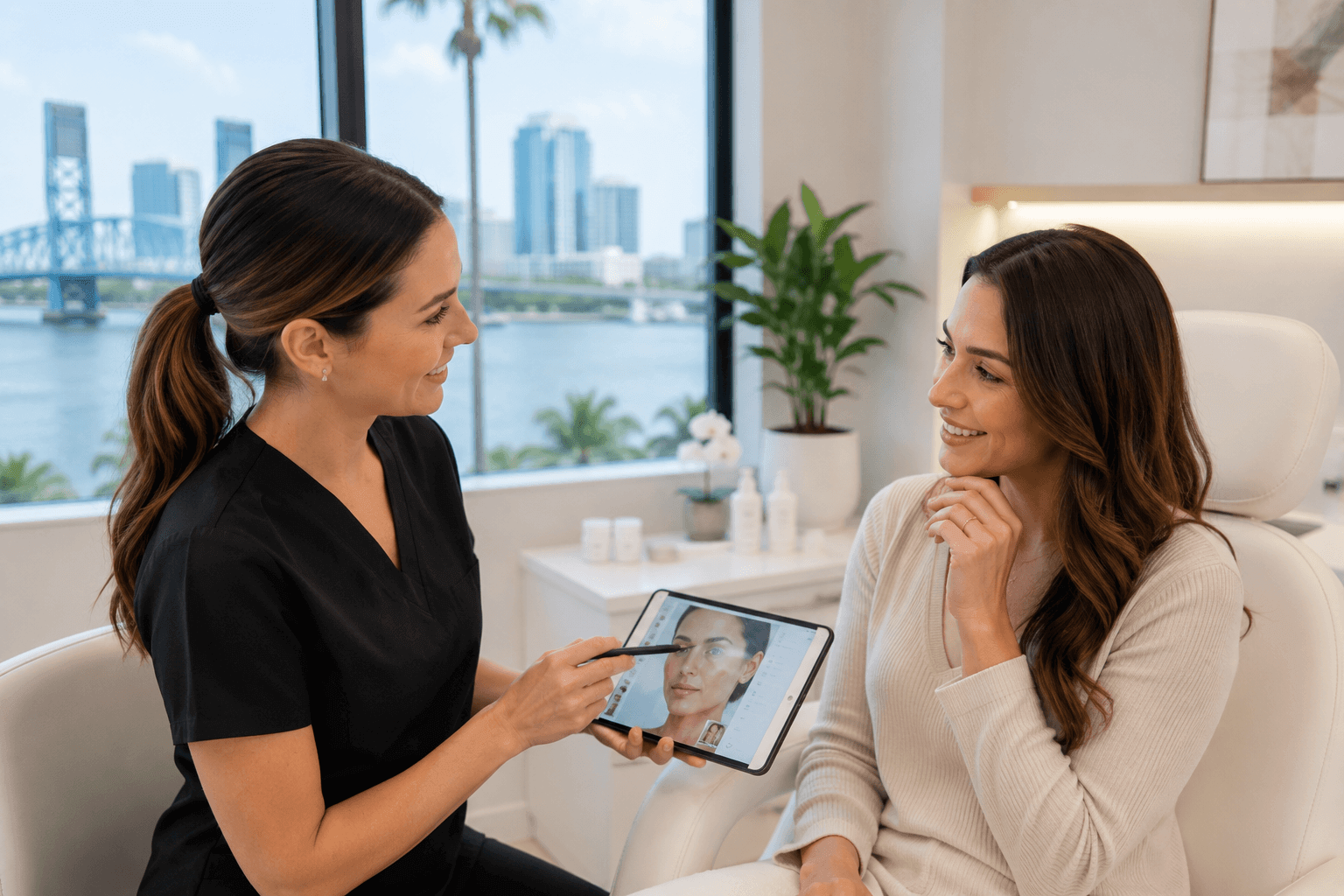
Most people dealing with ongoing tightness, flaking, dullness, or texture changes are reasonable candidates, regardless of whether their underlying skin type is oily, combination, or dry. It is especially worth considering if you have already adjusted your at home routine, upped your water intake, and switched to a gentler cleanser, but you are still not seeing the improvement you expected. A quick consultation is really the best way to figure out whether Hydrinity, Skinvive, PRF, or some combination fits your particular skin best, since everyone's skin history and goals look a little different.
This information was reviewed and updated this September 2026 to reflect the latest guidance we share with clients here in Rockwall.
Dehydrated skin is frustrating because it feels like you are doing everything right and still not seeing results. The good news is that once you understand what your skin actually needs, getting back to smooth, comfortable, glowing skin is very achievable. If you are ready to see what real skin hydration can look like for you, our team at ABA Aesthetics Medspa would love to help you figure out the right plan. Feel free to browse our full list of services, and keep an eye on our current specials if you are ready to schedule a visit.
How do I know if my skin is dehydrated instead of just dry? Dry skin is a consistent skin type caused by low oil production, while dehydrated skin is a temporary lack of water that any skin type can experience. If your skin feels tight, looks dull, or shows more visible fine lines even though you moisturize regularly, dehydration is likely the cause rather than your natural skin type.
Can drinking more water alone fix dehydrated skin? Drinking enough water supports overall skin hydration, but it is usually not enough on its own, especially in a hot climate like Rockwall. Topical hydrating products and, for more stubborn cases, professional treatments like Hydrinity are often needed to fully restore comfortable, hydrated skin.
Why does my skin feel more dehydrated in the summer even though it is hot outside? Heat and sun exposure actually increase water loss through the skin, and moving between hot outdoor air and cold, dry indoor air conditioning makes it worse. This constant shift is one of the most common causes of skin hydration issues we see in Rockwall throughout the warmer months.
What makes Hydrinity different from a regular moisturizer? A moisturizer mostly works on the surface of the skin, while Hydrinity is designed to support the skin's barrier function and help it retain water more effectively over time. That makes it a stronger option for people dealing with ongoing dehydration rather than an occasional dry patch.
How soon will I notice a difference in my skin's hydration? Many clients notice smoother, more comfortable feeling skin fairly quickly after a professional hydration treatment, though results can vary depending on how dehydrated the skin was to begin with. A consultation is the best way to get a realistic timeline based on your specific skin.