
.png)


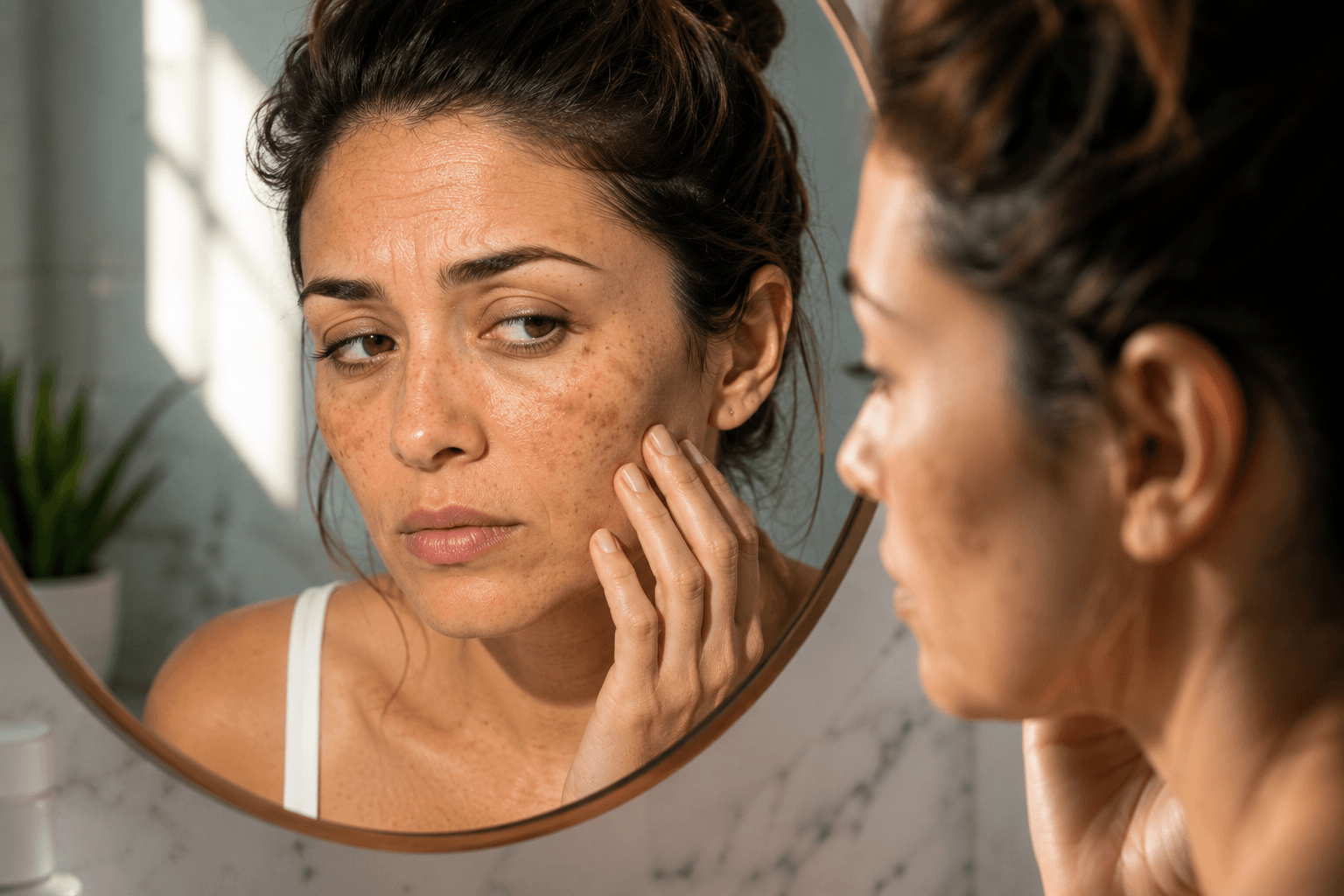
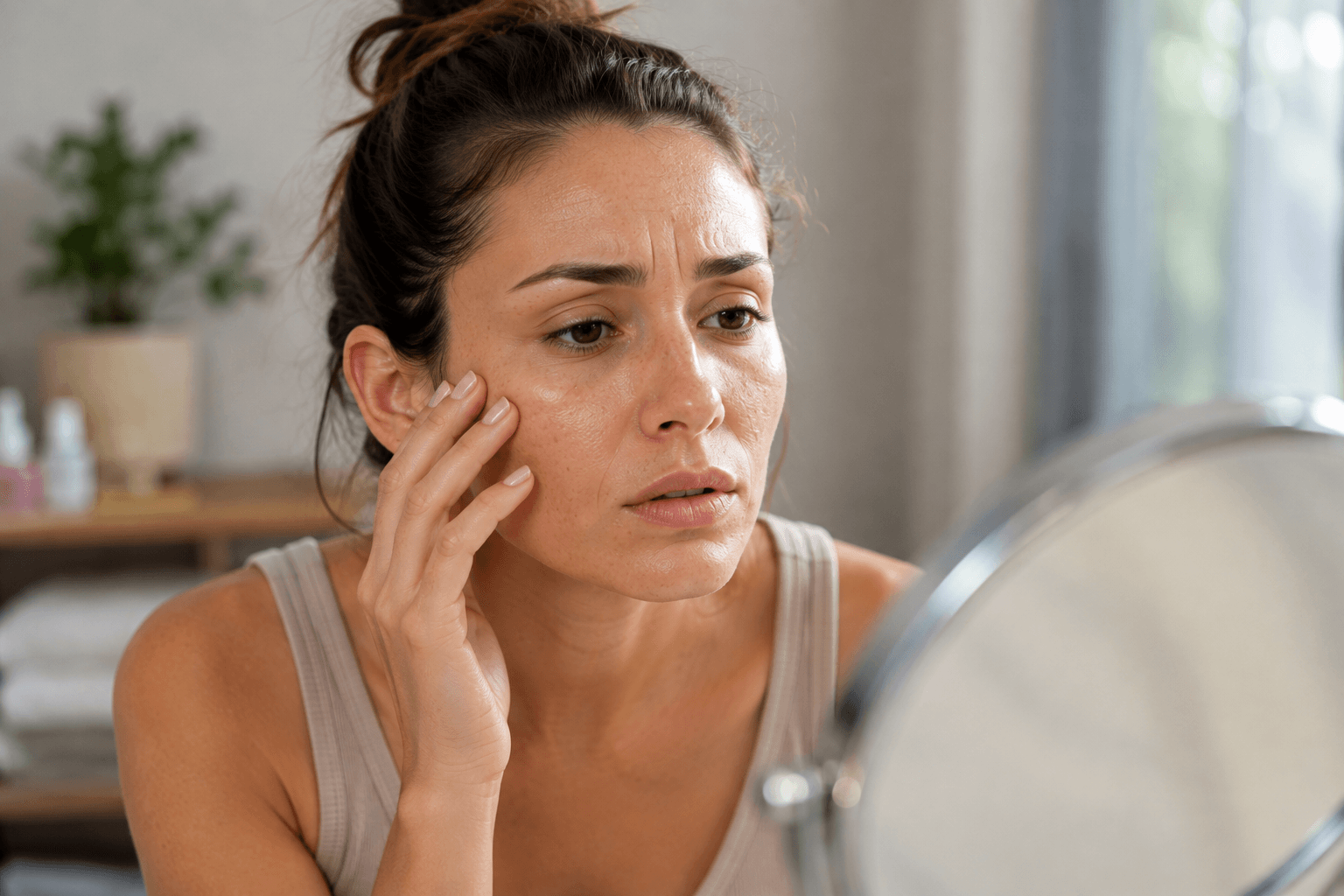
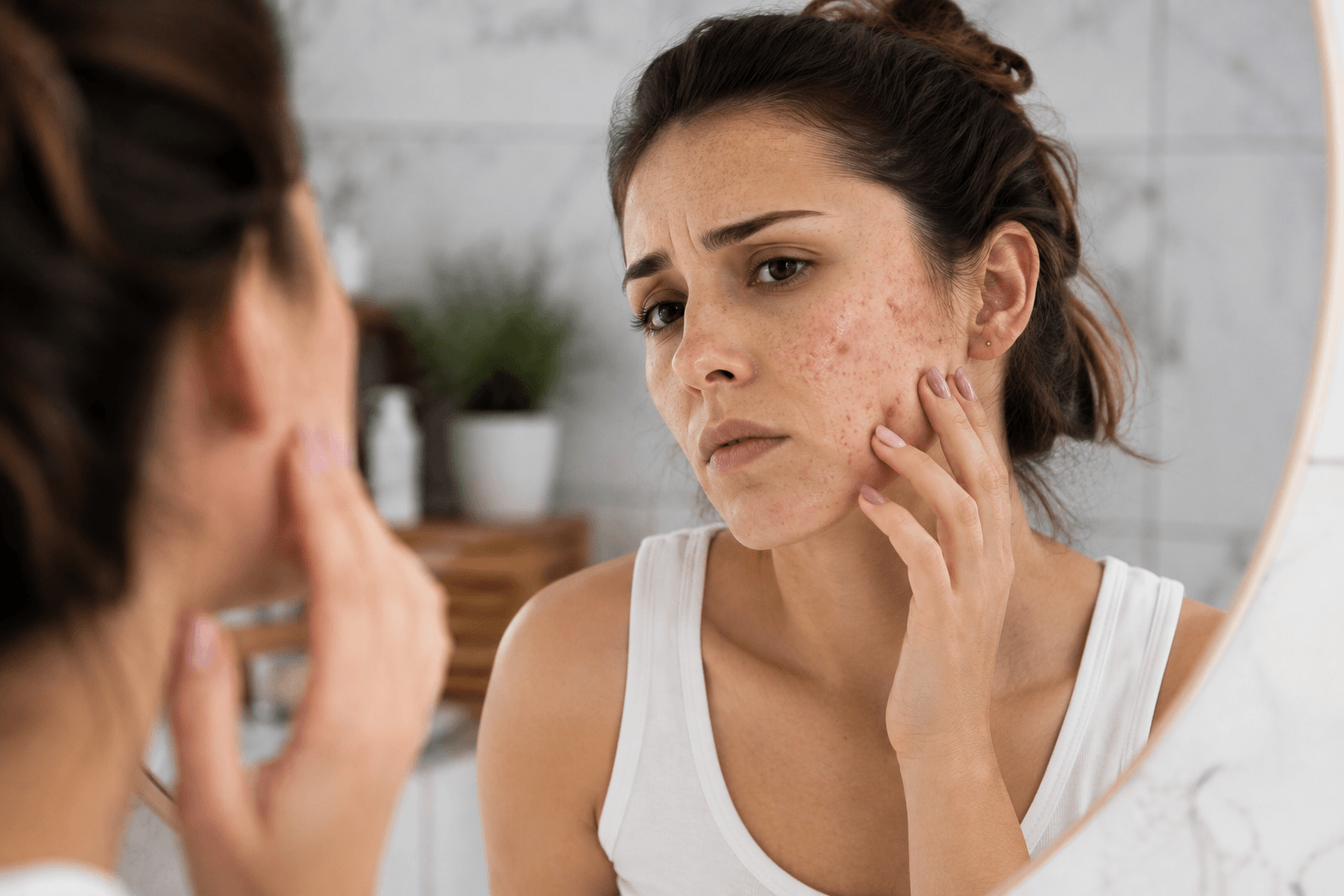
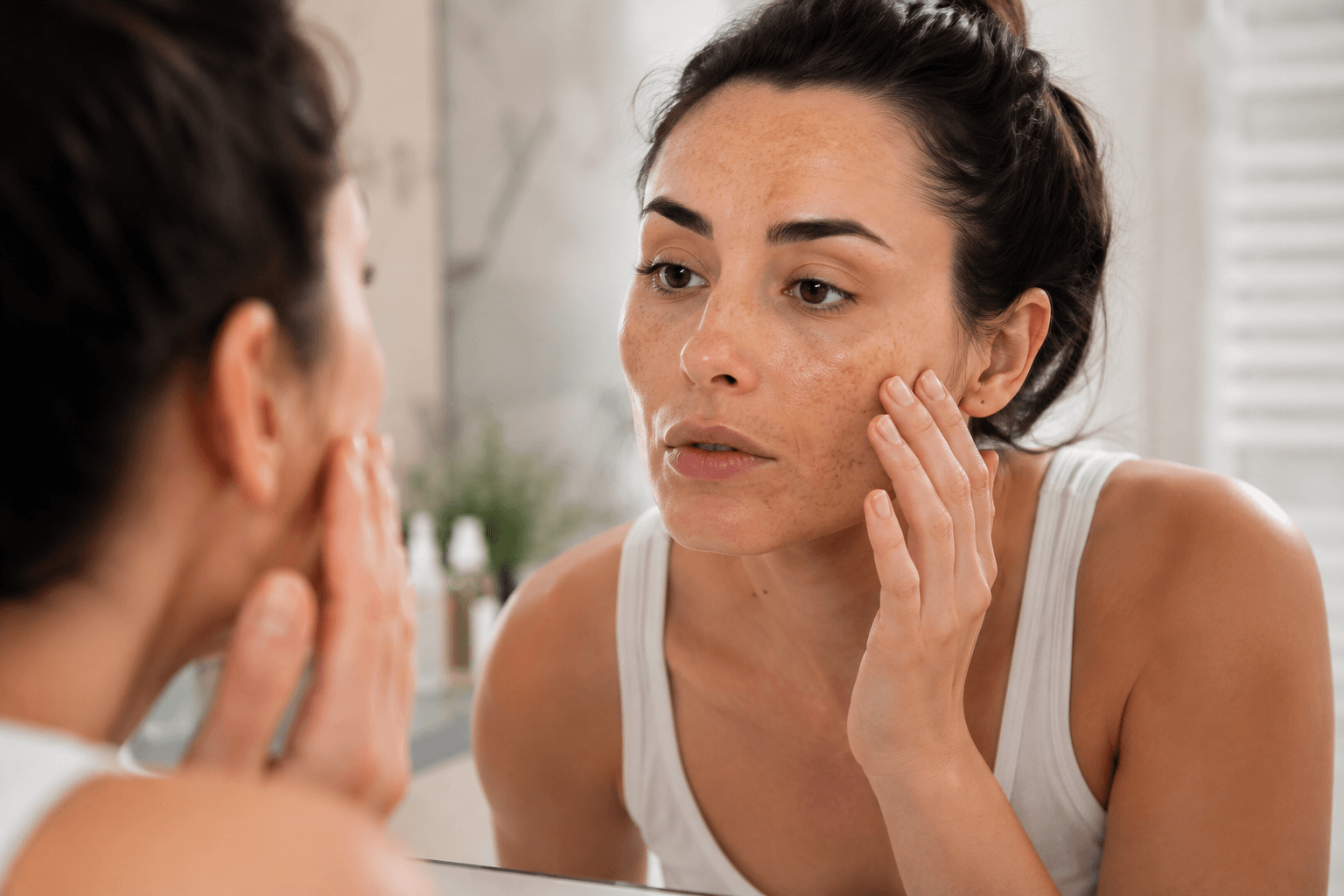
If you have lived in Rockwall for more than a few Texas summers, you already know the sun does not play fair. One season of long days at Lake Ray Hubbard, weekend drives with the windows down, or simply walking to your car in the parking lot can leave behind more than a tan. It can leave behind spots that never quite fade, patches of skin that look darker than the rest, and a complexion that feels rougher and duller than it used to. If you have been staring in the mirror wondering why your skin tone looks uneven no matter how much serum you apply, you are not imagining it, and you are definitely not alone.
The good news is that sun damage and hyperpigmentation are not something you have to live with forever. Once you understand what is actually happening beneath the surface of your skin, it becomes much easier to choose the right path forward, whether that starts with your skincare routine or moves toward a more targeted professional treatment like a laser peel in Rockwall.
Skin discoloration rarely has one single cause. It is usually a combination of factors that build up over time.
Every time your skin is exposed to ultraviolet light, your body responds by producing more melanin, the pigment responsible for skin color. This is your skin's natural defense mechanism against UV damage. The problem is that repeated sun exposure over months and years can cause melanin to cluster in certain areas rather than distributing evenly, which is how sunspots, freckles, and larger patches of hyperpigmentation form.
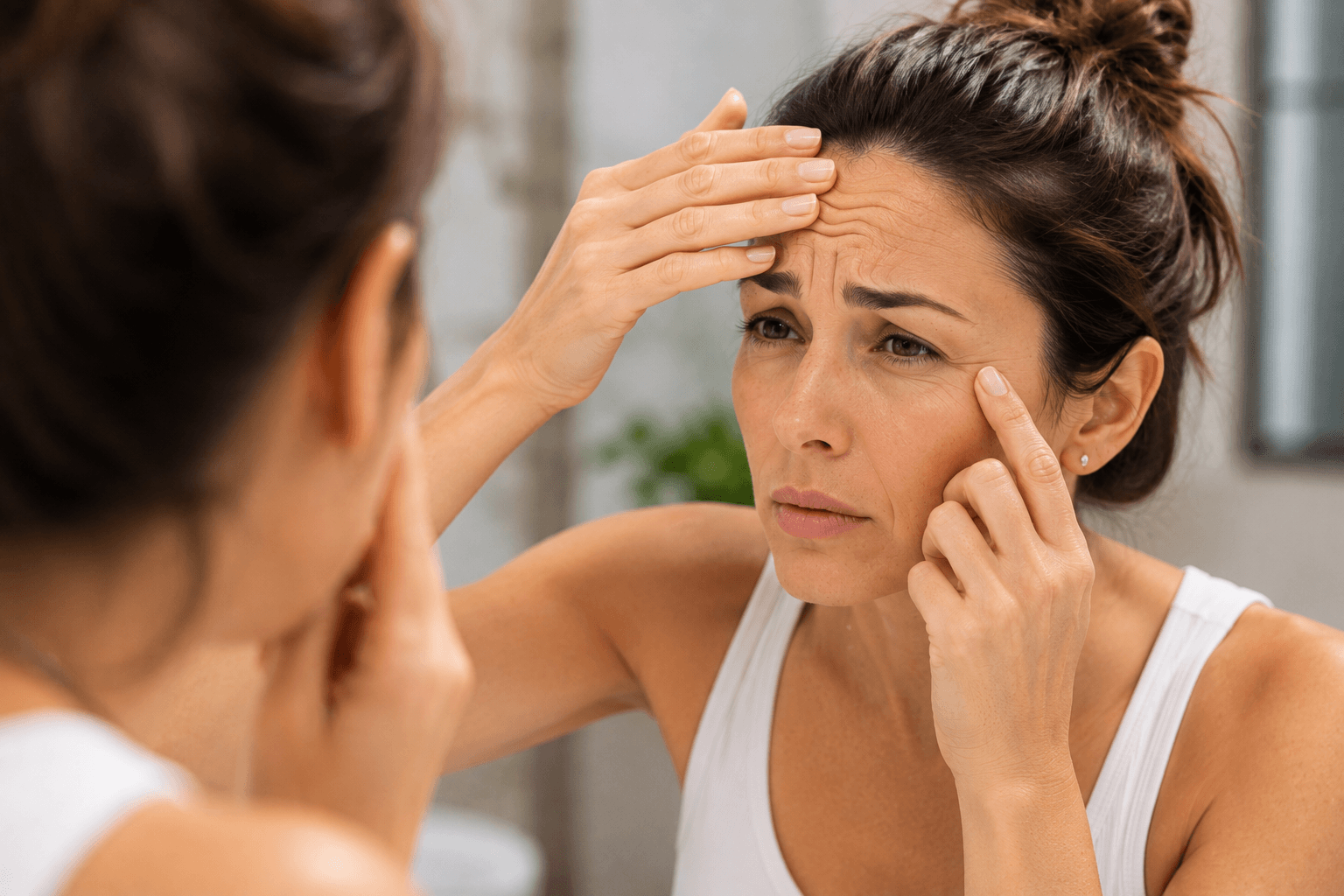
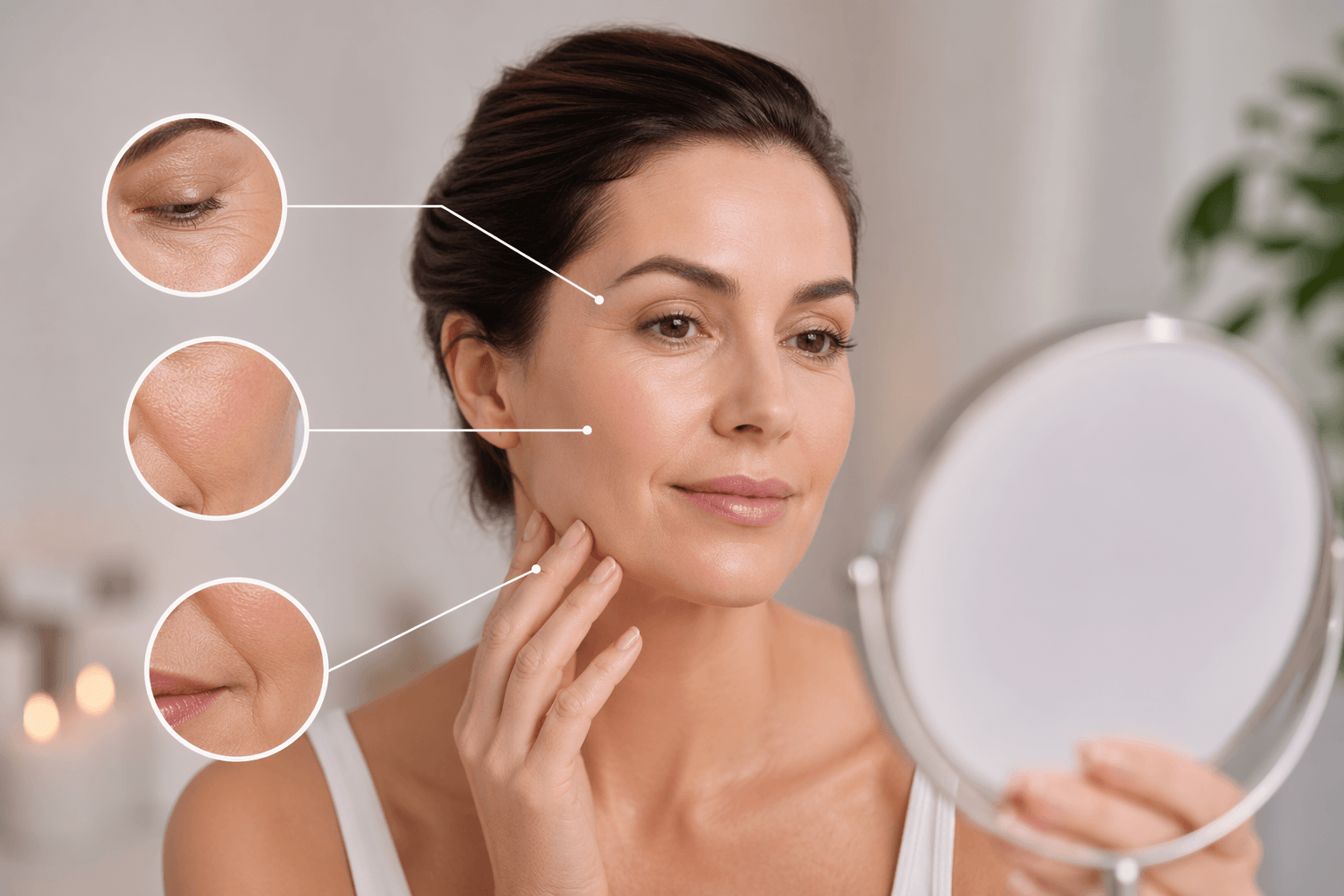
Sun damage is cumulative. That means the sunburn you got at sixteen, the summers spent without sunscreen, and the decade of daily sun exposure while driving or walking outside are all adding up in your skin's deeper layers, even if you cannot see the effects yet. As collagen production naturally slows with age, skin also becomes less efficient at repairing that accumulated damage, which is why dark spots and uneven tone tend to become more noticeable in your thirties, forties, and beyond.
Hormonal shifts from pregnancy, birth control, or thyroid changes can trigger a type of pigmentation called melasma, which often appears as symmetrical brown or gray patches on the cheeks, forehead, and upper lip. Melasma is particularly stubborn because sun exposure makes it worse, creating a frustrating cycle for many women.
According to the American Academy of Dermatology, sun exposure is the leading preventable cause of premature skin aging and pigmentation changes, and consistent sun protection combined with professional treatment is the most effective way to manage existing damage while preventing new spots from forming.
North Texas is not exactly known for mild weather. Rockwall residents get an average of well over 200 sunny days a year, and the summer heat index regularly pushes past triple digits. That means most people in this area are getting meaningful UV exposure almost year round, not just during a two week beach vacation. Add in time spent boating on the lake, walking dogs in the neighborhood, or simply commuting with sun streaming through the car window, and the cumulative UV load adds up faster than most people realize.
This is part of why so many longtime Rockwall residents notice dark spots, redness, and rough texture appearing earlier than they expected. It is not that your skin is particularly sensitive. It is that Texas sun is intense, consistent, and often underestimated.
Not all discoloration lives at the same depth, which is an important distinction when deciding how to treat it.
Surface pigmentation sits in the outer layer of skin, the epidermis. This includes freckles and lighter sunspots that tend to respond well to consistent skincare, gentle exfoliation, and topical brightening ingredients.
Deeper damage lives in the dermis, the layer beneath the surface, and often shows up as more stubborn dark patches, a leathery texture, visible broken capillaries, or fine lines layered on top of the discoloration. This type of damage generally does not respond to topical products alone because those products cannot reach deep enough to make a real difference. This is where professional treatment becomes far more effective.
There is nothing wrong with starting with a solid skincare routine. Daily sunscreen, vitamin C serums, and gentle exfoliants can help maintain results and slow new pigmentation from forming. Many of our clients also see meaningful improvement using medical grade products like Skinbetter Science or Hydrinity, which are formulated to support skin health and tone over time.
That said, skincare has limits. If you are dealing with sunspots that have been there for years, uneven tone across large areas of your face, or texture changes from sun damage, topical products alone are unlikely to resolve it. That is when a professional treatment designed to resurface the skin becomes the more realistic path to visible change.
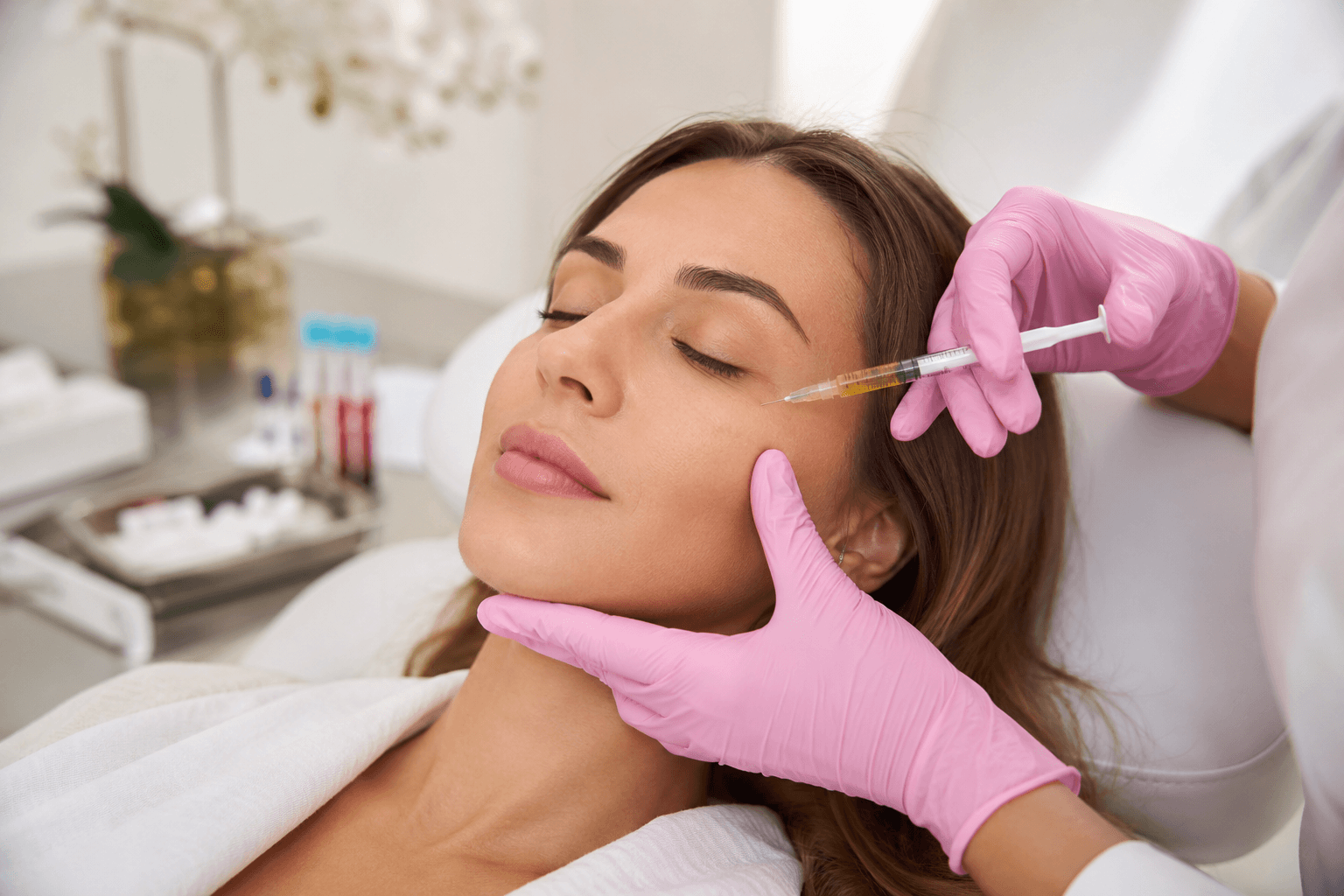
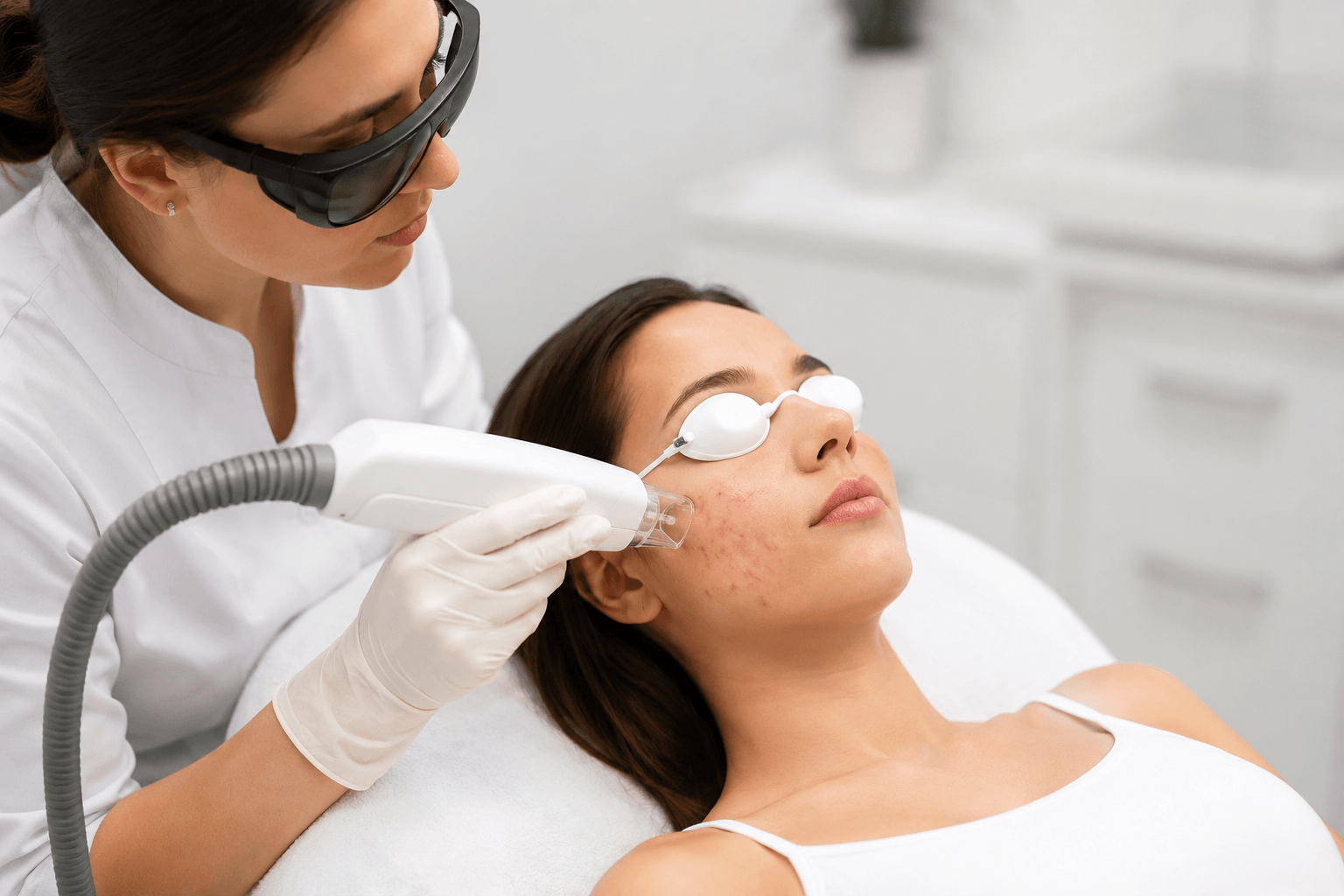
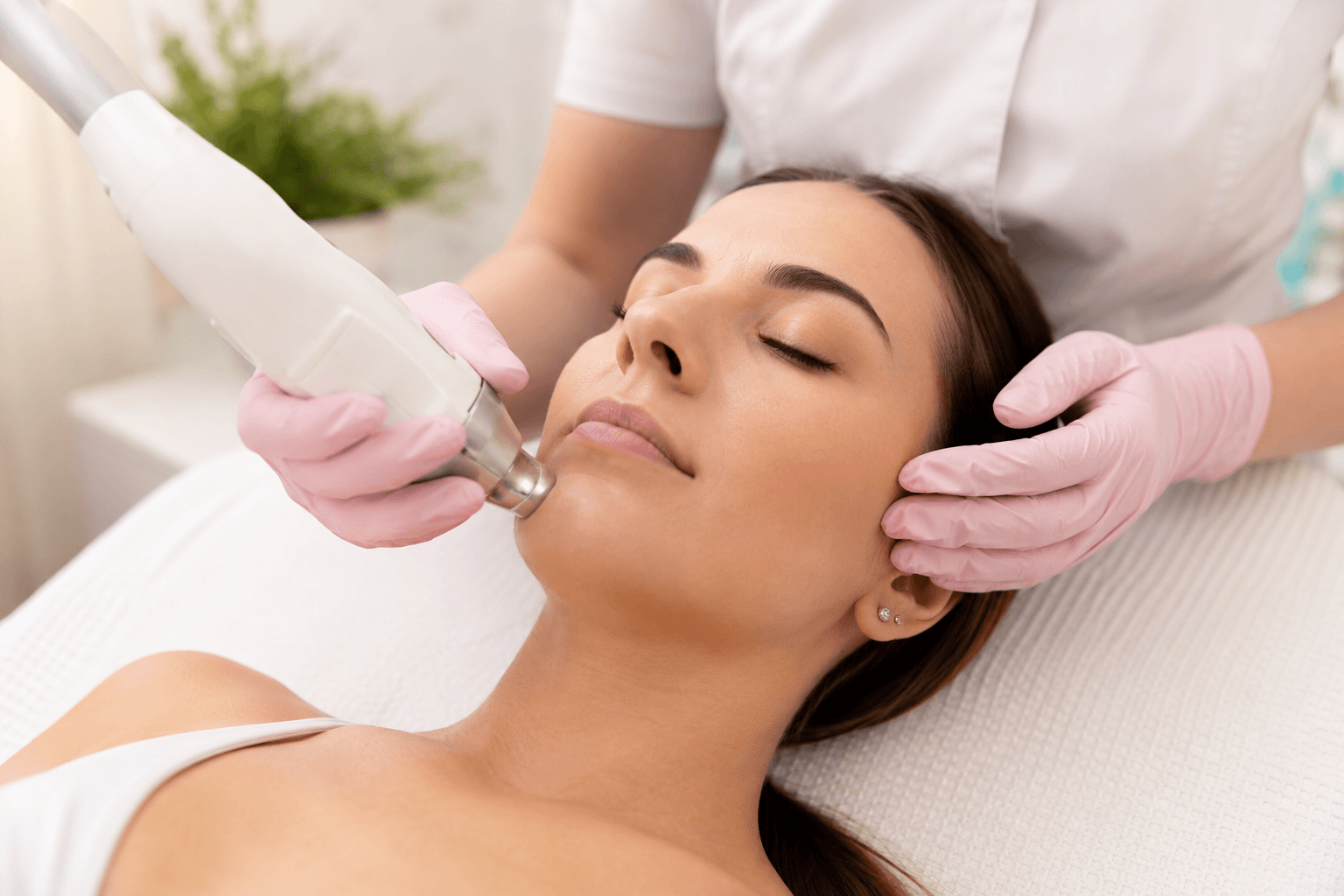
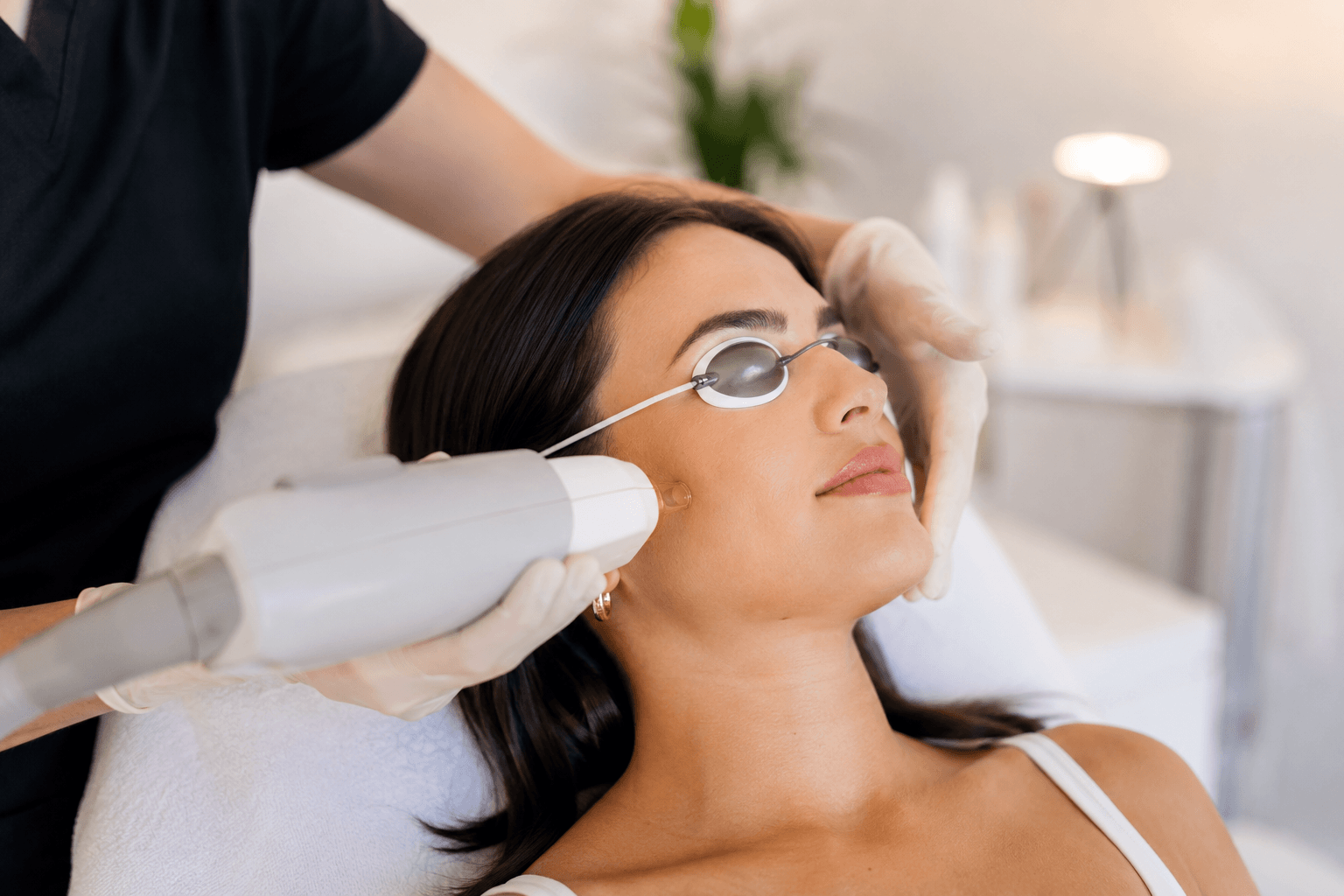
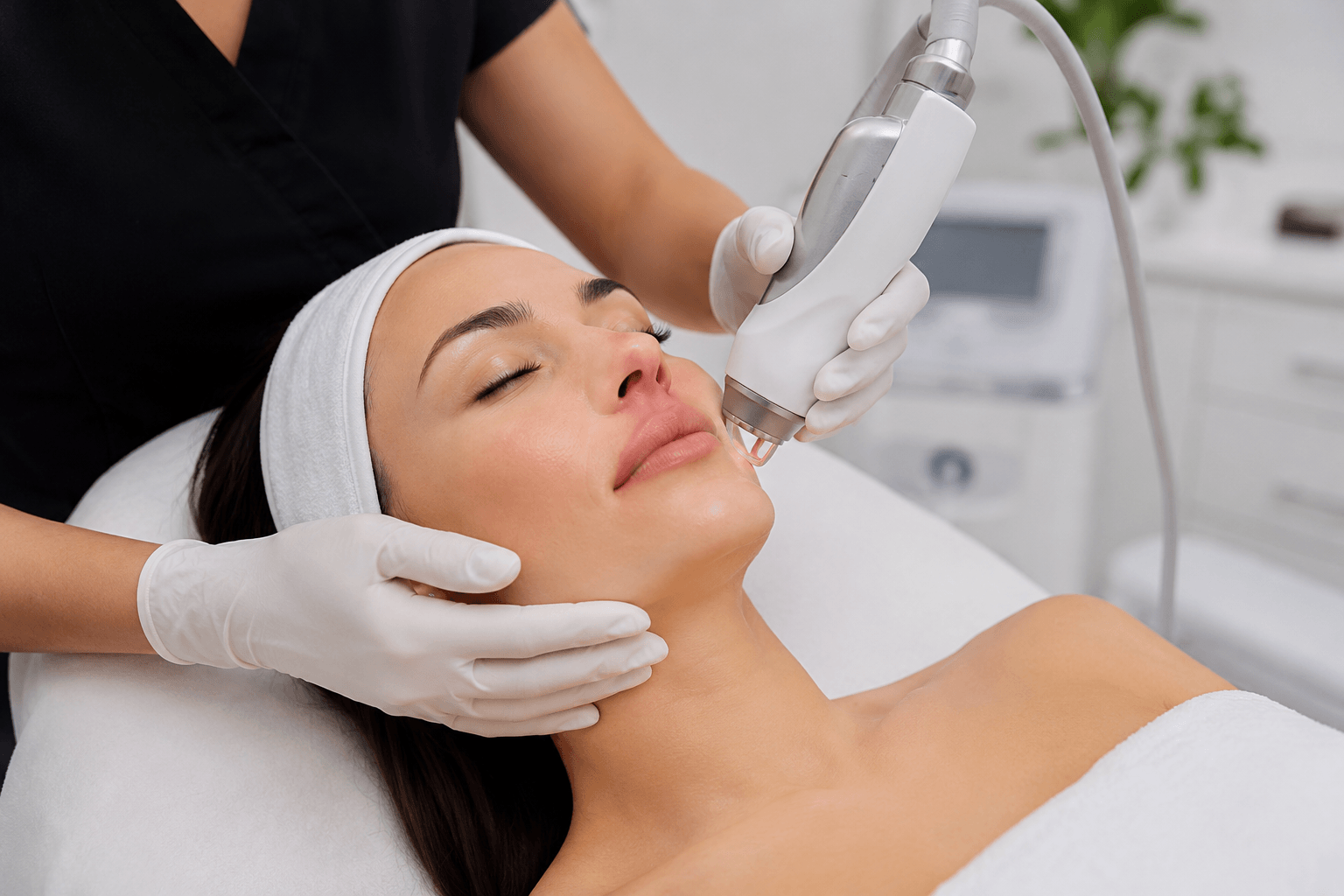
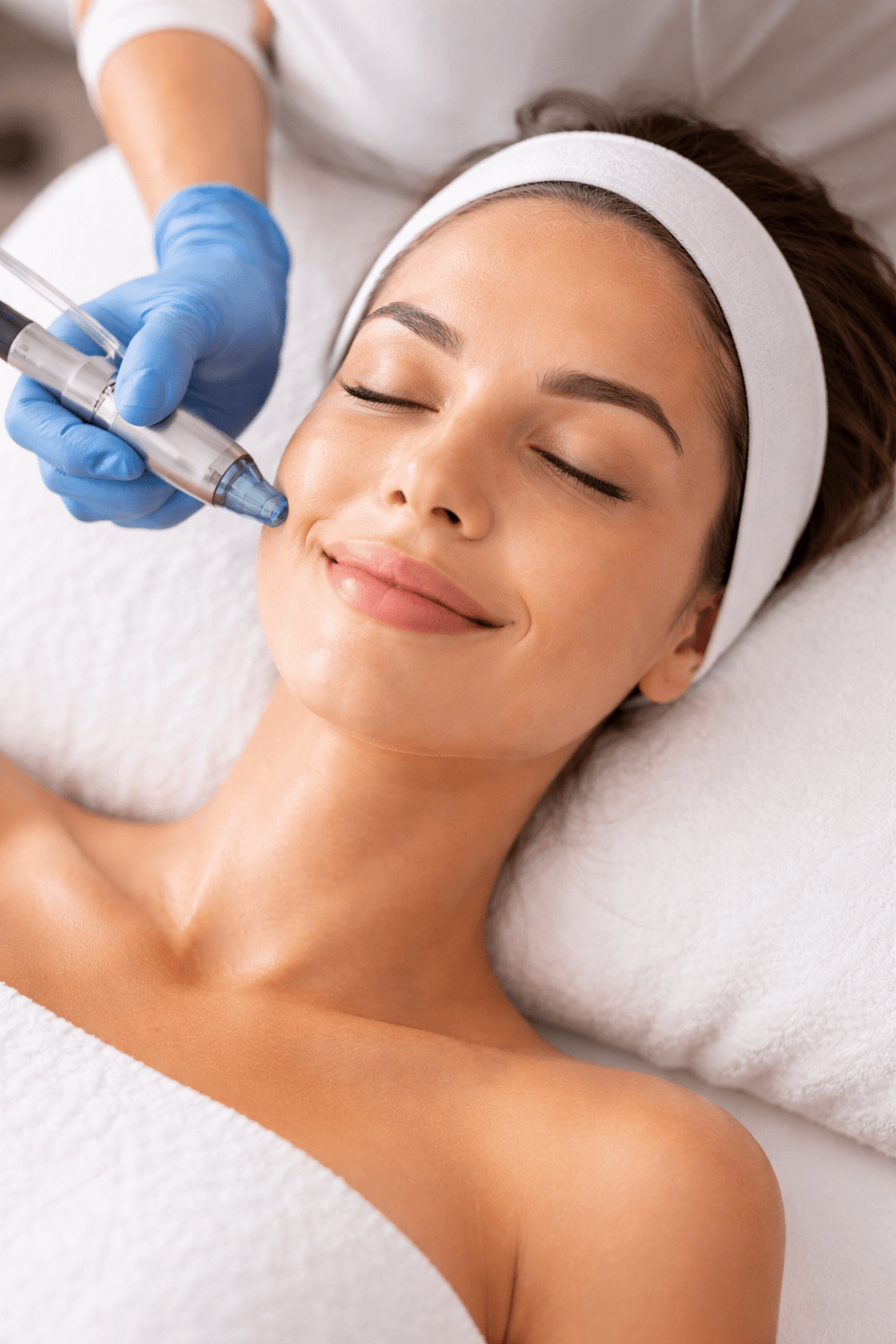
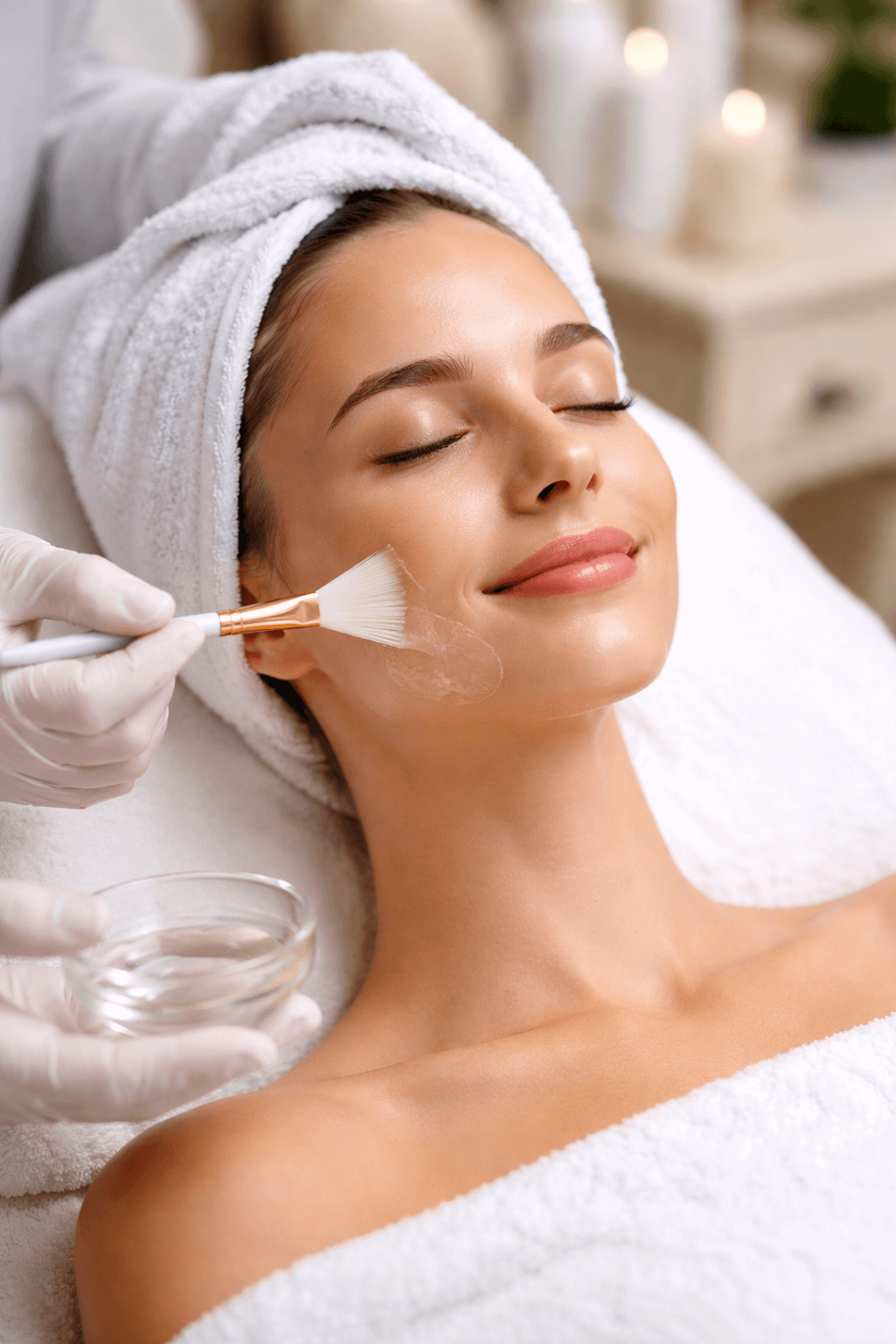
A laser peel works by using targeted light energy to remove damaged surface skin cells and stimulate the deeper layers to regenerate healthier tissue. Instead of just masking discoloration, it addresses the pigment that is already there while encouraging fresh, more evenly toned skin to take its place. Over the course of treatment, this process helps fade sunspots, soften rough texture, and restore a more consistent, radiant skin tone.
At ABA Aesthetics Medspa, our skin resurfacing laser peel is one of the treatments we use most often for clients dealing with hyperpigmentation and dark spots as well as general uneven skin tone. It is worth noting that a laser peel works differently than a chemical peel, which uses a chemical solution rather than light energy to exfoliate the skin. Both can be effective depending on your skin type and goals, and our team will help you determine which approach fits your skin best during a consultation.
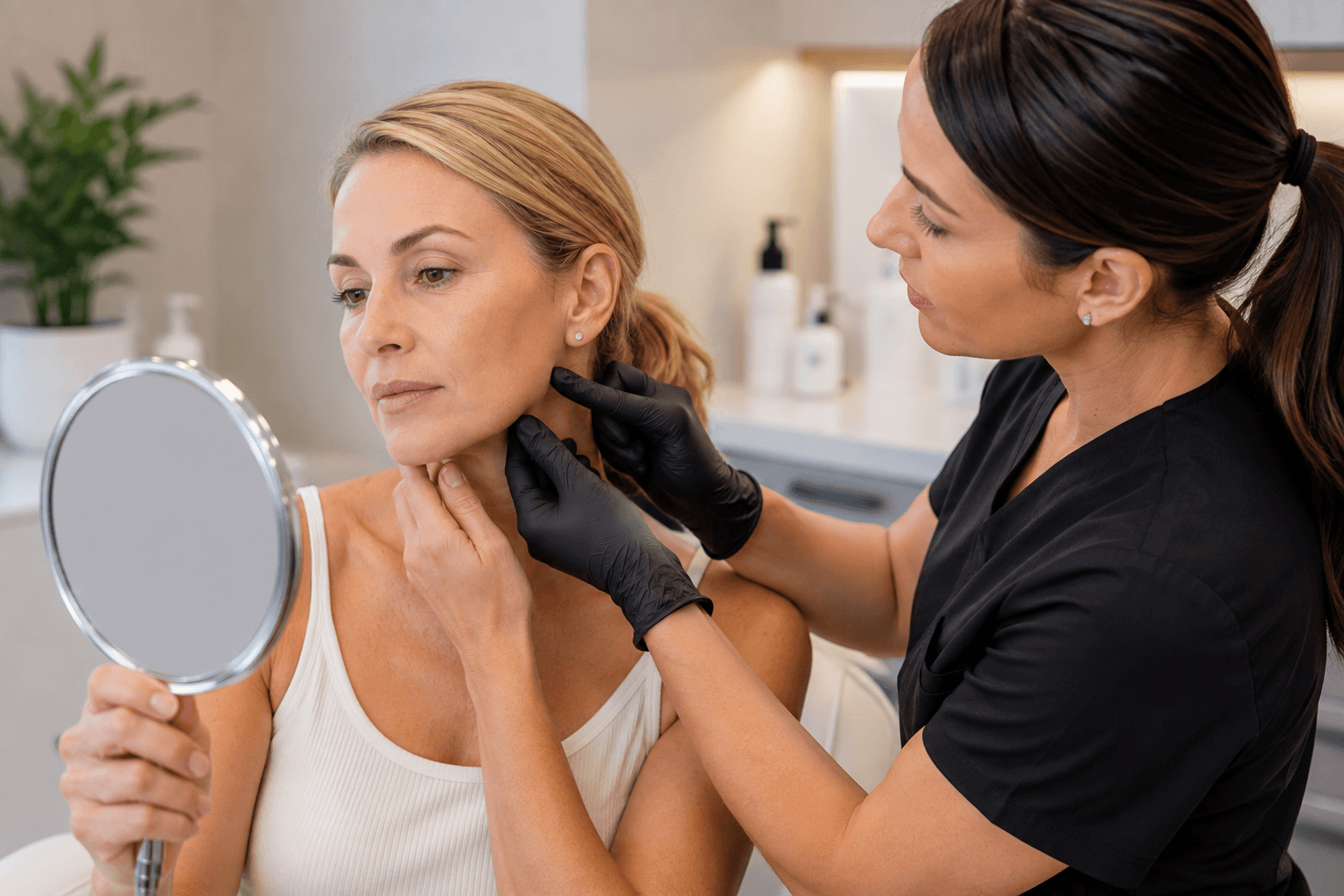
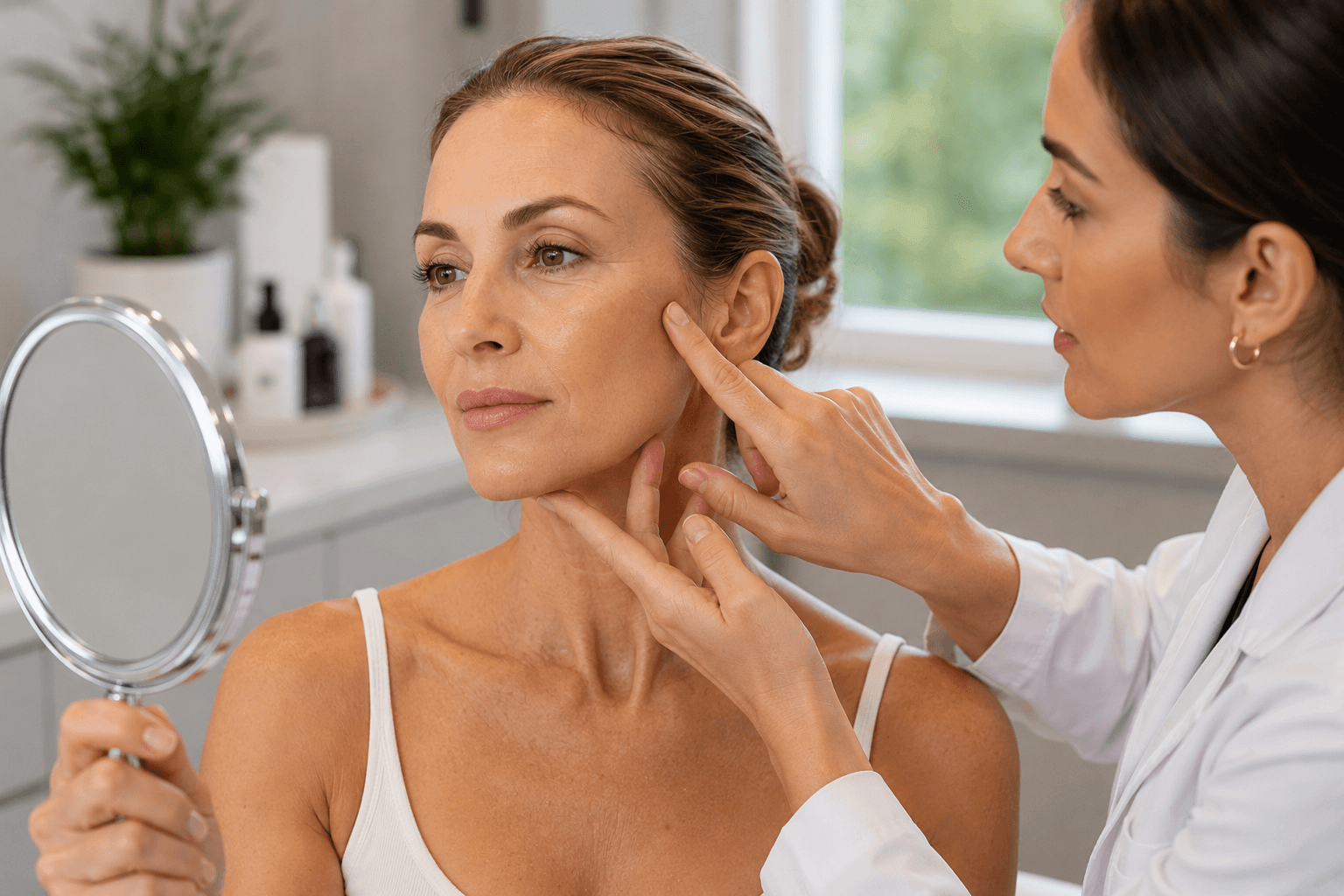
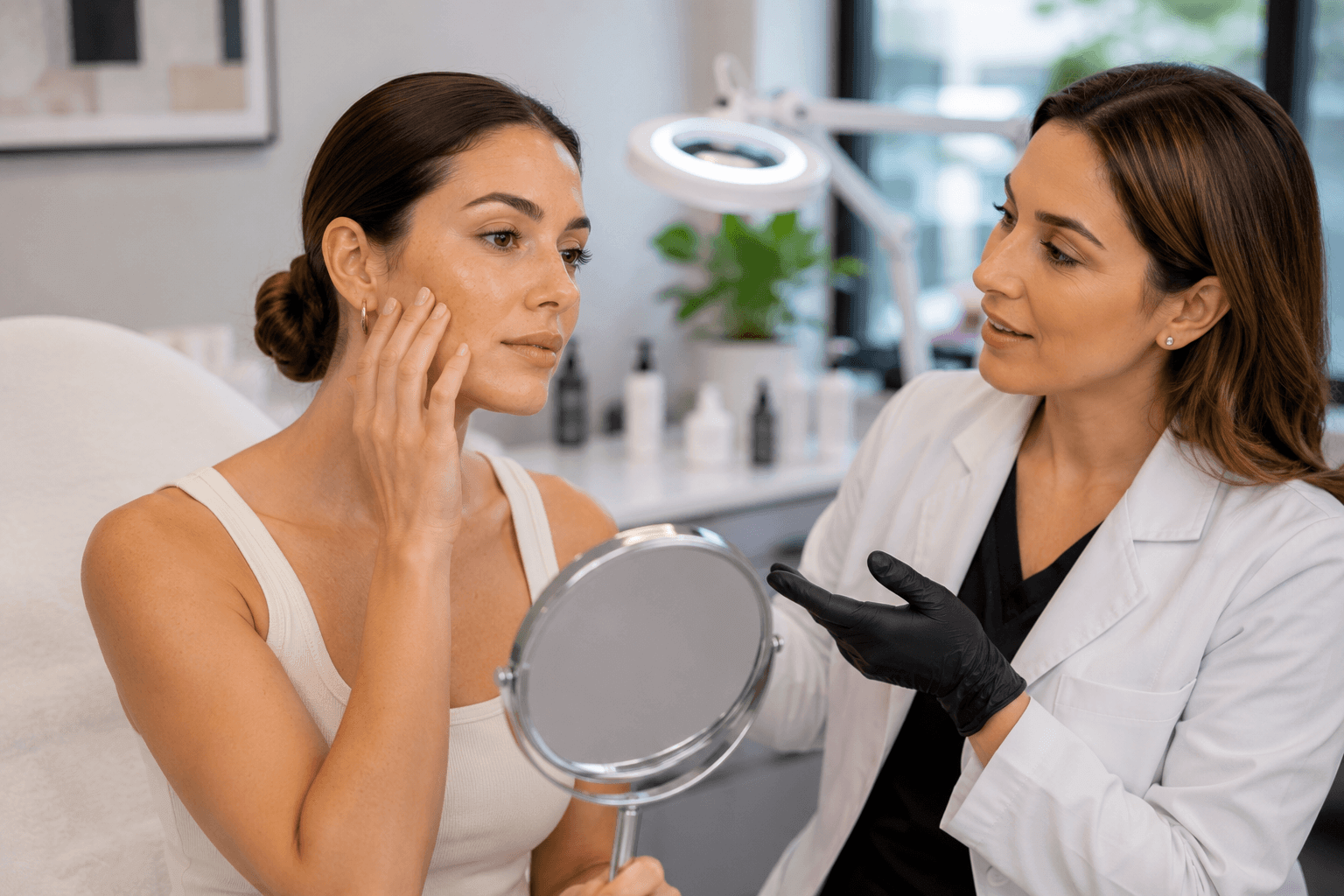
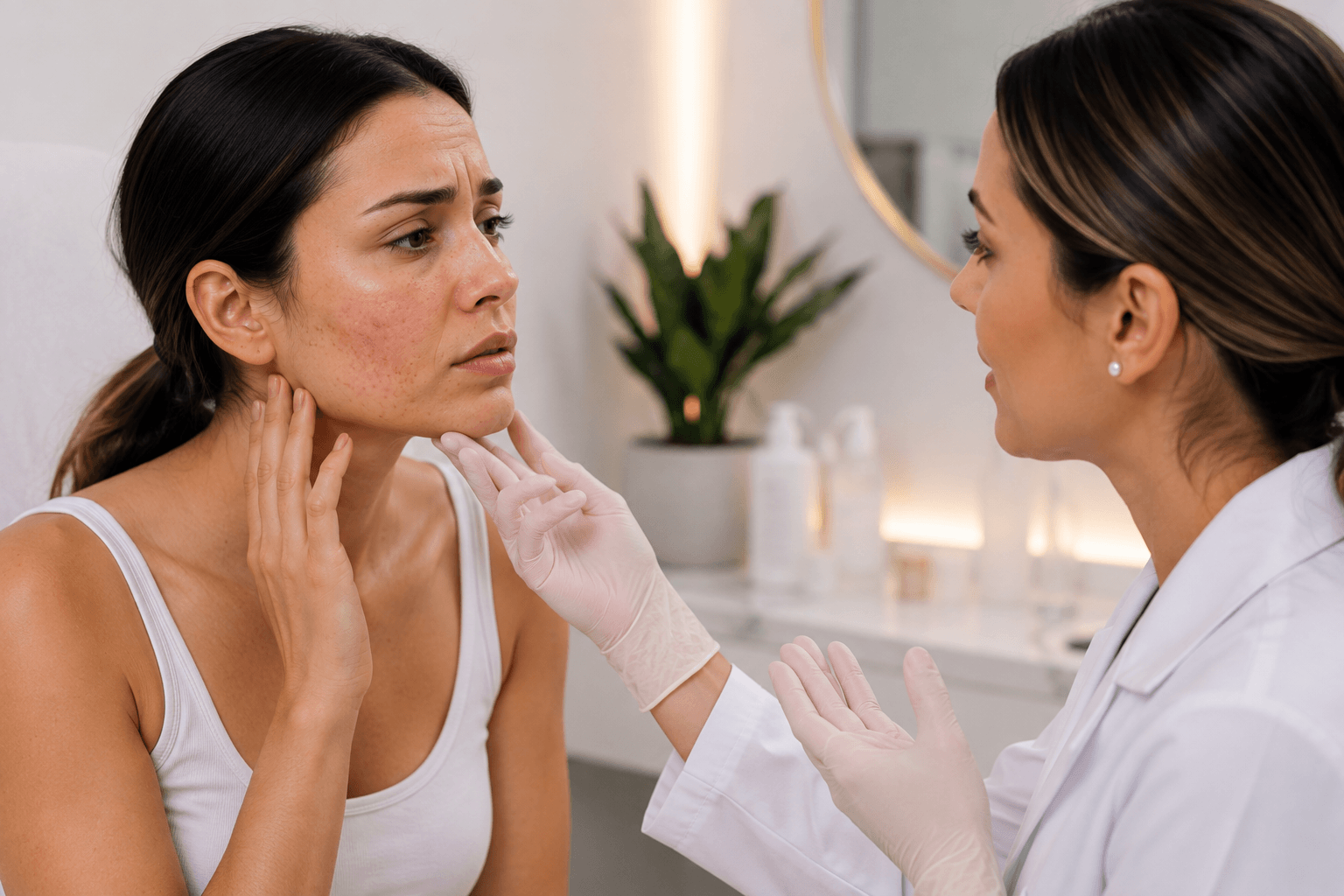
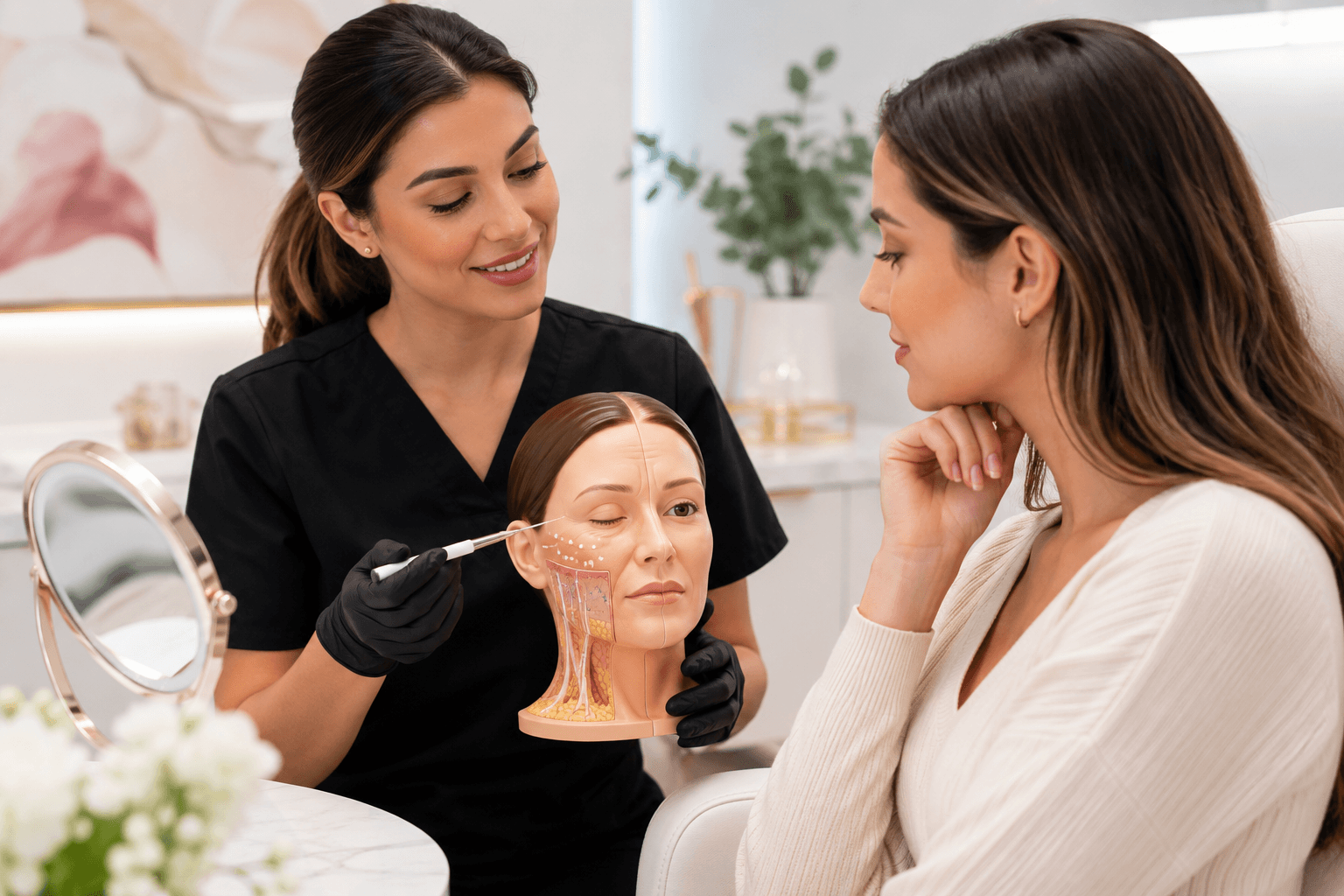
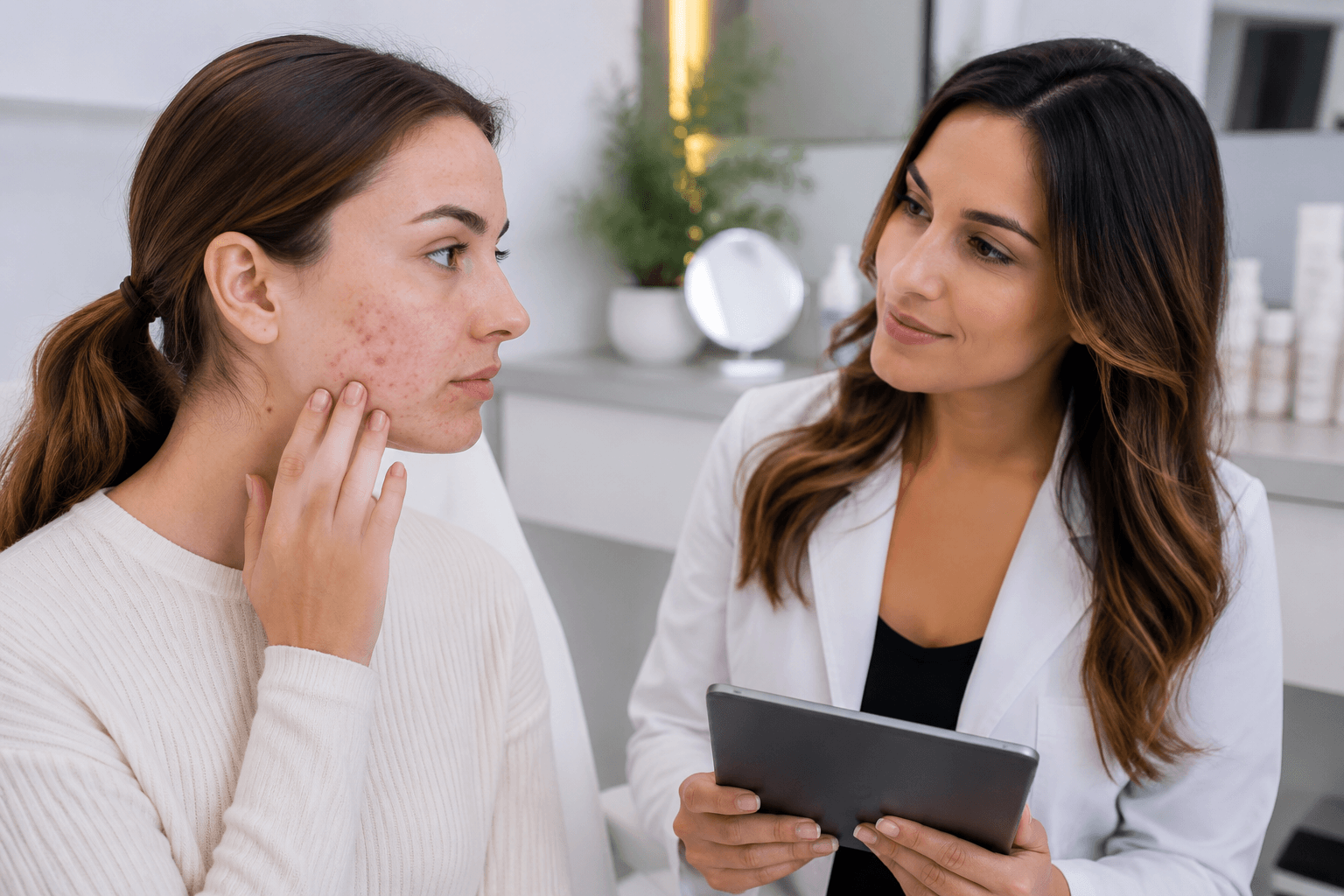
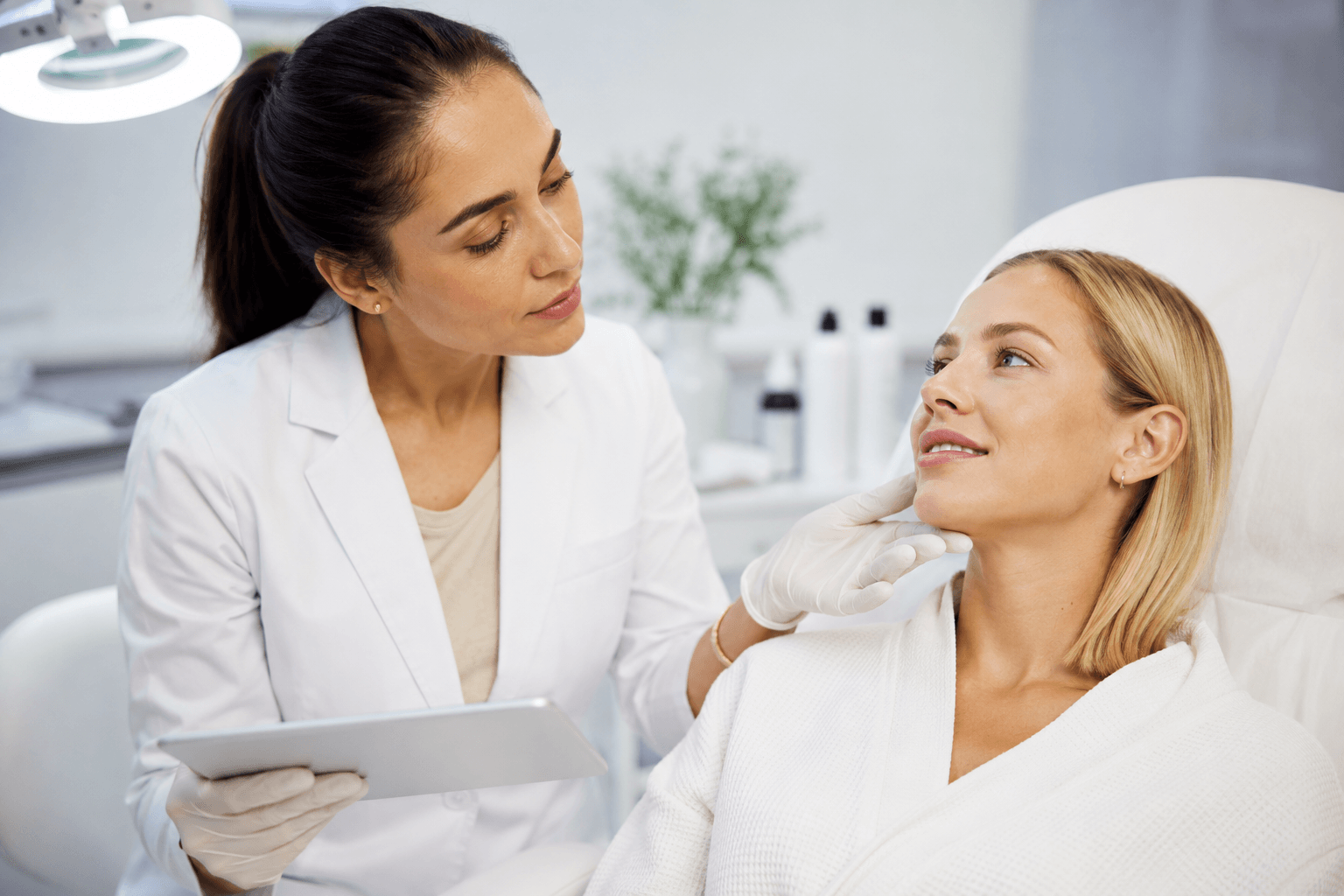
Most people dealing with sun damage, dark spots, or uneven tone are reasonable candidates, but a few factors matter. Good candidates typically have realistic expectations, are not currently dealing with active severe acne breakouts in the treatment area, and are willing to commit to proper sun protection afterward to protect their results. During your consultation, our team will evaluate your skin type, the depth of your pigmentation, and your overall goals to confirm that a laser peel is the right fit, or whether another option makes more sense for you.
Downtime varies depending on the intensity of the treatment, but most clients notice some redness and warmth similar to a sunburn for a few days afterward. Skin may feel tight or appear slightly darker before it begins to flake and reveal fresher tone underneath. Most people are comfortable returning to normal activities within a week, though we always recommend avoiding direct sun exposure and following the aftercare instructions our team provides. You can see real examples of client results on our before and after page.
Treating existing sun damage is only half the equation. Protecting your results afterward matters just as much, especially living somewhere as sun soaked as Rockwall.
A broad spectrum SPF of at least 30, reapplied throughout the day, is non negotiable here. Wide brimmed hats, UV blocking sunglasses, and seeking shade during peak midday hours all help reduce the daily UV load your skin is absorbing.
Many Rockwall residents find that fall and winter are ideal times to schedule a laser peel, since lower sun intensity during recovery reduces the risk of new pigmentation forming while skin heals. That said, with proper aftercare and diligent sun protection, treatment can be done successfully throughout the year.
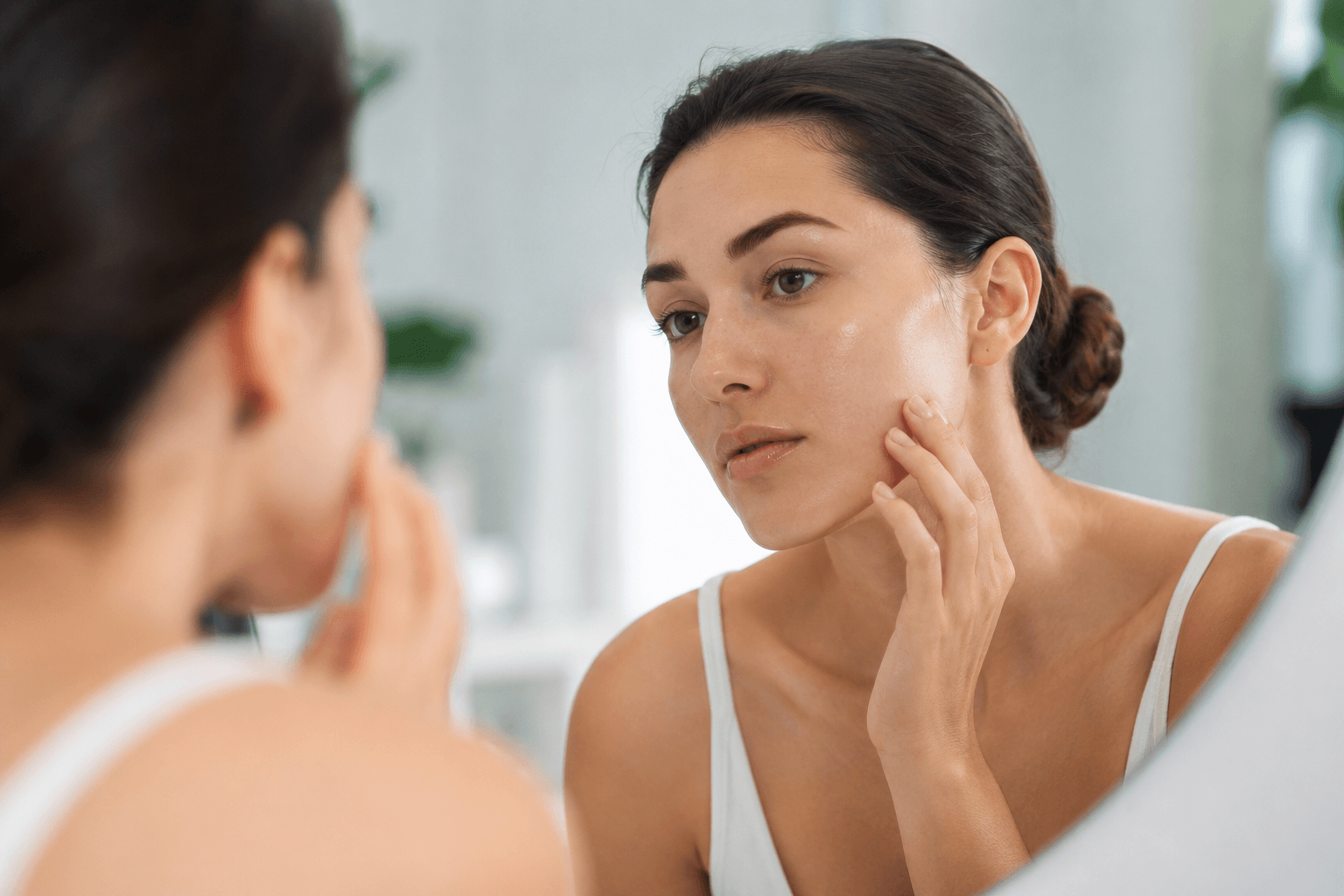
Sun damage might be a fact of life in North Texas, but it does not have to be a permanent one. Once you understand why your skin tone looks the way it does, choosing the right treatment becomes a lot less overwhelming and a lot more empowering. Whether you are just starting to notice a few new spots or you have been living with uneven tone for years, there is a path back to skin that looks clearer, smoother, and more like you.
If you are ready to talk through your options, our team at ABA Aesthetics Medspa, a trusted aesthetic clinic in Rockwall, is happy to walk you through what a laser peel in Rockwall could look like for your skin. You can browse our full list of services or reach out to schedule a consultation today. For more on how this treatment has helped other local clients, you can also check out our earlier feature on laser peel treatment for Rockwall skin concerns.
How long does it take to see results from a laser peel in Rockwall? Most clients begin noticing smoother texture and reduced pigmentation within one to two weeks as the skin finishes shedding and regenerating, though full results can continue to improve over several weeks.
Is a laser peel better than a chemical peel for sun damage? It depends on your skin type and the depth of the damage. A laser peel tends to be more effective for deeper pigmentation and texture concerns, while a chemical peel can work well for lighter surface discoloration. Our team can help determine which fits your skin best.
Will my dark spots come back after treatment? New sun exposure can trigger new pigmentation, which is why consistent daily sunscreen use is essential after treatment. With good sun protection habits, results from a laser peel can last a long time.
Is a laser peel painful? Most clients describe the sensation as warm or slightly uncomfortable rather than painful, and any discomfort during the procedure is typically brief.
How many laser peel sessions will I need? This varies based on the severity of your sun damage and your skin goals. Some clients see meaningful improvement after one session, while others benefit from a series of treatments spaced out over several months.
Can melasma be treated with a laser peel? Melasma can be more complex to treat because it is hormonally driven and sun exposure can worsen it. A consultation with our team is the best way to determine whether a laser peel or another approach is right for your specific type of pigmentation.
This article was updated in August 2026 to reflect current treatment information and seasonal recommendations for Rockwall, Texas residents.
.png)







































.jpg)





.jpg)
.jpg)


