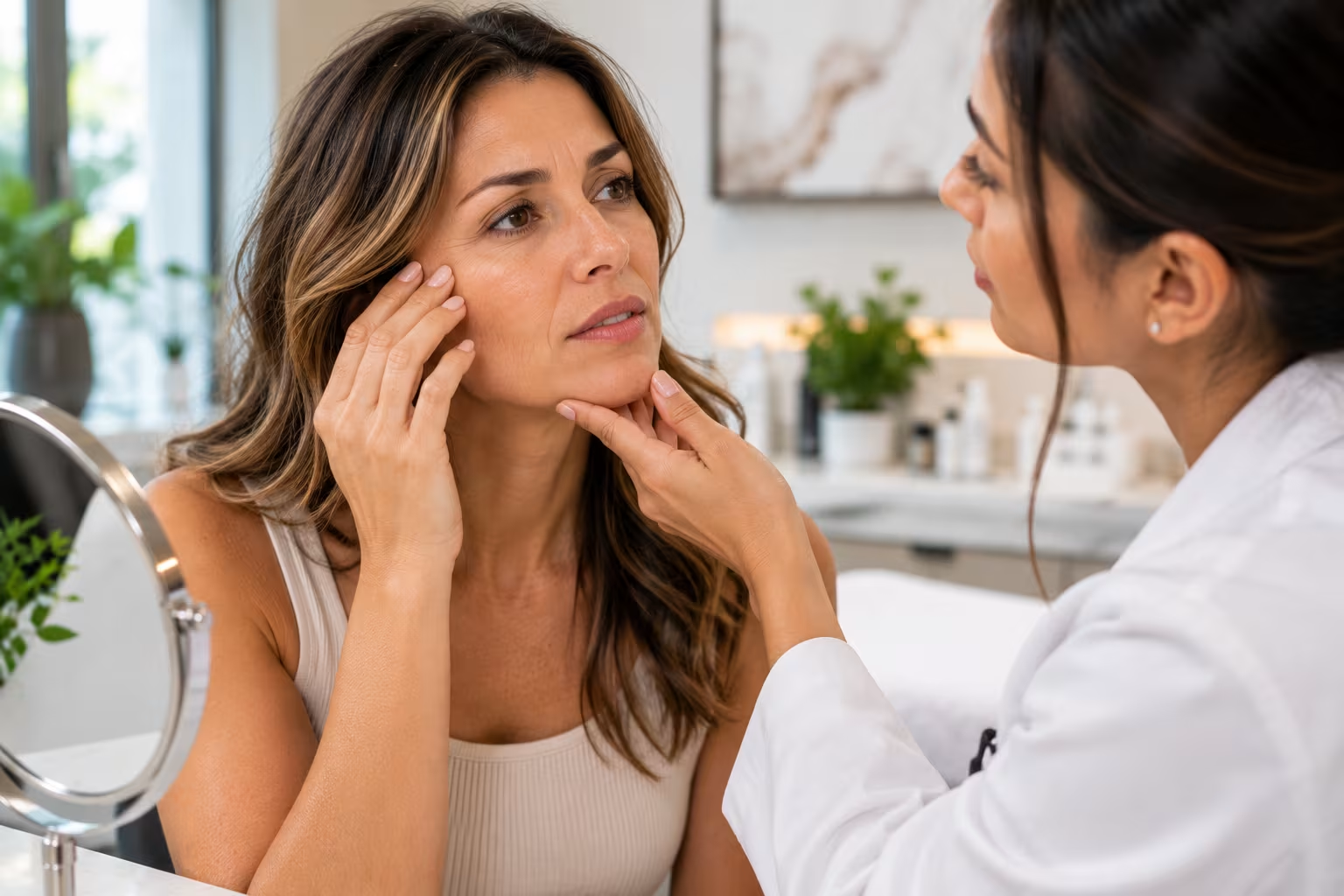
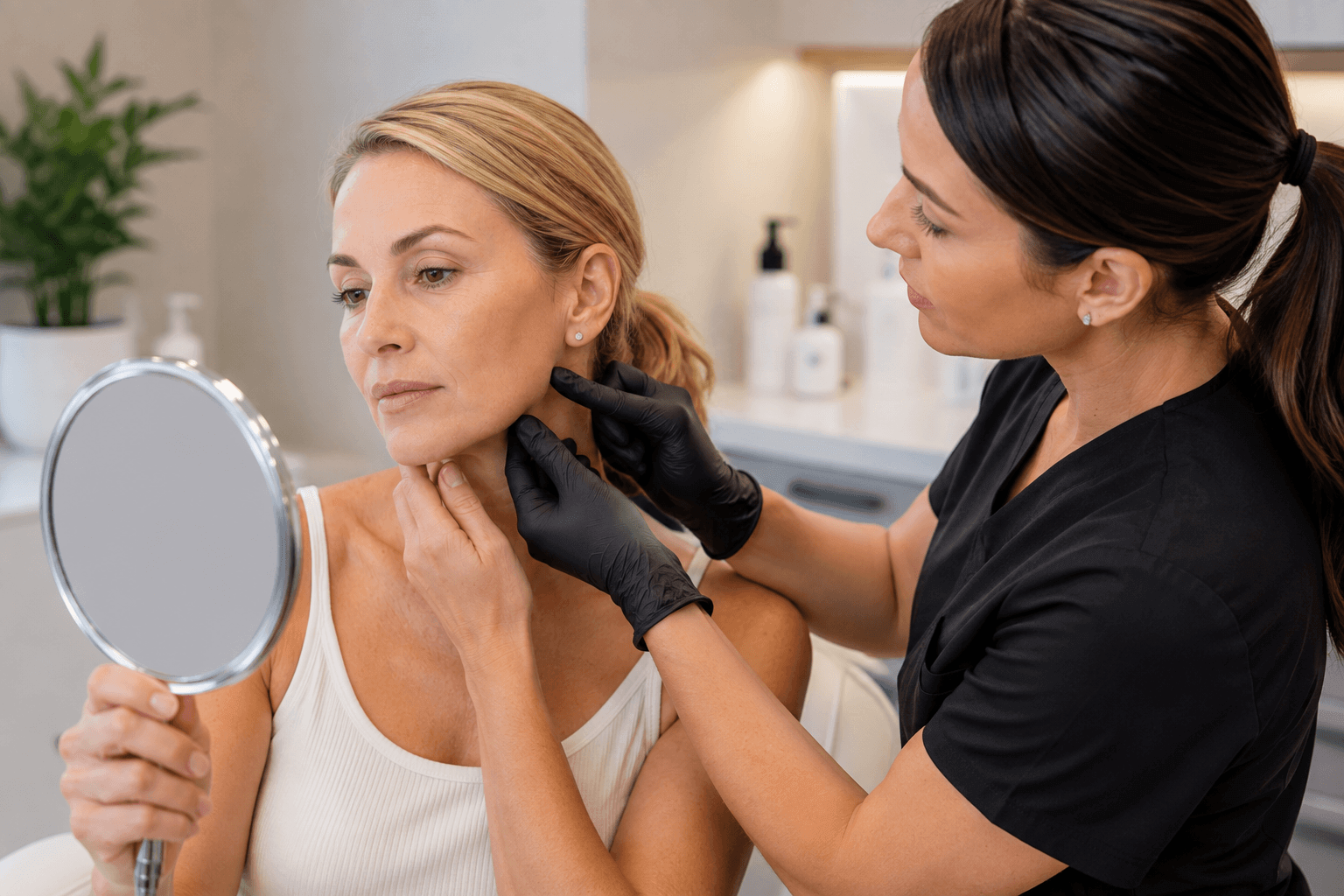
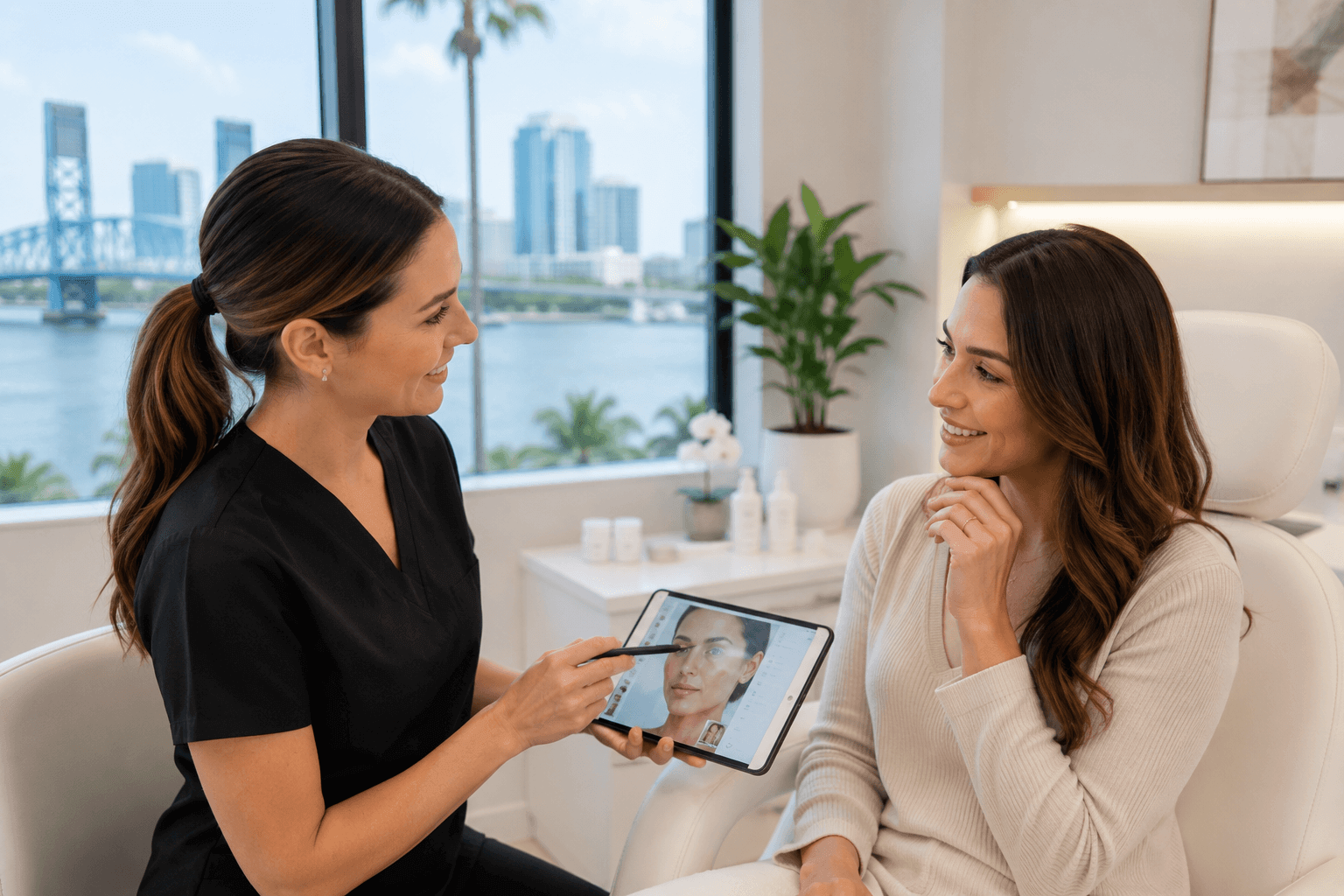
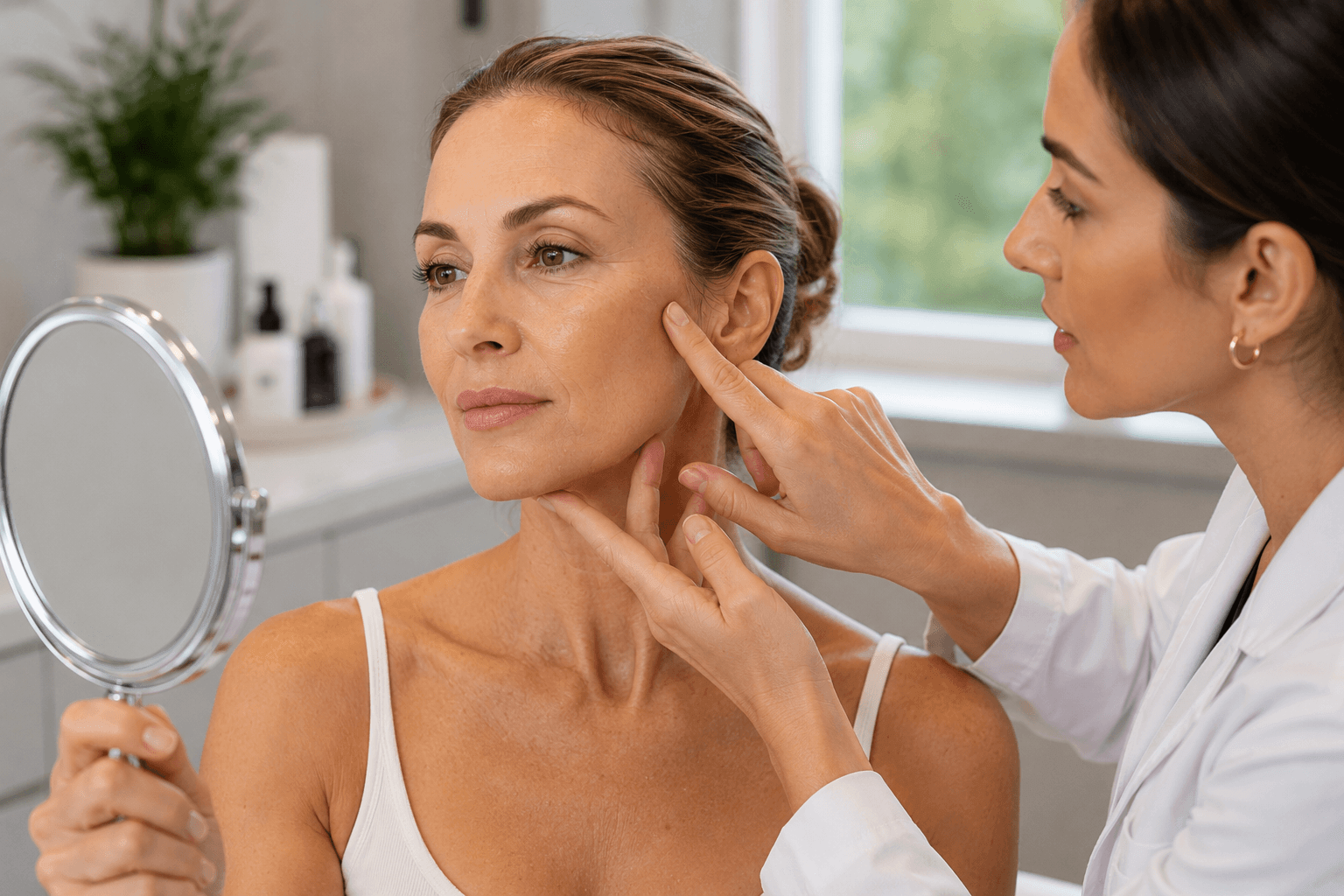
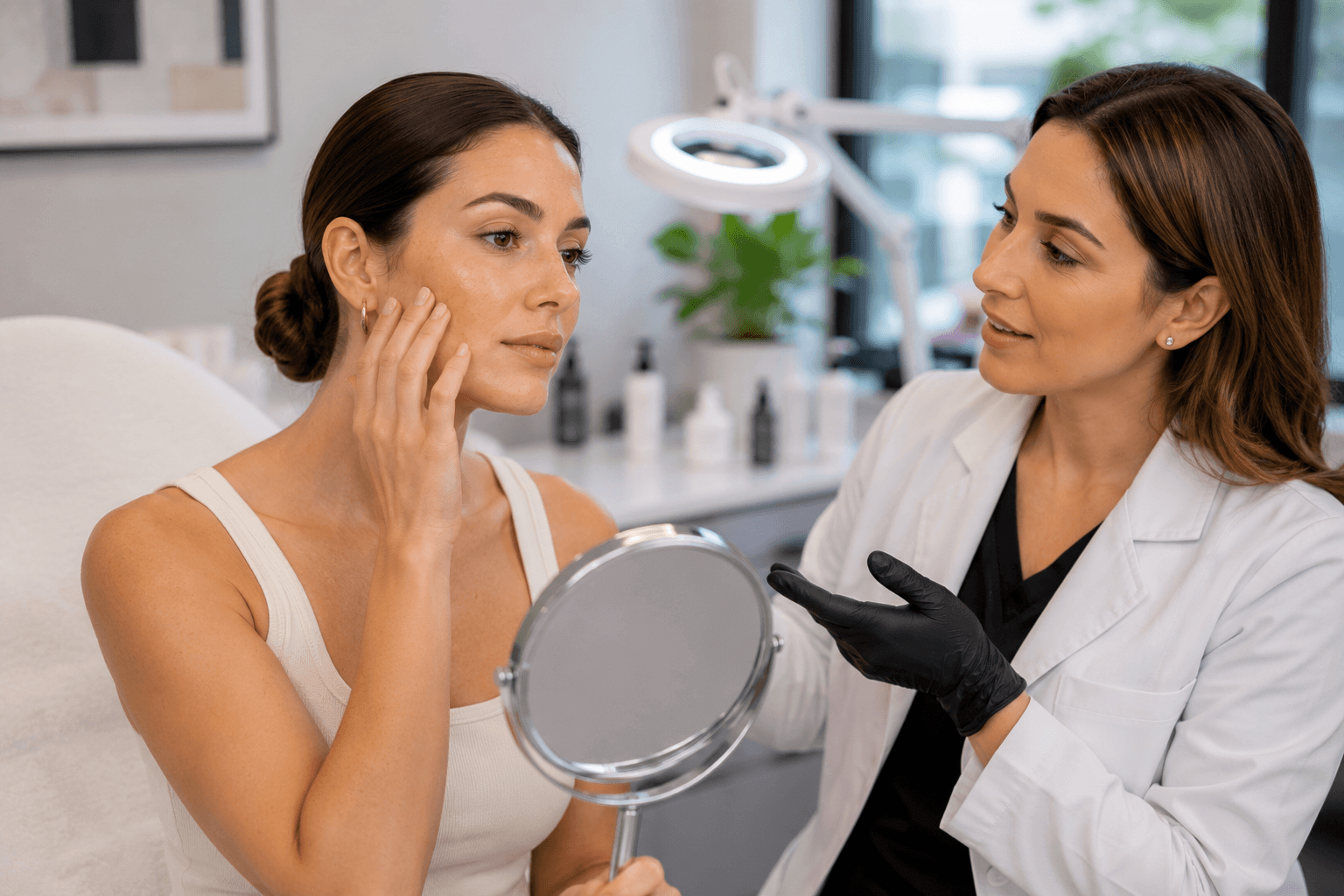
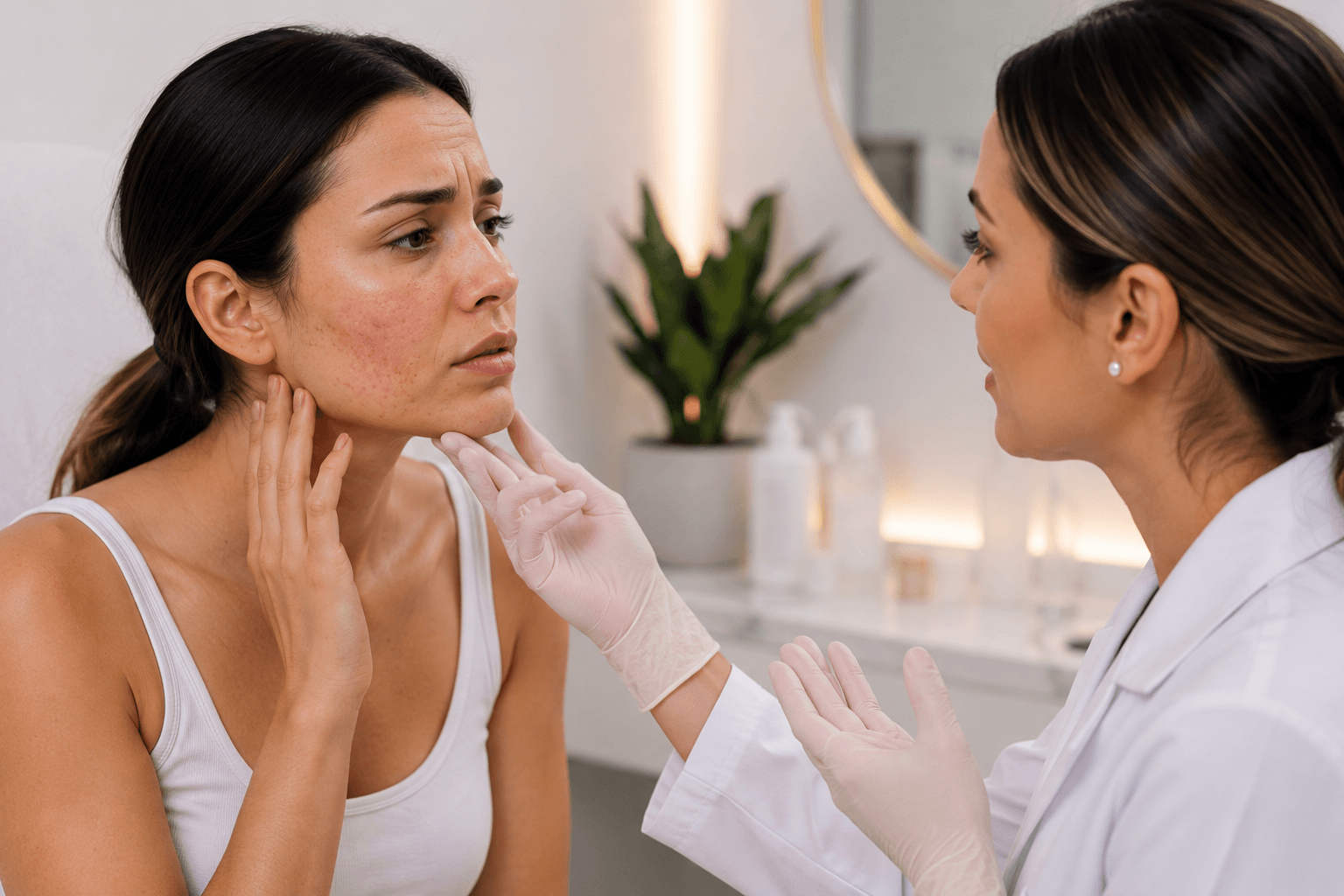
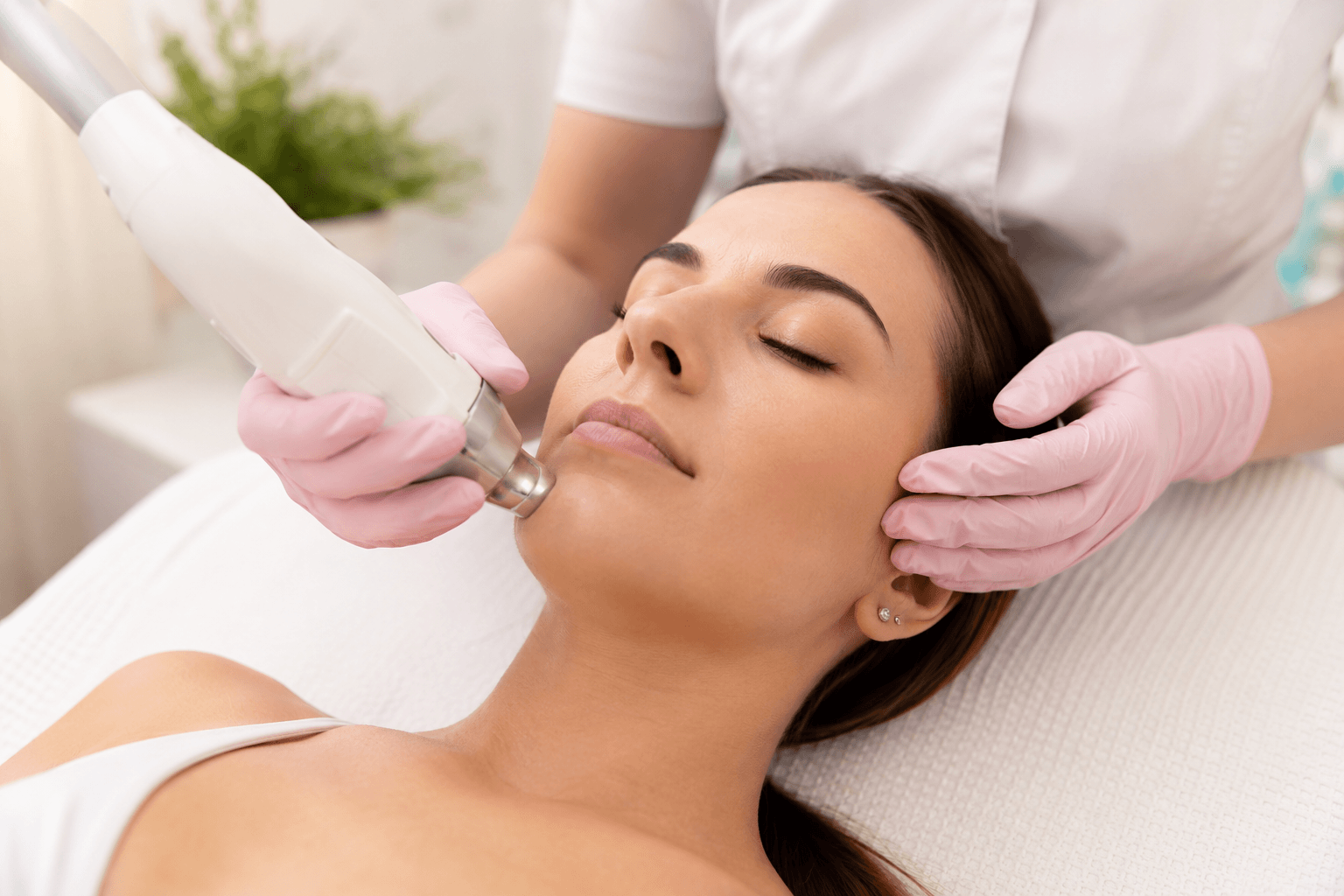
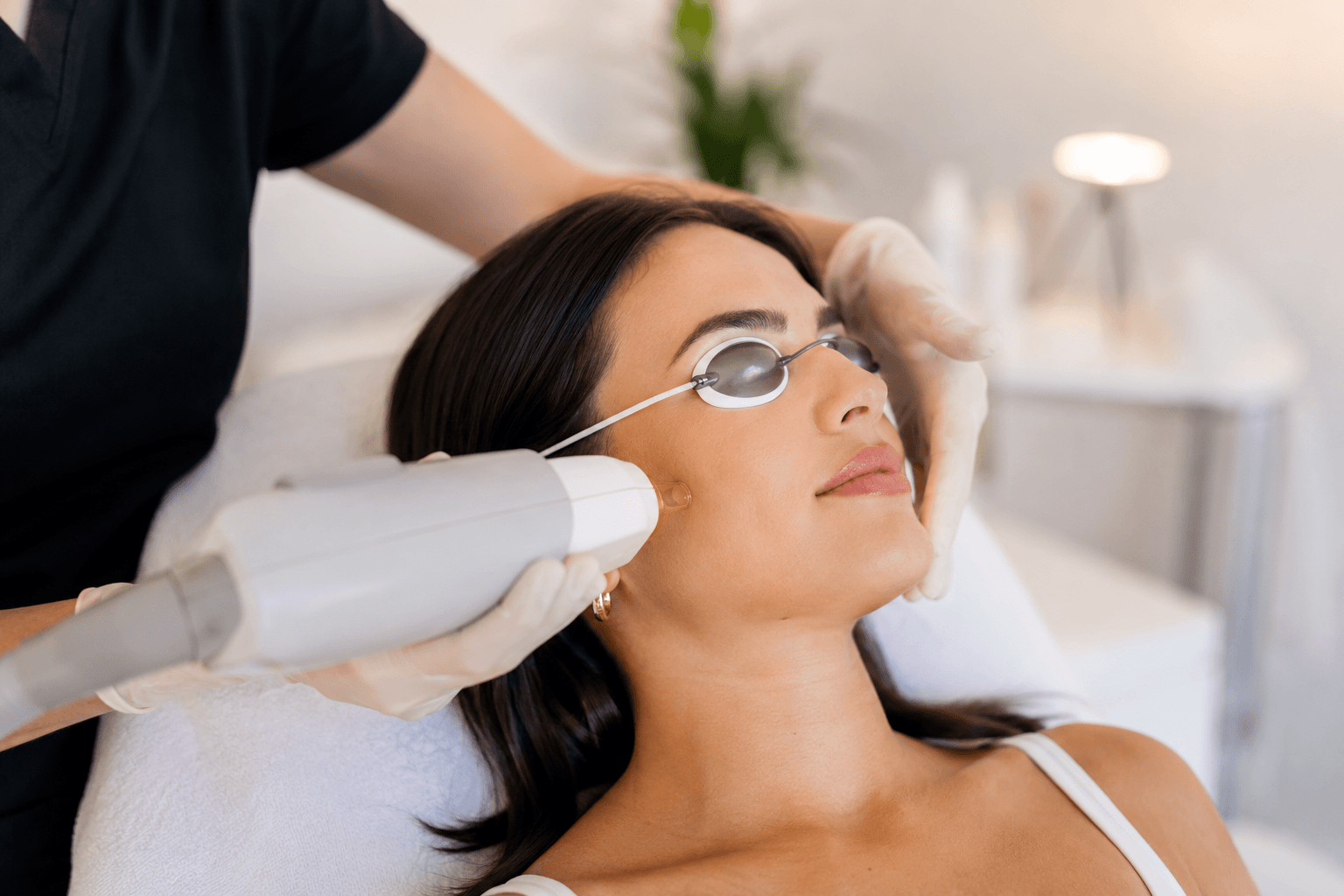
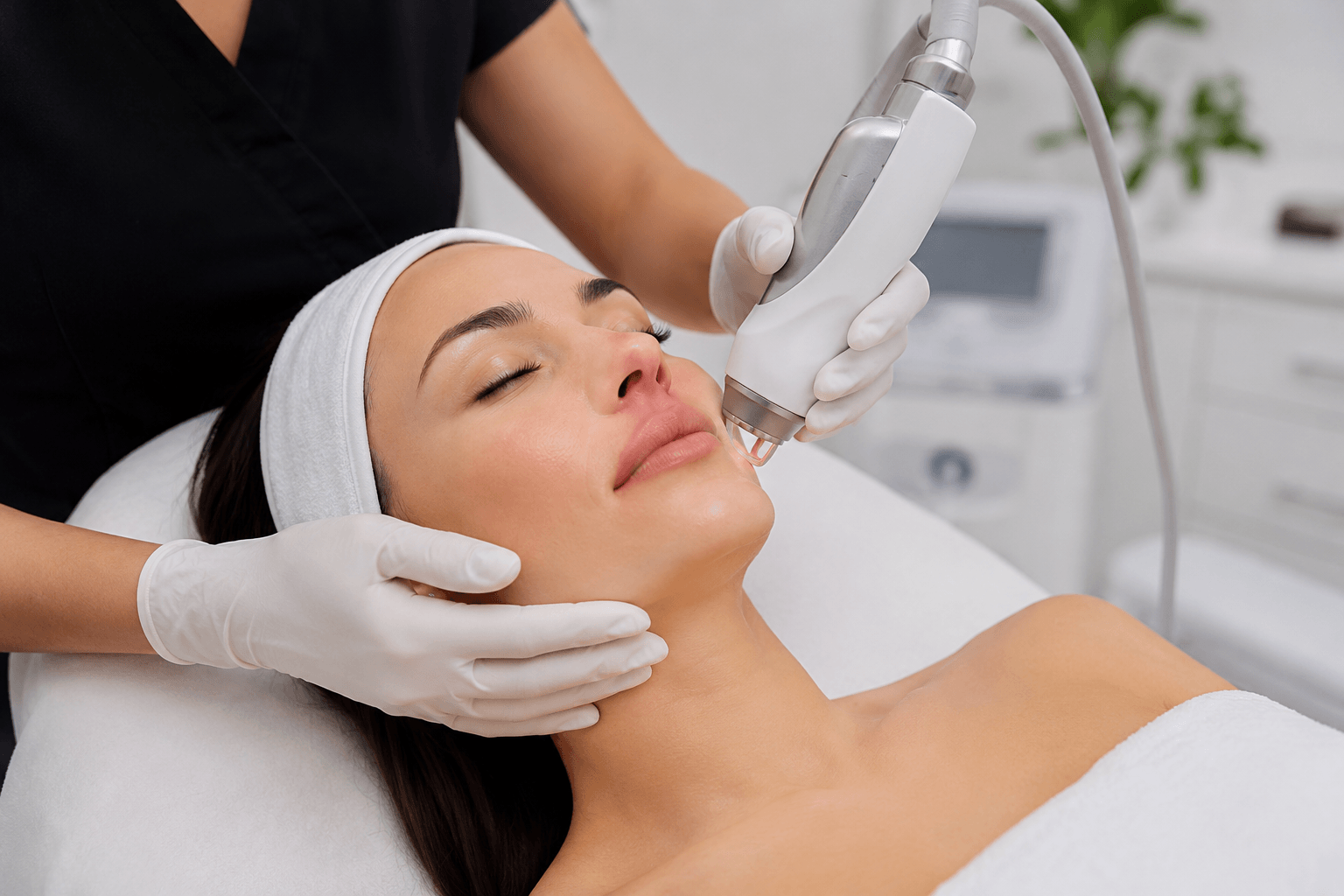
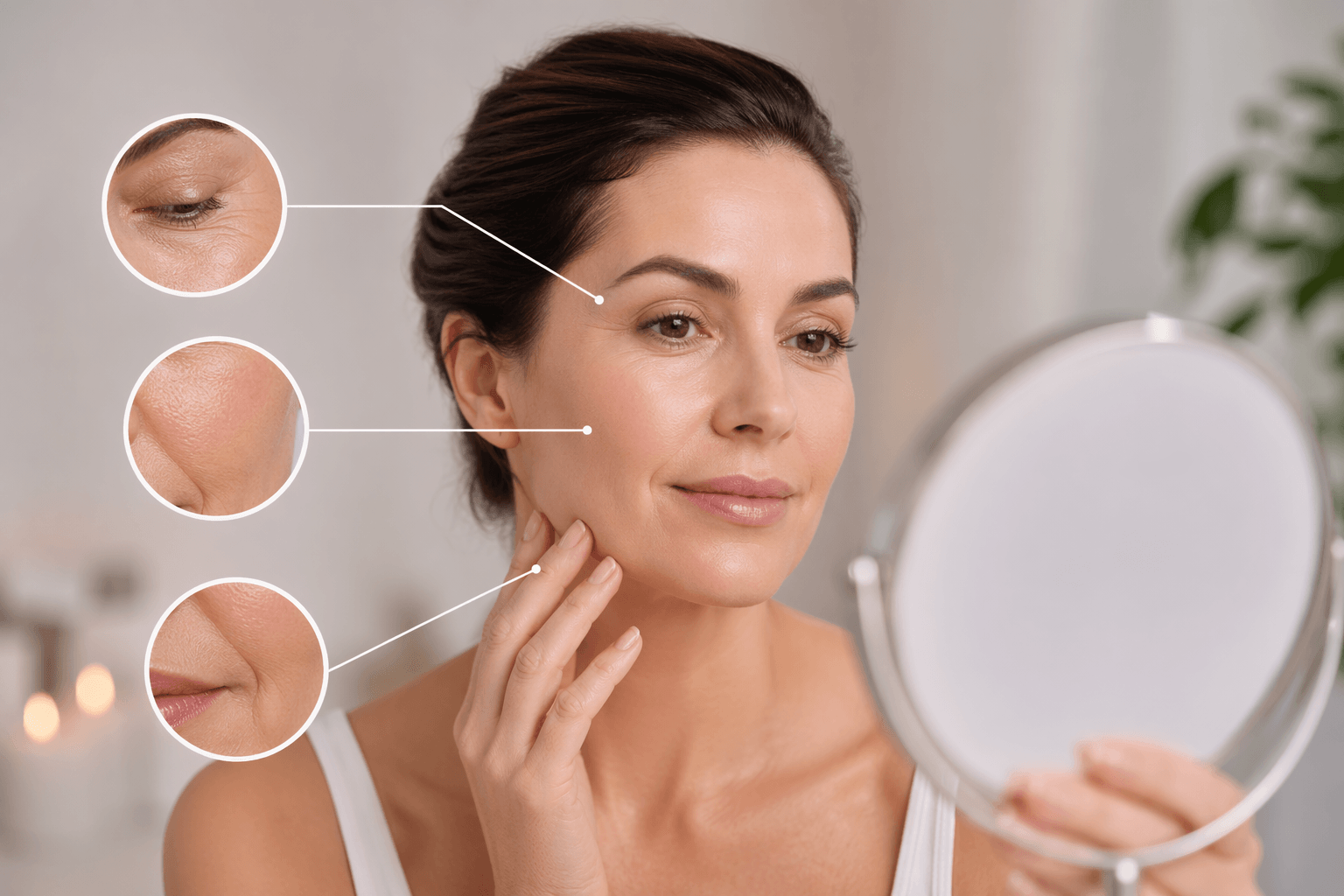
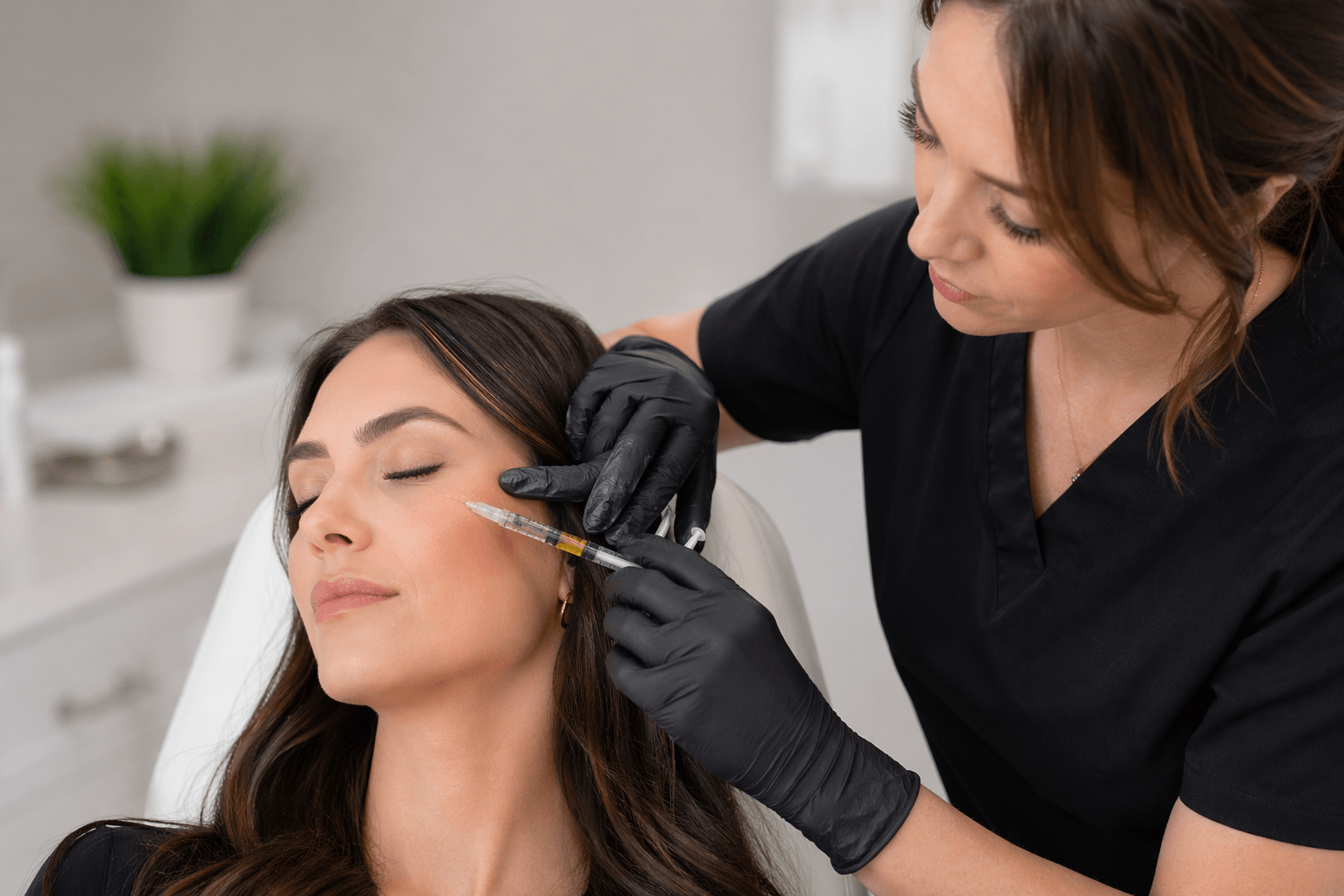
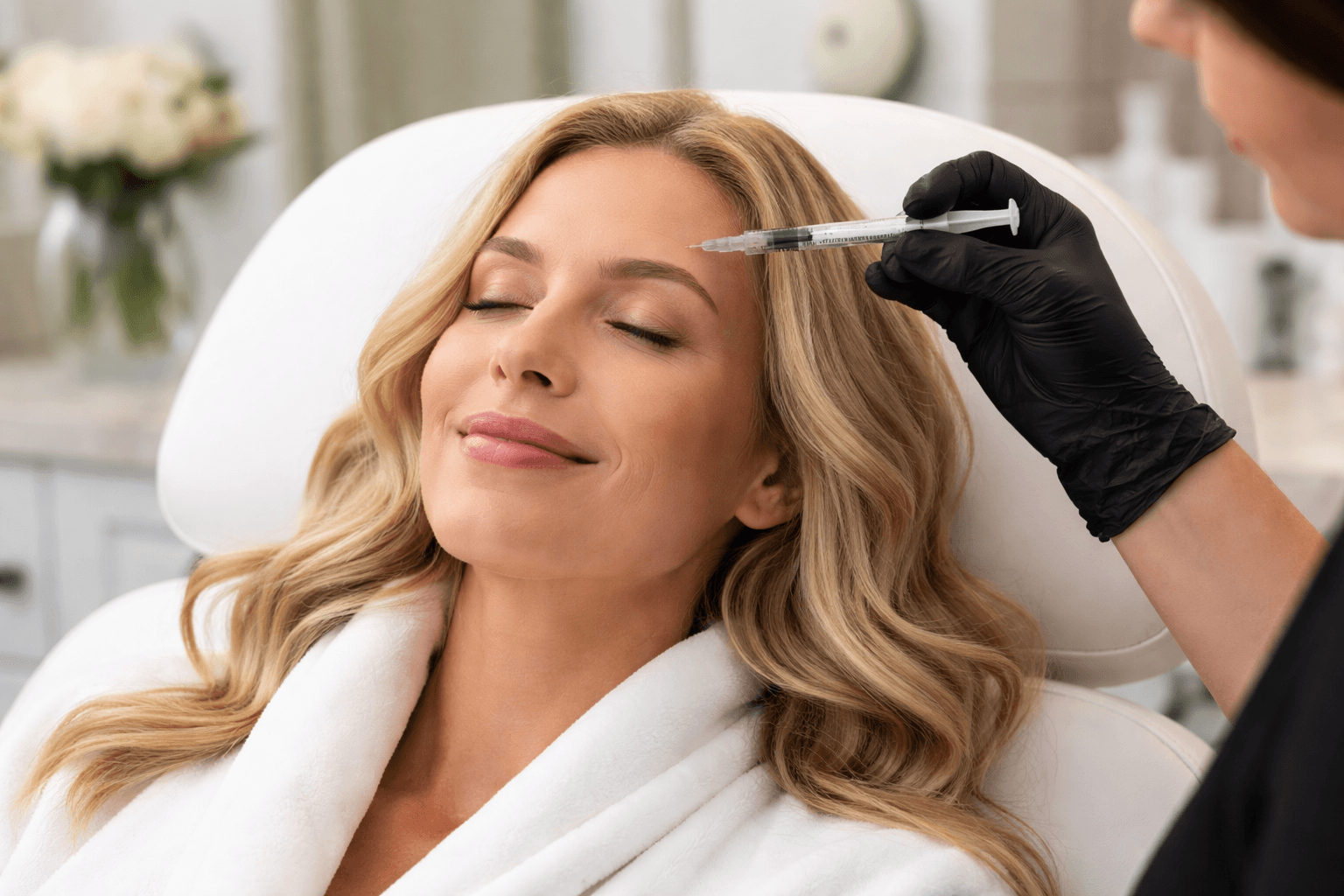
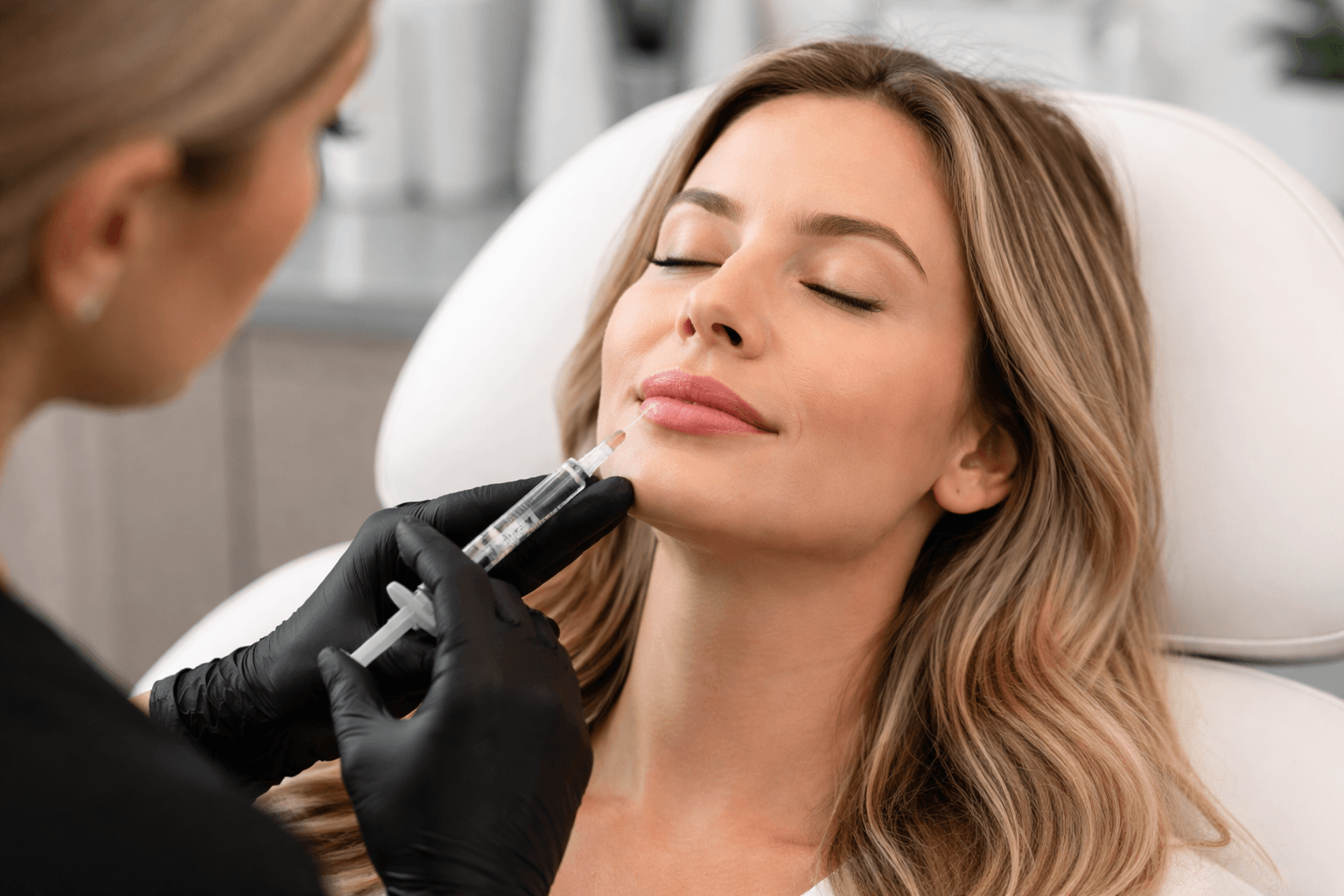
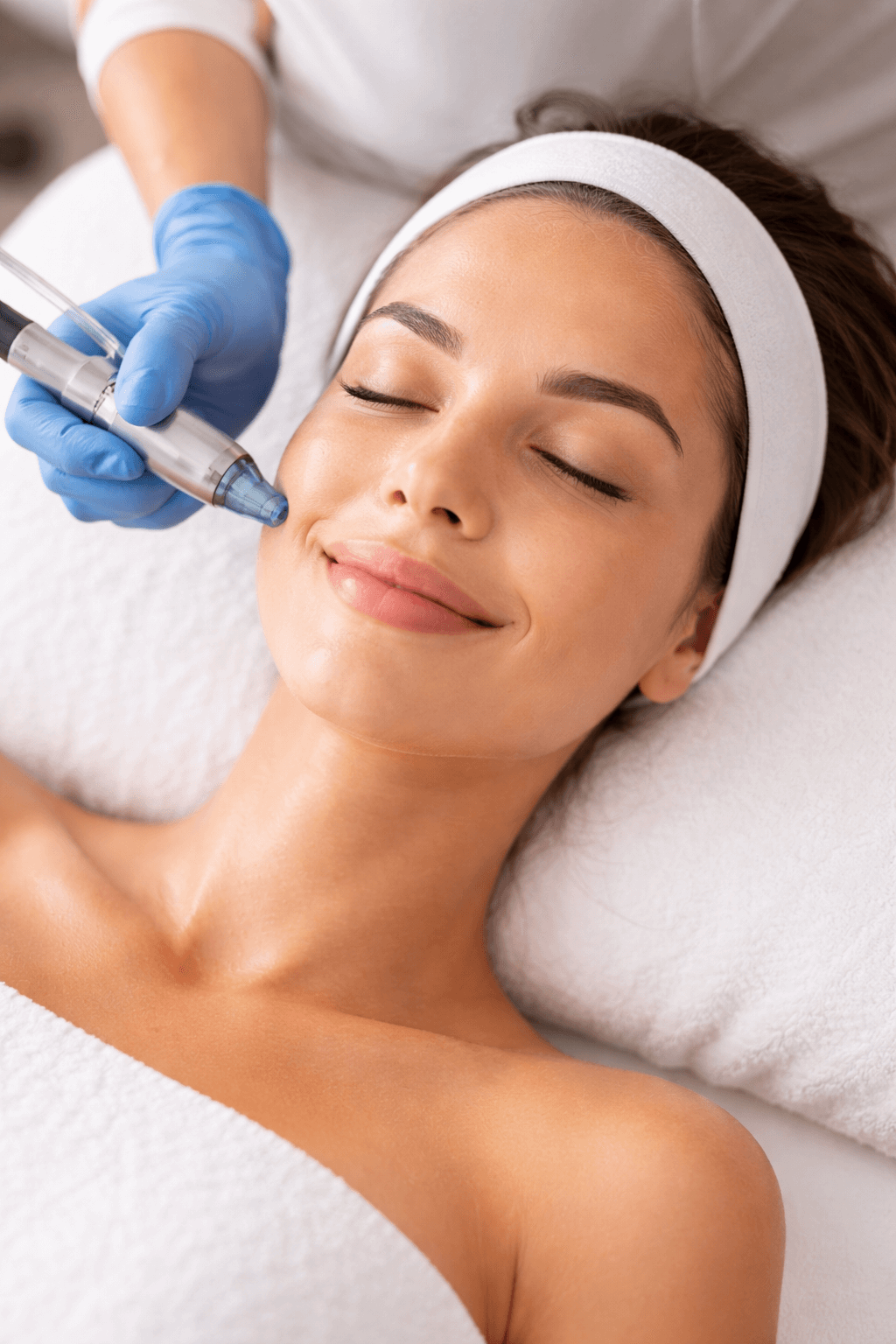
The most useful things to bring to a skin consultation are a list or photos of your current products, a list of your medications and supplements, and two or three specific goals. The most useful questions to ask are what is causing your concern, what your realistic options are, how much downtime each involves, and how many visits a plan will take. If you show up prepared, even a short appointment in Rockwall, Texas can give you a clear, personalized plan instead of a vague list of possibilities.
This guide is written for people with packed calendars: the professional answering emails between meetings, the parent coordinating three schedules, the business owner who books appointments around everyone else. Here is how to make every minute of your consultation count.
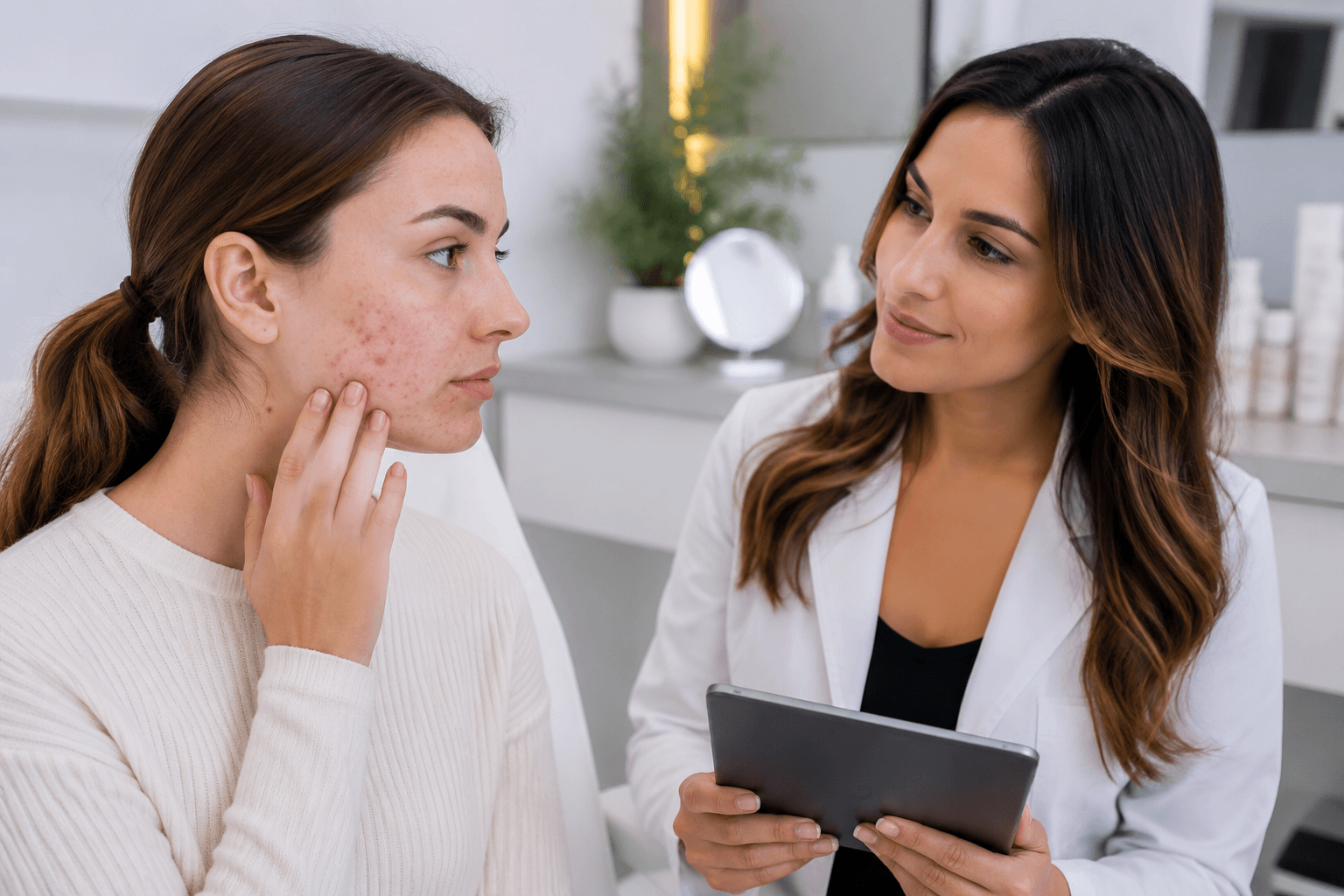
A consultation is a two-way conversation. Your provider evaluates your skin, but they also rely on what you share: your history, your habits, your goals, and your limits. When that information is missing, recommendations tend to be more general, and you may need a second visit to fill in the gaps.
For busy professionals, preparation also helps you avoid two common frustrations:
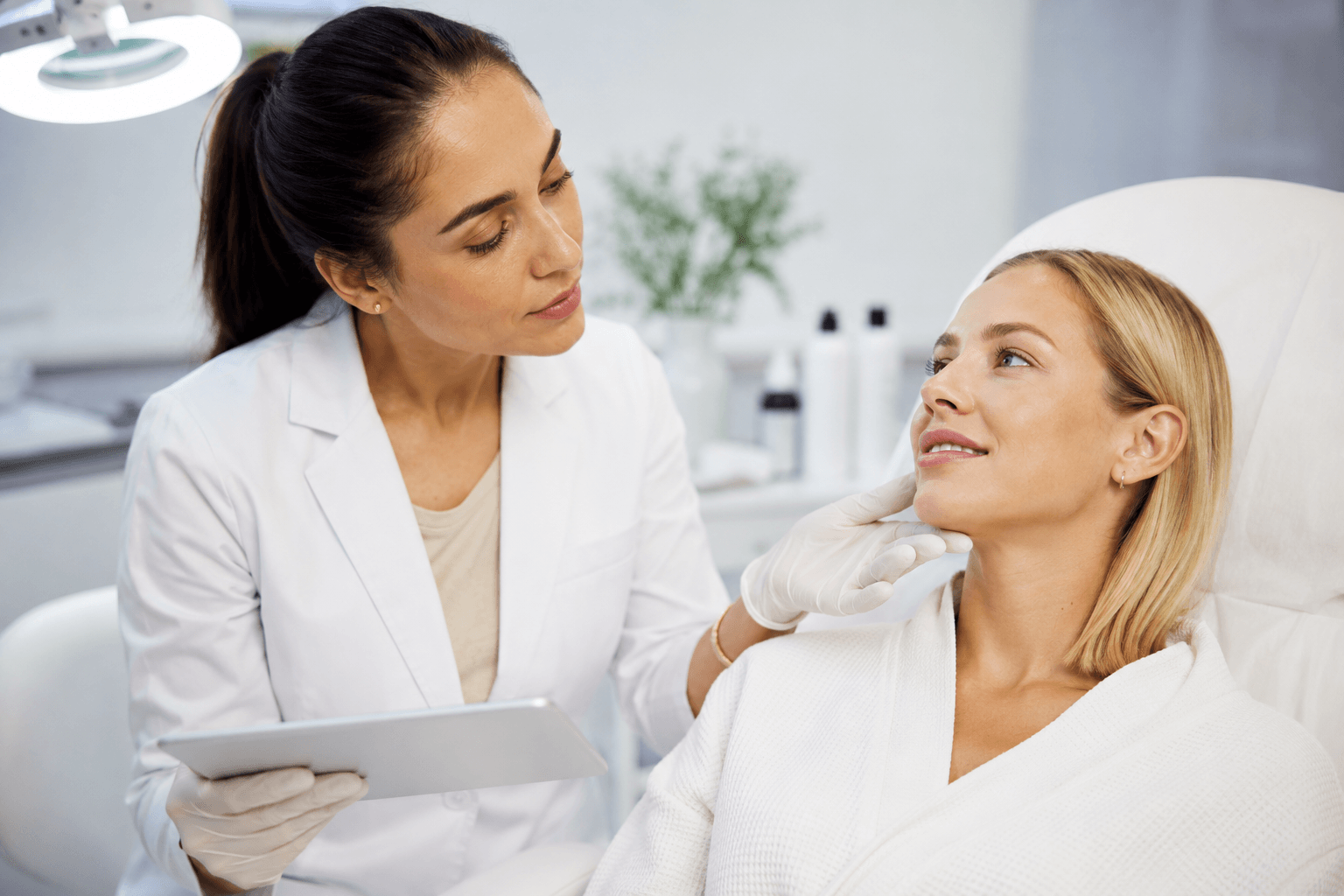
At ABA Aesthetics Medspa, recommendations are made after a comprehensive assessment, so the more context you bring, the more tailored your plan can be.
You do not need to haul your entire bathroom cabinet. Snap a few photos of the front and ingredient side of the products you use most, including cleanser, serums, moisturizer, sunscreen, acne products, and any prescription creams. Ingredients such as retinoids, exfoliating acids, and benzoyl peroxide can affect which treatments are appropriate and when.
Some medications and supplements matter for aesthetic treatment planning. Blood thinners and certain supplements may raise bruising risk with injectables. Some medications increase sun sensitivity, which matters for peels and lasers. Isotretinoin, either now or within the past several months, can affect whether procedures like microneedling are appropriate. Write everything down so nothing is overlooked.
Mention any history of cold sores, keloid scarring, skin conditions like eczema or rosacea, pregnancy or breastfeeding, and previous aesthetic treatments, including dates and how your skin responded. If you have had filler, neurotoxin, laser, or peel treatments elsewhere, that history is valuable.
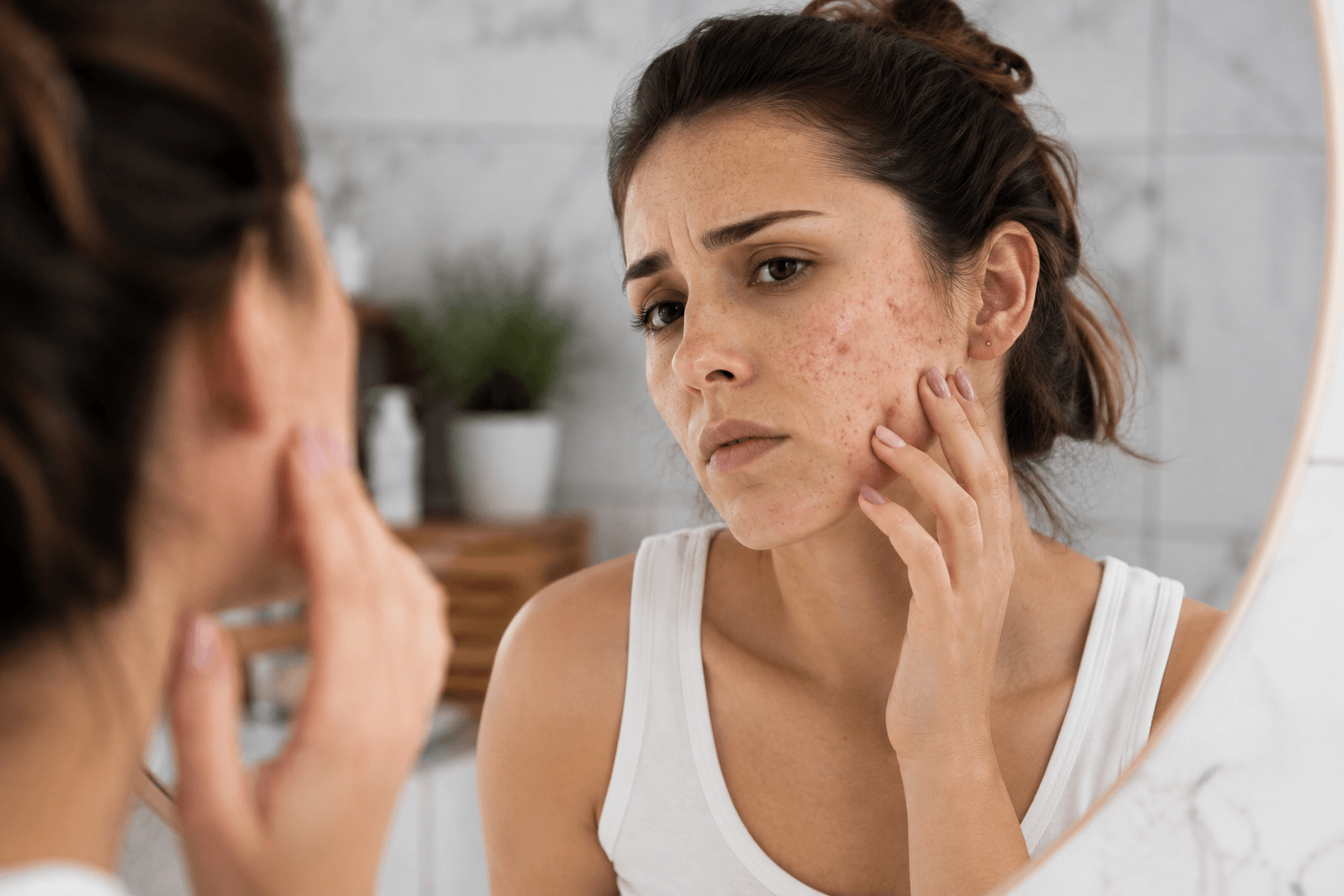
If your concern comes and goes, such as breakouts, flushing, or puffiness, a few phone photos taken during a flare can show your provider what your skin looks like at its worst.
This is the one most busy people forget. Know your upcoming work travel, presentations, weddings, or events. Downtime is a big factor in timing, and your provider can plan around it only if they know about it.
Keep this list in your phone and check off each question as it is answered.
Understanding the cause helps you choose the right treatment and avoid wasting money on the wrong one. Dull skin, for example, may be related to dehydration, buildup of dead skin cells, sun damage, or lifestyle factors, and each points toward a different approach.
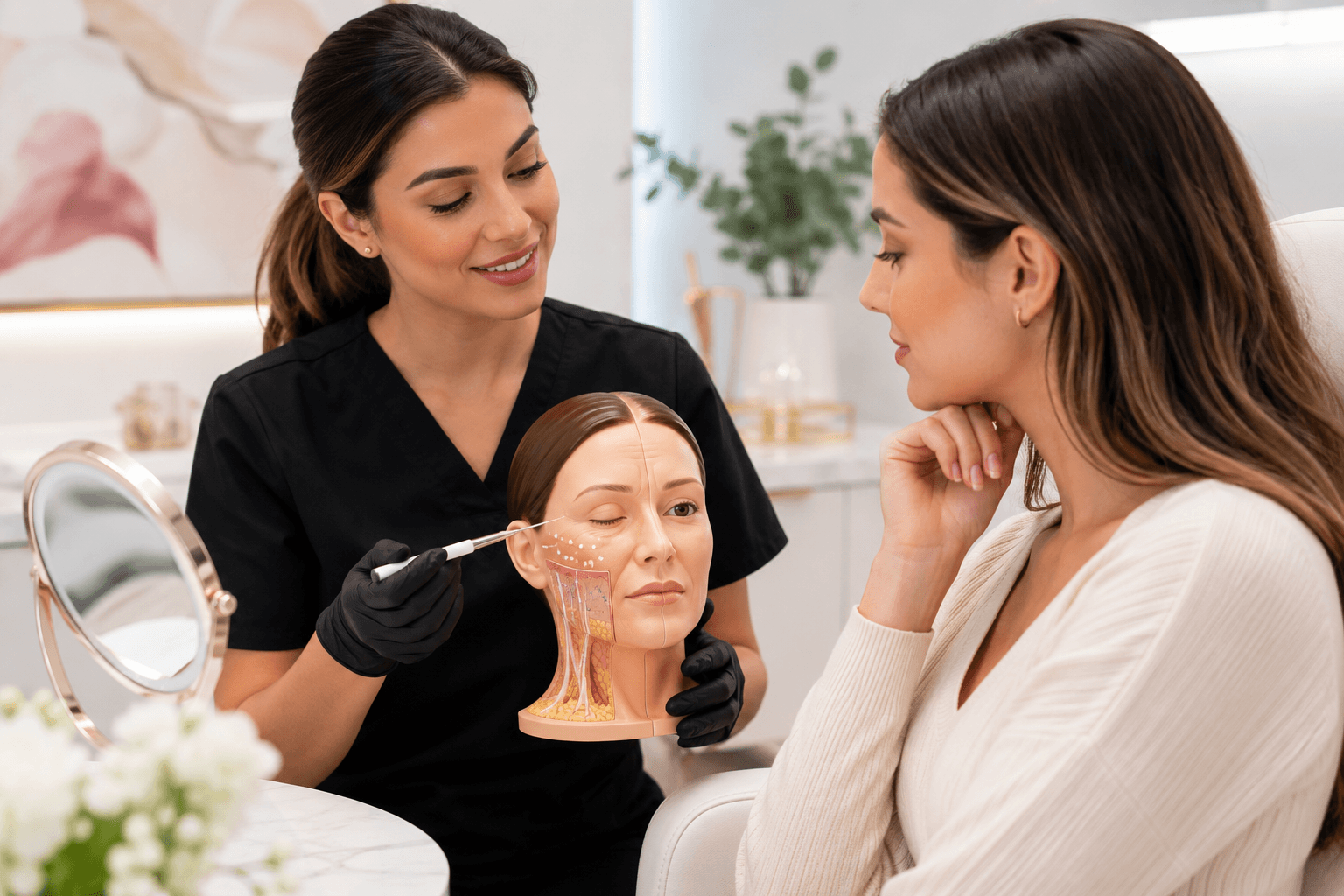
A good provider can explain why one approach is a better match for you than another. For example, wrinkles caused by muscle movement are treated differently than lines caused by lost volume.
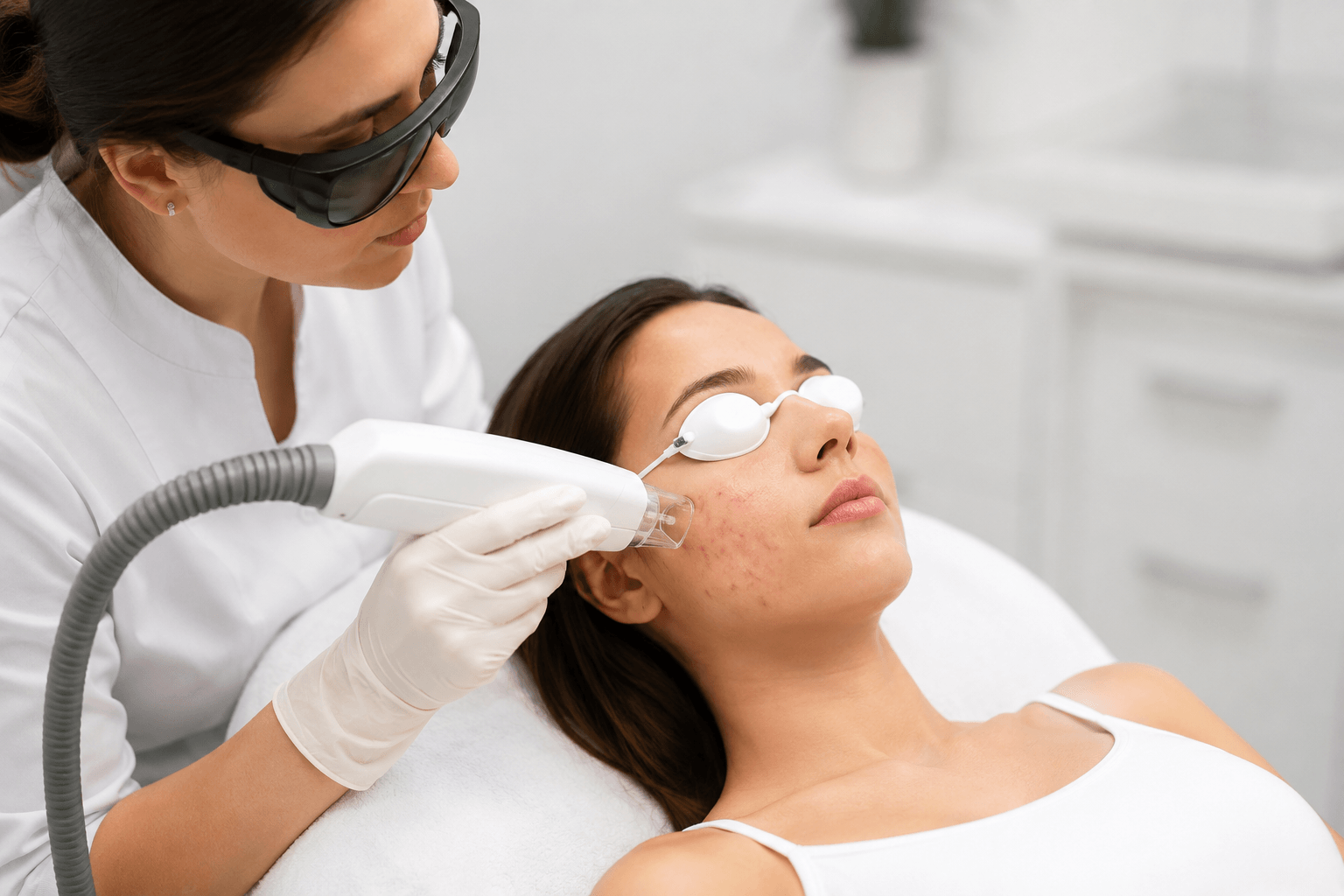
Ask for specifics: Will I be red? For how long? Can I go back to work the same day? Can I work out? Some treatments have little visible downtime, while others, such as a resurfacing laser peel, may involve several days of redness and peeling.
Many skin treatments work best as a series. Ask how many sessions are typically recommended, how far apart they are spaced, and when you can expect to see a difference.
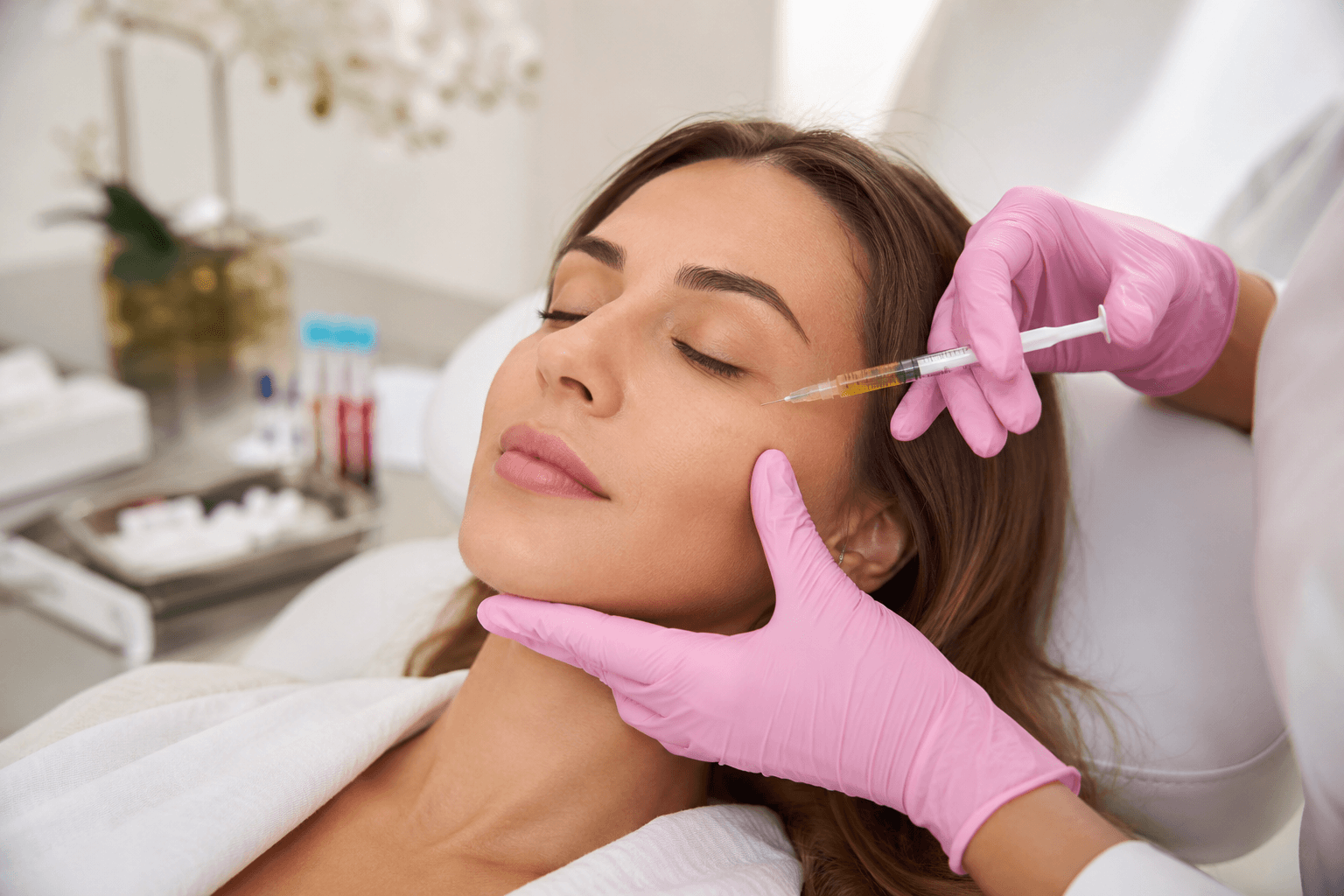
Every procedure has potential side effects. Ask what is common, what is rare but serious, and what you should do if something unexpected happens after treatment.
Daily sunscreen, a consistent routine, and the right products often protect your investment. Ask what to start, what to stop, and what to pause before treatment.
Knowing your provider's background and training matters, especially for injectables and lasers. ABA Aesthetics is led by founder Aymen Ibrahim, MSN, AGPCNP-C, a nurse practitioner. You can read more on our About Us page.
The good news is that a plan does not have to be complicated to be effective. During your skin consultation, ask about these time-friendly strategies:
You should leave with a clear understanding of your concern, your recommended options, and next steps. That might be a single treatment, a series, a change in your home routine, or a combination. Depending on your goals, recommendations may include services such as:
You are never obligated to book a treatment the same day. A thoughtful provider will give you time to decide.
If you are not sure what to call your concern, browse our skin concerns directory before your appointment. Seeing your concern described in words can make it easier to explain.
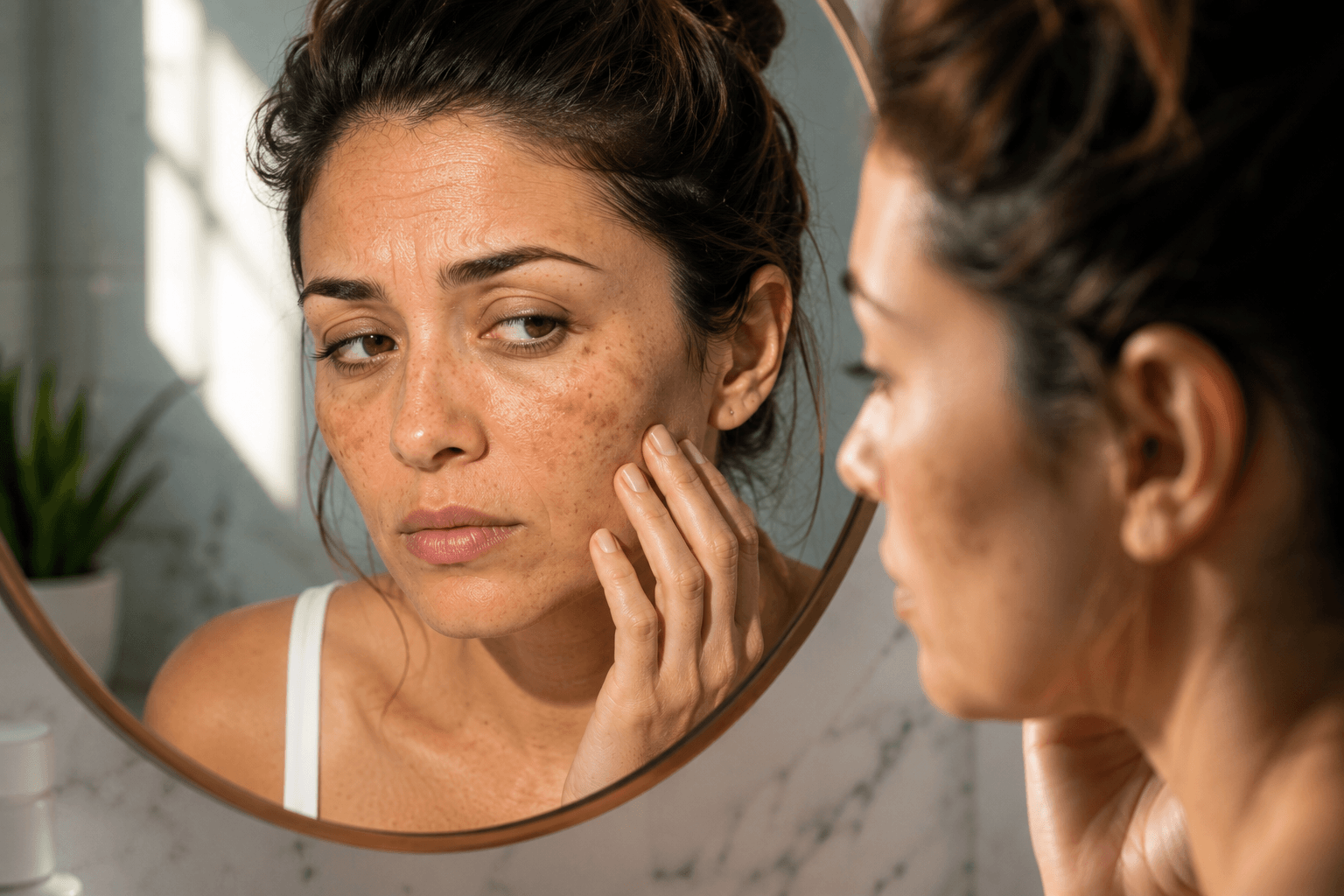
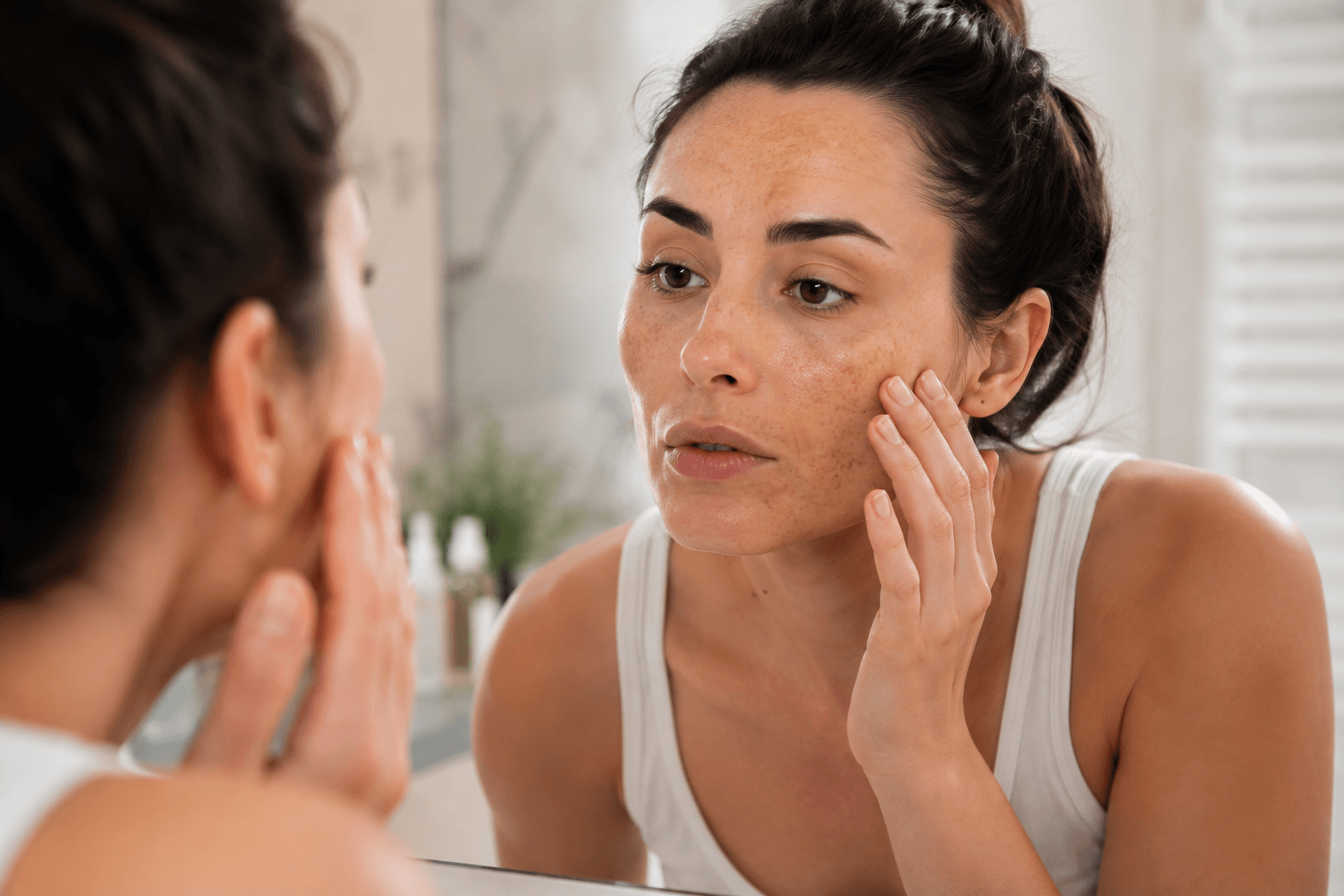
Busy people often downplay concerns because they feel cosmetic or trivial. Bring them up anyway. Things like persistent breakouts, new dark spots, sudden changes in a mole, or skin that suddenly becomes much more sensitive are all worth mentioning. Some changes, especially a mole that changes in size, shape, or color, should be evaluated by a dermatologist or physician, and a responsible aesthetic provider will tell you when something falls outside aesthetic care.
It varies by provider and by how many concerns you want to discuss. Coming prepared with your products, medications, and goals helps the conversation stay focused and productive, even when your time is limited.
It is usually easiest to arrive with clean skin or minimal makeup so your provider can see your skin clearly. If you are coming straight from work, ask whether you can cleanse your face when you arrive.
Sometimes, depending on the treatment, your health history, and the provider's assessment. Some treatments require preparation beforehand, such as pausing certain products or medications, so same-day treatment is not always appropriate.
That is exactly what a skin consultation is for. Describe what bothers you and what you hope to see, and let your provider explain which options fit your skin, schedule, and goals.
Yes. A consultation can help you understand your skin type and concerns so you can choose products with more confidence, even if you are not ready for in-office treatments.
Your time is valuable, and your skin deserves more than trial and error. Walk into your skin consultation with your products, your medications, your goals, and your calendar, and you will walk out with a plan that fits the life you actually live.
Ready to get started? Contact ABA Aesthetics Medspa to book your consultation in Rockwall, Texas, or visit our homepage to learn more about our personalized approach to aesthetic care.