

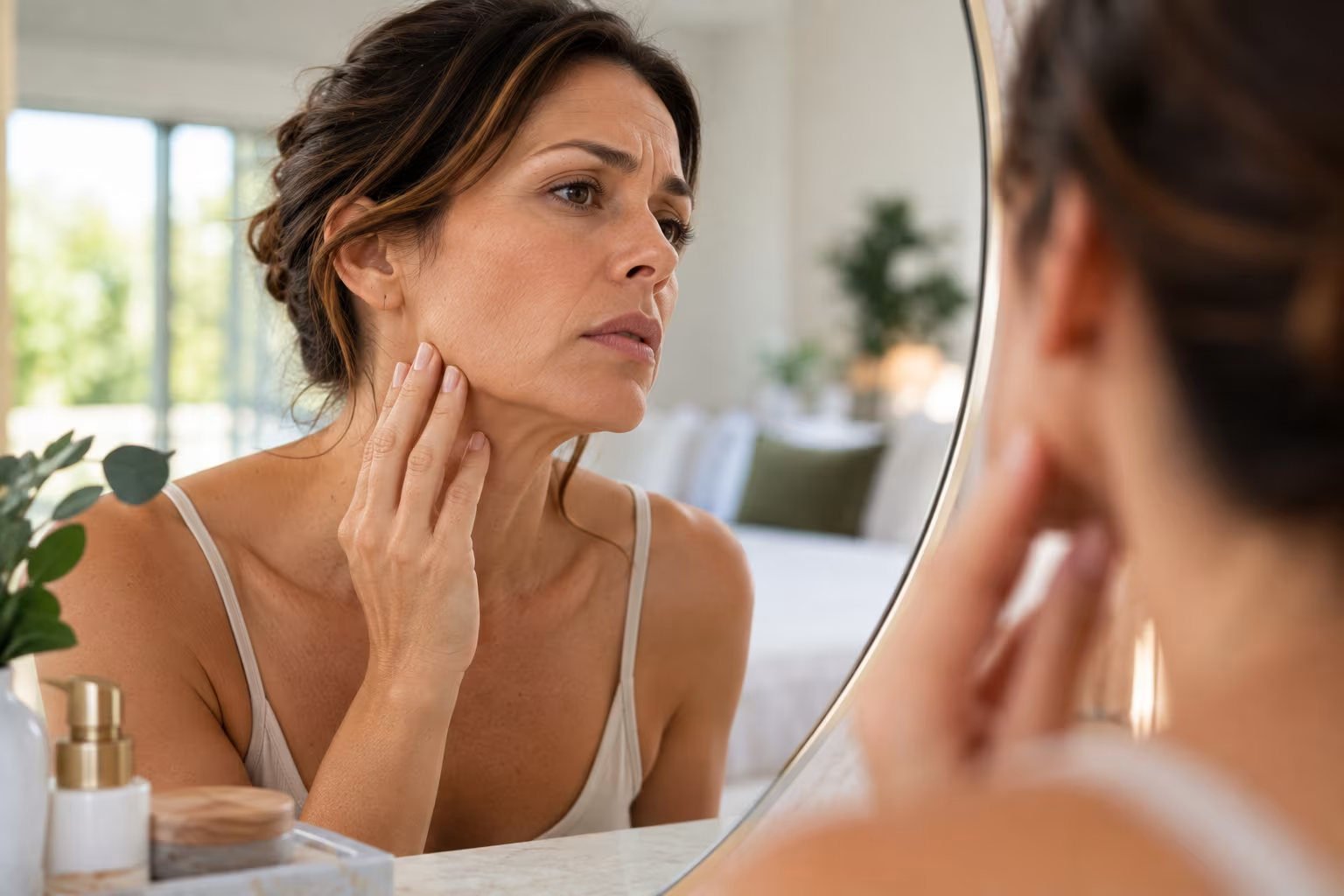
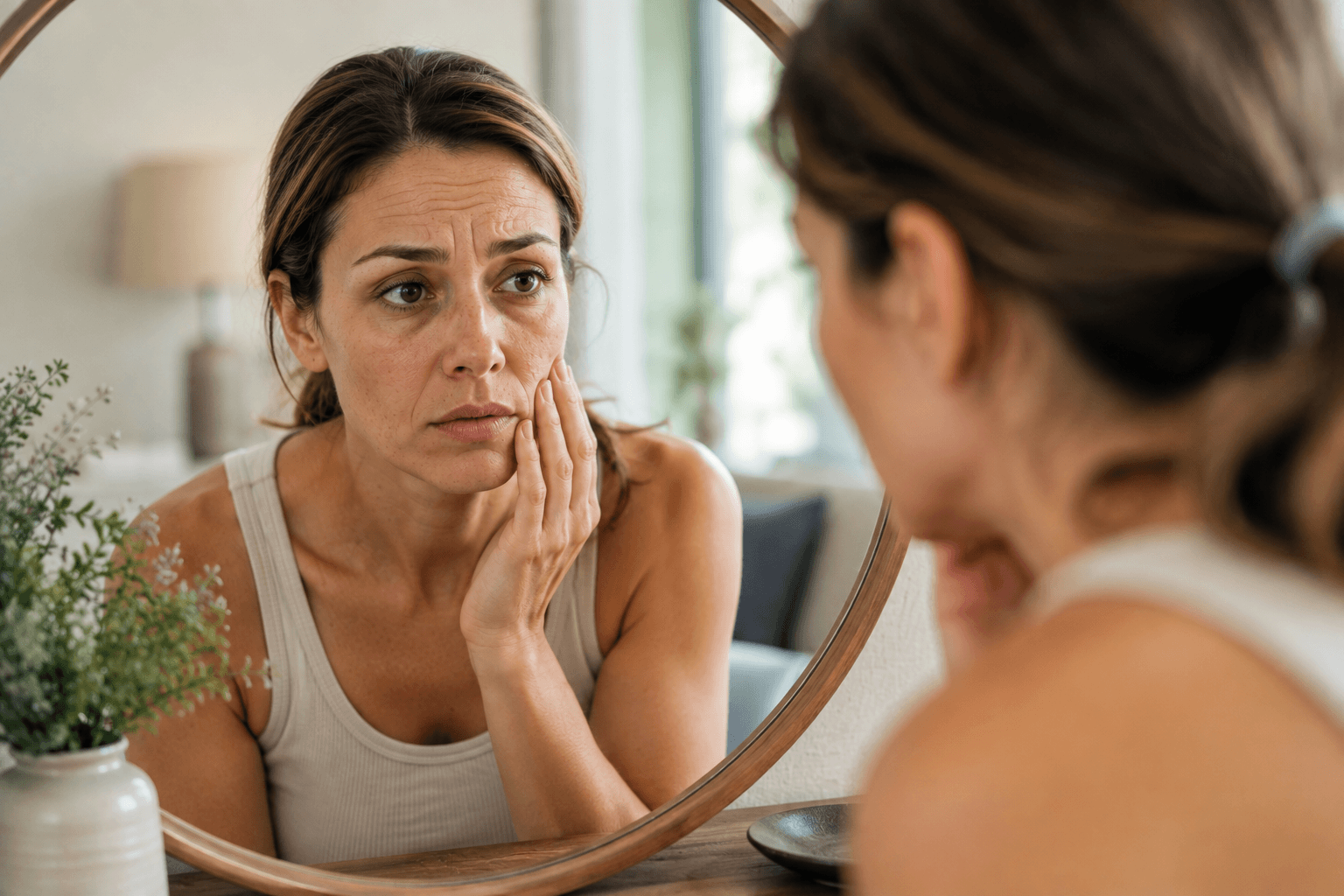
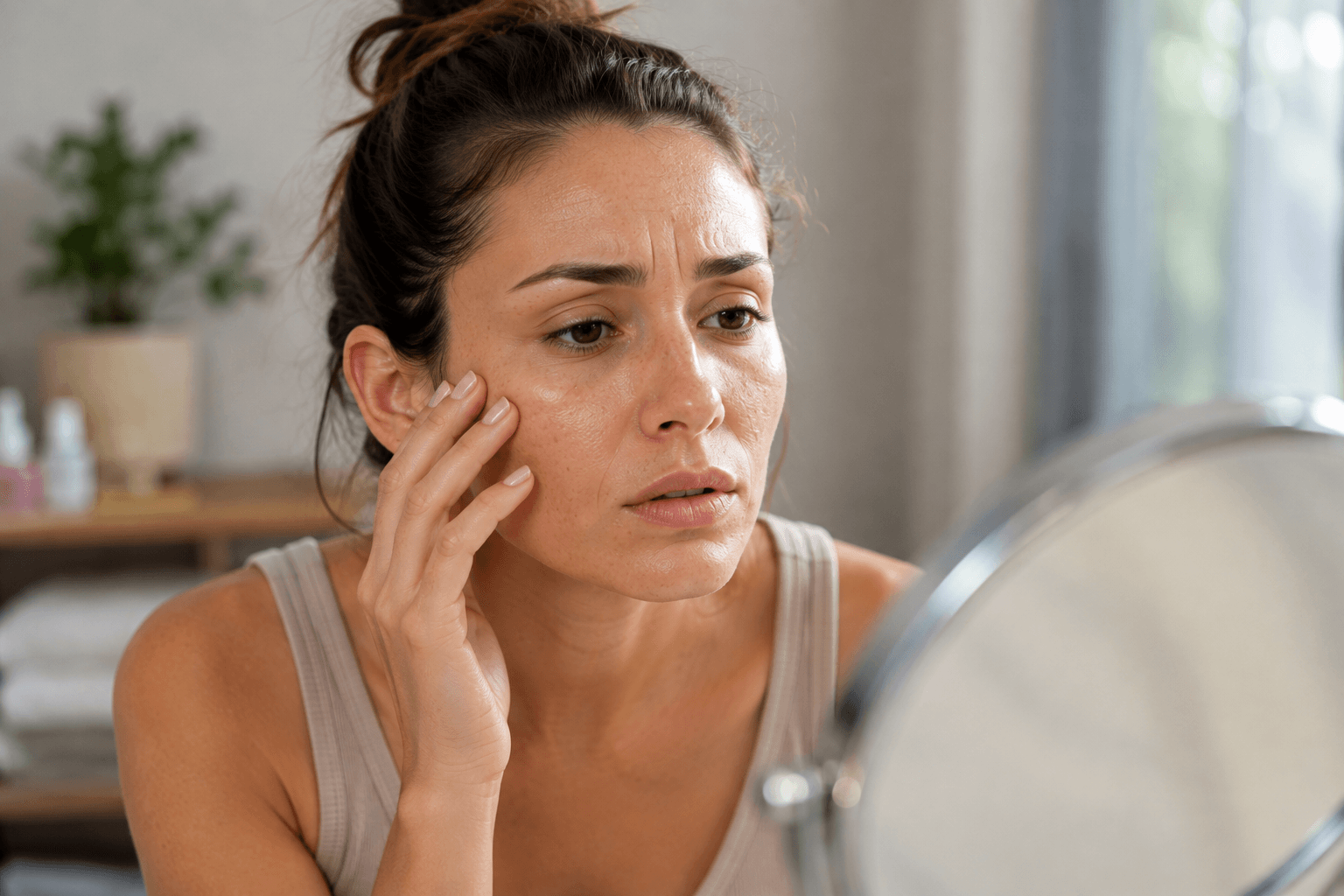
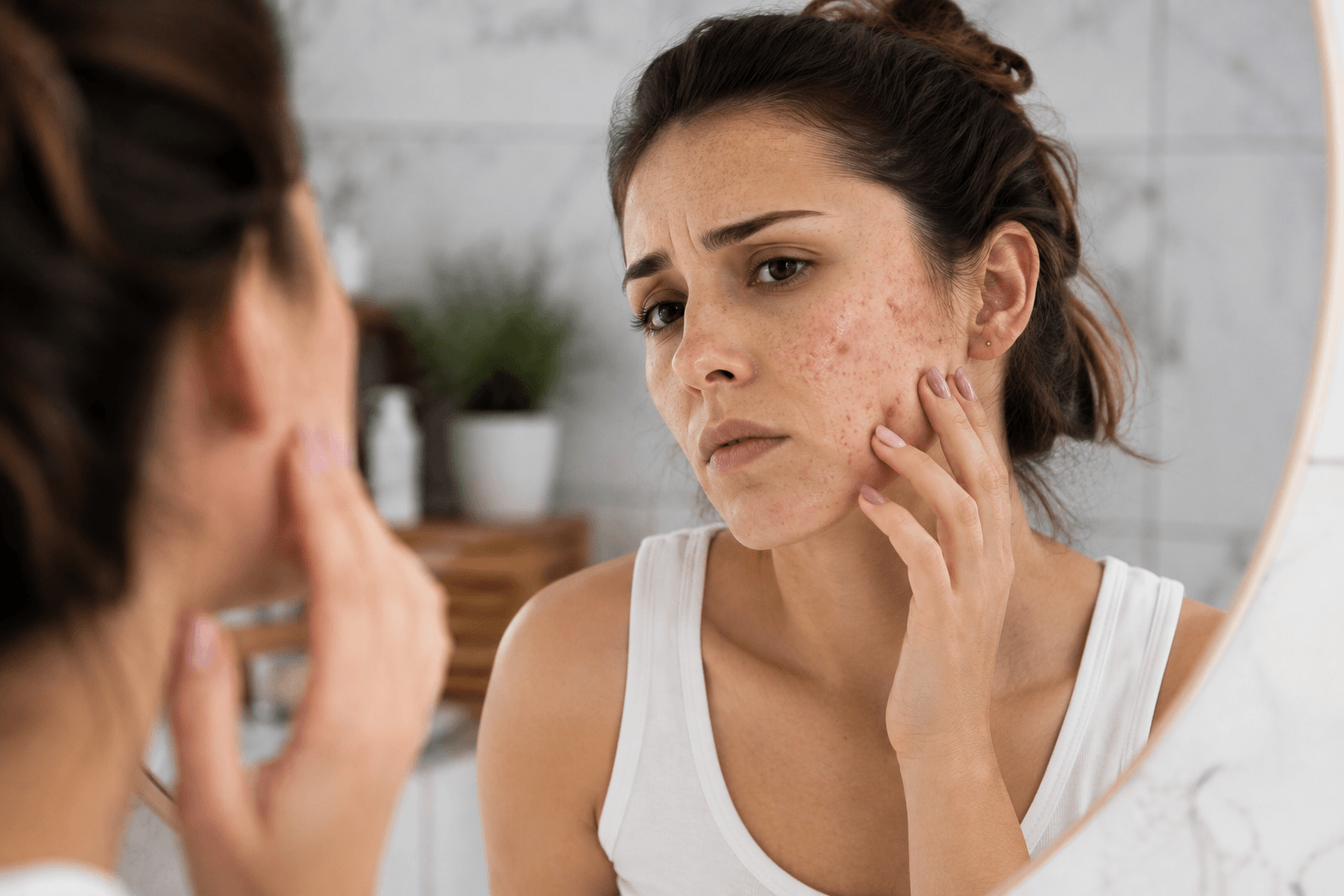
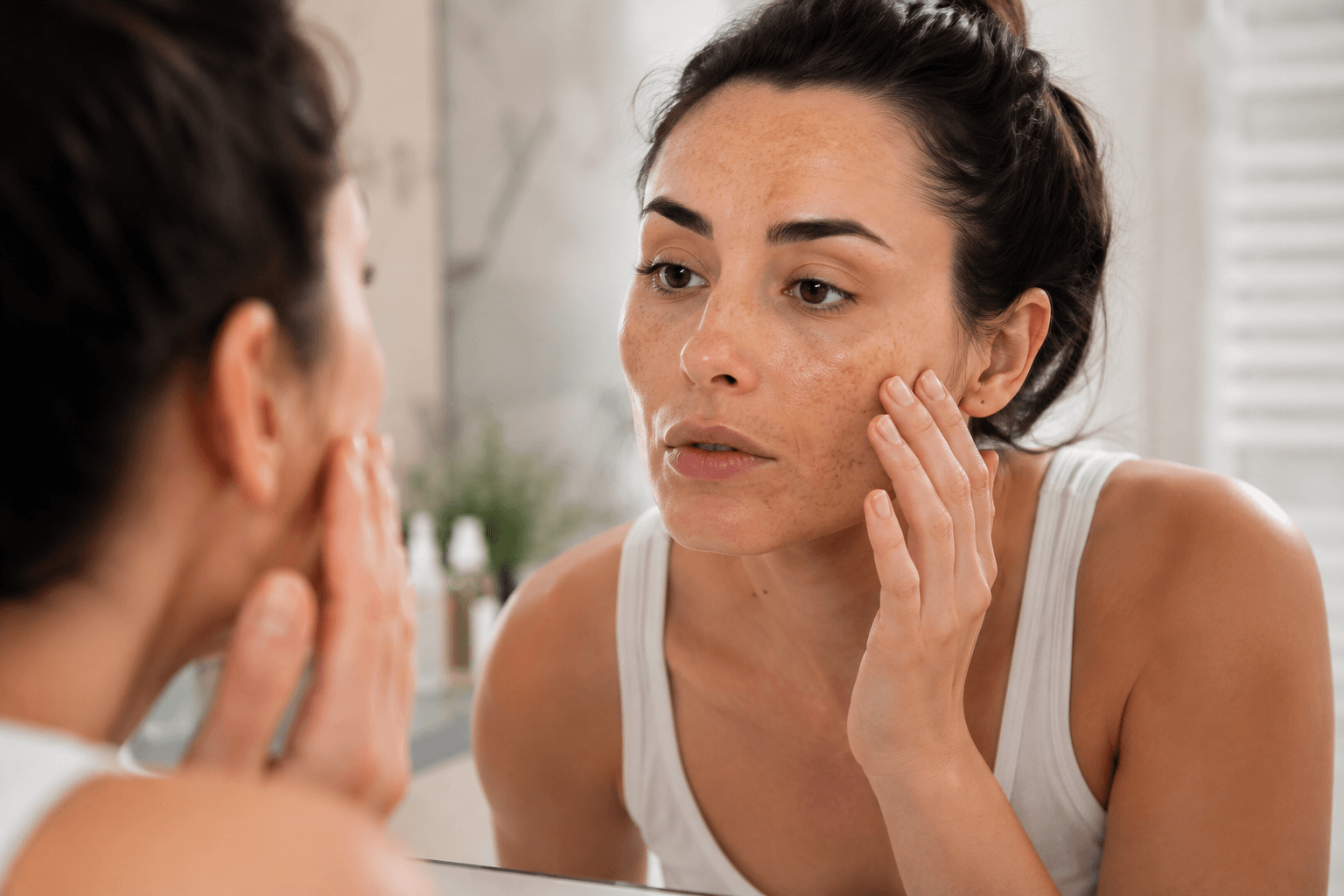
It usually happens gradually, and then all at once. You catch your reflection in a bright bathroom mirror, or you scroll past a photo someone tagged you in, and something looks different. Your jawline isn't quite as crisp. There's a softness along your cheeks that wasn't there a few years ago. Maybe your neck looks a little less defined than it used to, especially when you look down at your phone.
If you've found yourself gently pulling the skin back at your temples just to see what "used to be" looked like, you're not alone, and you're definitely not imagining it. Sagging skin is one of the most common concerns we hear from clients walking through our doors here in Rockwall, and it's rarely about one single thing. It's usually a combination of time, sun, lifestyle, and biology all showing up on the same face at once.
The good news is that facial sagging isn't something you simply have to accept or live with. Before we talk about treatment, though, it helps to understand what's actually happening underneath the surface, because that's what determines what will genuinely help.
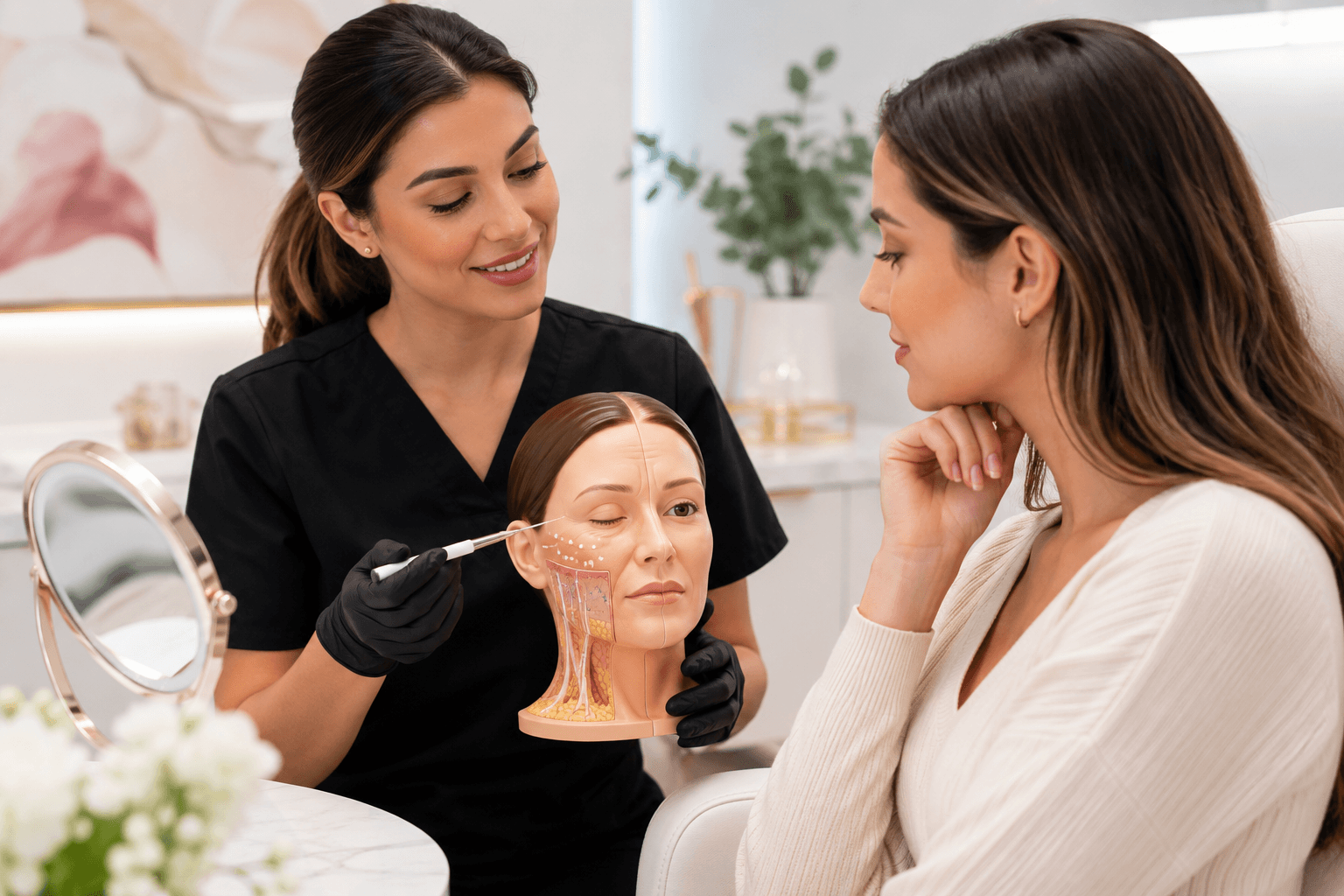
Skin holds its shape because of two proteins working together underneath it: collagen and elastin. Collagen gives skin its structure and firmness, while elastin allows it to stretch and bounce back into place. Starting in your mid to late twenties, your body begins producing less of both, and that decline speeds up with each passing decade. By the time most people notice visible sagging, they've already lost a meaningful percentage of the collagen they had in their twenties.
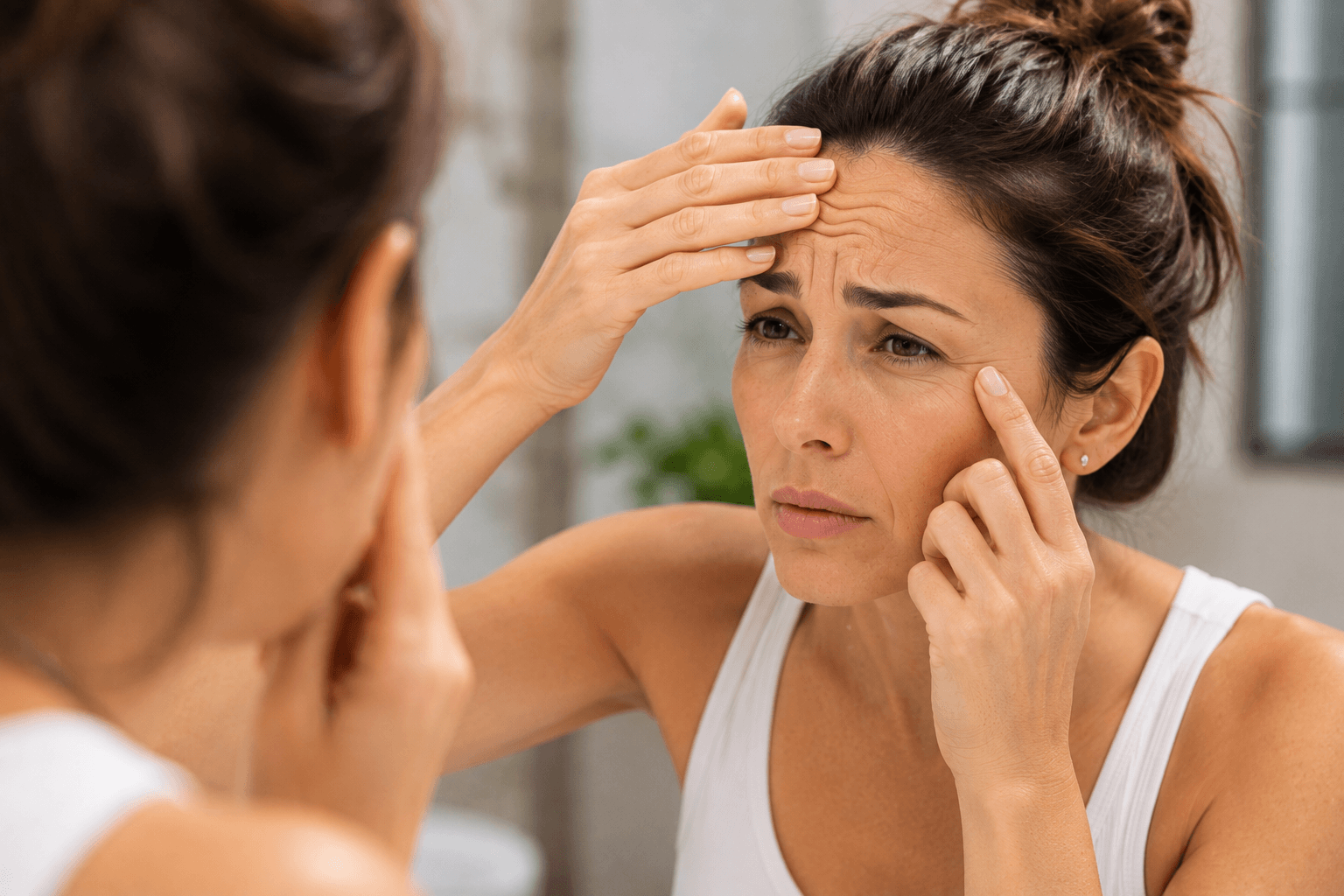
But aging alone doesn't tell the whole story. Several other factors accelerate skin laxity, often working together:
None of these are things to feel bad about. They're just biology and life. But understanding the "why" behind facial sagging makes it much easier to choose a treatment approach that actually addresses the cause rather than just the symptom.
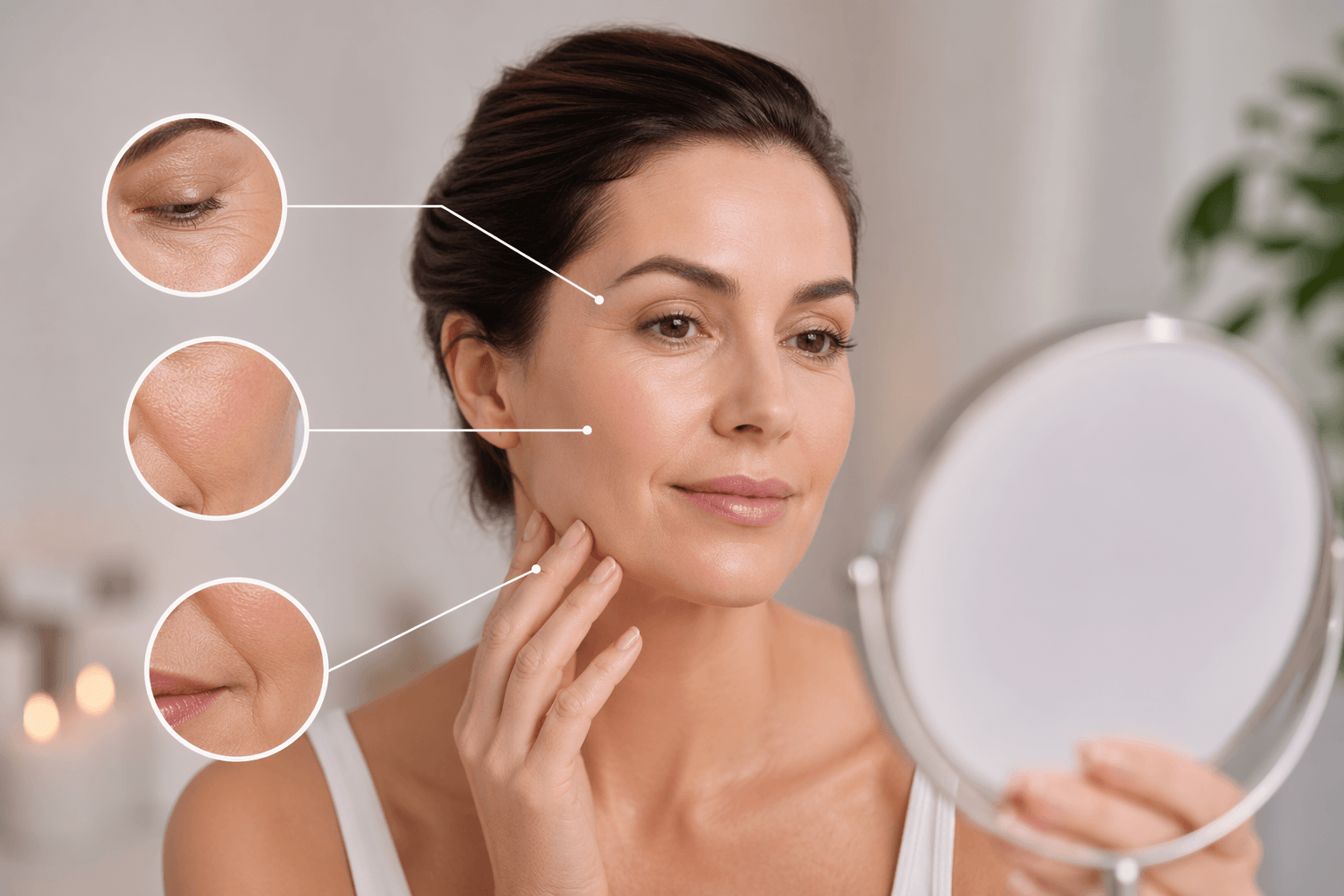
Sagging doesn't happen uniformly across the face. It tends to follow a fairly predictable pattern, and knowing where to look can help you catch it early.
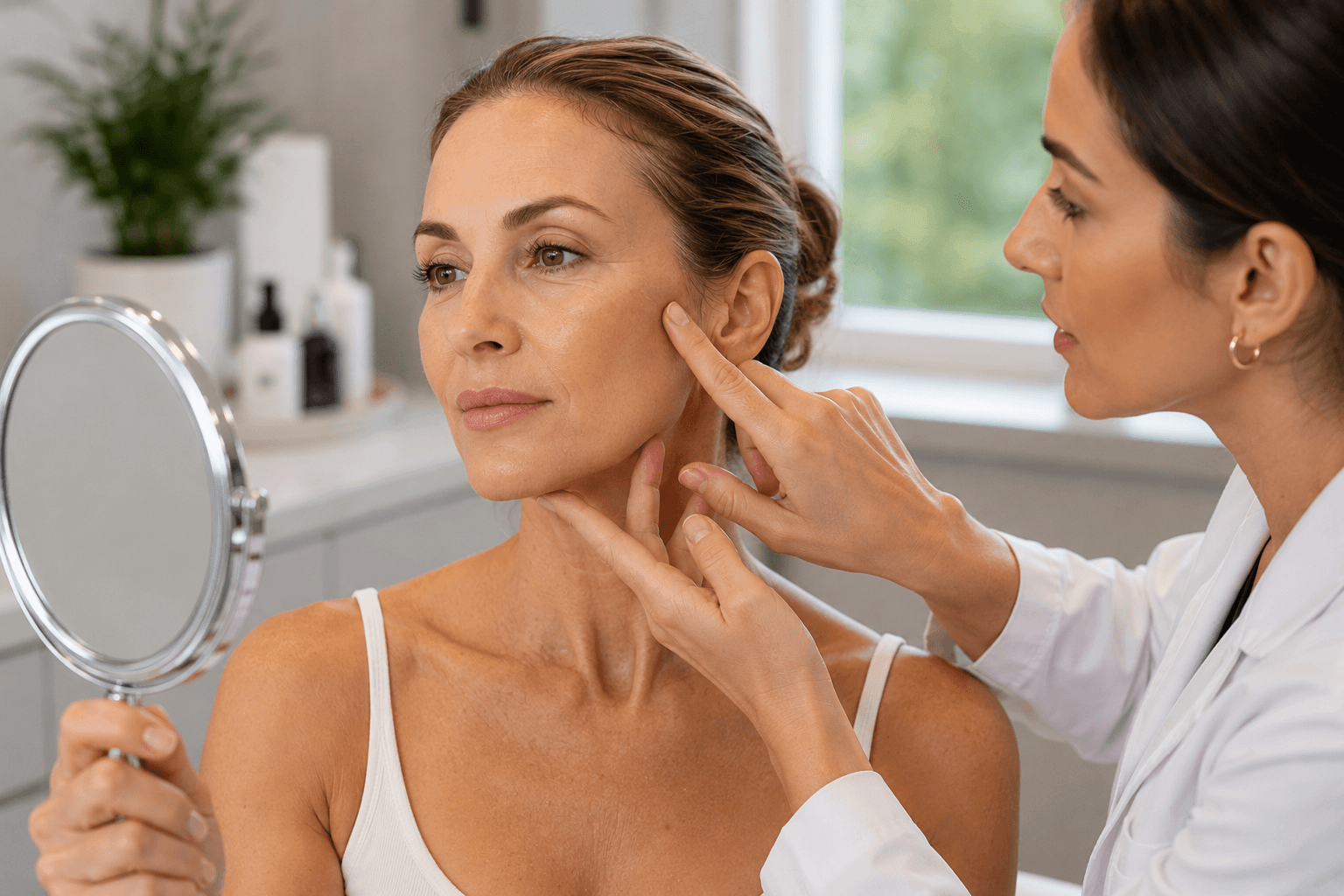
One of the earliest and most noticeable signs is a softening along the jawline, sometimes called jowls. As deeper tissue loses support, it begins to shift downward, and what was once a clean, defined jawline starts to blur.
The area between the nose and the corners of the mouth often deepens as the cheeks lose volume and begin to descend. This is closely tied to overall volume loss and facial sagging in the midface, since the cheeks act almost like scaffolding for the lower half of the face.
Cheeks that once sat high and full can start to look flatter or slightly hollow, which changes the entire structure of the face even before wrinkles become obvious.
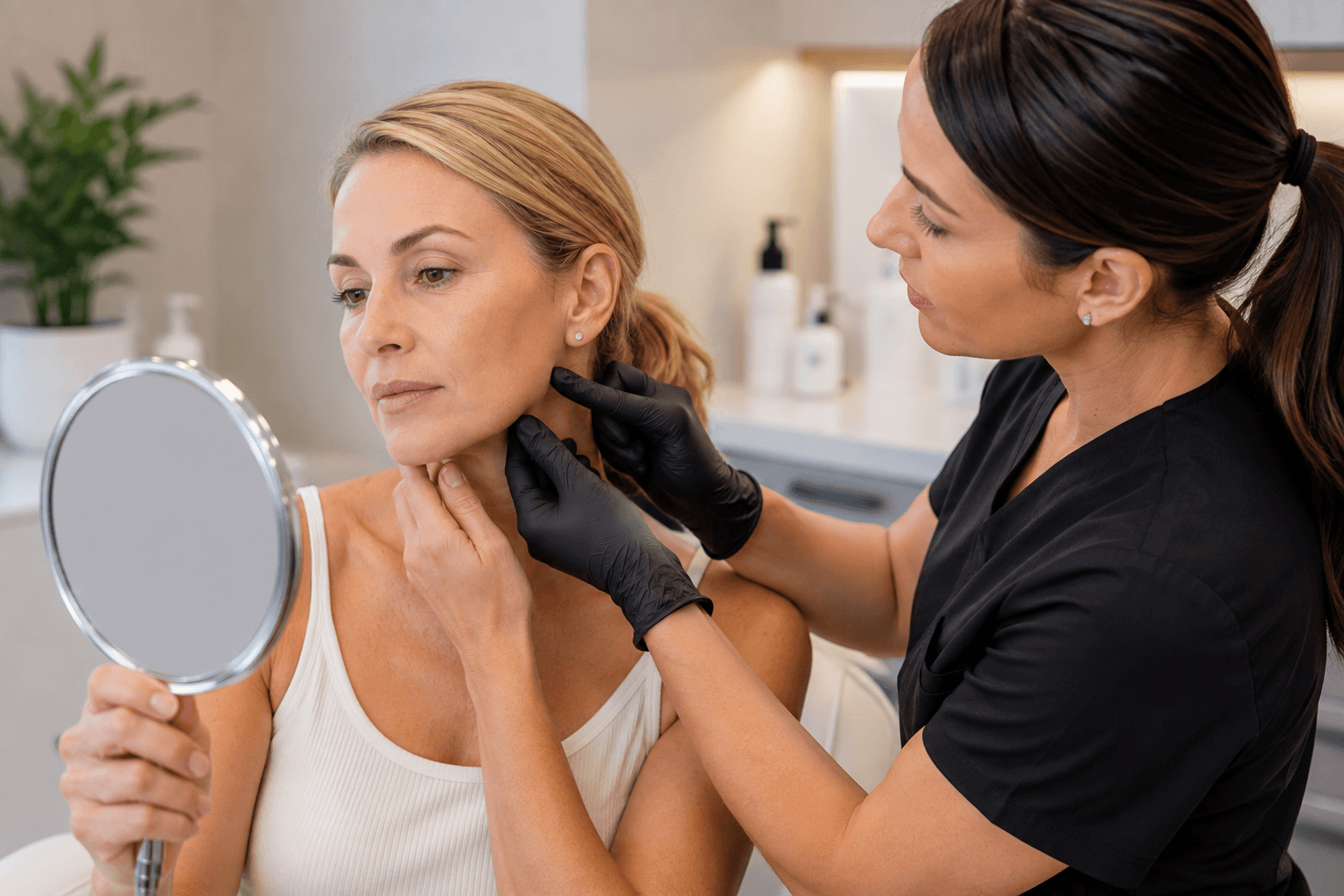
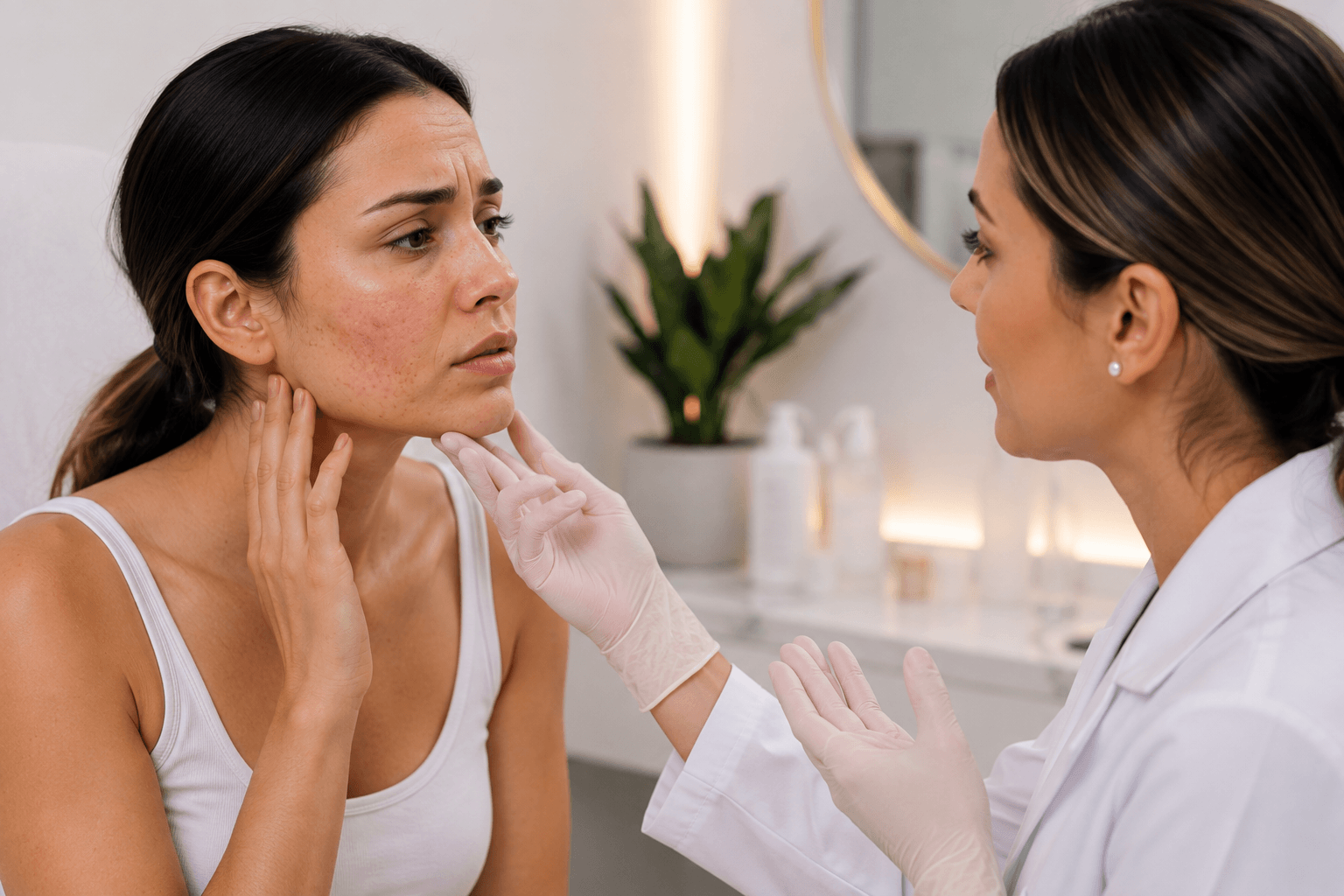
The neck is often the last area people think about, but it's frequently one of the first to show looseness, especially skin just under the chin and jawline. Because the skin here is thinner, it tends to lose elasticity earlier than other areas.
This is a question we get asked constantly, and it's a fair one. Early sagging tends to be subtle. You might notice it mostly in certain lighting, in photos taken from below, or by the end of a long day when your face feels "tired" even though you're not. Skin still has decent elasticity, meaning it bounces back reasonably well when gently pressed or stretched.
More advanced laxity is more visible at rest, in any lighting, and often comes with a change in the overall shape of the face rather than just texture. Jowls become more defined, the jawline loses its contour consistently (not just occasionally), and skin may feel noticeably looser to the touch.
The distinction matters because it affects what kind of treatment will be most effective. Catching facial sagging early generally means less is needed to see a meaningful improvement, which is one of the biggest reasons we encourage people not to wait until they're unhappy with their reflection before asking questions.
Yes, and this is genuinely one of the more encouraging developments in aesthetic medicine over the last several years. You don't need a surgical facelift to meaningfully improve the appearance of loose or sagging skin, especially if you're dealing with mild to moderate laxity rather than significant, longstanding sagging.
Non-surgical approaches work by stimulating your body's own collagen production, restoring lost volume, or gently tightening tissue, sometimes all three at once. That's a very different mechanism than surgery, which physically removes and repositions skin. Non-surgical treatments tend to produce a more gradual result that looks natural, with no incisions and no extended downtime, which fits far better into most people's actual lives here in Rockwall.
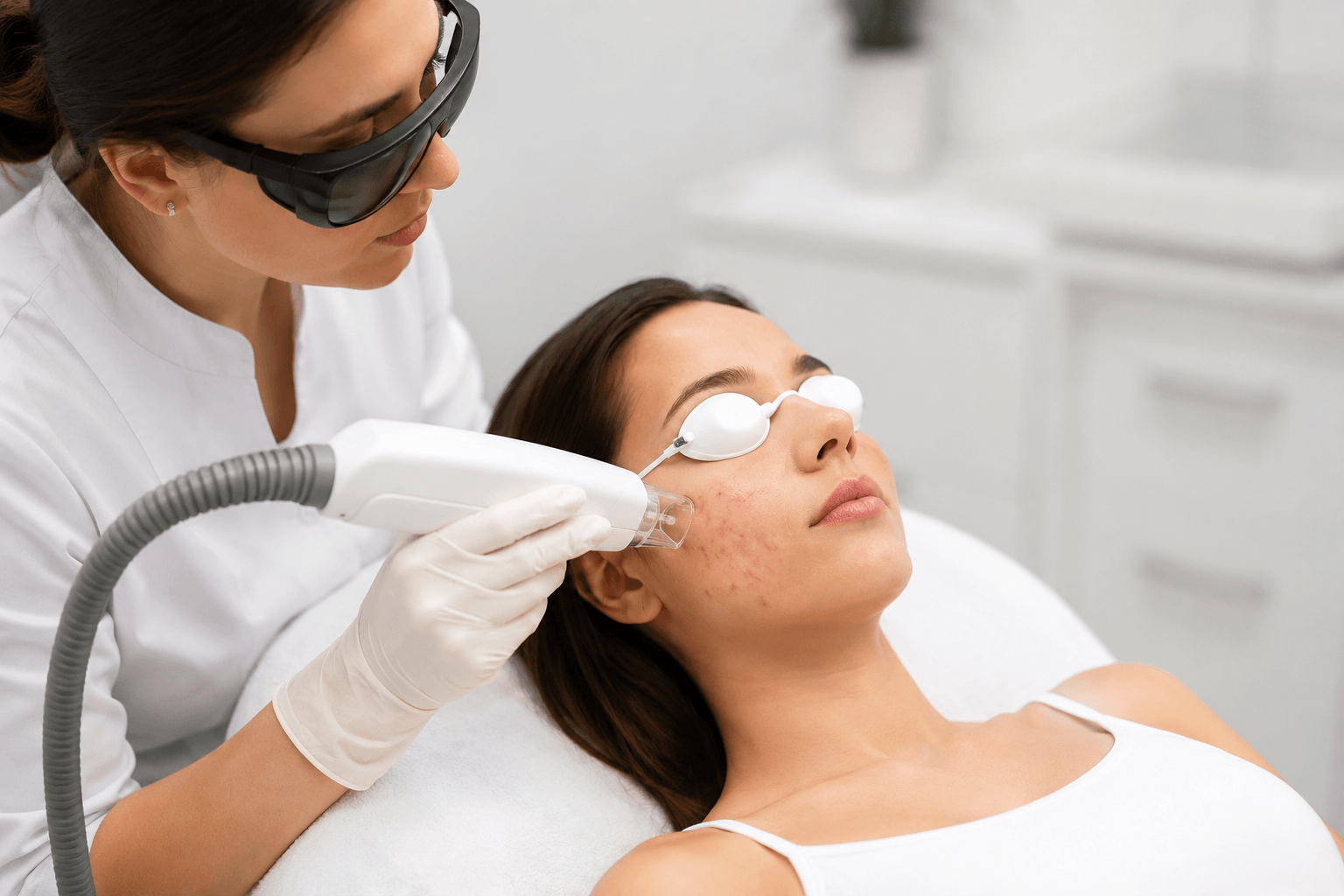
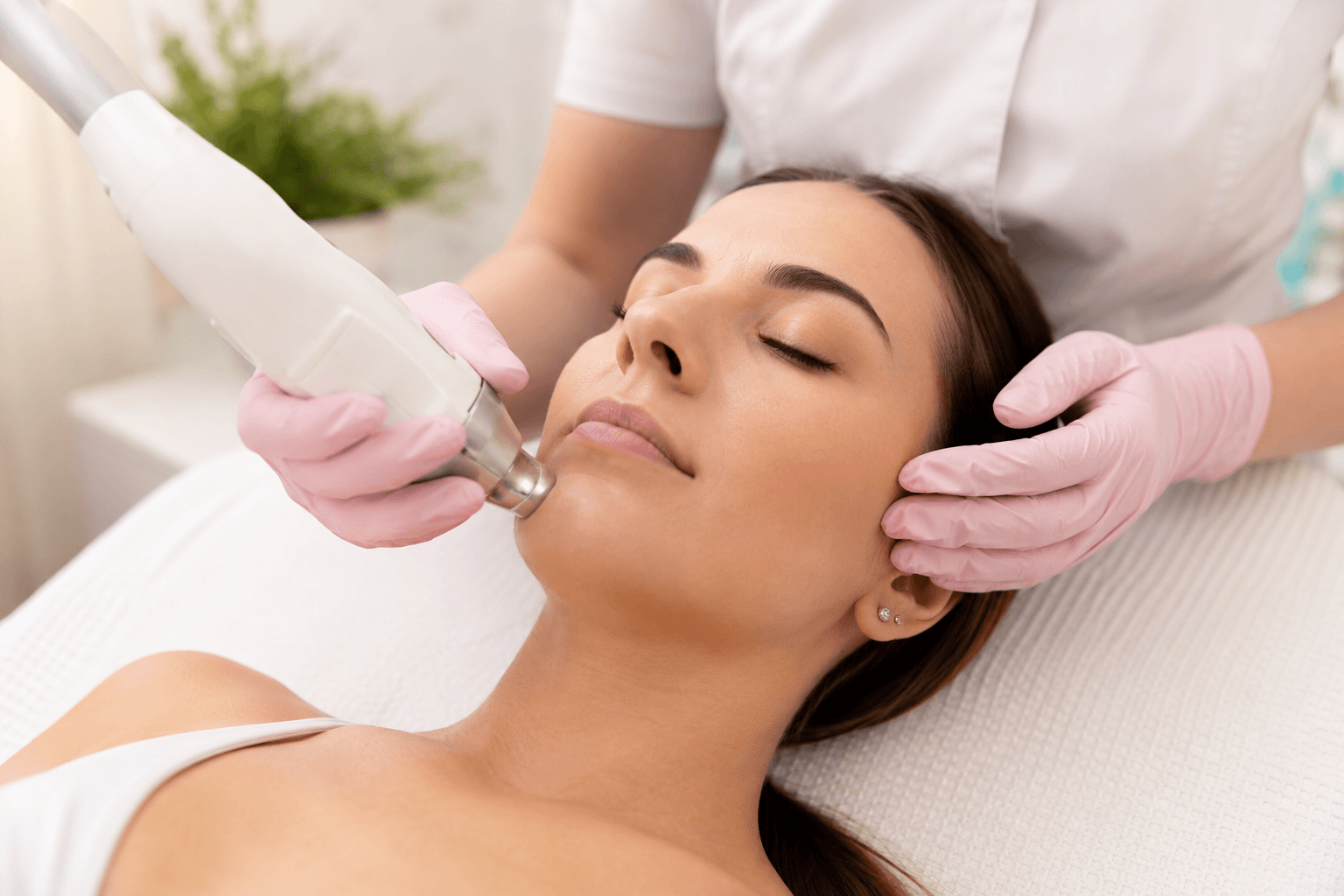
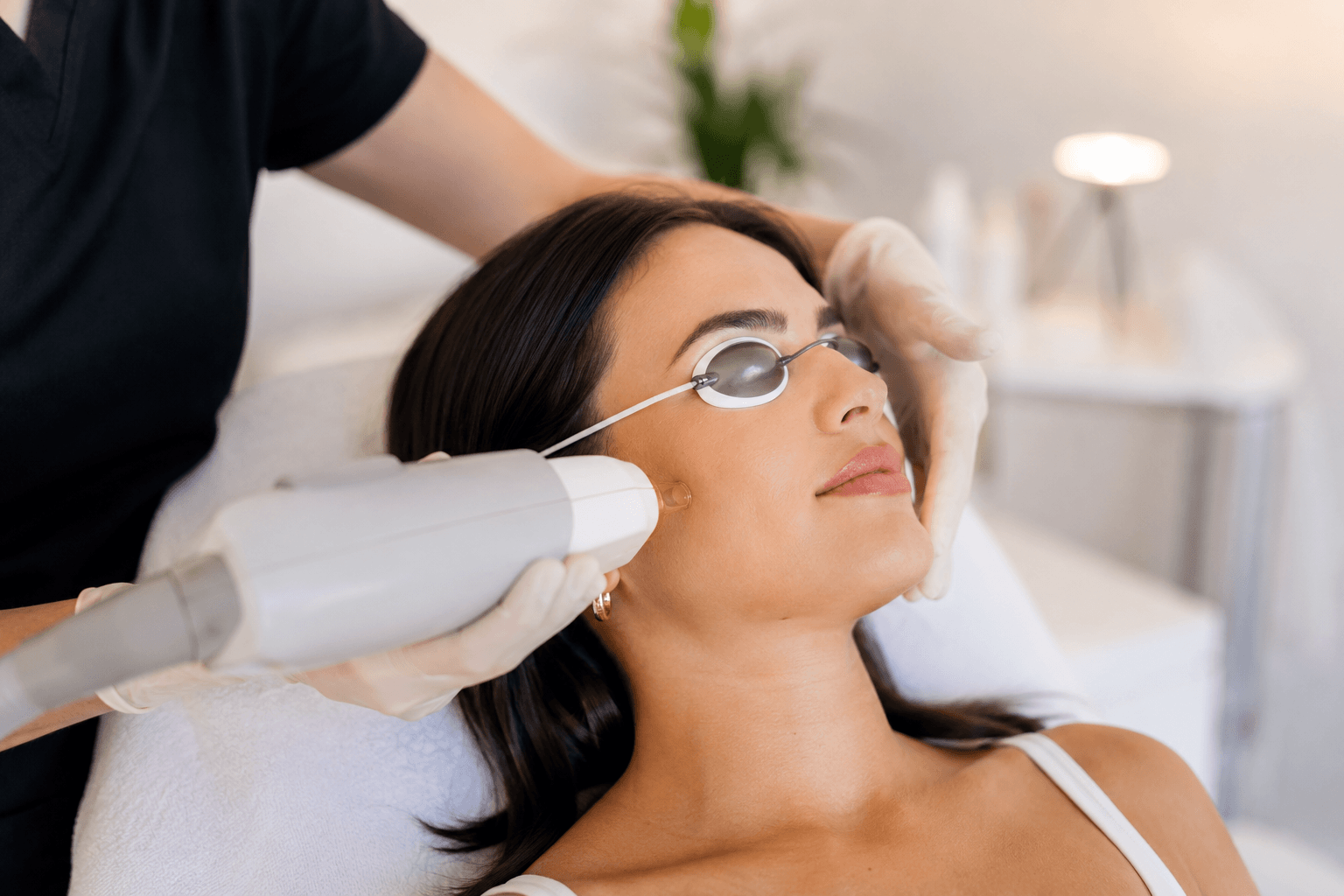
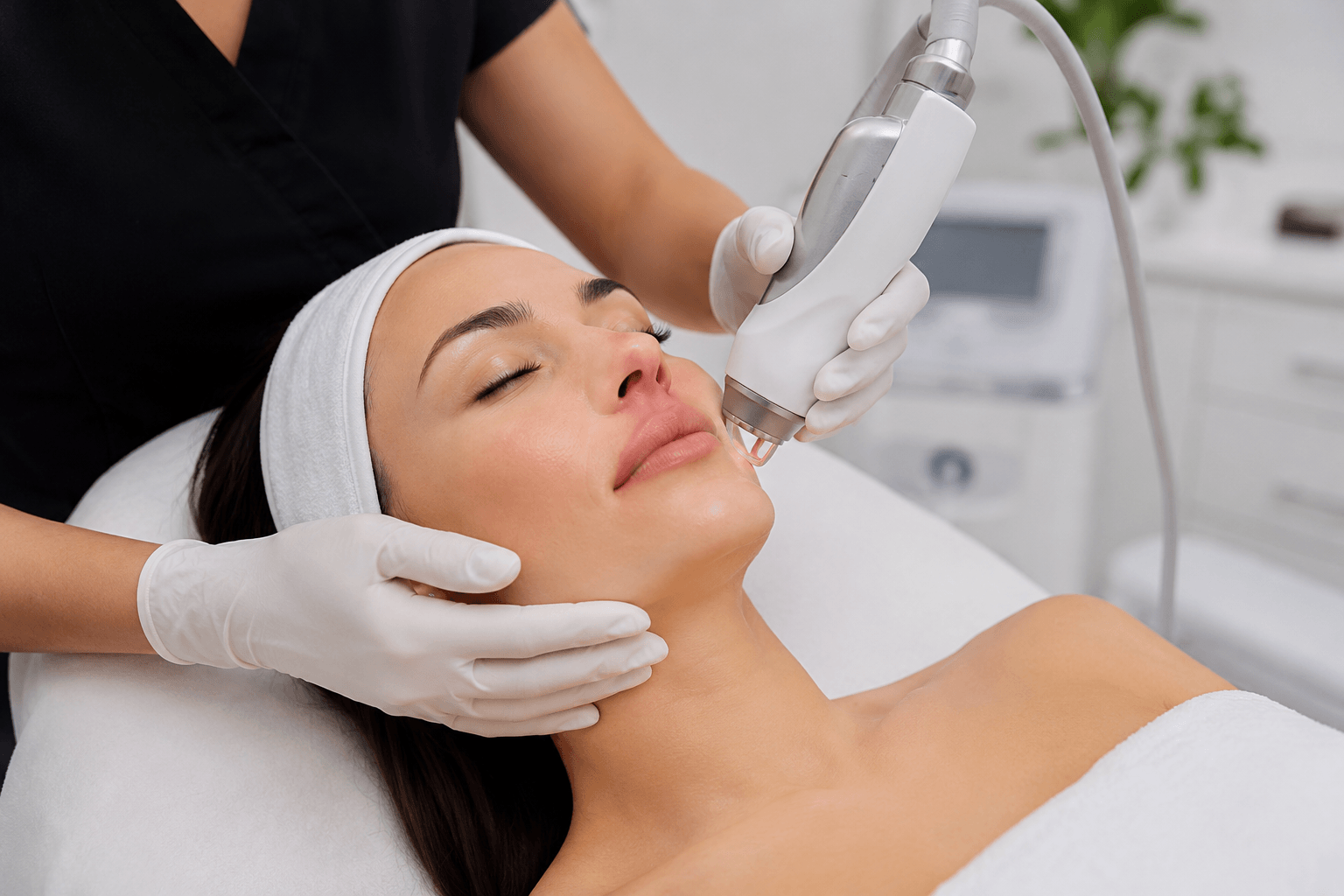
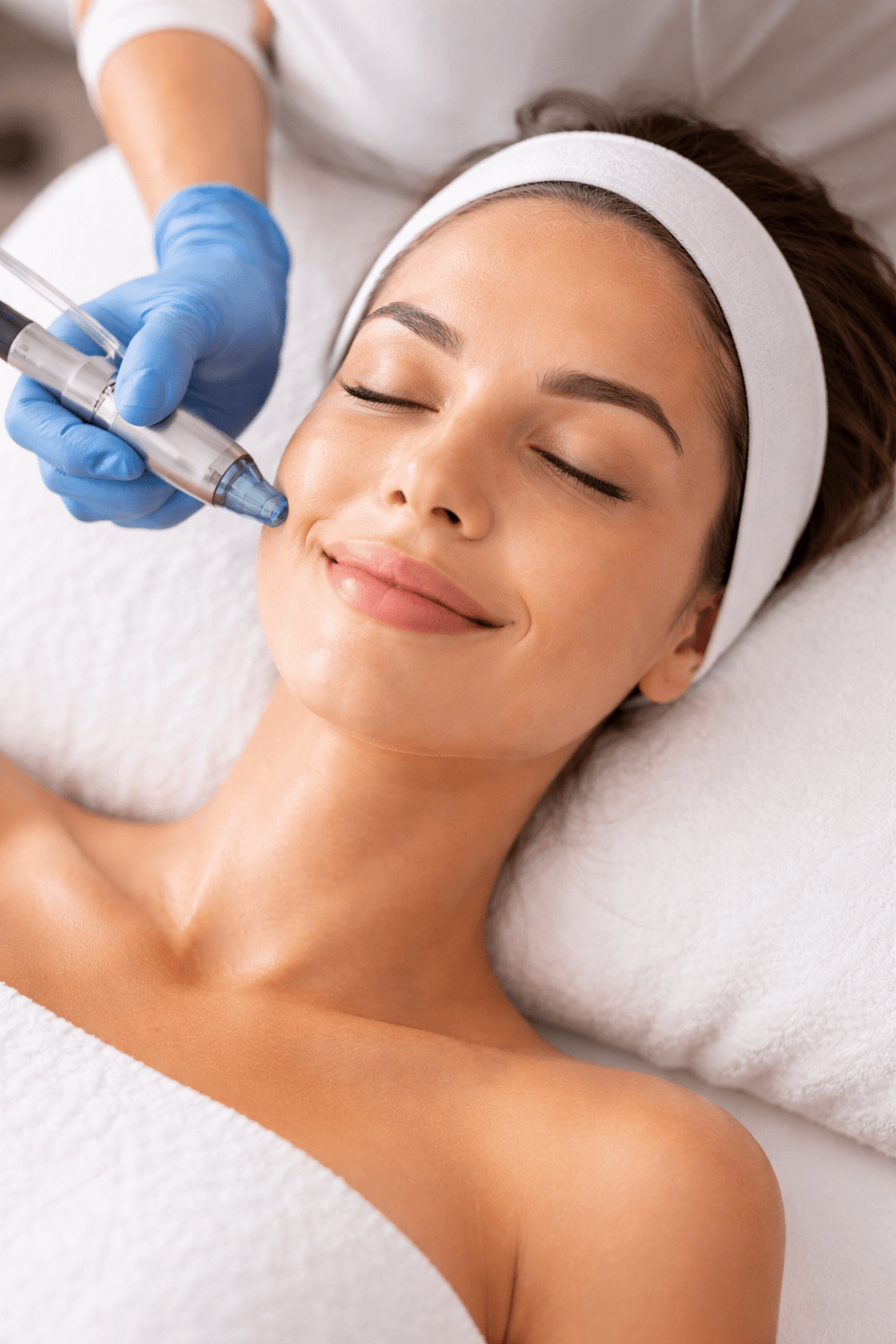
At ABA Aesthetics, our most comprehensive non-invasive option for facial sagging is the 4D Face Lift, a non-invasive laser facelifting treatment designed specifically to address loose, lax skin without surgery or downtime.
The treatment works on multiple levels at once (hence "4D"), targeting different depths of tissue to encourage collagen remodeling, tighten the skin's surface, and improve overall firmness and contour. Rather than a single laser pass, it combines several laser modalities in one session to lift, tighten, and refine texture simultaneously, which is why it's become one of our most requested treatments for clients noticing sagging along the jawline, cheeks, and lower face.
Because it stimulates your own collagen rather than adding filler alone, results tend to build gradually and look remarkably natural. Most clients describe their skin as looking "refreshed" rather than "done," which is exactly the goal.
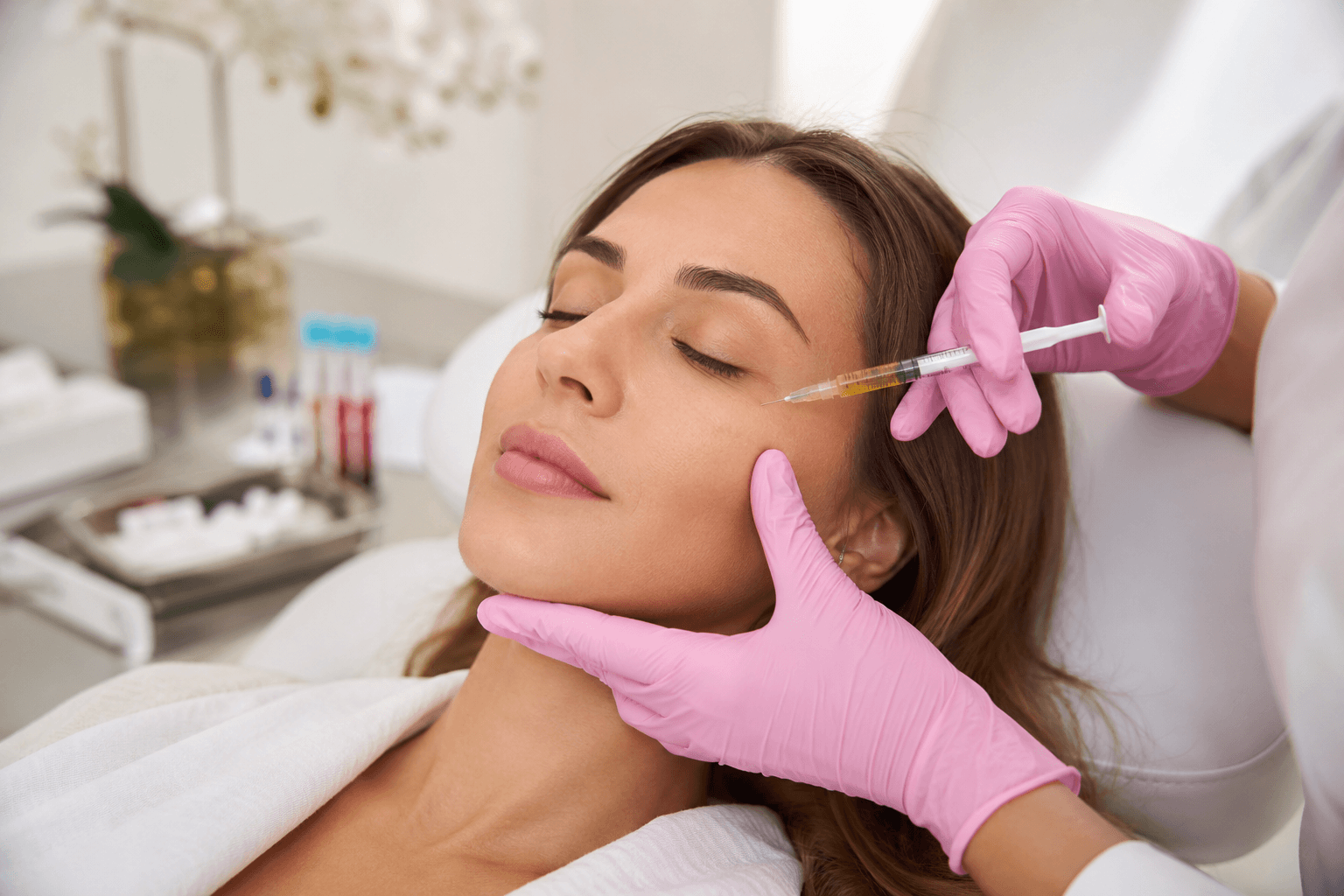
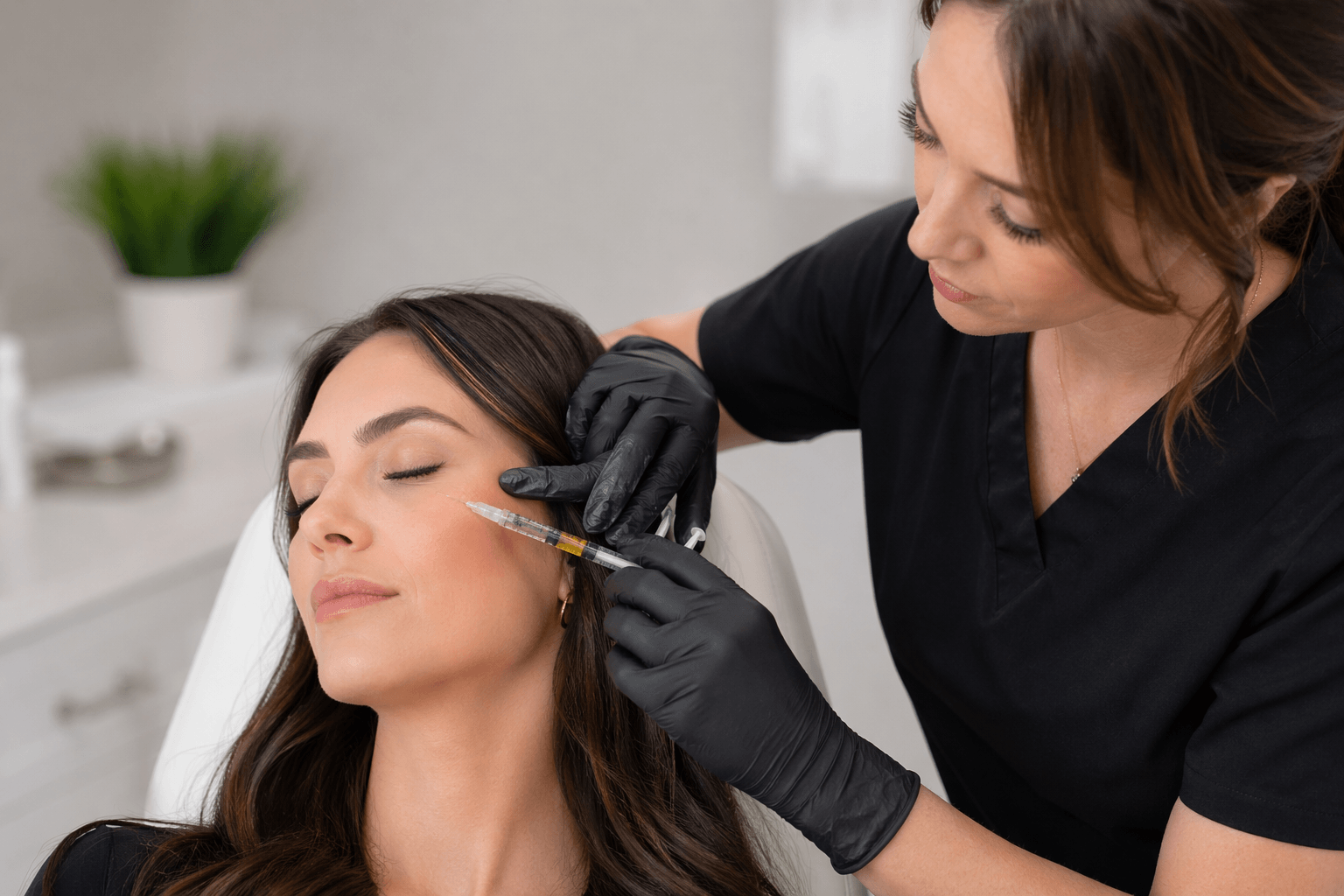
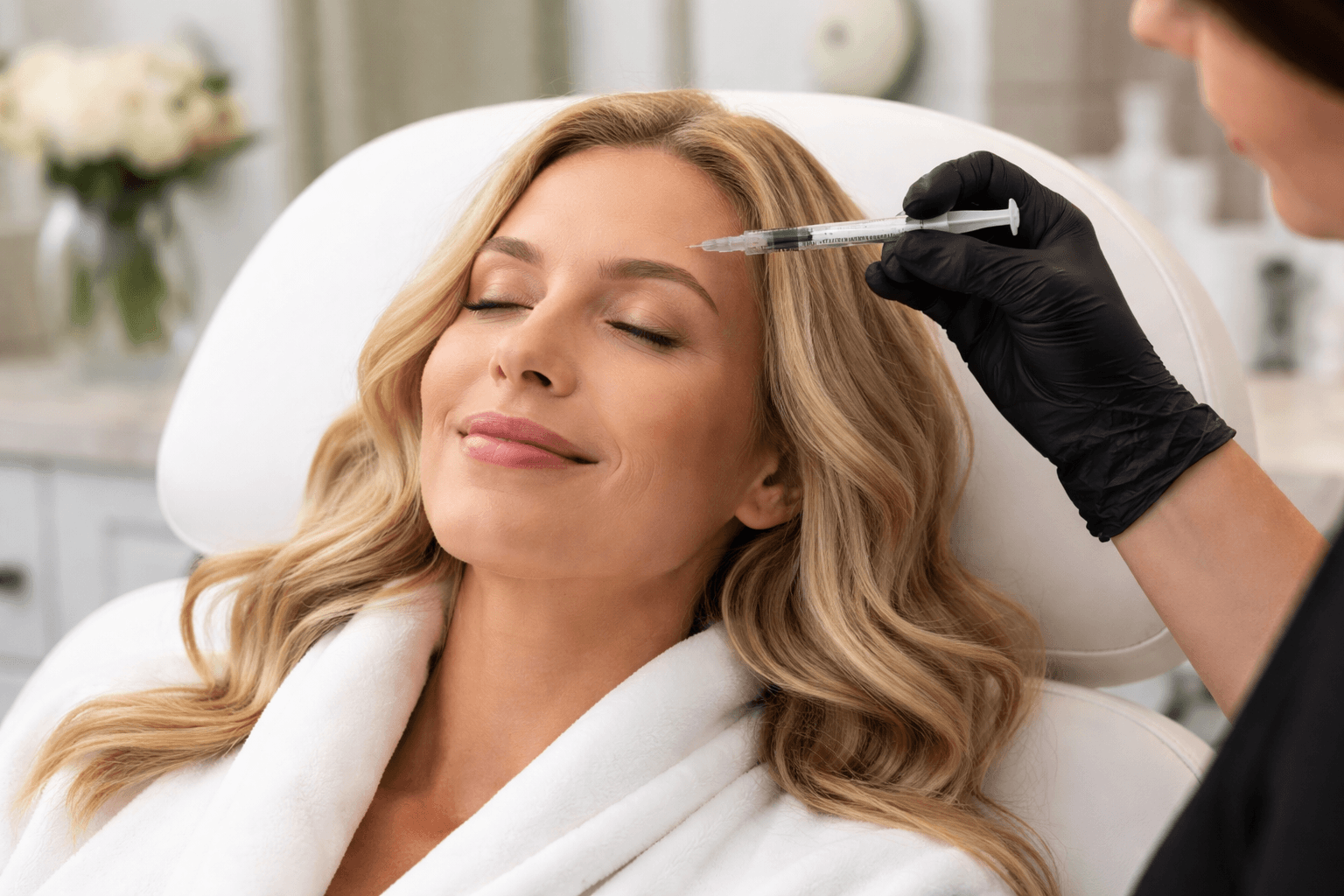
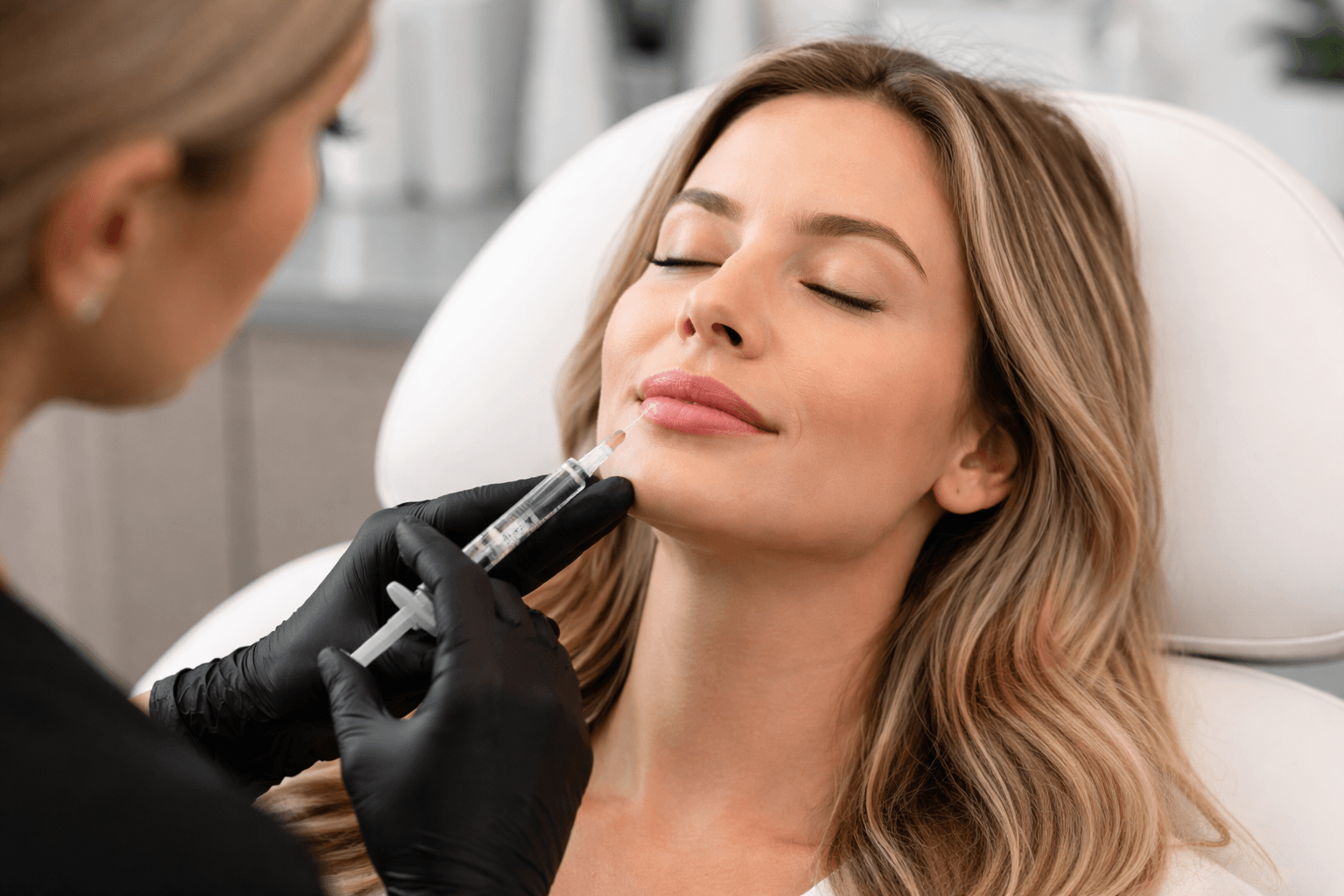
For clients dealing more specifically with volume loss alongside sagging, we often discuss pairing this approach with Sculptra, a collagen-stimulating injectable that works gradually over several months to restore facial volume and support. For those noticing looseness specifically in the neck and under the jaw, our Neck Restore Package, which combines PRF and Radiesse, is designed to target that area directly. And for clients interested in a more regenerative, natural approach, PRF (Platelet-Rich Fibrin) uses your own blood's growth factors to encourage tissue repair and skin quality improvements over time. In some cases, Radiesse is also used on its own to add structural support where volume has been lost.
Every plan looks a little different, because everyone's sagging shows up differently. That's really the point of a proper consultation rather than a one-size-fits-all recommendation.
Generally speaking, people with mild to moderate facial sagging, meaning some looseness or loss of firmness but not extensive excess skin, tend to be excellent candidates for non-surgical laser facelifting. This often includes people in their late thirties through sixties who are noticing early jowling, softening along the jawline, or a general loss of definition rather than dramatic, longstanding sagging.
It's also a great option for people who simply want to be proactive. You don't have to wait until sagging is significant to benefit from collagen-stimulating treatment. In fact, addressing skin laxity earlier often produces better, more natural-looking results over time.
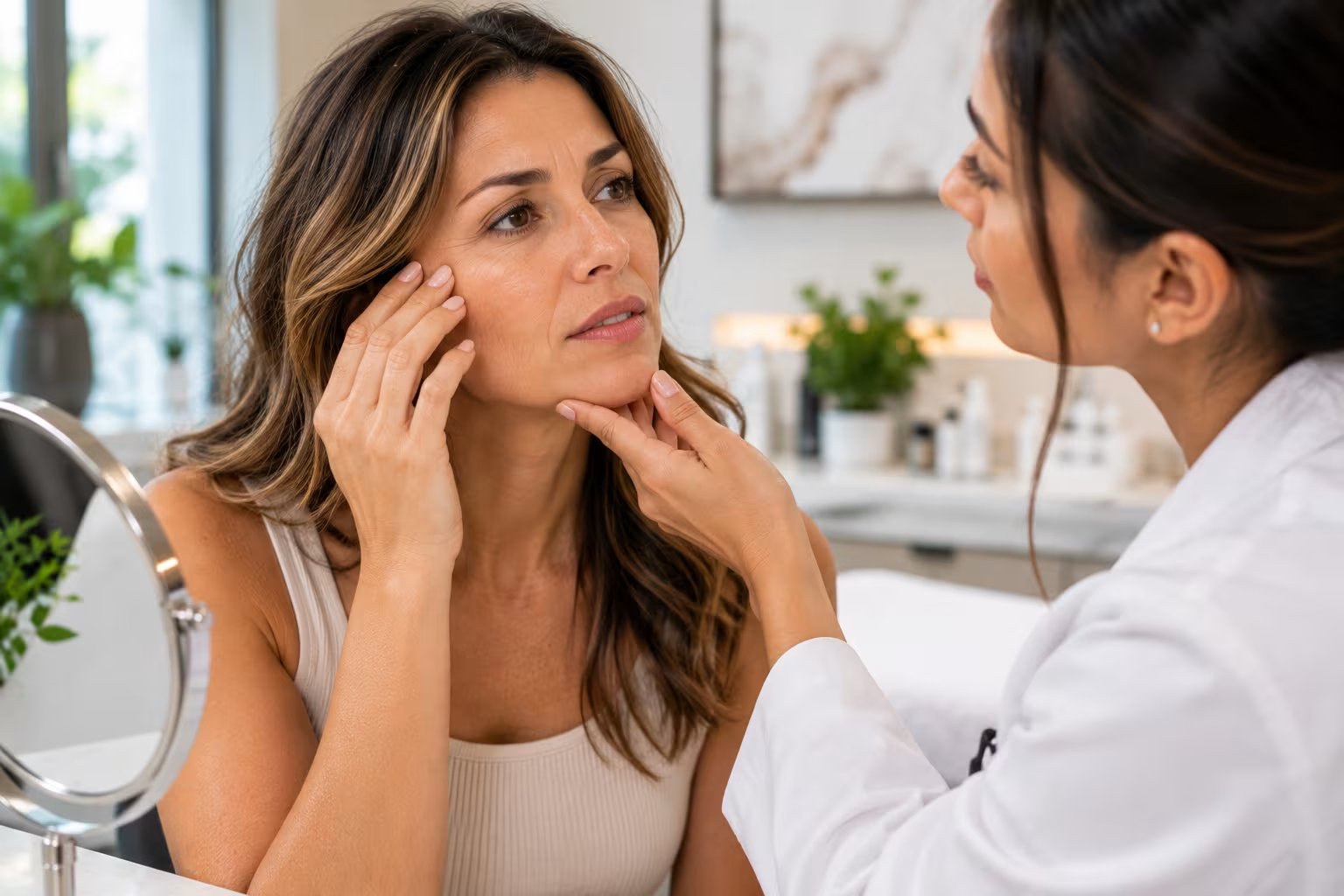
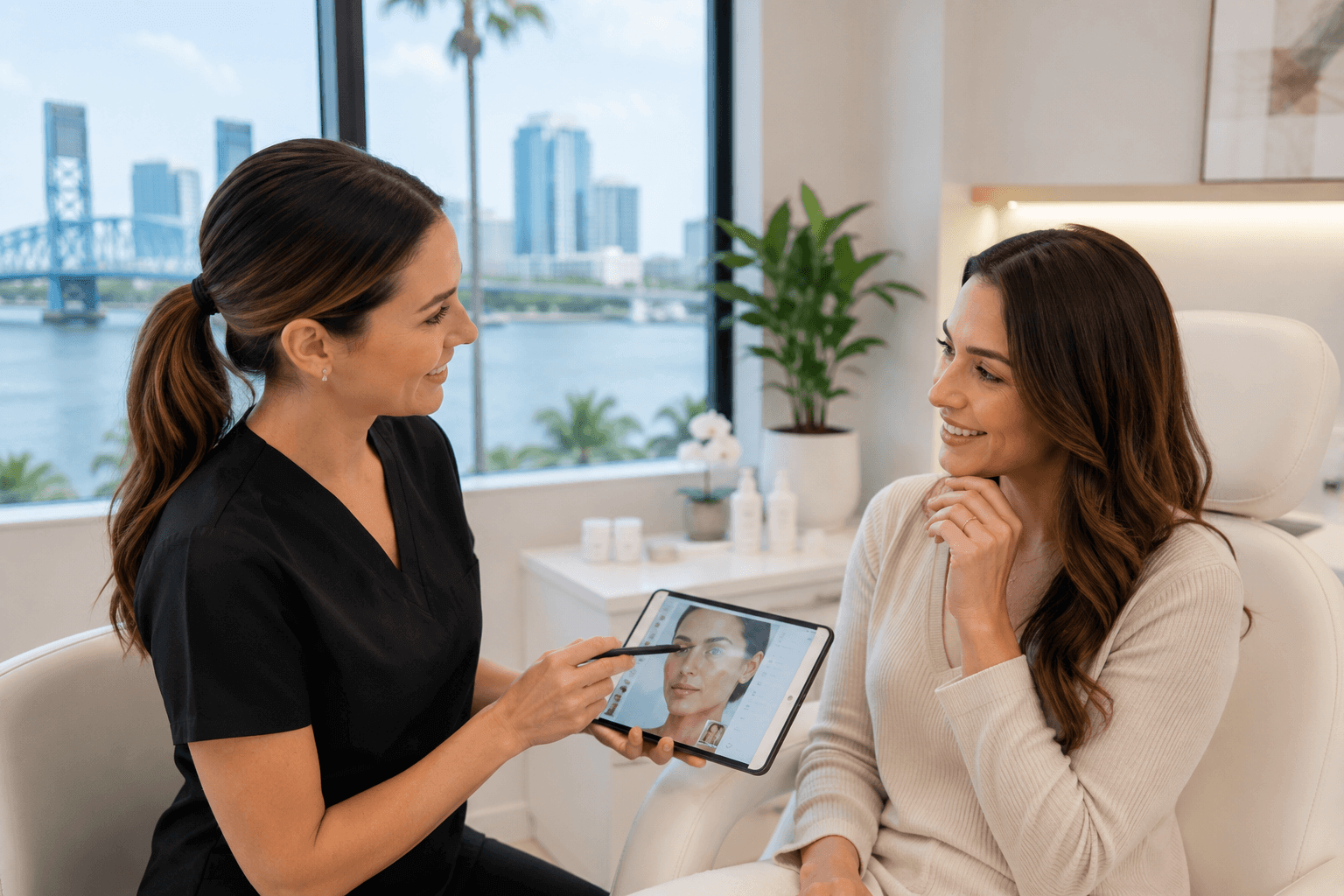
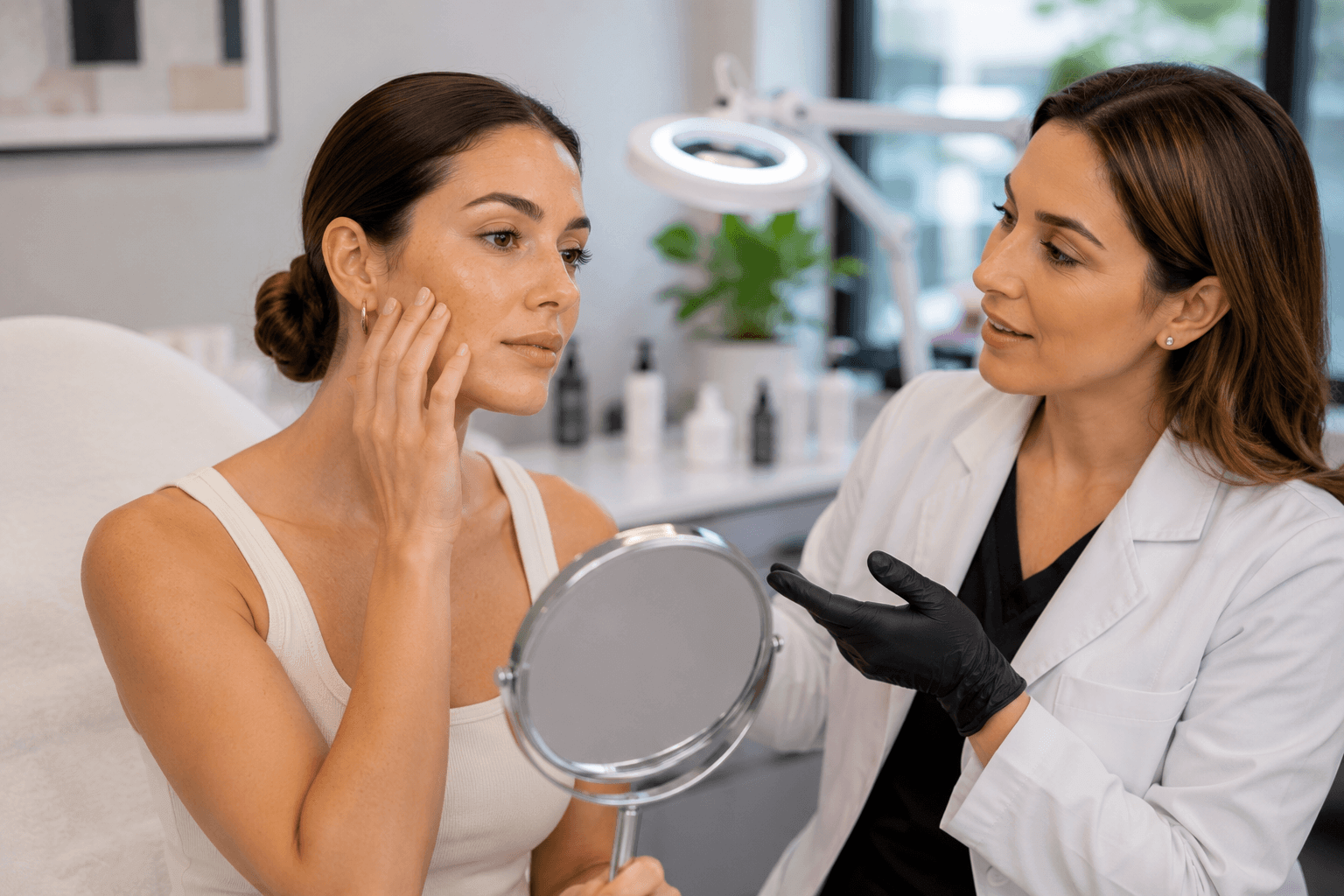
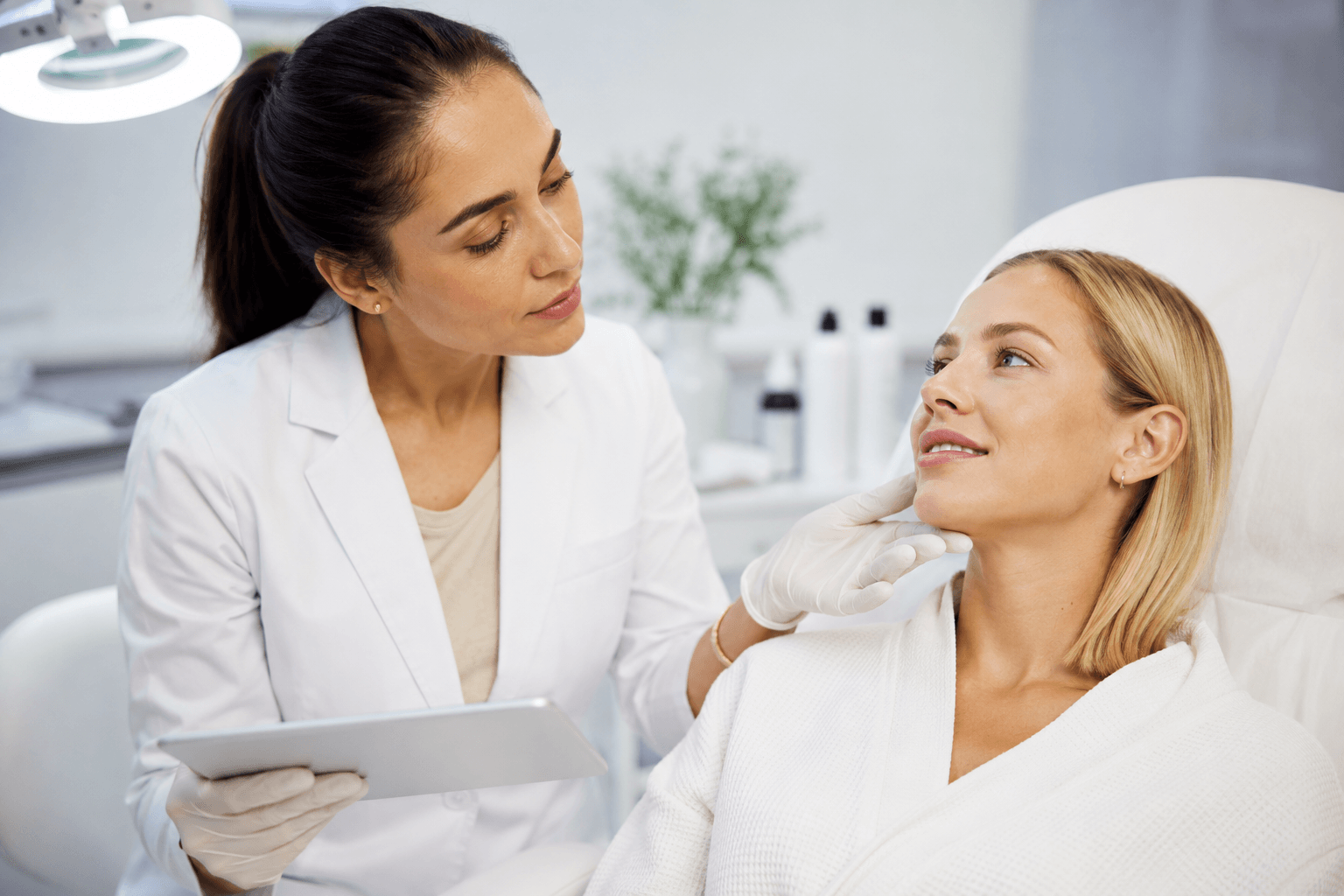
The best way to know for sure is a consultation where we can actually assess your skin, talk through your goals, and be honest with you about what a treatment like this can realistically achieve for your specific concerns.
One of the biggest draws of non-invasive laser facelifting is how little it disrupts your routine. Most clients experience mild redness or warmth in the treated area immediately afterward, similar to a light sunburn, which typically resolves within a day. There's no cutting, no stitches, and no extended recovery period keeping you off your regular schedule.
Results build gradually as your body produces new collagen over the following weeks and months, rather than appearing all at once. Many clients choose a short series of sessions to maximize their results, and we'll walk you through exactly what timeline makes sense for your skin during your consultation.
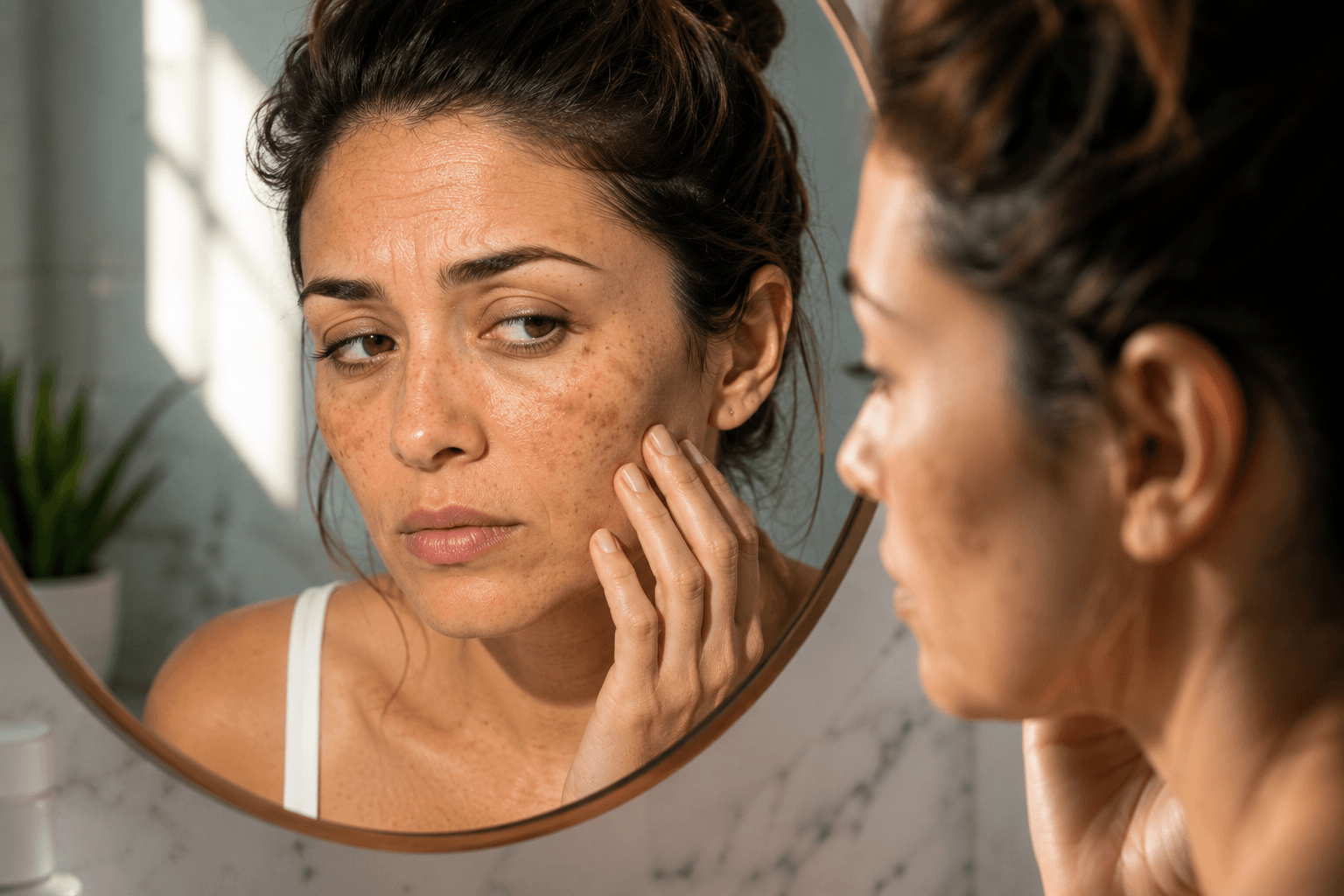
Honestly, yes, more than people expect. Rockwall's sunny climate and outdoor lifestyle, from Lake Ray Hubbard weekends to evenings on the Harbor, mean many of our clients have years of cumulative sun exposure contributing to their skin's laxity, even if they've been diligent about sunscreen more recently. That's part of why we take a personalized approach rather than assuming everyone's sagging comes from the same source. Your skin's history matters just as much as your skin's present.
If you've been quietly wondering what your reflection would look like with a little more lift and firmness, that curiosity is worth listening to. Understanding what's causing your sagging skin is the first step, and finding a treatment plan that actually fits your face, your lifestyle, and your goals is the second.
At ABA Aesthetics, we've helped countless Rockwall clients feel more like themselves again, without surgery, without significant downtime, and without guesswork. You can learn more about our approach on our About Us page or browse our full range of treatments on our services page. If facial sagging, volume loss, or jowls are on your mind, a consultation is simply a conversation, and it might be the easiest step you take toward feeling more confident in your own skin. This information has been updated as of September 2026 to reflect our current treatment offerings.
Can sagging skin be tightened without surgery? Yes. Non-surgical treatments like the 4D Face Lift stimulate your body's own collagen production to gradually tighten and firm sagging skin without incisions or downtime.
At what age does facial sagging usually start? Most people begin noticing early signs of sagging in their late twenties to thirties, with more visible changes typically appearing in the forties and fifties as collagen production continues to decline.
What is the best treatment for jowls and a loose jawline? For mild to moderate jowling, non-invasive laser facelifting treatments that stimulate collagen, sometimes paired with volumizing injectables like Sculptra or Radiesse, tend to produce the most natural-looking improvement.
How long does it take to see results from non-surgical skin tightening? Because these treatments work by stimulating your own collagen, results build gradually over several weeks to months rather than appearing immediately, with continued improvement as new collagen forms.
Is sagging skin around the neck treatable too? Yes. Loose skin under the jaw and along the neck is common and can be addressed with targeted treatments designed specifically for that area, such as our Neck Restore Package.


.png)




























.jpg)





.jpg)
.jpg)


