
.png)


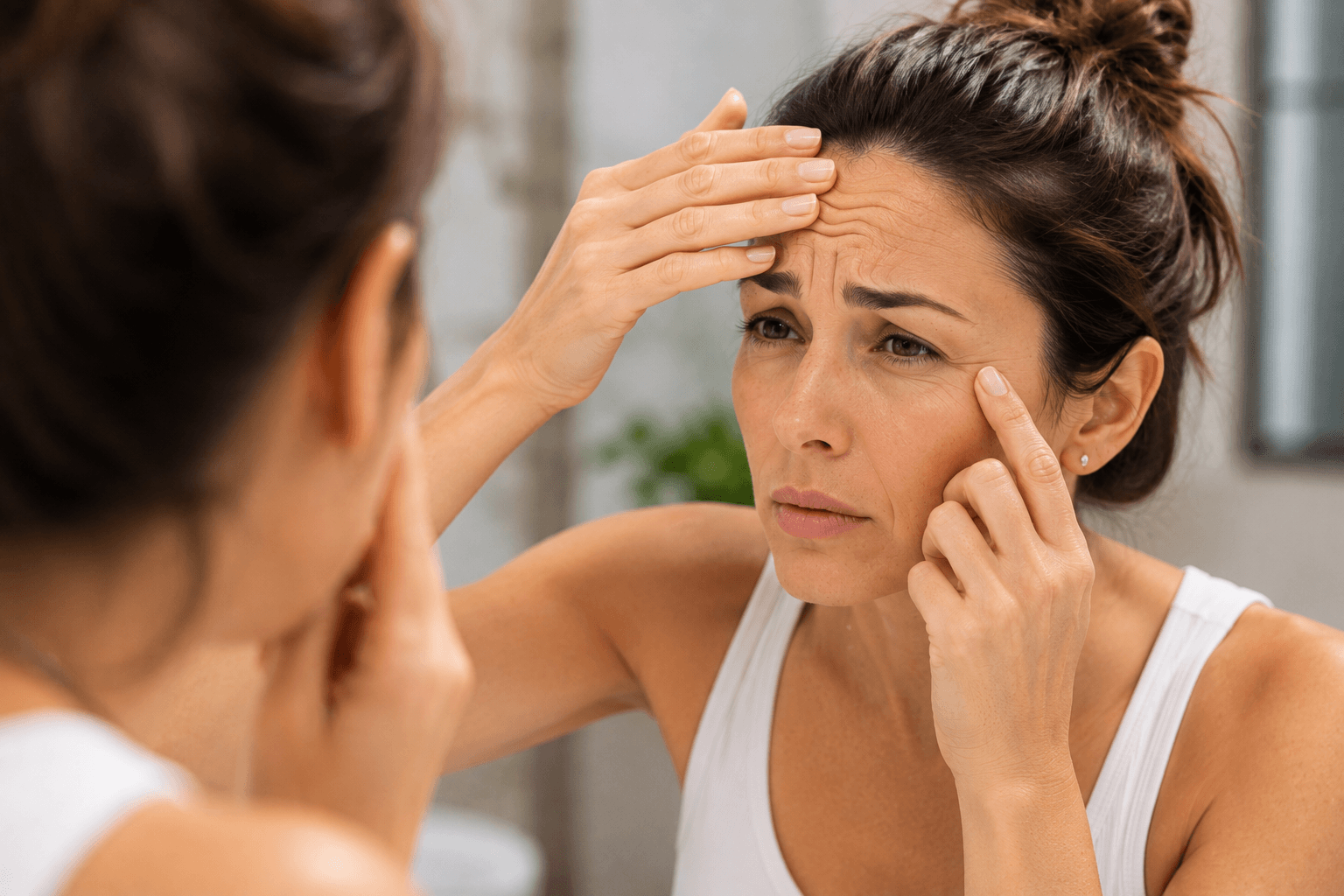
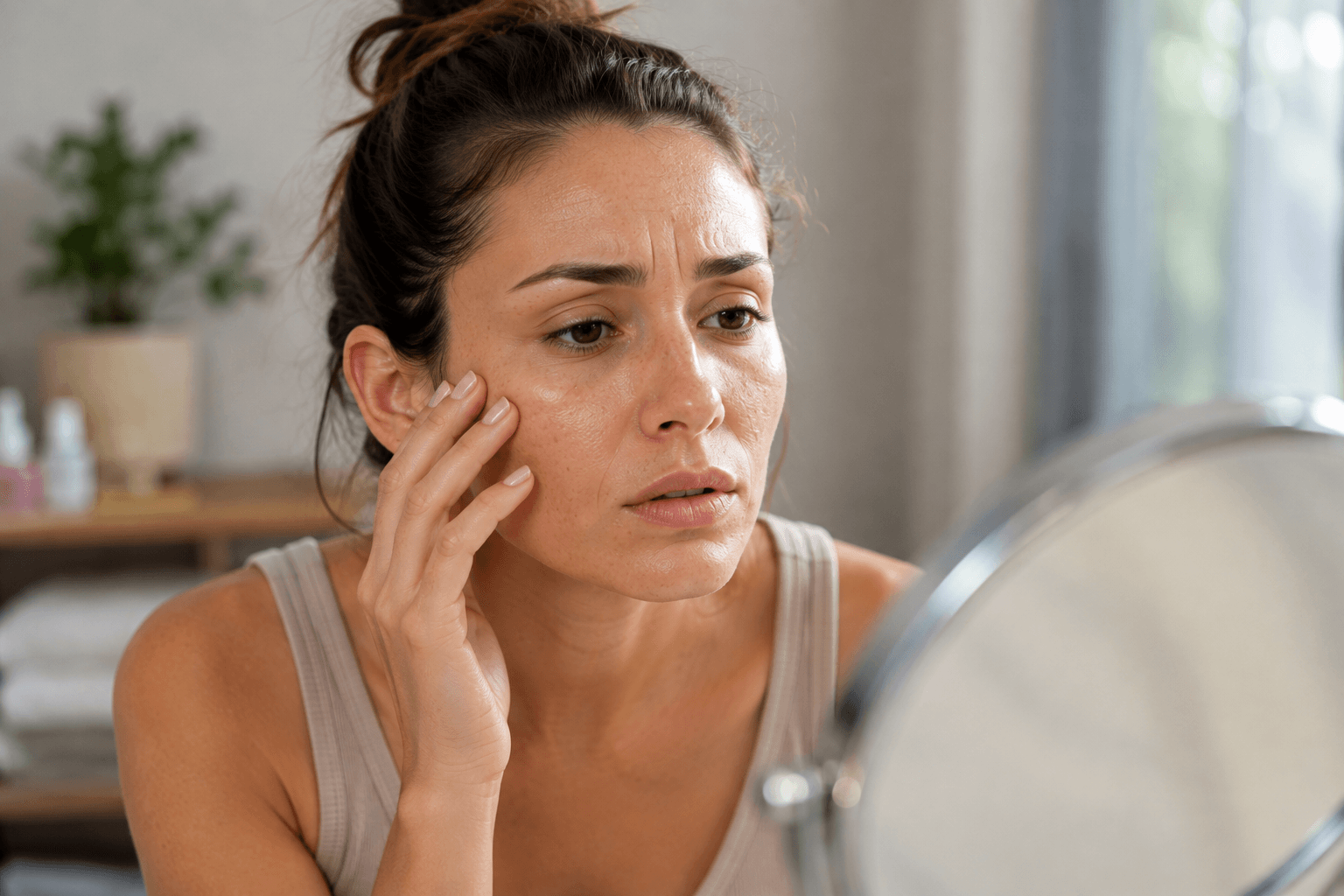
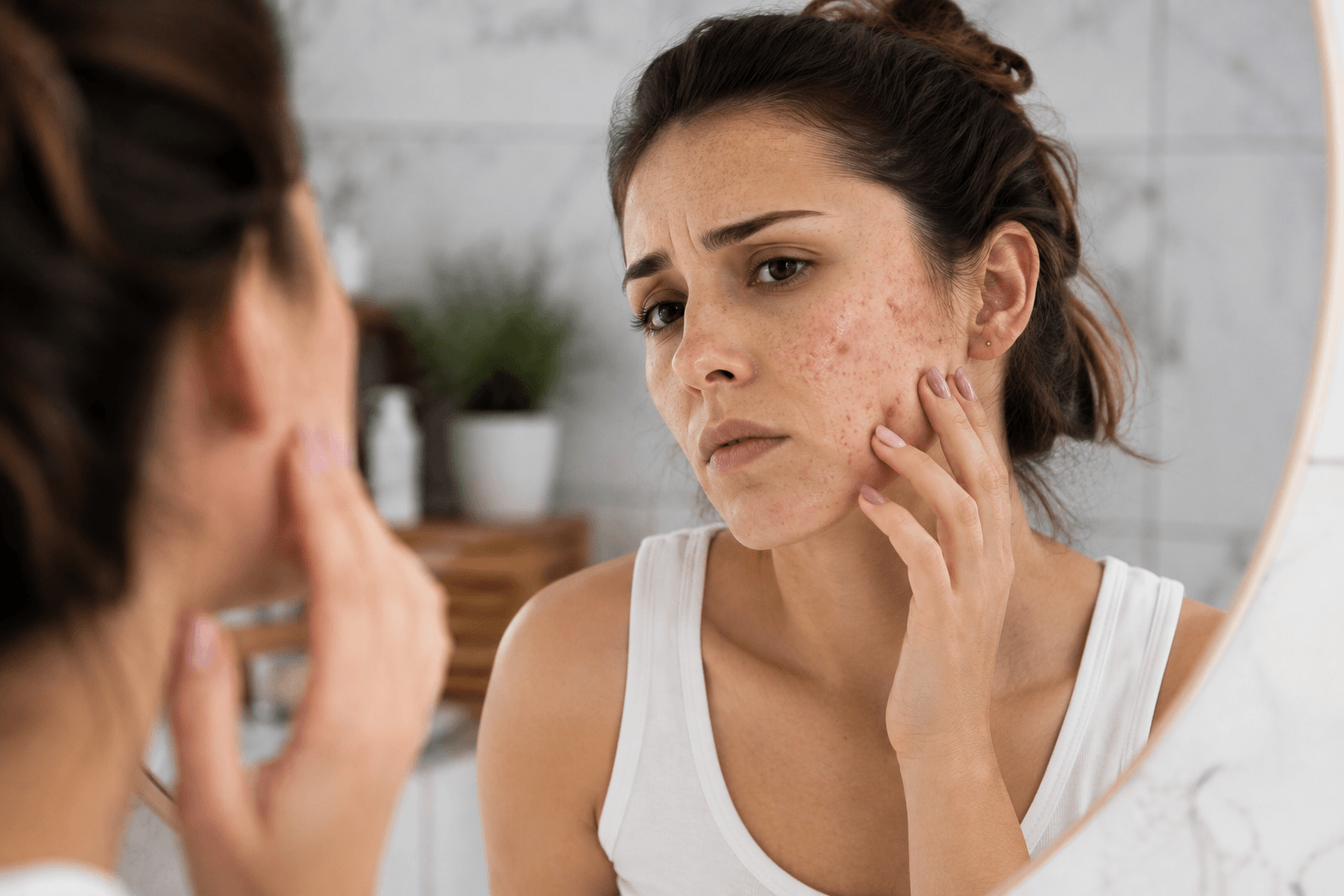
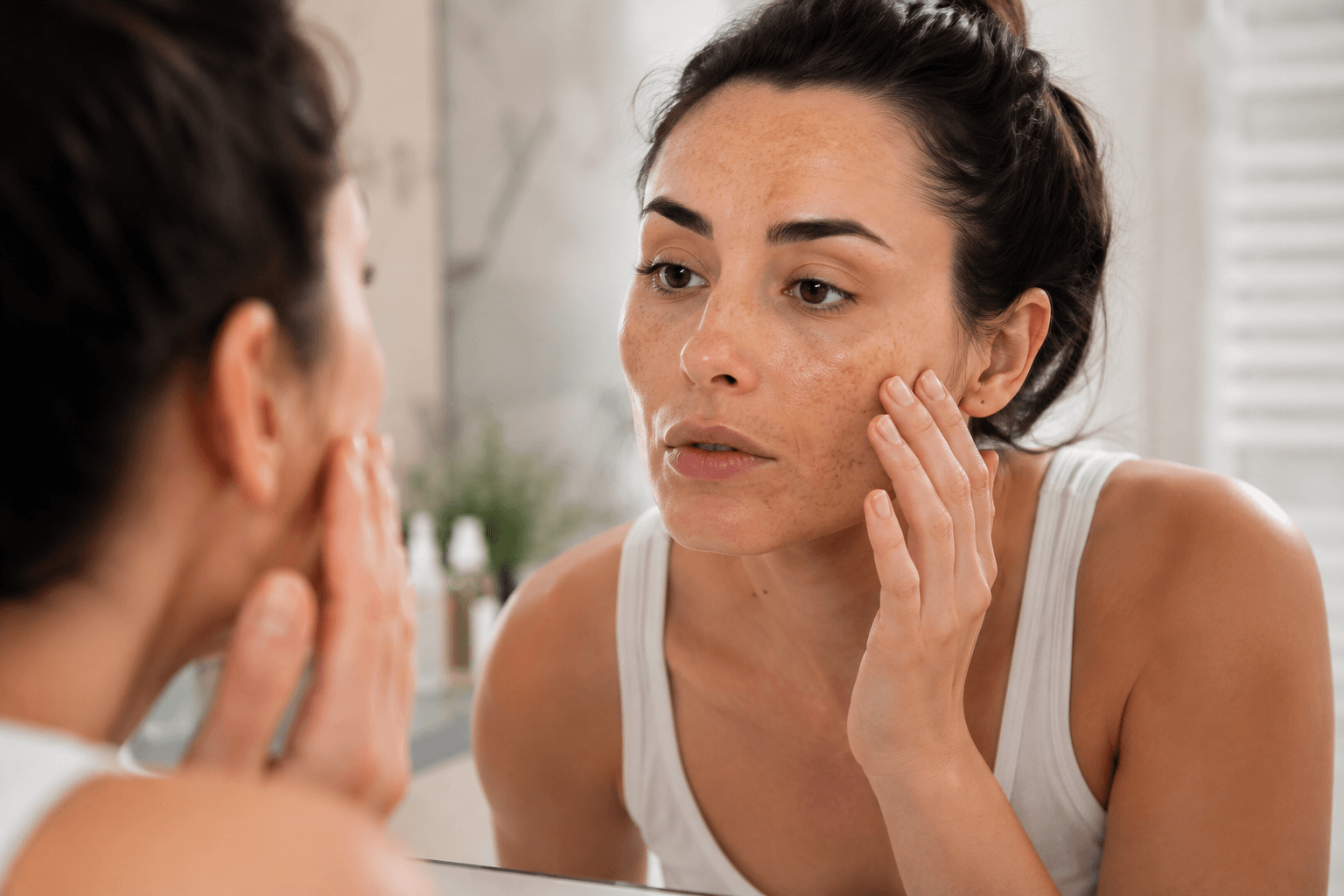
You catch your reflection in the car mirror while pulling out of the HEB parking lot, and there it is again: that little crease between your brows, the one that shows up even when your face is completely relaxed. Maybe it is the lines fanning out from the corners of your eyes after a summer of squinting against the Texas sun, or the horizontal grooves across your forehead that seem to have appeared overnight. If you have ever wondered why your friend the same age has smoother skin, or why these lines seem to be settling in earlier than you expected, you are not imagining it. Expression lines do not form on a fixed timeline. They are shaped by genetics, sun exposure, muscle habits, and even stress, and understanding why they happen is the first step to deciding what, if anything, you want to do about them.
At ABA Aesthetics Medspa, we talk to Rockwall residents every week who are in this exact spot. They are not looking to change how they look. They just want to look as relaxed and rested as they feel. That is where Botox in Rockwall patients have come to trust comes in, but before we get to the treatment, it helps to understand the "why" behind the wrinkle.
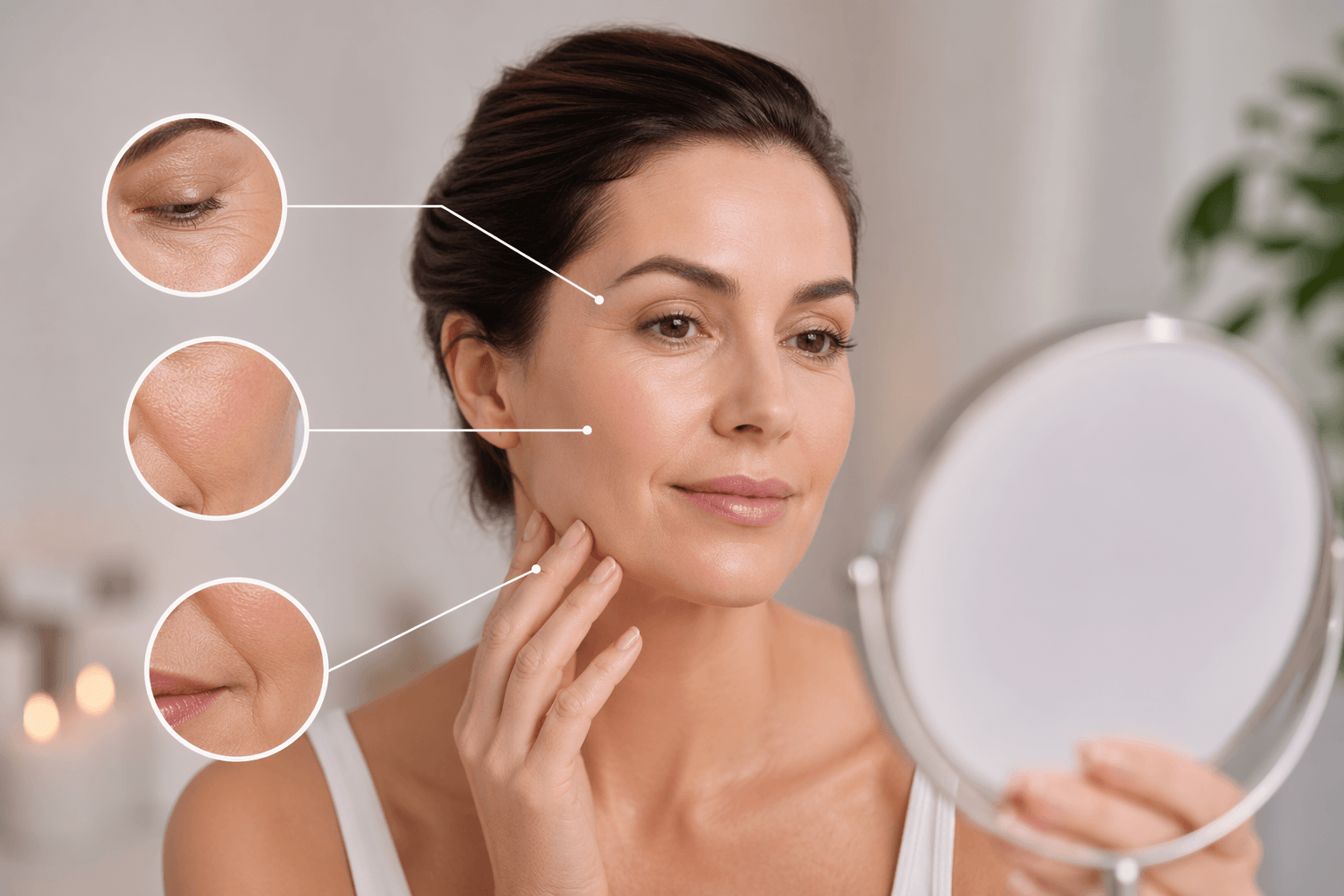
Every time you raise your eyebrows, furrow your brow, or squint into the sun, the muscles under your skin contract. Do that enough times over enough years, and the skin above those muscles starts to fold along the same lines, even when your face is at rest. These are called expression lines, and they tend to show up in three predictable places.
The horizontal lines across your forehead come from the frontalis muscle, the one you use every time you raise your eyebrows in surprise, concentration, or conversation. Because most people use this muscle dozens of times a day without ever thinking about it, forehead lines are often one of the earliest expression lines to appear, sometimes as early as the late twenties.
The vertical lines between your eyebrows, often nicknamed the 11s because of how they look side by side, come from the corrugator and procerus muscles. These are the muscles you engage when you concentrate, squint, or frown, which means stress and screen time can actually accelerate how quickly these lines deepen.
The fanning lines at the outer corners of the eyes are caused by the orbicularis oculi muscle, the same one responsible for smiling and squinting. In a sun-heavy climate like North Texas, where bright light and long afternoons are part of daily life, crow's feet often show up earlier than people expect simply because the eyes are squinting more often to begin with.
Two people can be the same age and have completely different amounts of visible expression lines, and it usually comes down to a combination of factors.
According to the American Academy of Dermatology, repetitive facial movements combined with cumulative sun damage are among the most significant contributors to the early formation of expression lines, which is why prevention and sun protection are just as important as any in-office treatment.
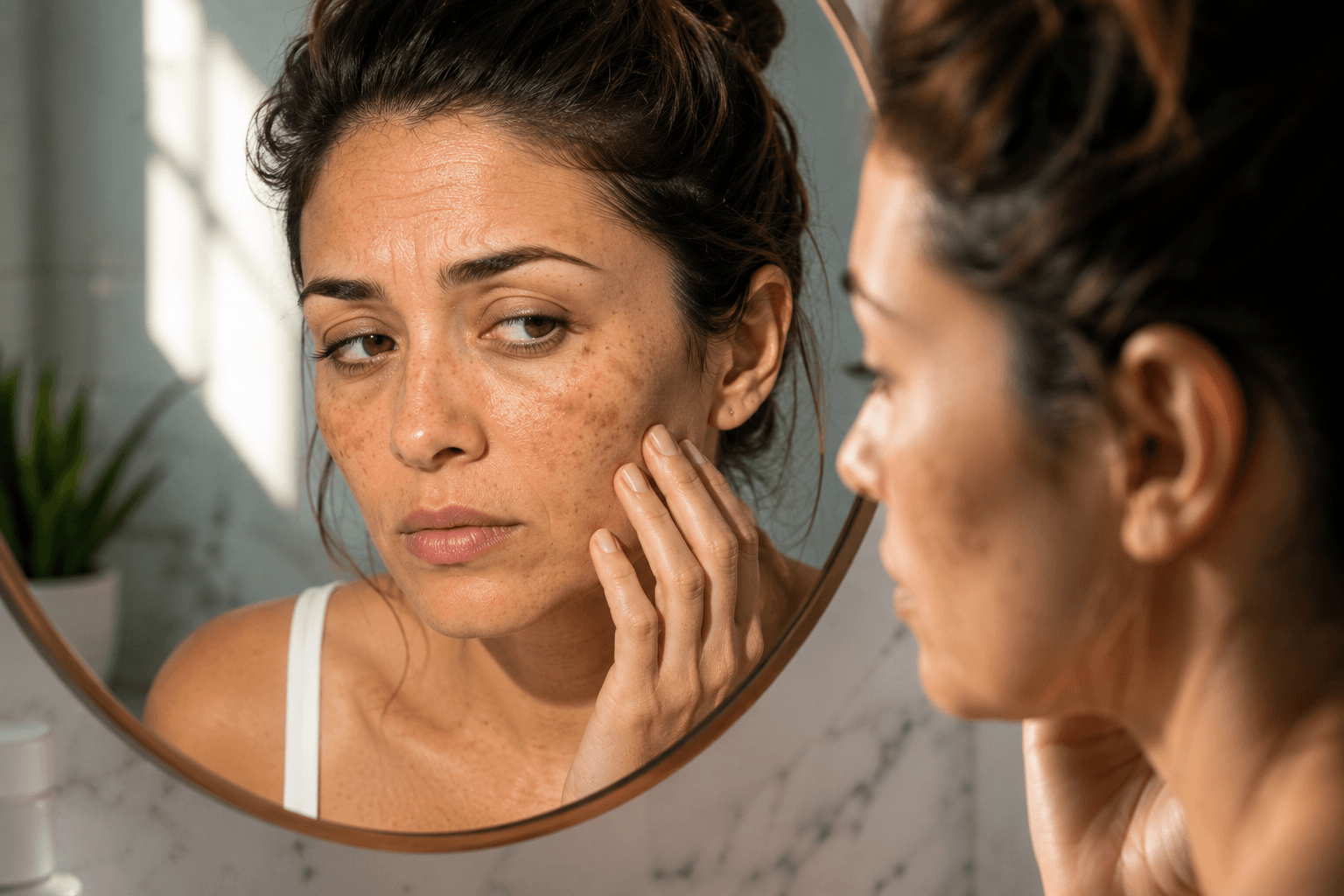
This distinction matters more than most people realize. A dynamic wrinkle only appears when the muscle contracts, meaning if you relax your face, the line disappears. A static wrinkle stays visible even when your face is completely at rest, because the crease has become etched into the skin over time.
Most people start with dynamic wrinkles in their late twenties or thirties. Left untreated, the constant folding eventually breaks down the skin's elasticity enough that the line becomes static, meaning it never fully smooths out. This is one of the biggest reasons people start treatment earlier than they expected to. Addressing a dynamic wrinkle is often easier, and the results tend to look more natural, than trying to soften a wrinkle that has already become permanent.
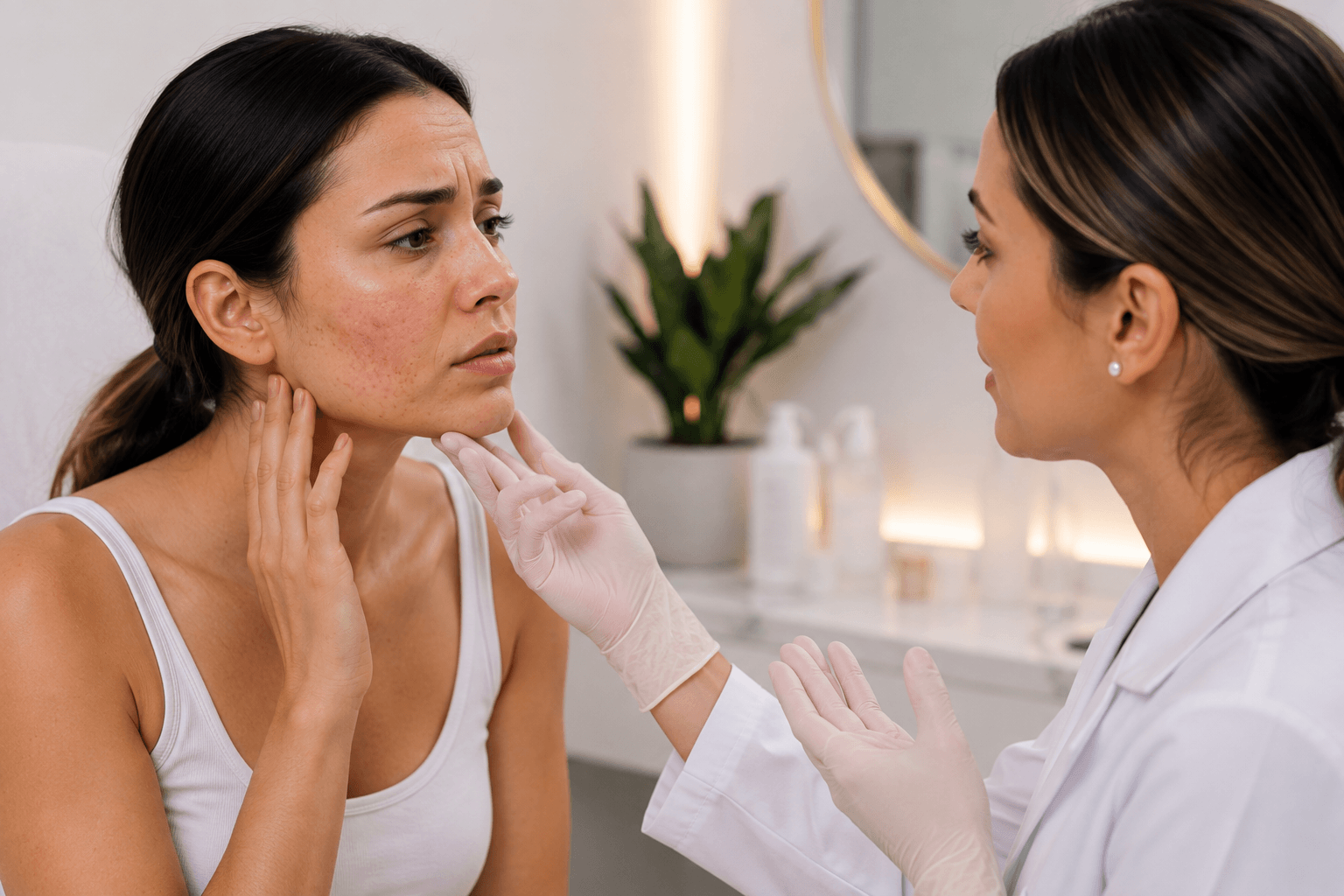
There is no universal age or depth of line that means it is "time." The better question is whether the lines are starting to bother you when you look in the mirror, whether people ask if you are tired or upset when you are not, or whether you have noticed the lines are visible even when your face is relaxed. Those are usually the signs that a dynamic wrinkle is on its way to becoming a static one, and it is a reasonable point to start exploring options like neurotoxin treatment.
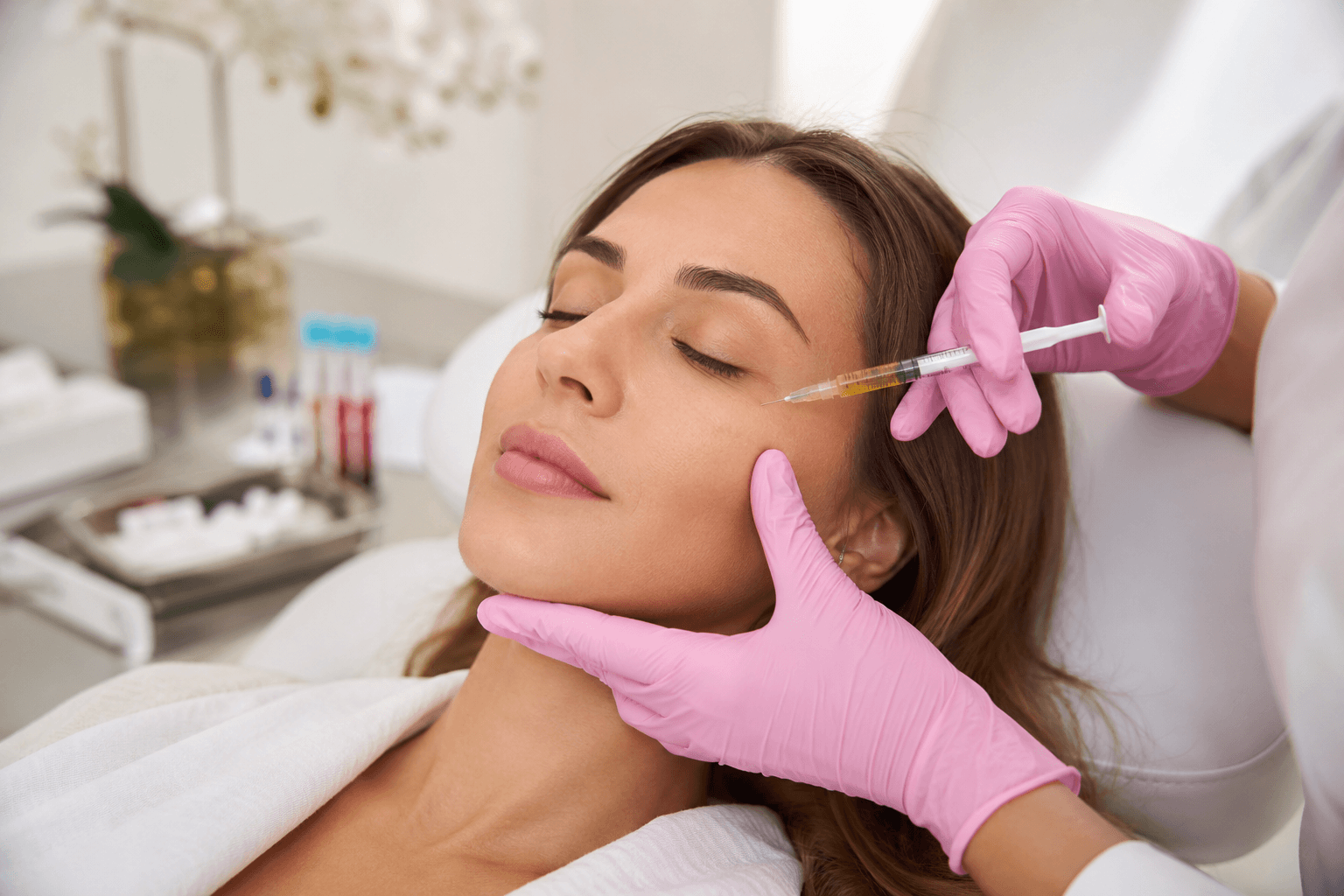
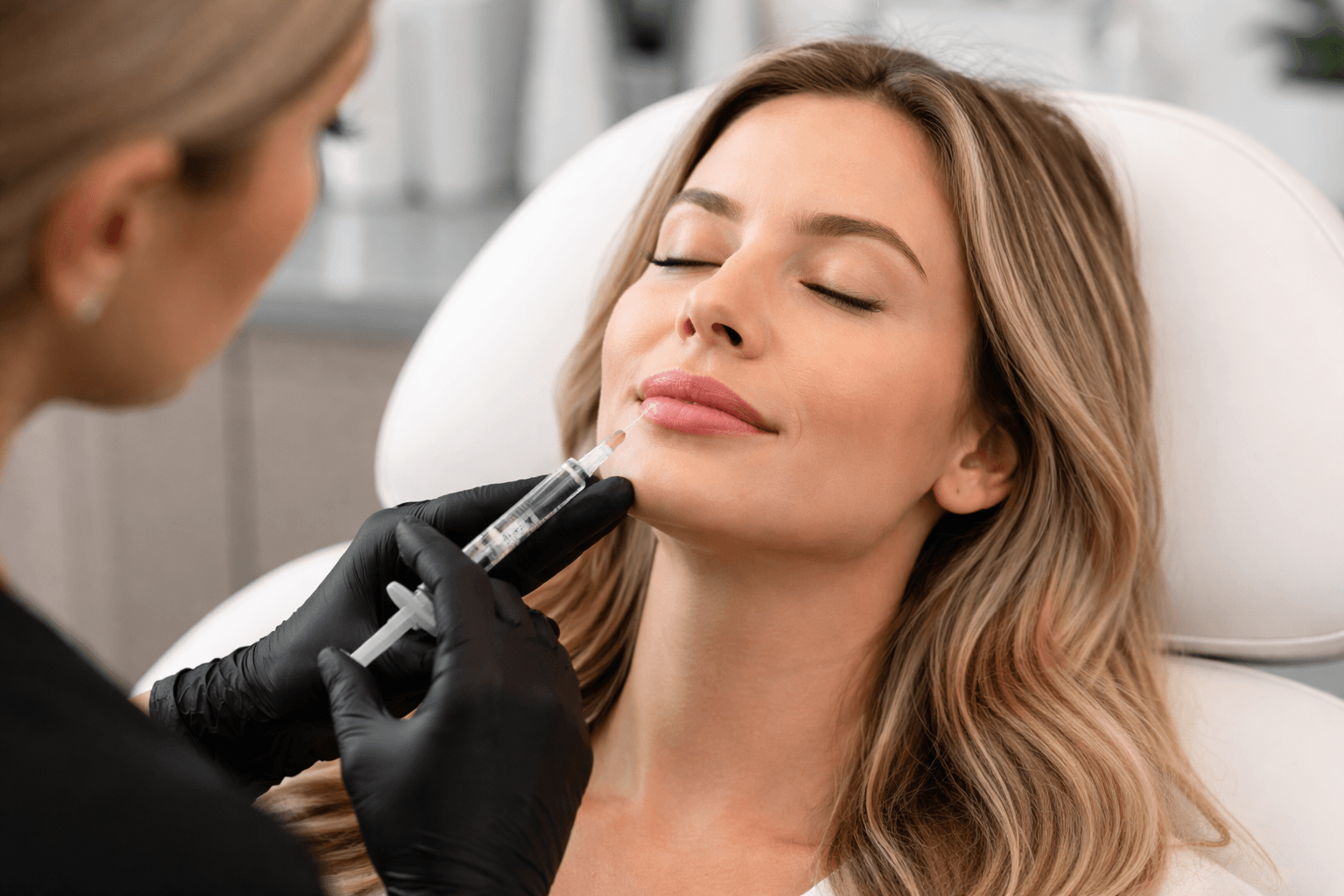
Botox and other neurotoxins work by temporarily blocking the nerve signals that tell specific muscles to contract. When the targeted muscle relaxes, the skin above it is no longer being folded repeatedly, which softens existing lines and helps prevent new ones from setting in. This is why Botox in Rockwall has become such a popular option for forehead lines, the 11s, and crow's feet specifically. All three are caused by small, precise muscle groups that respond very well to this kind of targeted relaxation.
It typically takes three to seven days to see the full effect, and results generally last three to four months, which is why most patients return for maintenance appointments a few times a year. You can see real examples of these results in our before and after gallery.
Good candidates are generally adults who are starting to notice dynamic wrinkles in the forehead, between the brows, or around the eyes, and who want a natural, non-surgical way to soften them. It is also a great fit for anyone who has been told their resting expression looks tired, upset, or stern, since brow and forehead treatment can visibly open up the eye area. If your primary concern is volume loss rather than muscle-driven lines, a consultation may point you toward dermal fillers instead, or a combination approach. You can review the full range of options on our neurotoxins service page or browse our botox and filler overview to see how the two treatments compare.
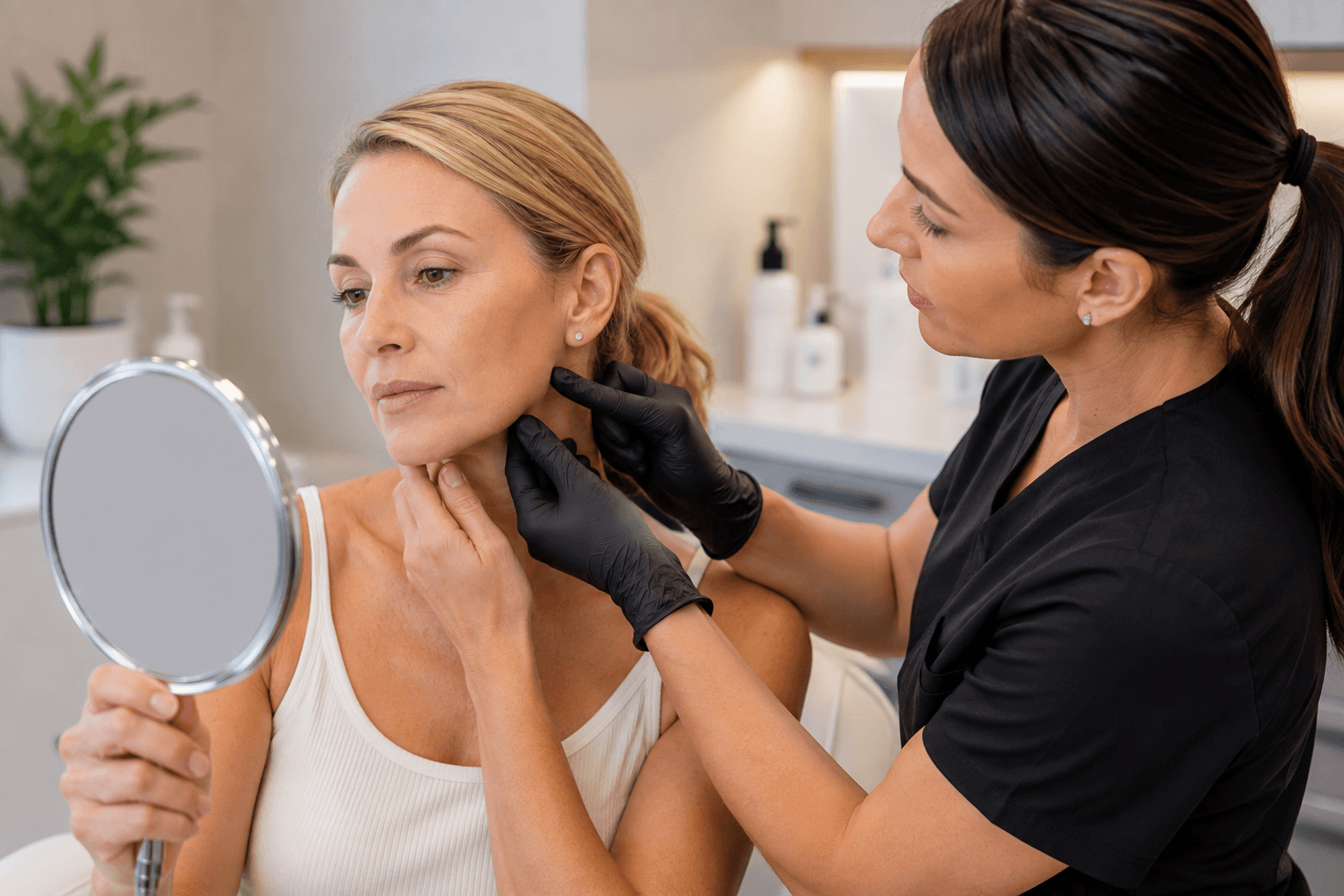
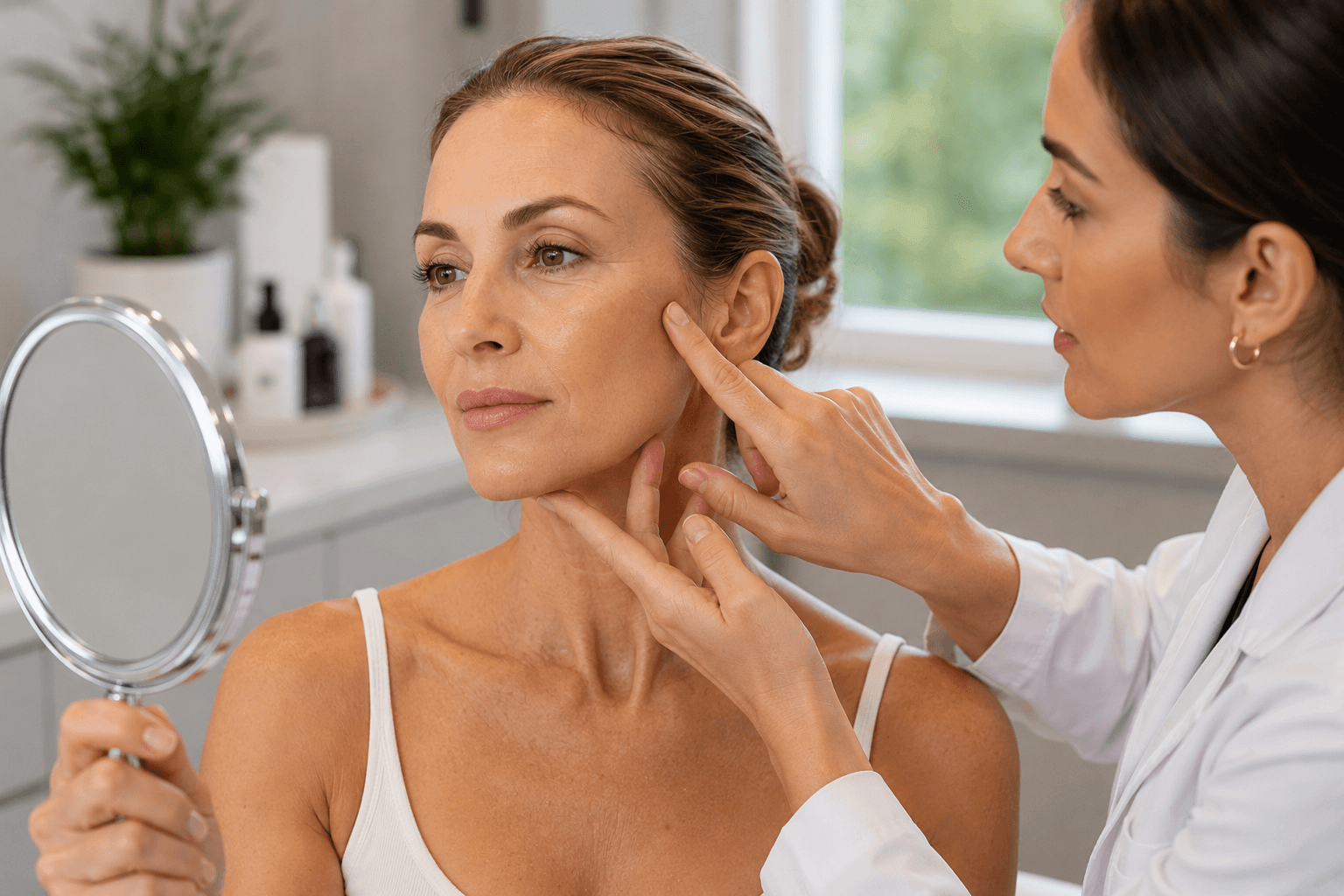
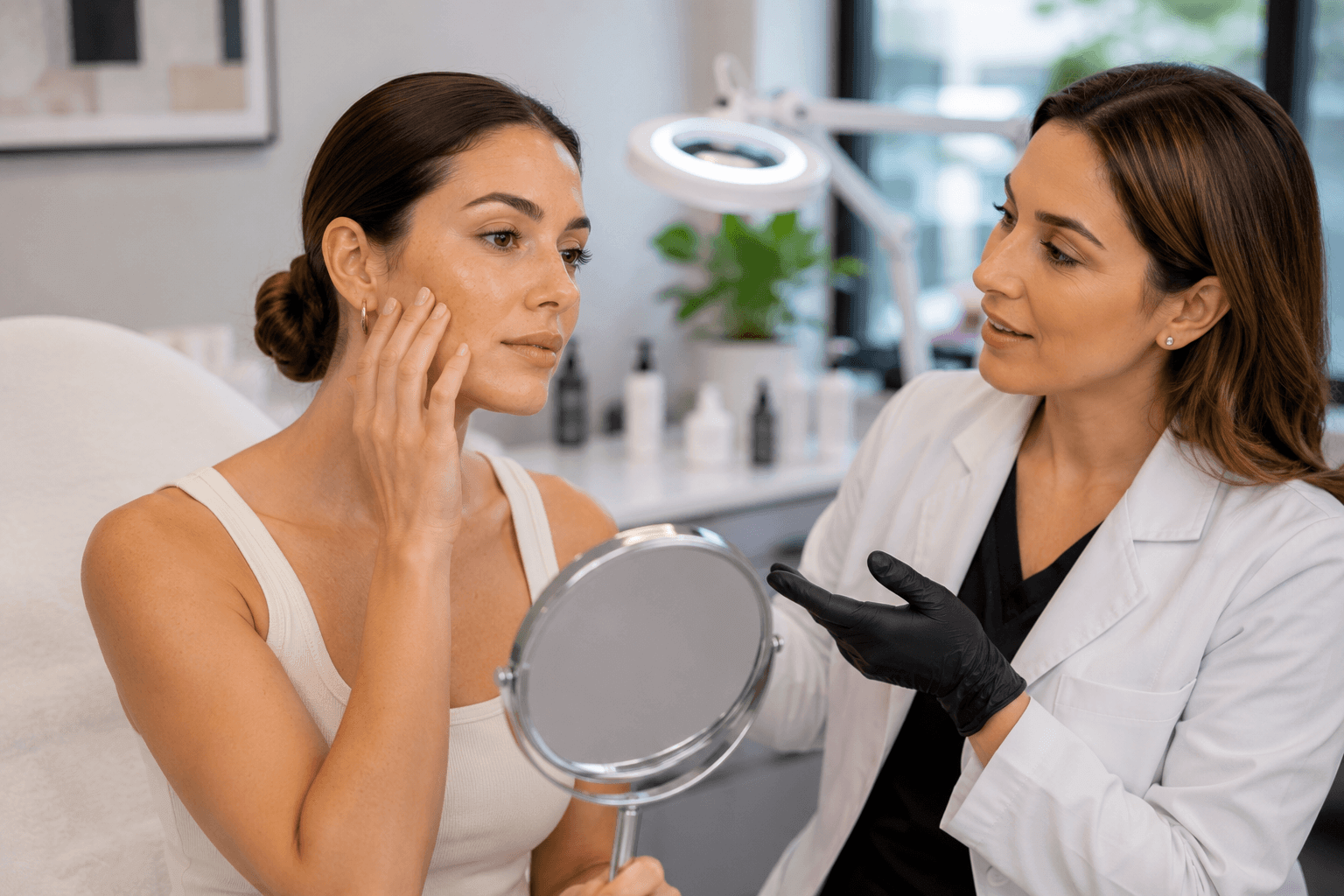
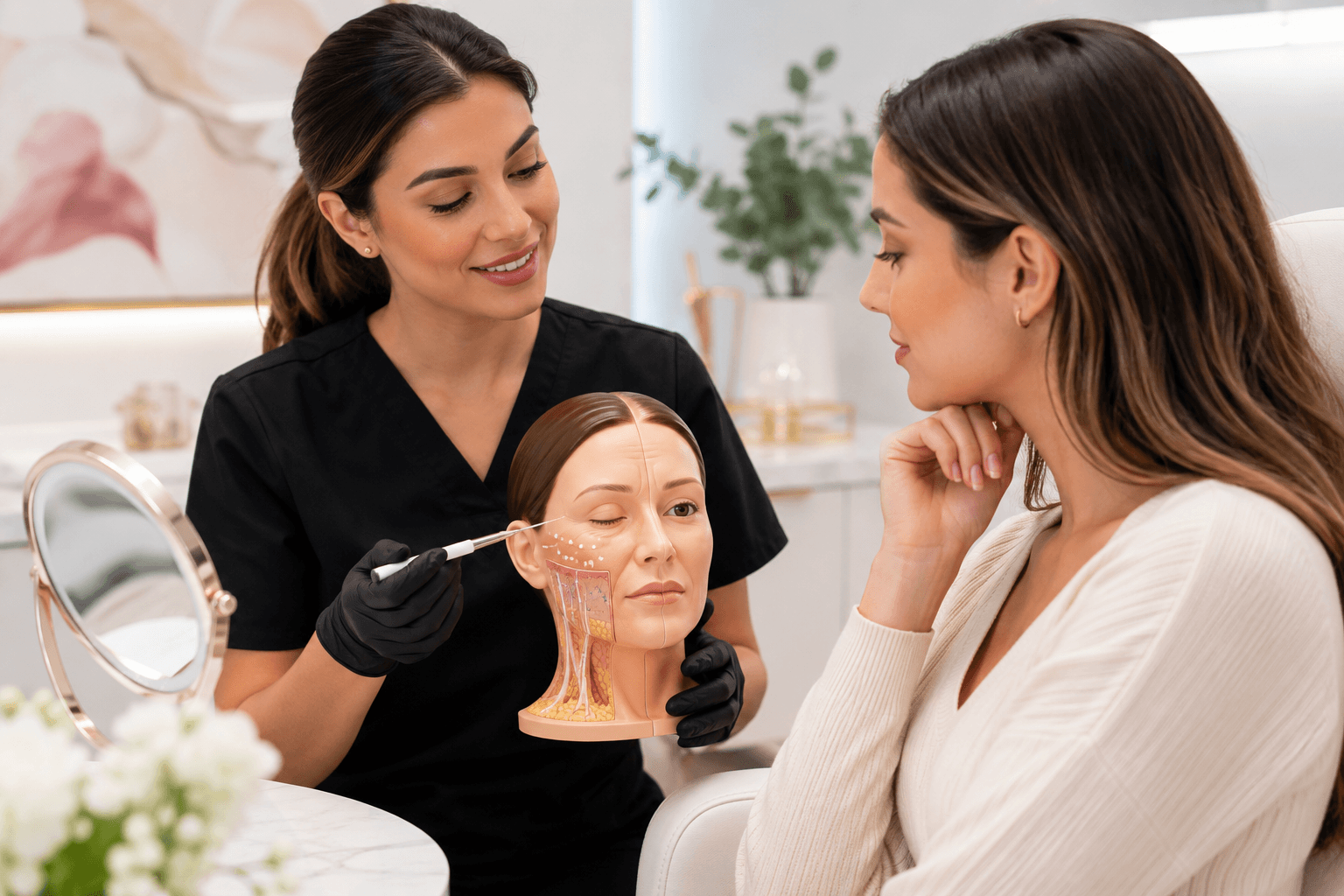
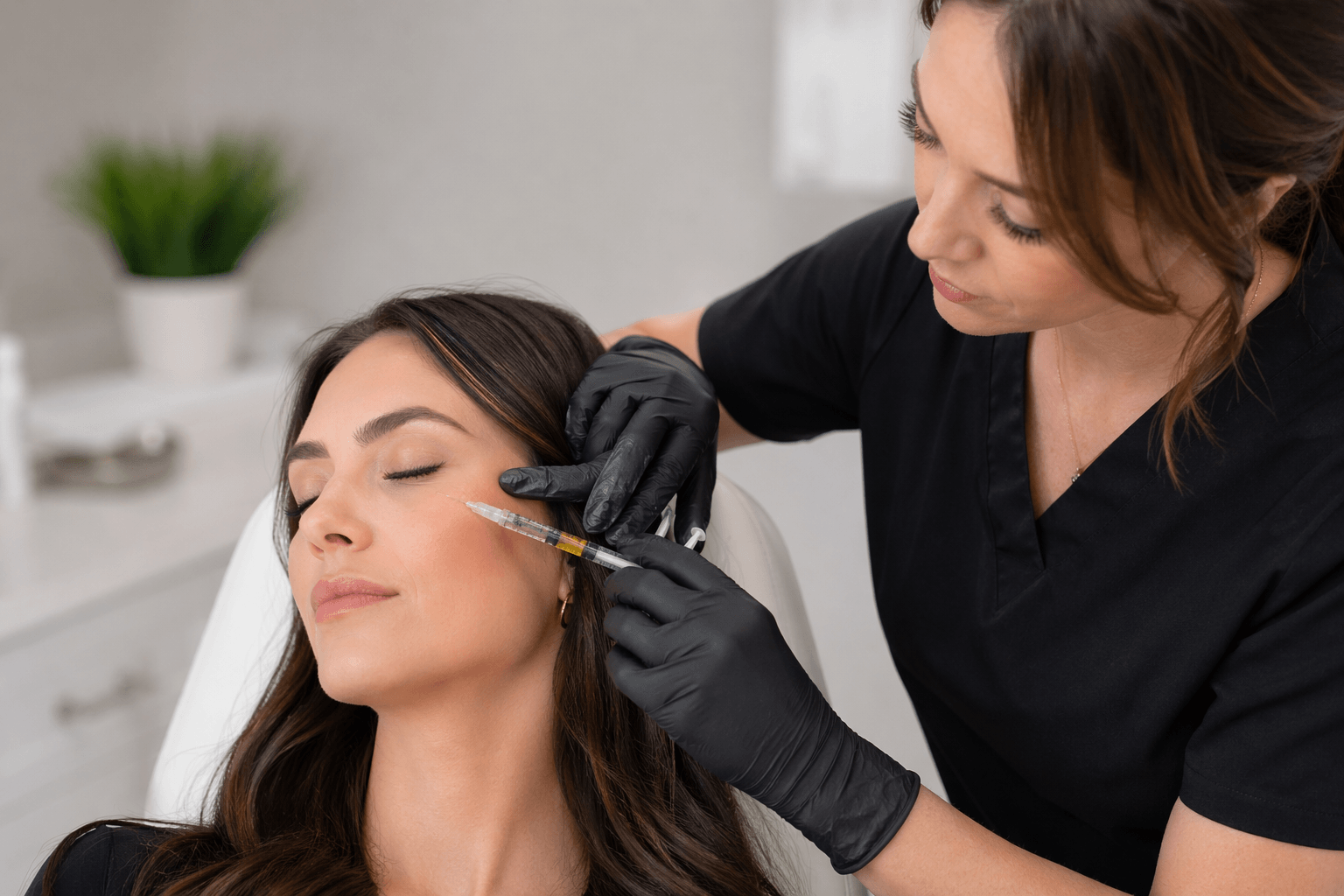
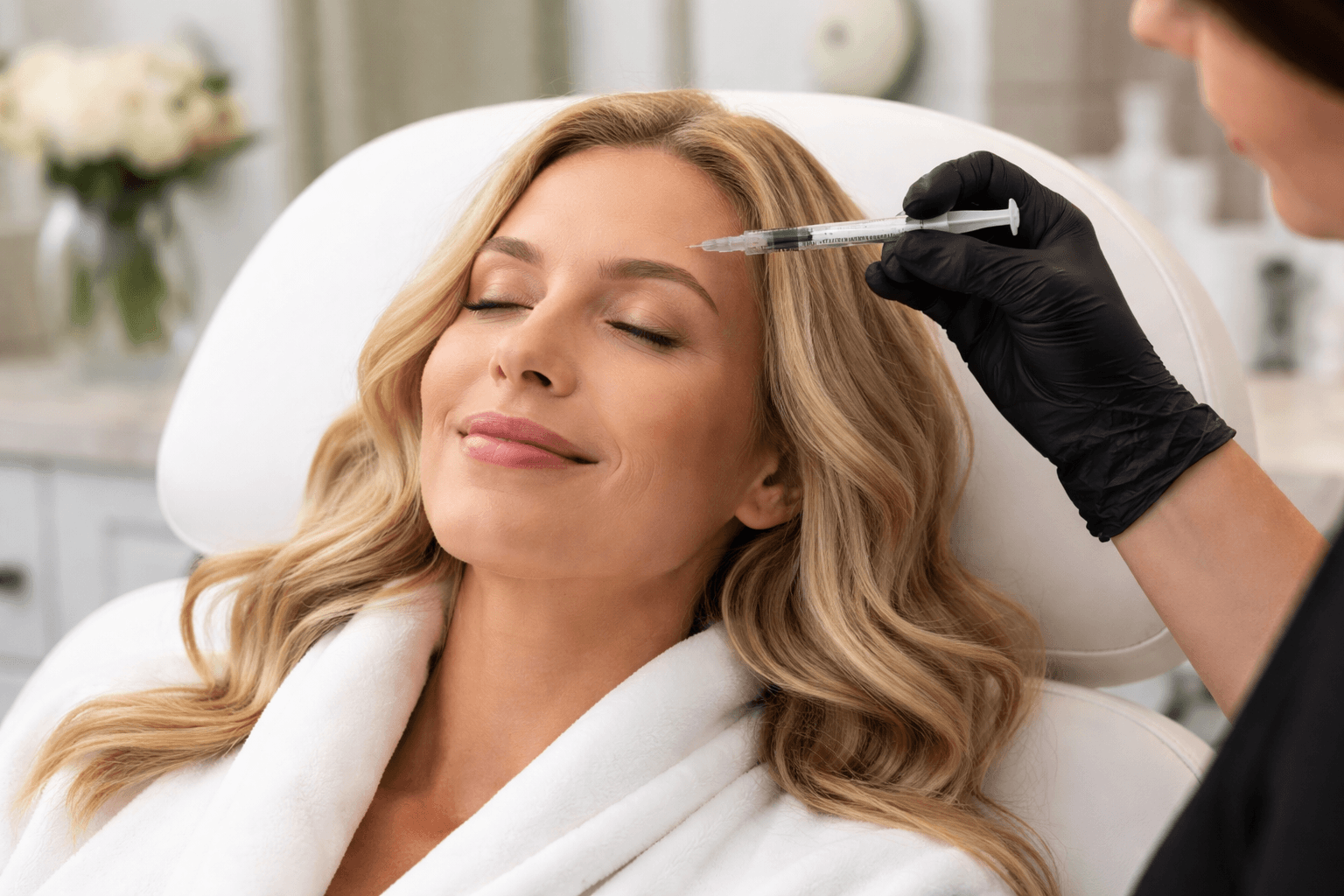
A typical appointment takes about fifteen to twenty minutes. A trained injector maps out your specific muscle patterns, since everyone's forehead lines, 11s, and crow's feet form slightly differently, and then places a series of small injections into the targeted muscles. There is minimal downtime, so most patients head straight back to work or errands afterward. Mild redness or small bumps at the injection sites usually fade within a few hours. Over the following days, you will notice the treated muscles gradually relax, and by the one week mark, most patients see their full results.
Rockwall has a specific set of conditions that make expression lines, and specifically crow's feet and forehead lines, a common concern. Between the long, sun-filled Texas afternoons out on Lake Ray Hubbard, the amount of time spent driving or walking outdoors, and a generally active, social lifestyle, squinting and sun exposure add up fast. Locals also tend to want a look that reads as refreshed rather than frozen. Nobody wants to lose the ability to raise an eyebrow or show surprise, they just want the deep-set forehead creases and the tired-looking 11s to soften.
That balance, subtle rather than overdone, is exactly what a thoughtful approach to Botox Rockwall treatment is designed to achieve. If you have ever caught yourself wondering why you look more tired or stressed than you feel, that question is worth exploring further in why do I look tired, one of our most-read posts on the topic. You can also learn more about how we approach specific concerns on our forehead lines, frown lines and 11s, and crow's feet pages.
As one of the aesthetic clinics Rockwall residents turn to for injectable treatments, we take the time to map each face individually rather than applying a one-size-fits-all pattern, which is part of why so many patients say their results look like a well-rested version of themselves rather than a noticeably "done" one. You can explore our complete list of treatments on our services page.
At the end of the day, expression lines are not a flaw, they are proof of a face that laughs, concentrates, and reacts to the world. But when those lines start speaking louder than you actually feel, it might be time for a conversation, not a commitment. Whether you are curious about softening a stubborn 11 between your brows or just want to understand your options before doing anything at all, our team at ABA Aesthetics Medspa is happy to walk you through it. Reach out through our contact page to schedule a consultation and find out what a personalized plan looks like for you.
Does Botox in Rockwall look natural, or will my face look frozen? When dosed correctly for your specific muscle strength, Botox Rockwall treatments are designed to soften movement, not eliminate it entirely. You should still be able to raise your eyebrows and show expression, just without the deep creasing.
At what age should I start thinking about treatment for forehead lines or the 11s? There is no set age. Some people notice dynamic wrinkles in their late twenties, while others do not consider treatment until their forties. It depends more on your muscle activity, sun exposure, and skin type than on a specific number.
How long do results from Botox Rockwall treatments typically last? Most patients see results for three to four months before the effect gradually fades and muscle movement returns to normal, which is why regular maintenance appointments are common.
Can Botox help with crow's feet caused by sun exposure and squinting? Yes. Crow's feet are largely driven by repeated contraction of the muscle around the eyes, which often intensifies with squinting in bright sunlight. Relaxing that muscle can noticeably soften these lines.
Is Botox the same as dermal fillers? No. Botox and other neurotoxins relax the muscles that cause expression lines, while dermal fillers add volume to areas that have lost fullness. Many patients use both, depending on their goals.
Will treating my forehead lines now prevent them from getting worse? Addressing dynamic wrinkles before they become static can help slow the deepening of the line over time, since the skin is folding less frequently in that area.
This article was updated in August 2026 to reflect the latest information on expression lines and Botox Rockwall treatment options at ABA Aesthetics Medspa.
.png)





































.jpg)




.jpg)
.jpg)


