

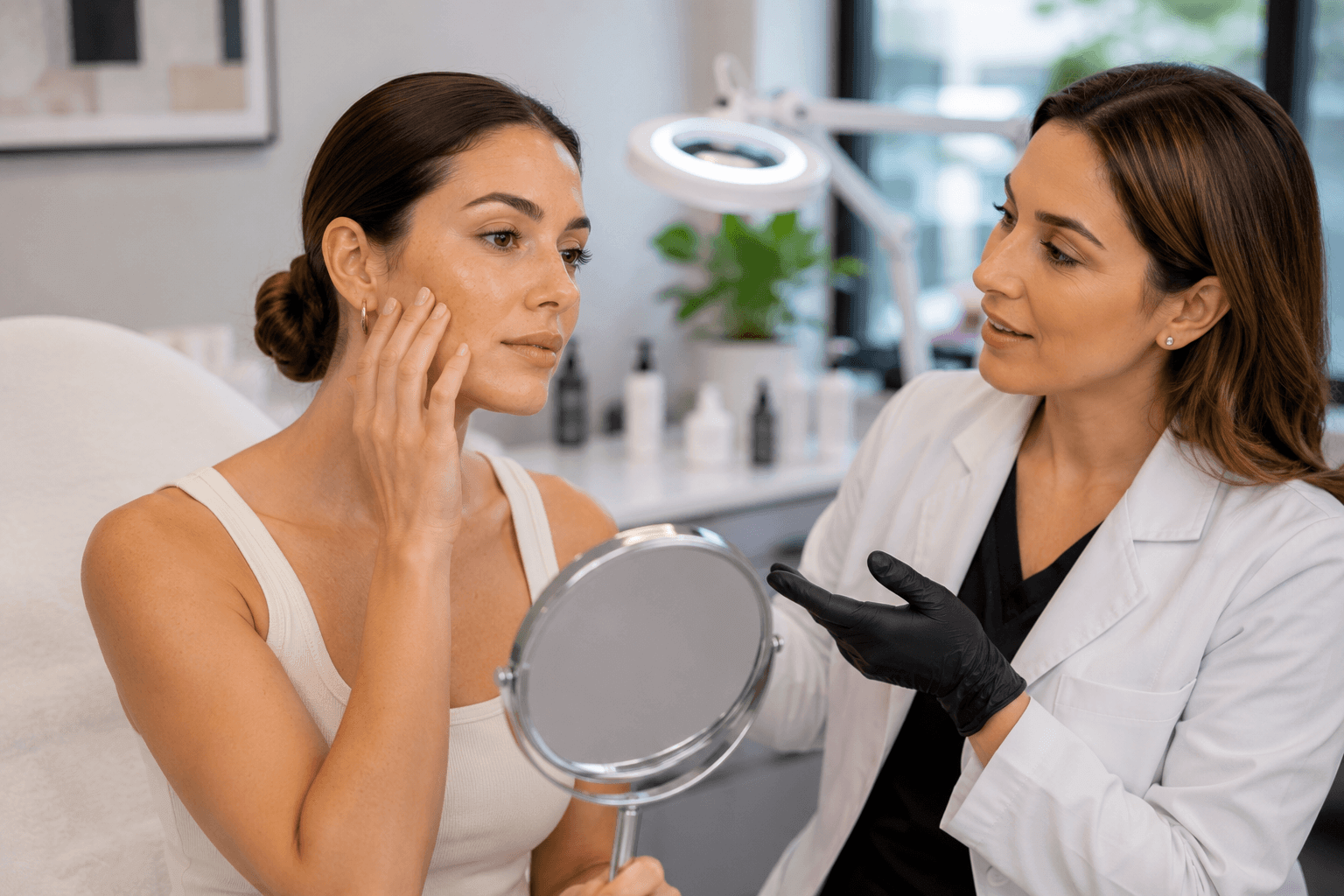
This guide reflects our current treatment approach at ABA Aesthetics Medspa, updated for August 2026.
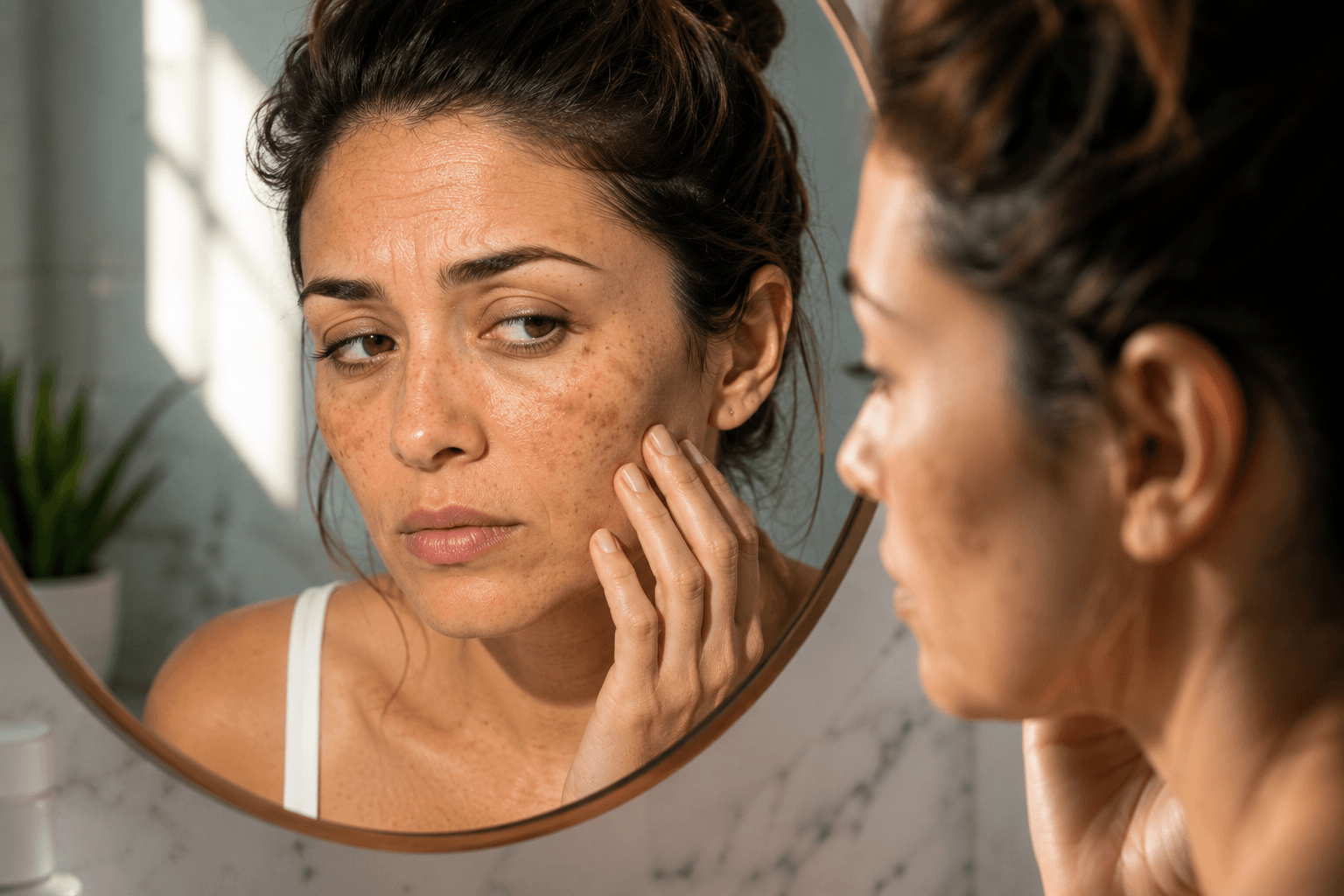
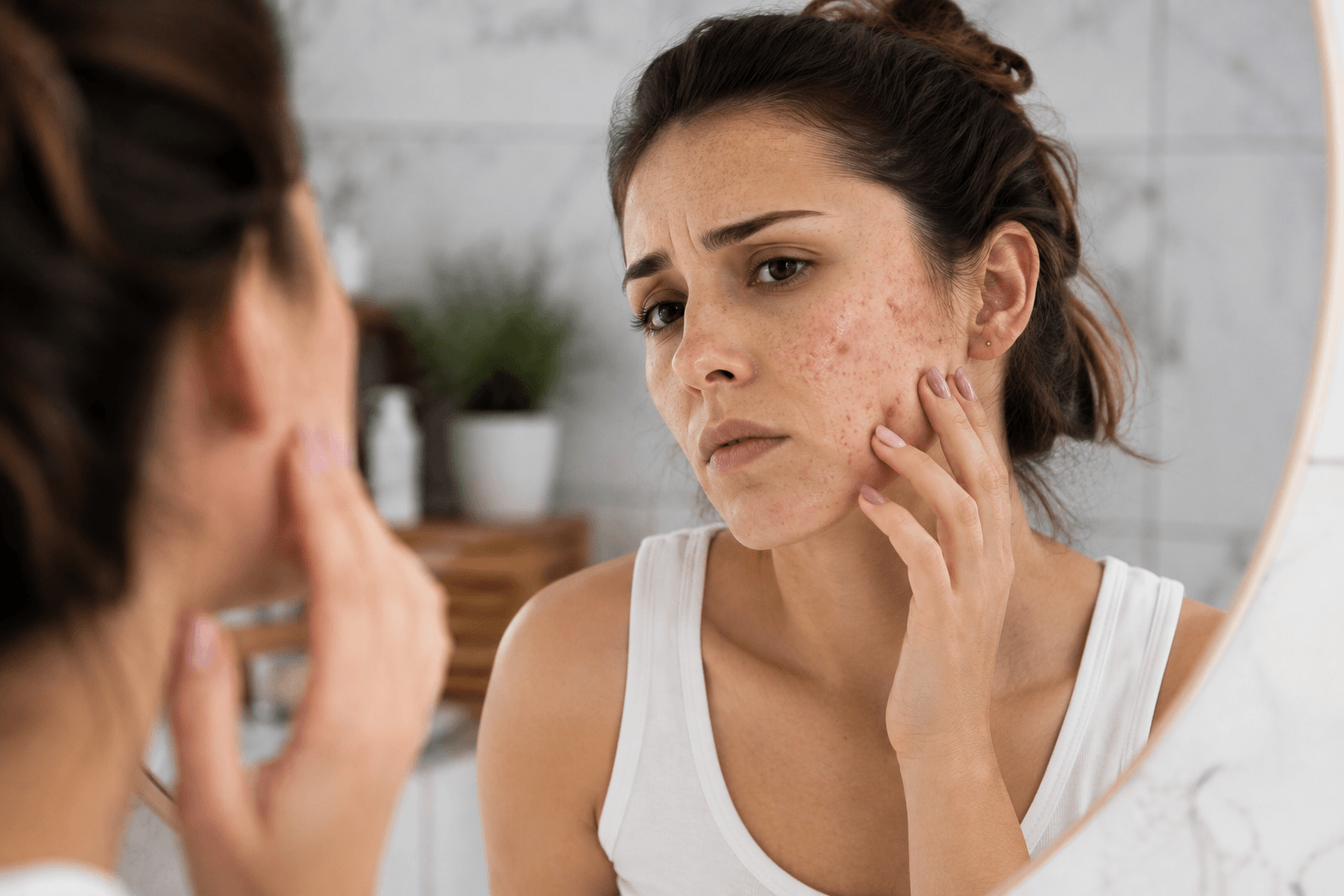
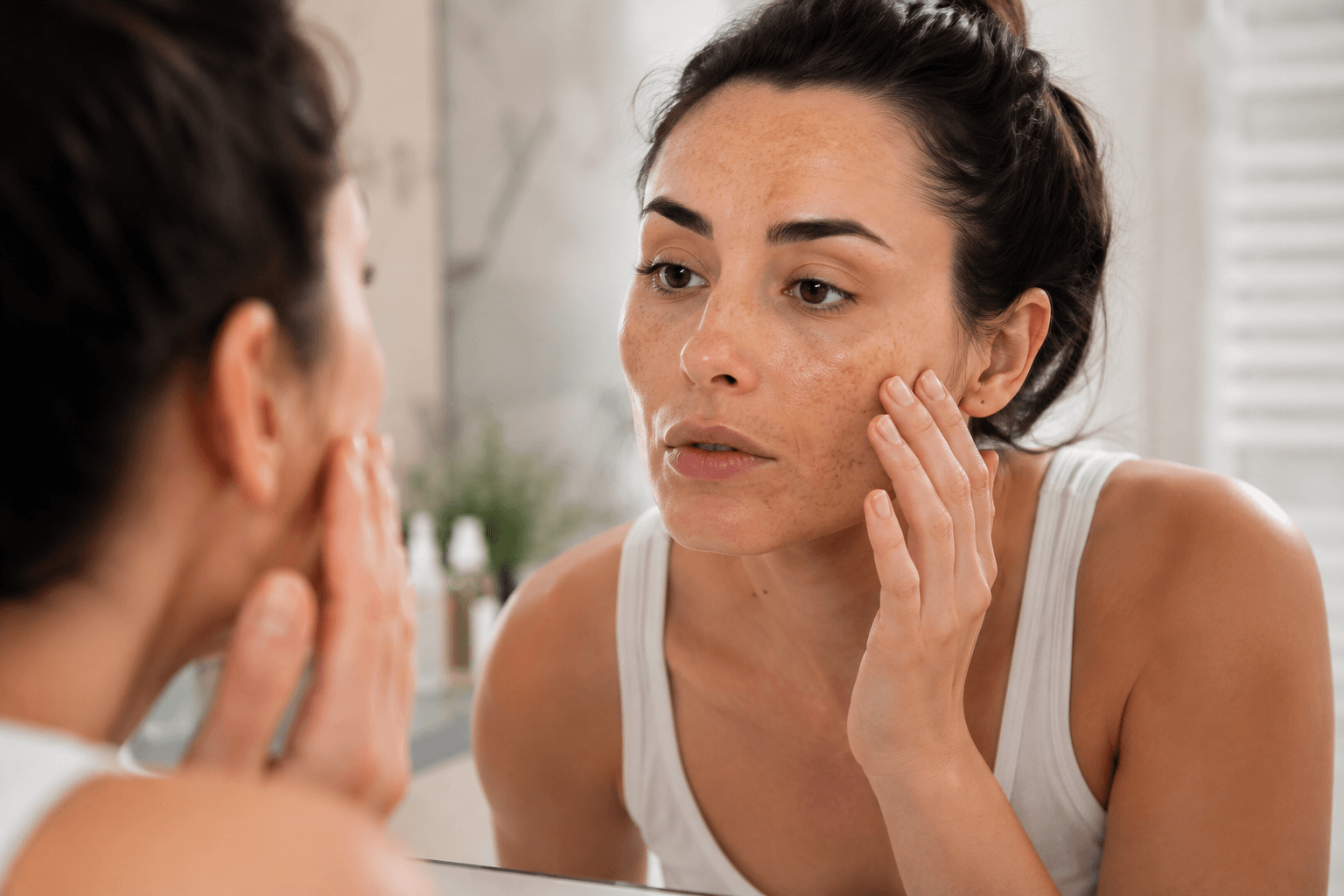
Something about your face has changed, but you can't quite pinpoint what it is. Your cheeks don't look as full. Your under-eye area seems more hollow than tired. The lines around your mouth seem deeper even though your weight hasn't changed. If you've caught yourself studying old photos trying to figure out the difference, you're noticing something very real, and it's not just about wrinkles.
At ABA Aesthetics Medspa in Rockwall, TX, we hear this description constantly, and it almost always points to the same underlying cause: facial volume loss. Understanding why this happens is the key to knowing whether dermal fillers might be the right solution for you.
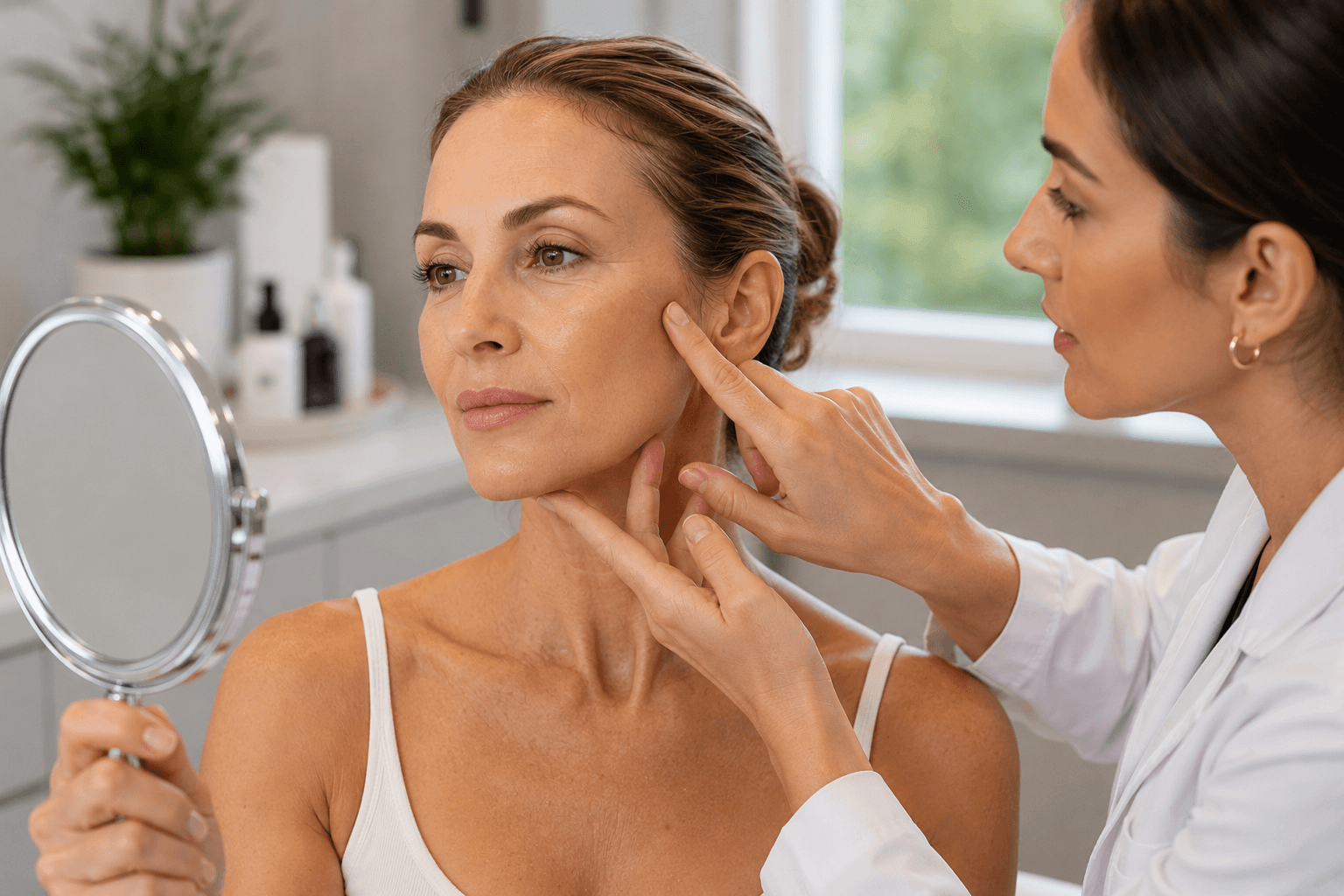
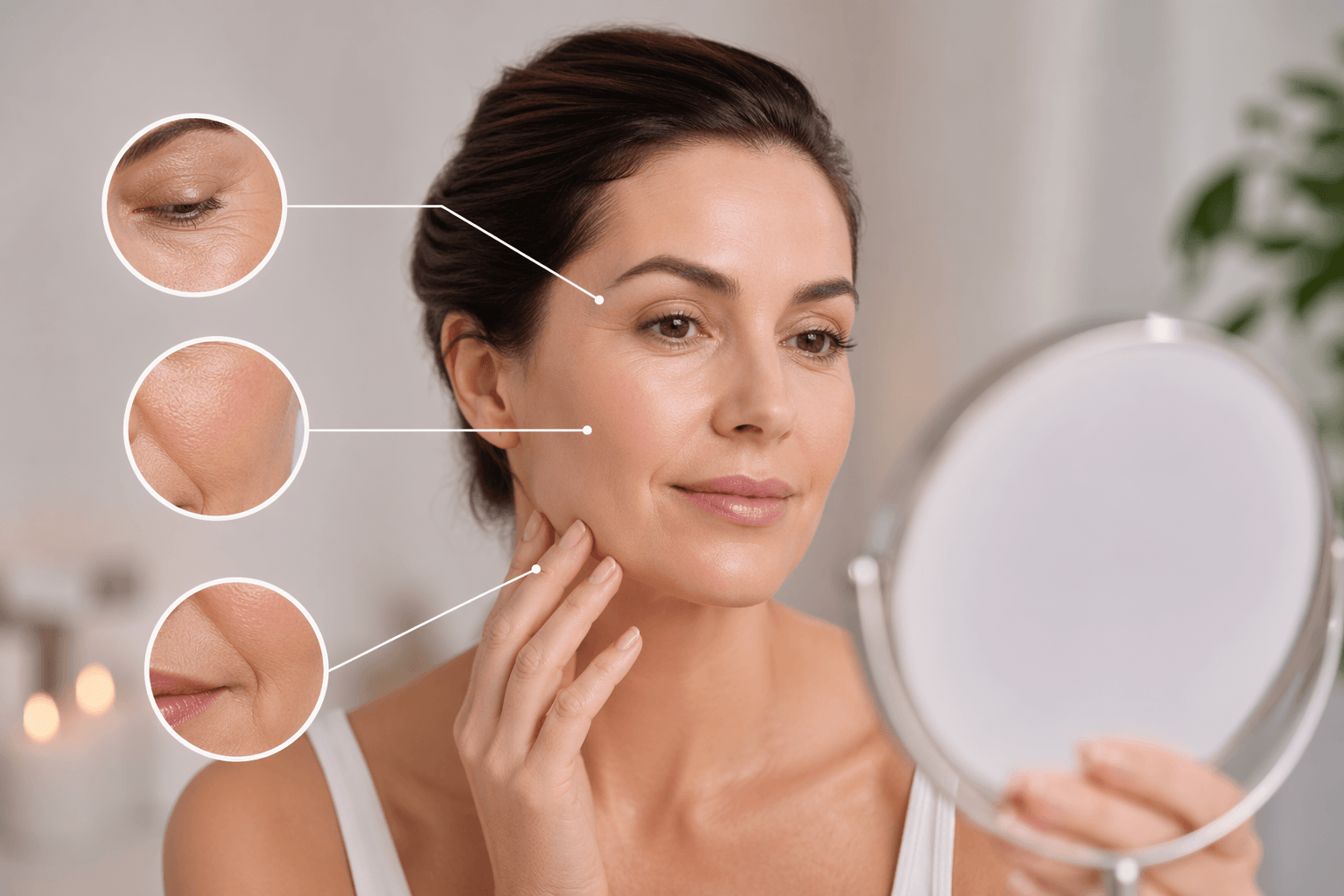
Beneath the skin, your face relies on a supportive structure of fat pads, collagen, and bone to maintain its shape. Starting in your mid to late twenties, collagen production begins a gradual decline, and by your late thirties and forties, the fat pads that once gave your cheeks and temples their fullness start to shift and shrink. This isn't a flaw in your skincare routine. It's a structural change that skincare products alone were never designed to fix.
These two concerns are closely related but not identical. Volume loss refers to the loss of underlying support, while sagging is often a downstream effect of that lost support combined with reduced skin elasticity. Many people experience both simultaneously, which is why the face can seem to change shape rather than simply develop more lines.
Genetics, sun exposure, and even bone structure all influence how quickly volume loss becomes visible. People with thinner facial fat distribution or a history of significant sun exposure often notice these changes earlier than others with similar age and lifestyle.
Under-eye hollows can make you look tired even on a full night's sleep, and they're frequently a volume concern rather than a sign of exhaustion or poor circulation.
Cheeks that once had a rounder, more lifted appearance can begin to look flatter or slightly sunken as the fat pads supporting them shift lower on the face.
The lines running from the nose to the corners of the mouth often deepen not just because of repeated movement, but because there's less underlying volume holding the surrounding skin in place.
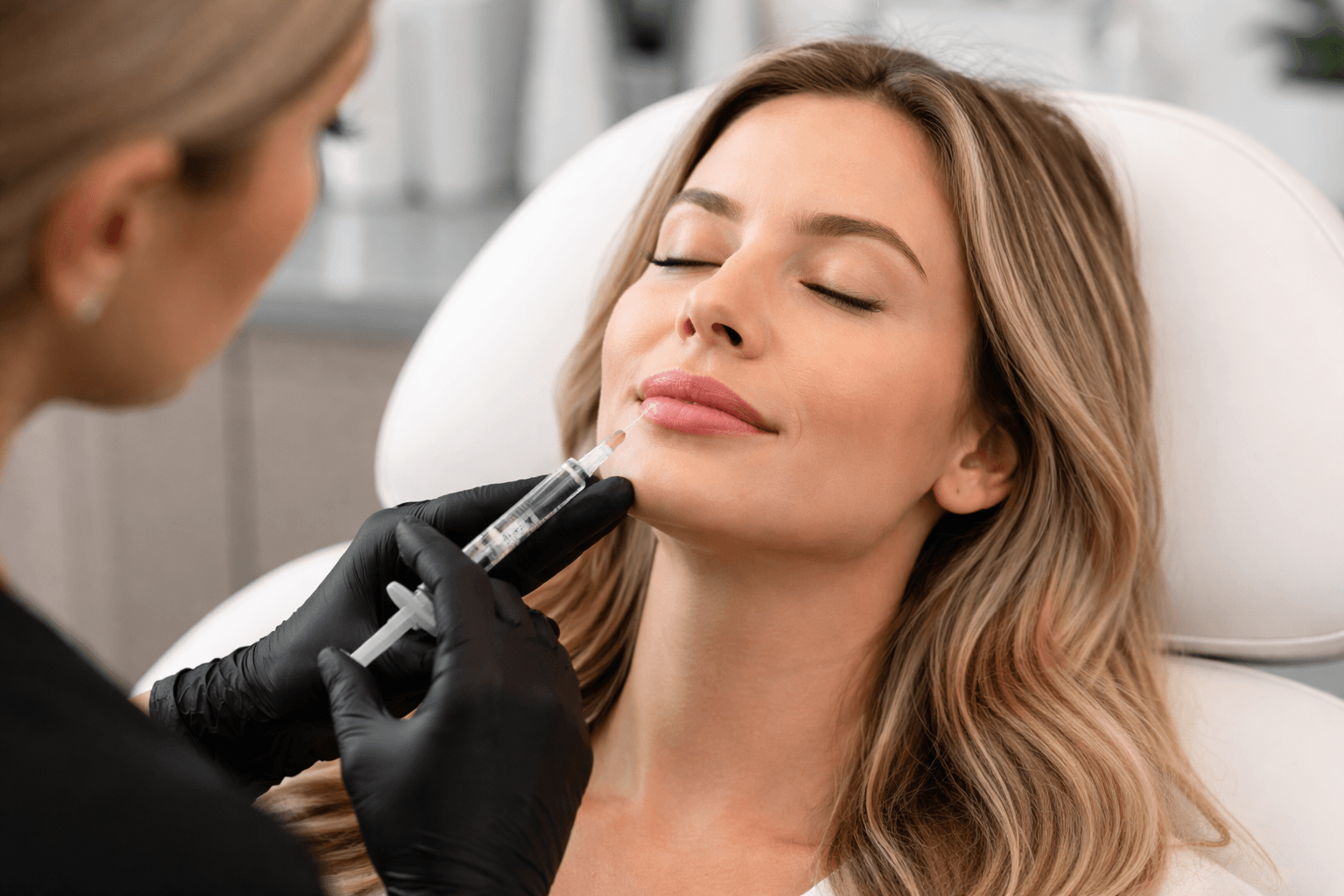
Lips naturally lose volume and definition over time, which can make the surrounding lip line and border appear less crisp than it used to.
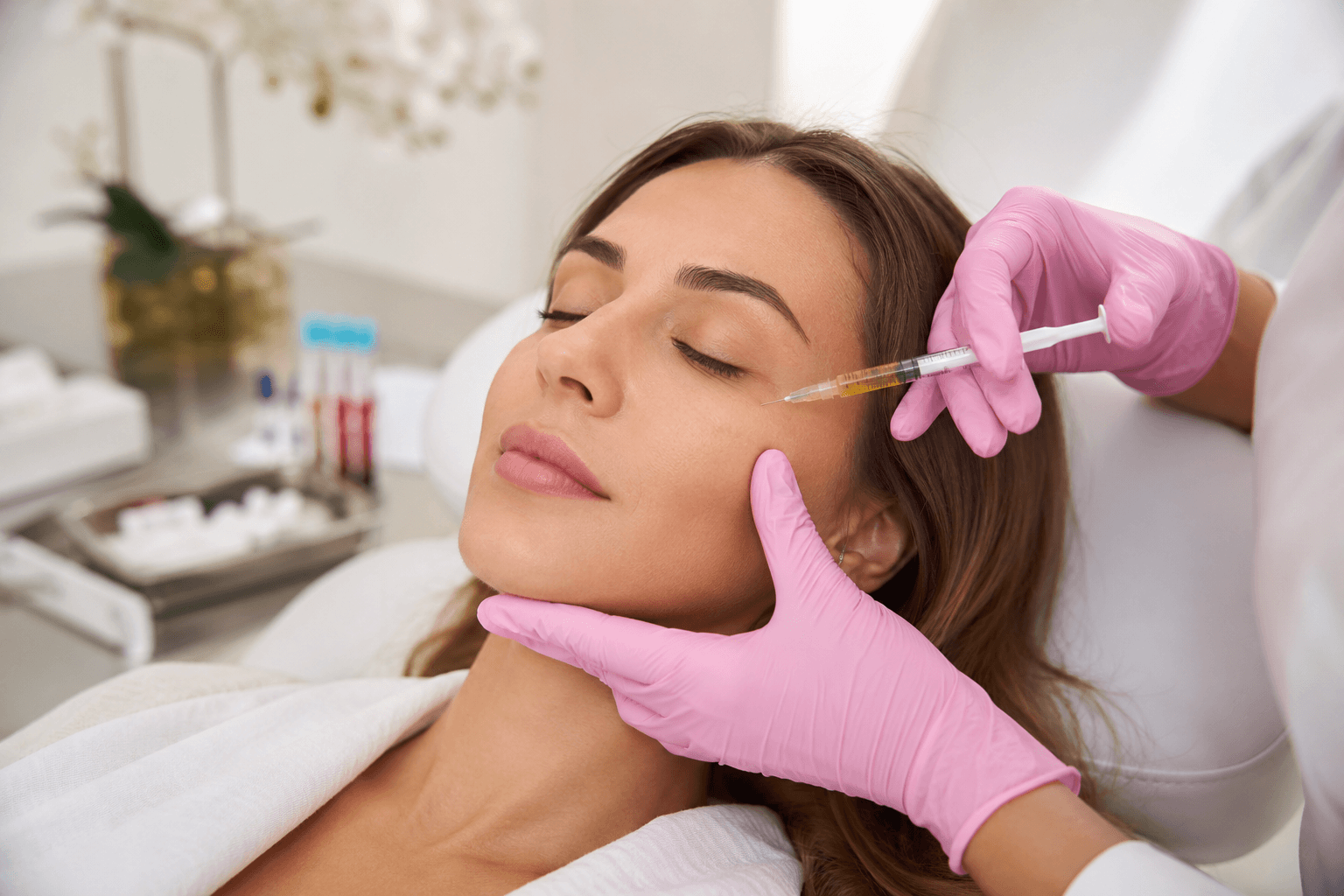
Dermal fillers work by restoring lost volume directly beneath the skin, providing structural support in the areas where it's naturally diminished. Depending on the formulation, fillers can also stimulate the skin's own collagen production over time, offering benefits that extend beyond the initial treatment.
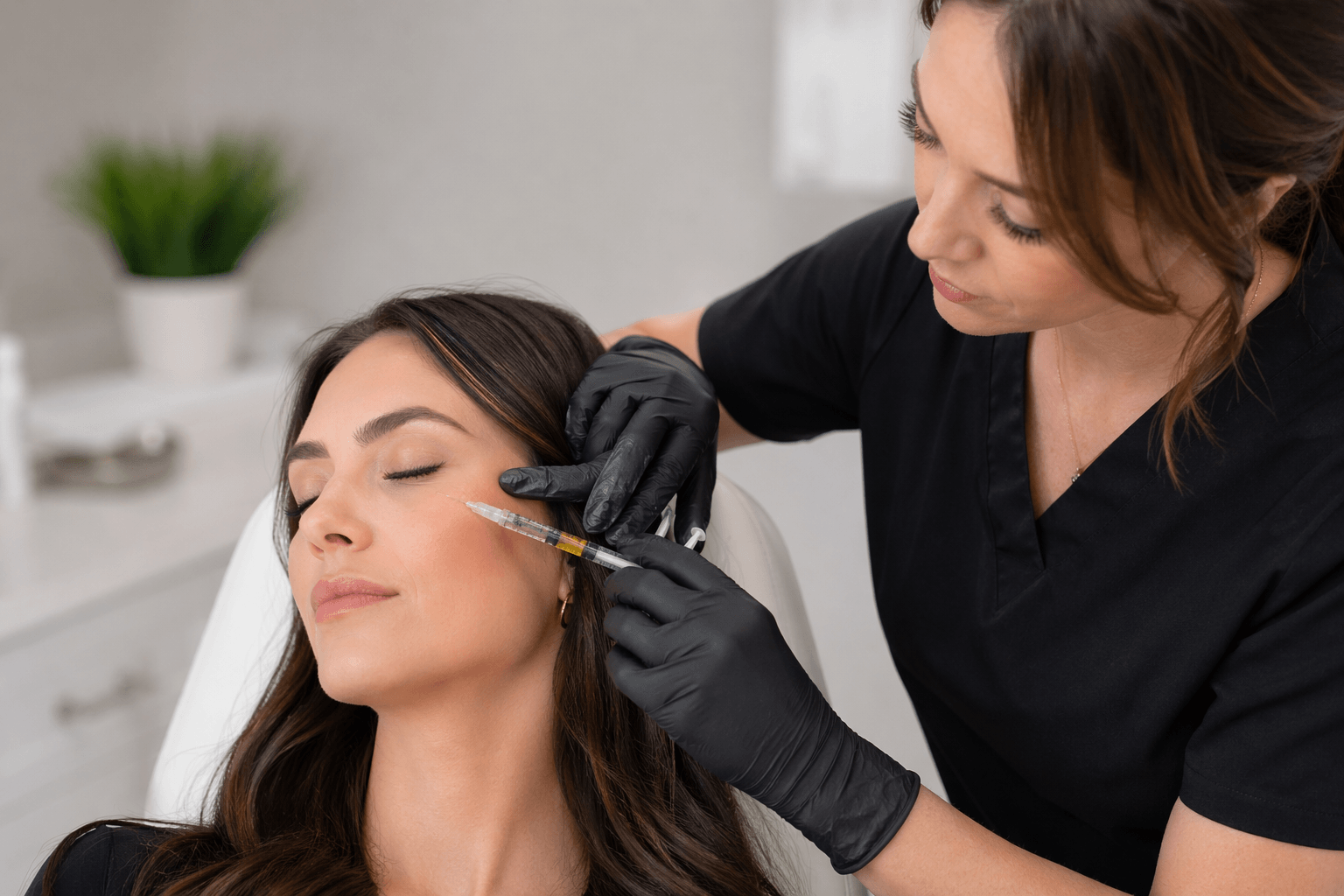
At ABA Aesthetics Medspa, we offer targeted filler treatments for several areas prone to volume loss, including cheek filler for restoring midface fullness, undereye filler for addressing hollows, lip filler for restoring lip volume and definition, and chin filler or temple filler for balancing overall facial proportion.
Results vary by treatment area and the specific filler used, generally lasting anywhere from six months to over a year. Areas with more natural movement, like the lips, tend to metabolize filler more quickly than areas like the cheeks or temples.
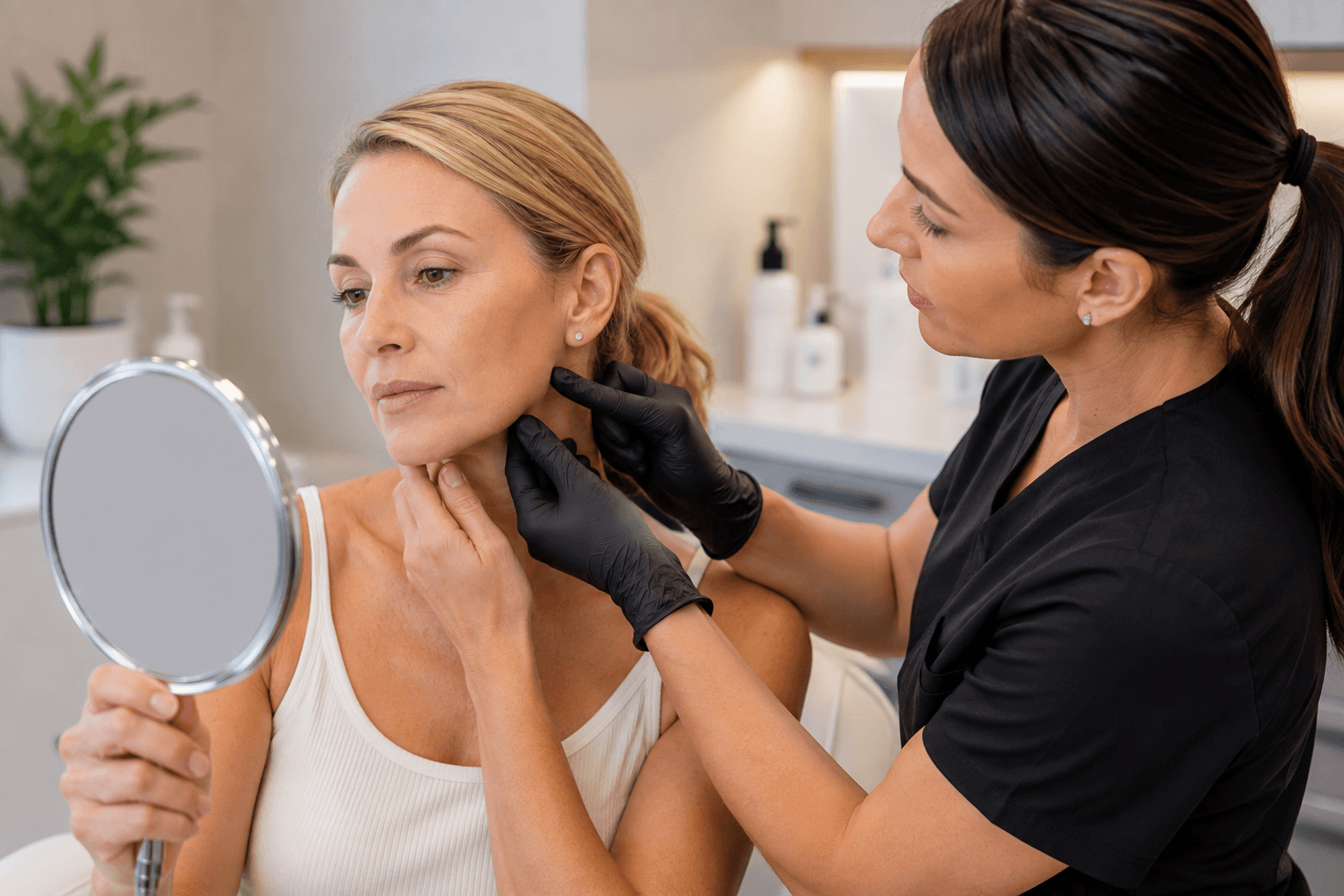
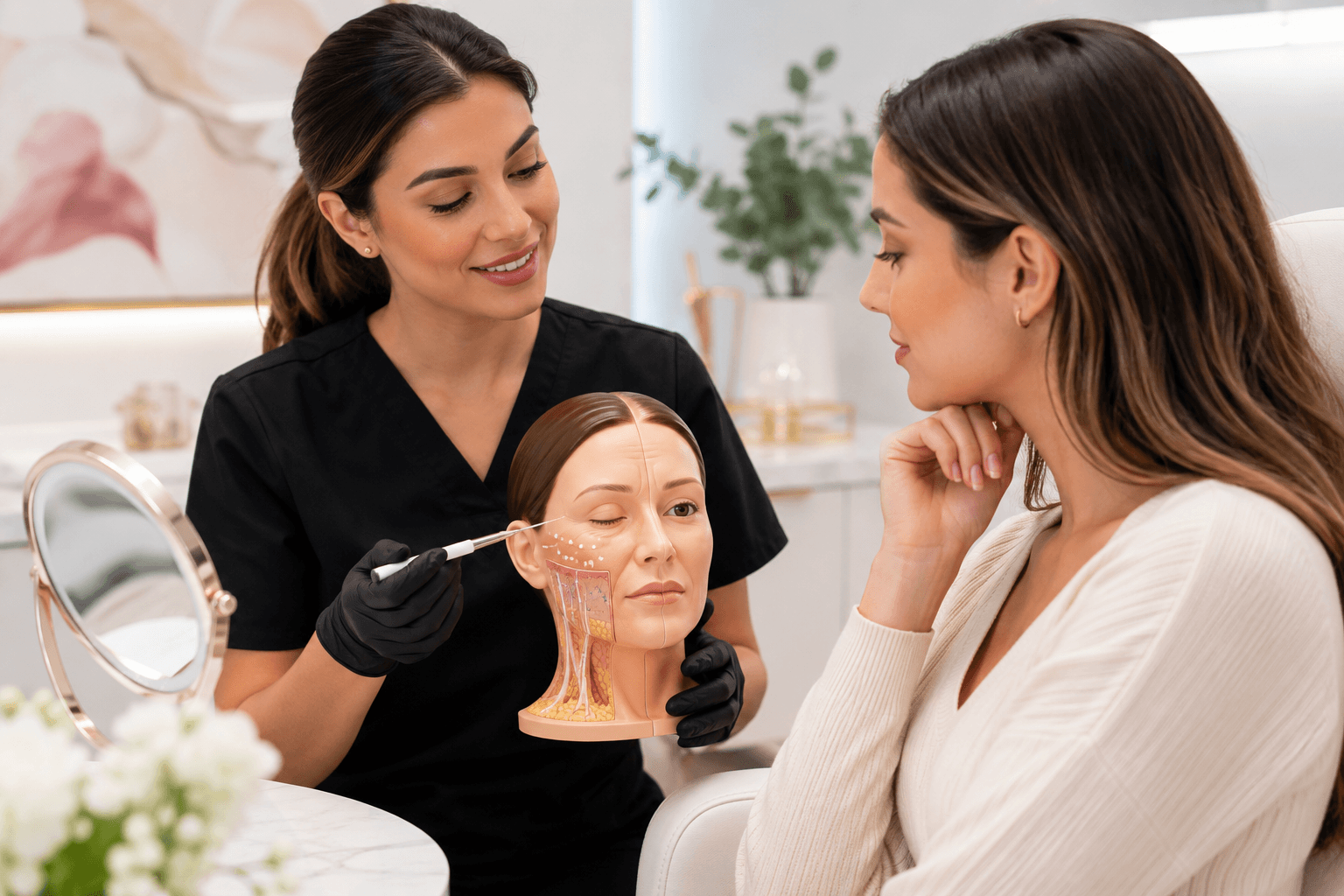
People noticing early to moderate volume loss, hollowing, or flattened contours are generally excellent candidates. A thorough consultation helps determine which areas would benefit most and what results are realistically achievable.
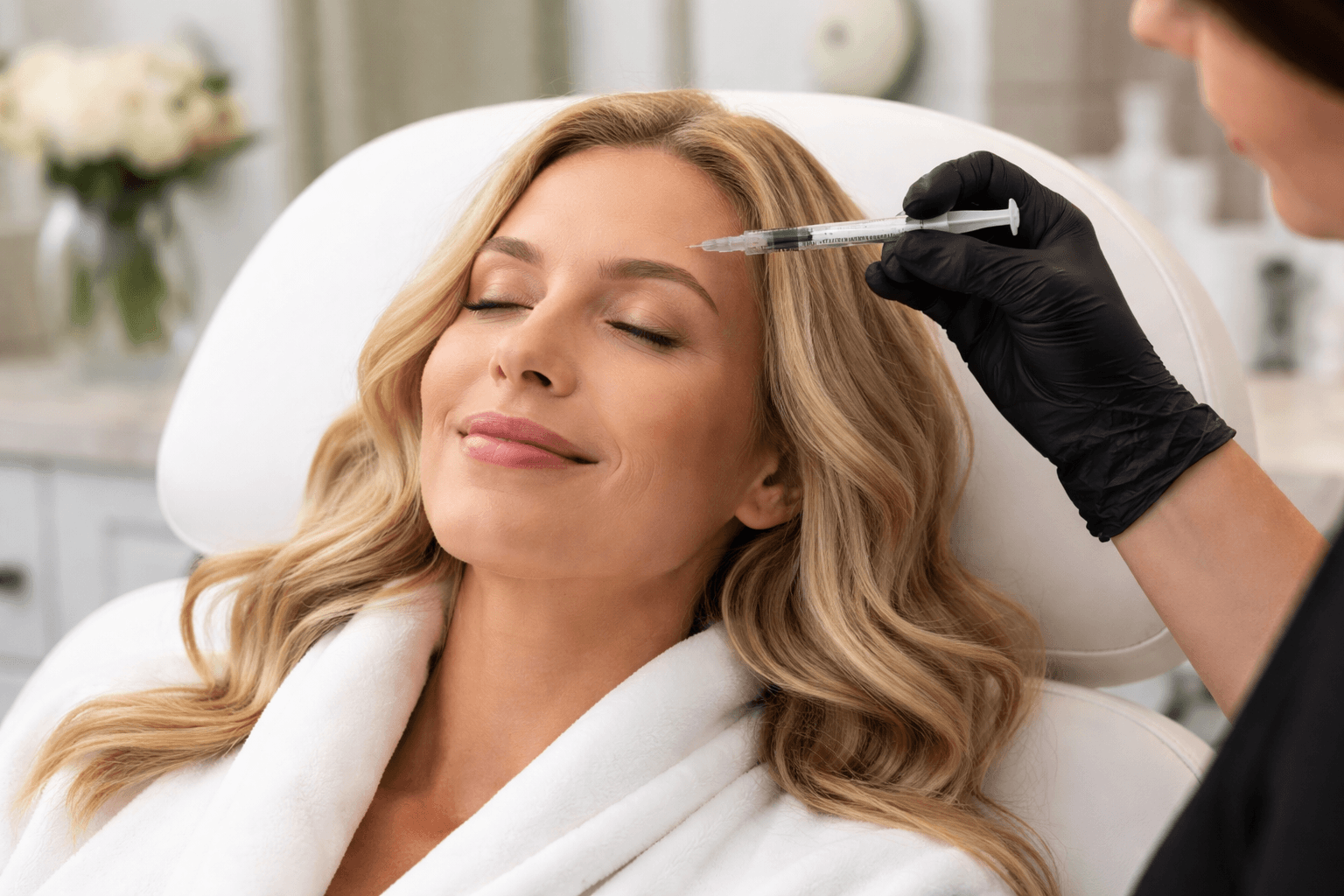
This is one of the most common points of confusion, and for good reason. Fillers restore lost volume and structure, while treatments like neurotoxins relax the muscle activity that causes certain dynamic lines, such as those between the brows or across the forehead. Many clients benefit from both, depending on their specific concerns.
Most people experience minimal downtime, with some temporary swelling or bruising possible at the injection site. Many clients return to normal activities the same day, though it's wise to plan around any major events with a short buffer.
North Texas sees a significant amount of sun throughout the year, and cumulative UV exposure accelerates collagen breakdown, which contributes to earlier volume loss for many residents. This is part of why consistent sun protection is such an important companion to any filler treatment, helping to preserve results and slow further collagen loss.
Daily sunscreen use remains one of the most effective ways to protect the collagen you have left and extend the life of your filler results.
Treatments like Sculptra or PRF can work alongside traditional fillers to support your skin's own collagen production over time.
Maintaining results with periodic touch-ups, rather than waiting until volume has fully returned to baseline, tends to produce a more consistent and natural looking outcome.
Facial volume loss is a natural part of aging, but it's one of the more treatable concerns in aesthetic medicine once you understand what's actually happening beneath the surface. At ABA Aesthetics Medspa in Rockwall, TX, our team will assess your specific areas of concern and build a filler plan around your face, not a generic template. Browse our full dermal fillers page to learn more about the options available, or explore our broader services list. Ready to talk through what would work best for you? Contact us to schedule your consultation.
How do I know if I need filler or just better skincare? If your concern involves shape, hollowing, or flattened contours rather than surface texture or fine lines, filler is generally more effective than topical skincare alone. A consultation can help clarify which approach fits your specific concern.
Are dermal fillers safe? Yes, when administered by a trained provider using approved products. This is why a thorough consultation and an honest medical history review matter before any treatment.
Will people be able to tell I got filler? The goal of a well planned treatment is to restore a natural, refreshed appearance rather than an obviously altered one, which is why gradual, conservative approaches tend to produce the most flattering results.
How much filler will I need? This depends entirely on your specific areas of concern and goals, which is best discussed during an in-person consultation rather than estimated in advance.
Can dermal fillers be reversed if I don't like the results? Many hyaluronic acid based fillers can be dissolved if needed, which is one of the reasons they remain such a popular and flexible option.




.png)
















































.jpg)





.jpg)
.jpg)


