

This guide reflects our current approach at ABA Aesthetics Medspa, updated for August 2026.
There's a point where trying yet another serum or waiting things out stops making sense, but figuring out exactly when you've crossed that line isn't always obvious. Maybe you've been dealing with the same stubborn breakouts for over a year. Maybe the fine lines you used to ignore are now deep enough to notice in every photo. At what point does a concern move from "something to manage at home" to "something worth seeing a professional about"?
At ABA Aesthetics Medspa in Rockwall, TX, this is a question we help people work through constantly. Here's a clearer way to think about when it's genuinely time to visit an aesthetic clinic, and what that decision actually involves.
Not every skin or aesthetic concern requires professional intervention, and that's an important distinction to make first. Mild dryness, occasional breakouts, or early fine lines often respond well to a solid at-home routine. The signal to seek professional care usually shows up when a concern becomes persistent, worsens over time, or starts affecting your confidence in a way that a skincare aisle simply can't fix.
A reasonable guideline is giving a consistent at-home routine about eight to twelve weeks to show results, which is roughly how long it takes for meaningful changes in skin cell turnover to become visible. If you're not seeing improvement after a genuinely consistent effort during that window, it's a strong sign the concern needs a different level of intervention.
A concern that's progressively worsening, whether that's spreading acne, deepening lines, or increasing hair loss, rarely resolves on its own and often benefits from earlier rather than later intervention.
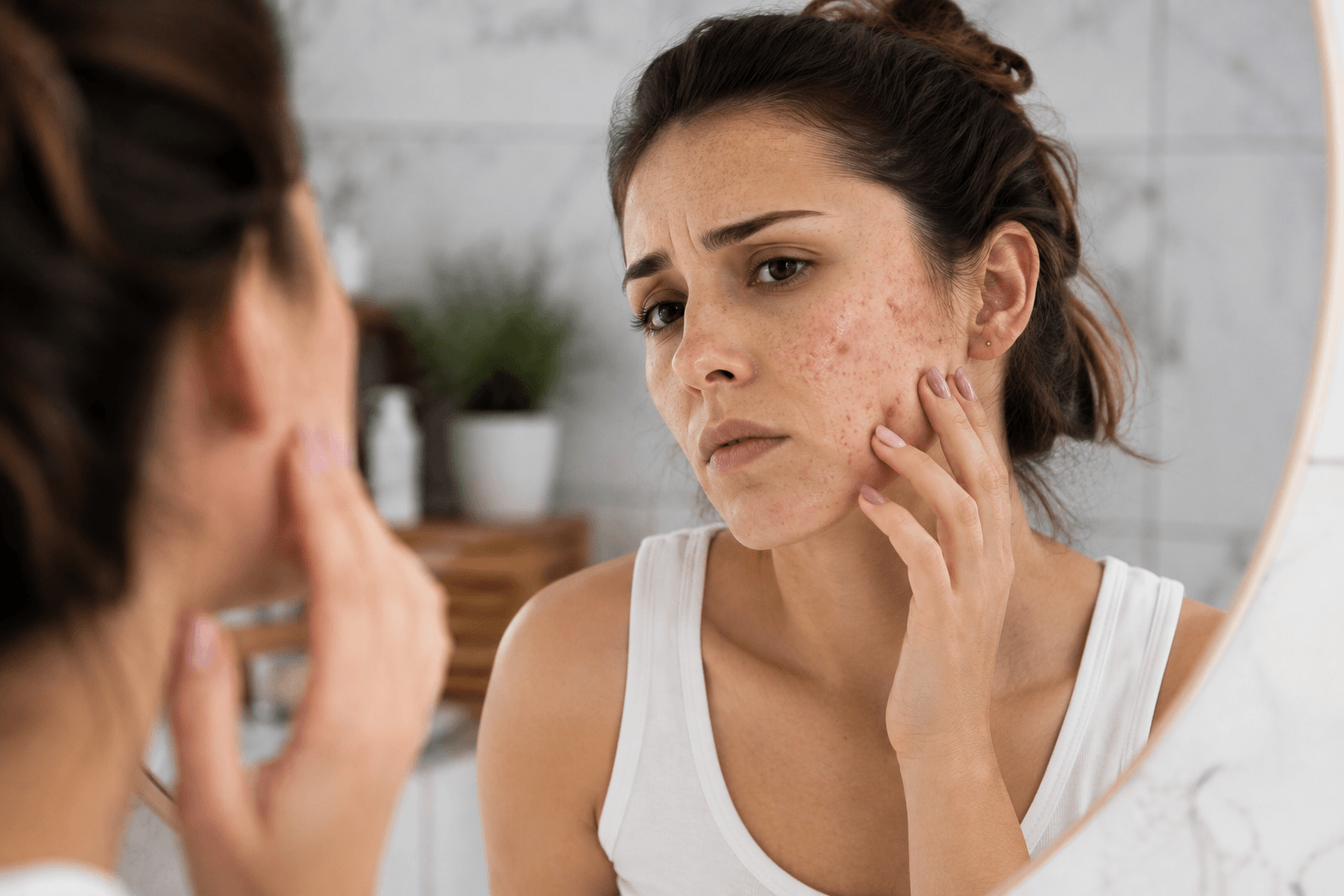
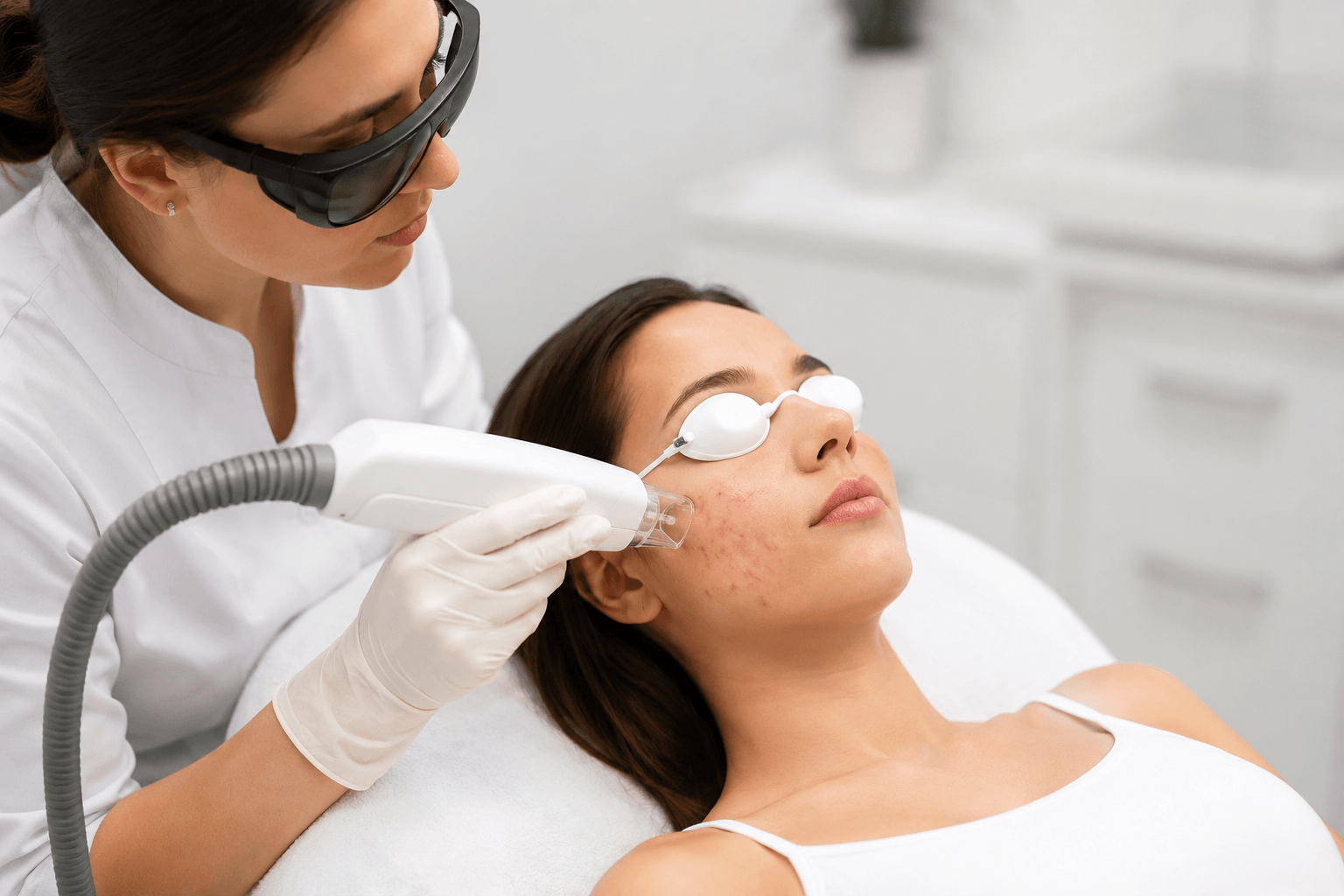
When over-the-counter products stop making a difference or breakouts start leaving marks and scarring, it's a clear signal that professional acne treatments can address the underlying cause more effectively than continued trial and error.
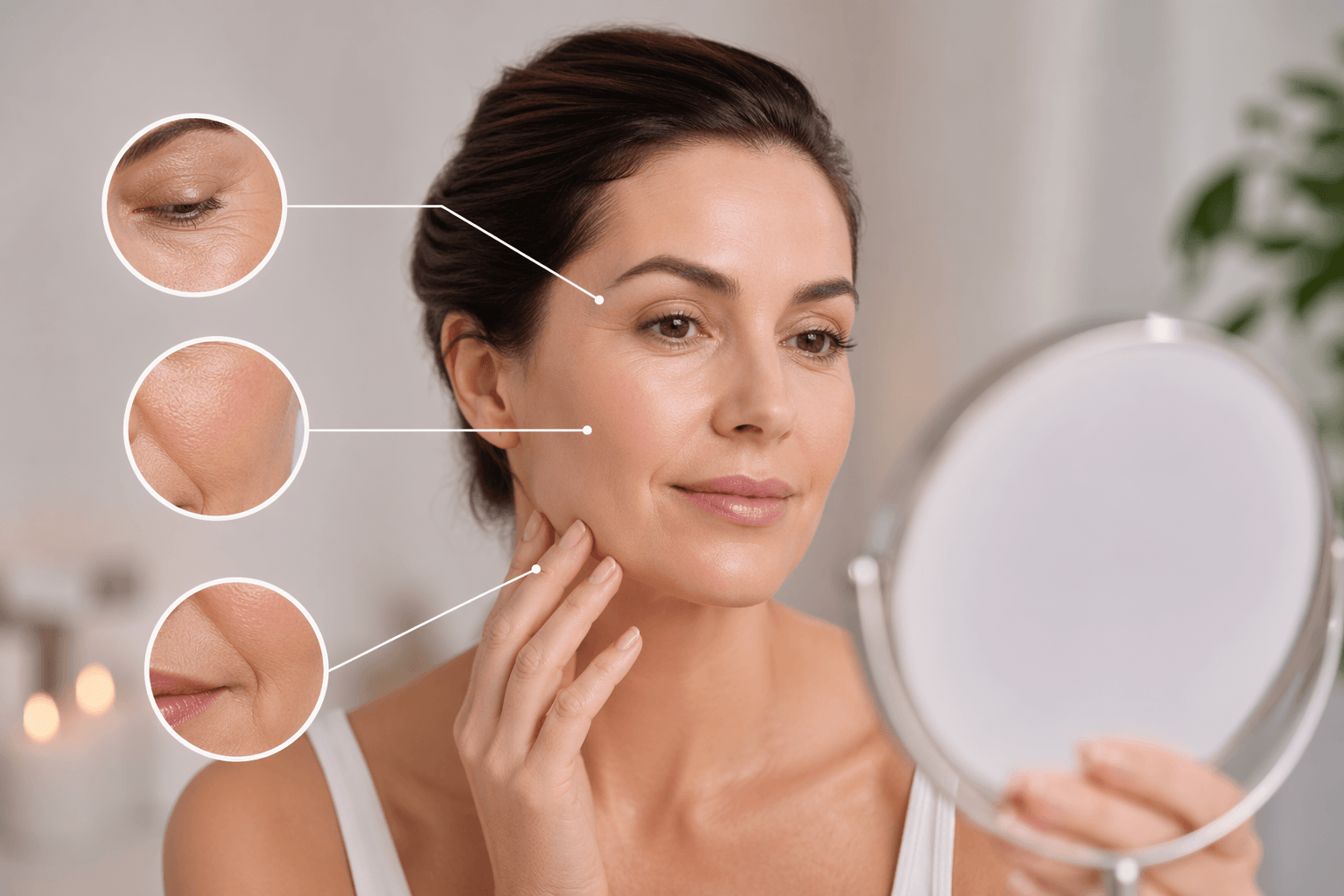
Fine lines, volume loss, and sagging skin are natural, but they're also highly treatable once you understand the underlying cause. Many clients come in once they notice these changes have become more consistent in photos or the mirror rather than occasional.
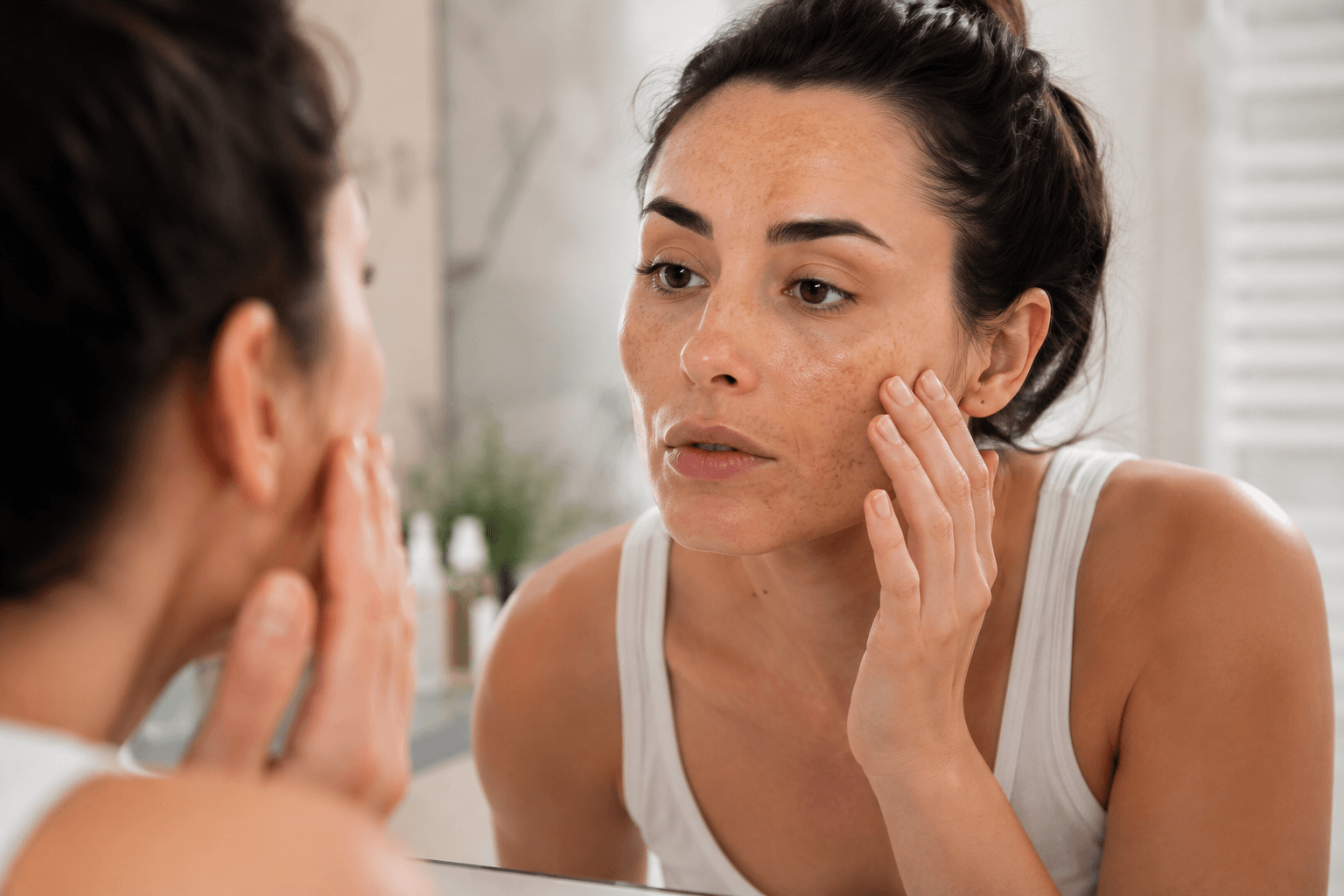
Sun damage, hyperpigmentation, and rough texture accumulate over years, and while they can improve with consistent professional treatment like a chemical peel, they rarely reverse on their own with topical products alone.
Chronic unwanted hair growth, especially when linked to conditions like PCOS, is a common and very treatable concern addressed through facial hair removal treatments.
Hair thinning that's noticeably progressing is worth addressing sooner rather than later, since treatments like PRF tend to be more effective when started before hair loss becomes advanced.
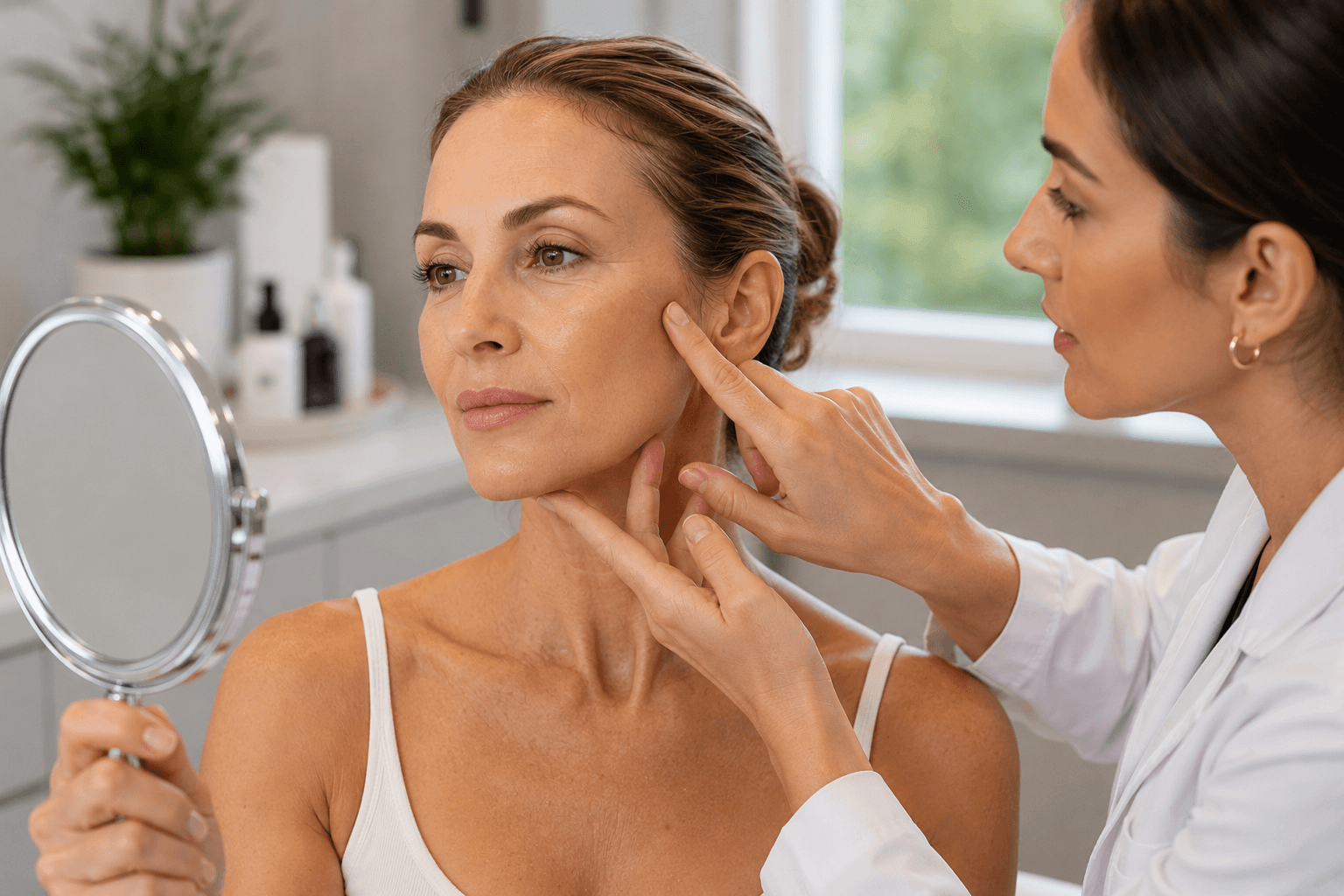
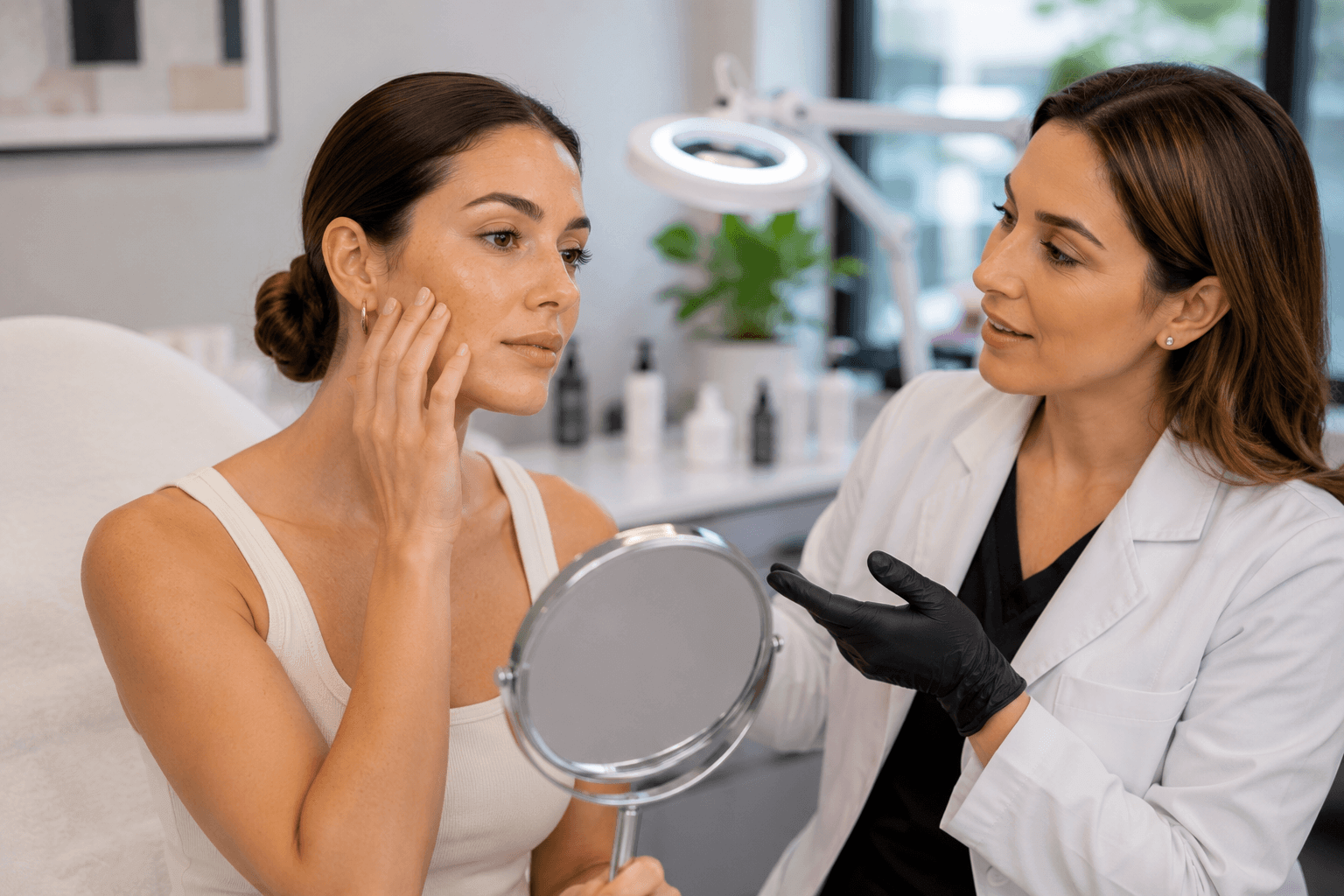
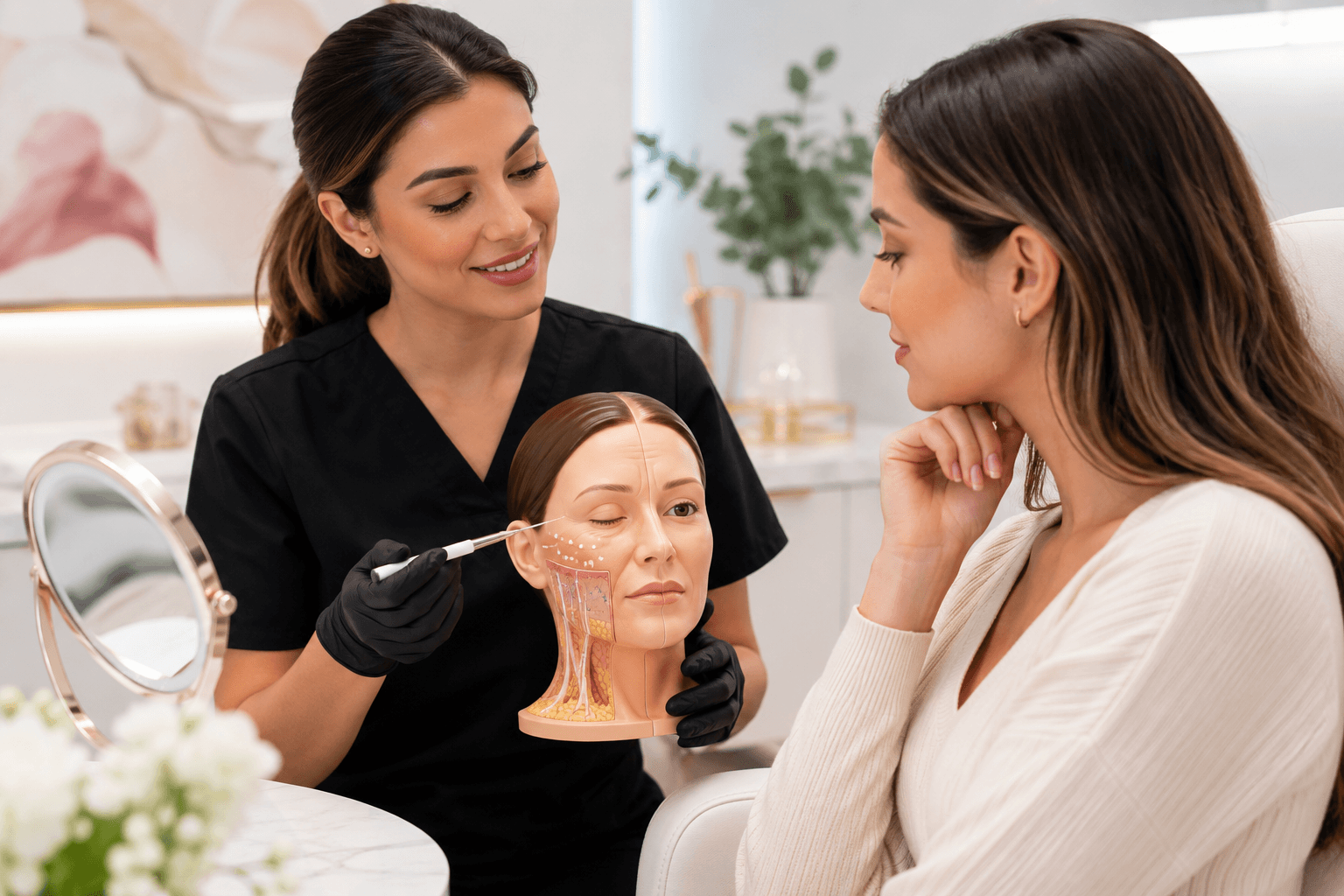
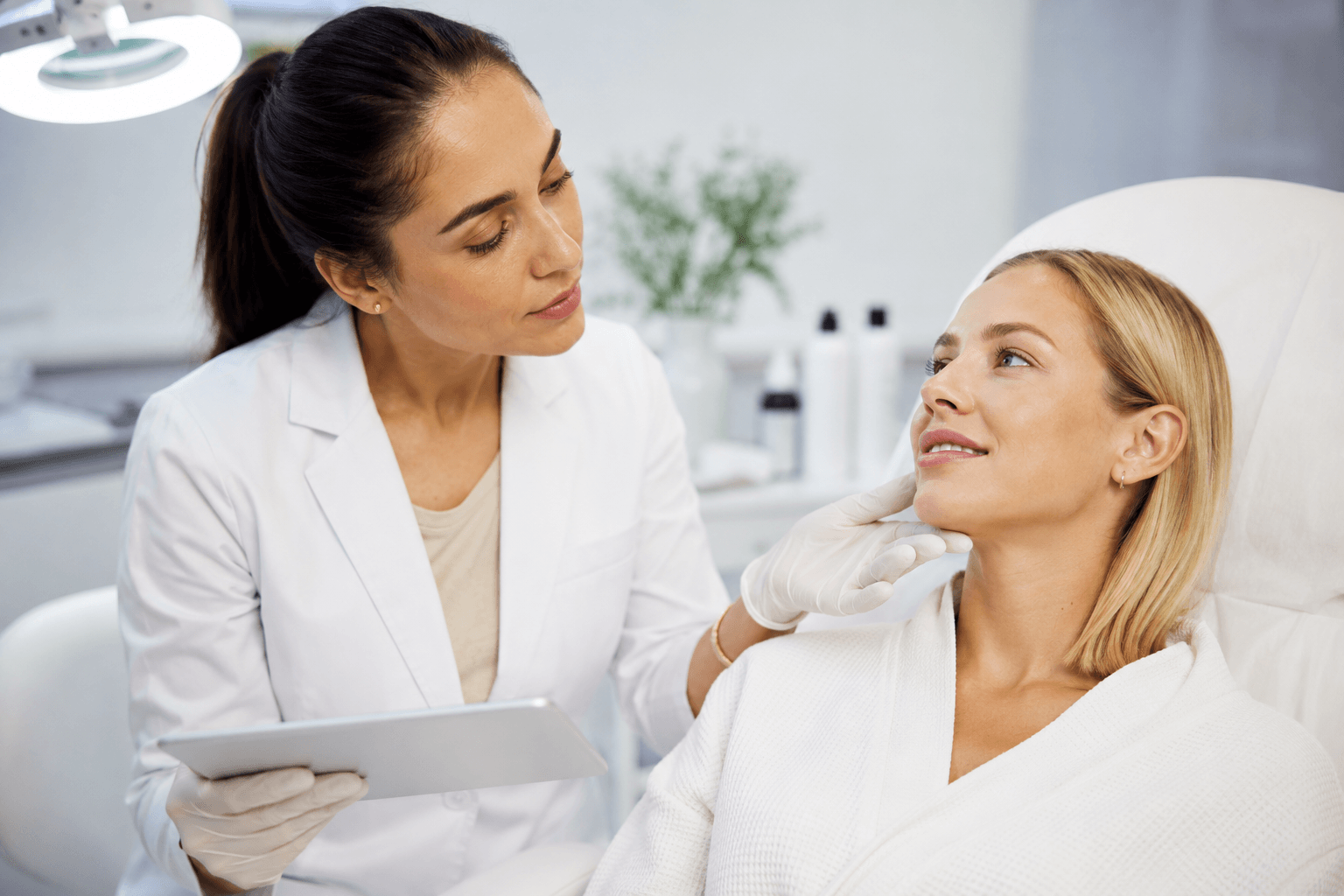
A proper first visit involves understanding your skin history, any relevant medical background, and what specifically bothers you, not just a quick glance and an immediate treatment recommendation.
Part of what makes a visit valuable is getting a realistic, honest picture of what a given treatment can achieve for your specific concern, including how many sessions or how much time it may take to see meaningful results.
Two people with the same stated concern, like acne or volume loss, often need very different treatment approaches based on their skin type, severity, and goals.
Any skin change that's happening quickly, particularly involving new growths, unusual pigmentation changes, or sudden hair loss, deserves prompt attention rather than a wait and see approach.
Once acne or another condition starts leaving textured scarring behind, earlier treatment generally leads to better outcomes than waiting for scarring to fully set in.
If a concern is genuinely affecting how you feel showing up to work, social situations, or photos, that impact alone is a legitimate reason to seek treatment sooner rather than later.
The combination of intense sun exposure for much of the year and humidity swings common to North Texas tends to accelerate certain concerns, particularly sun damage, pigmentation, and acne flare-ups tied to excess oil production. Many Rockwall residents find that concerns which might progress slowly elsewhere tend to show up a bit earlier here, which is worth factoring into when you decide to seek treatment.
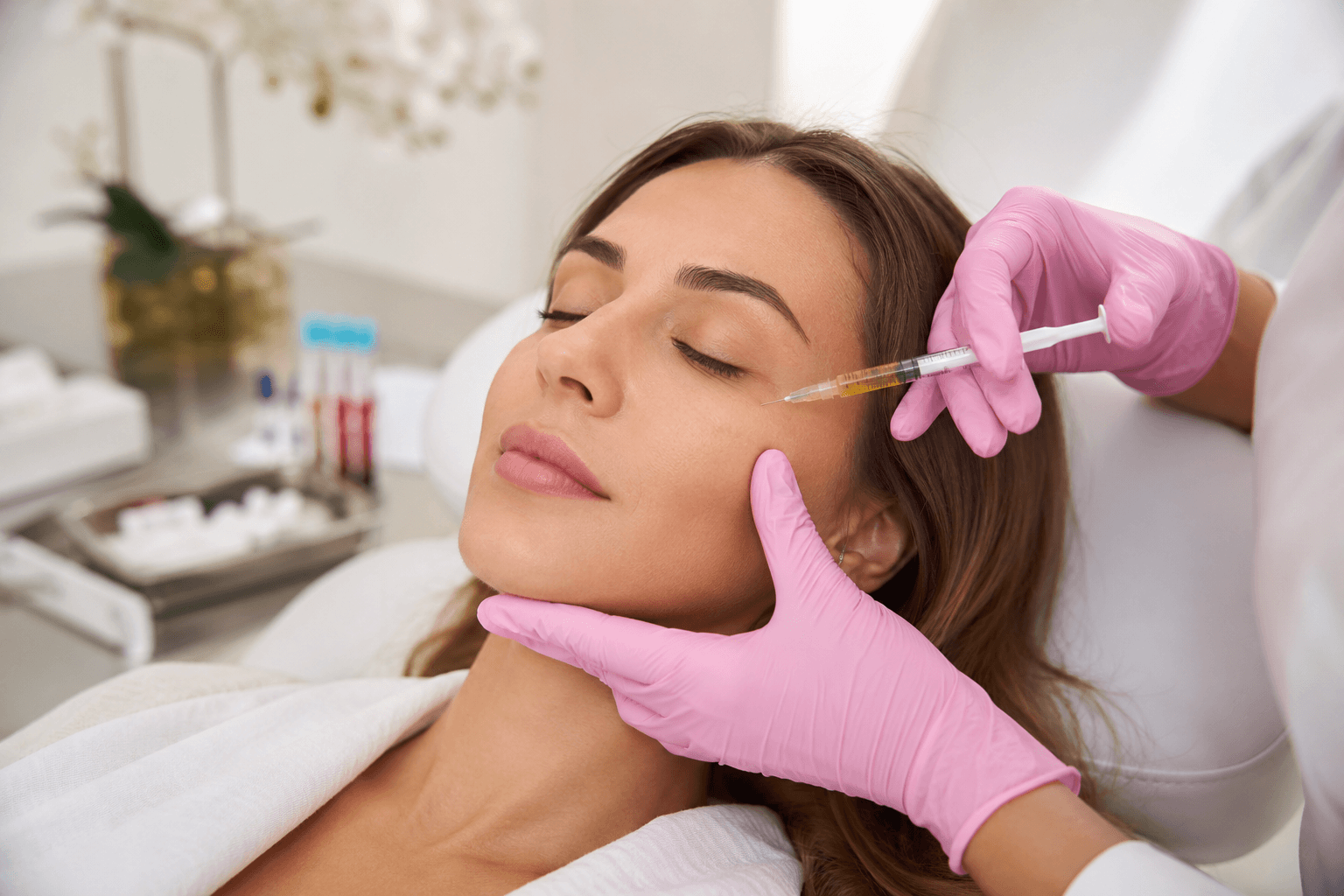
This is actually one of the most common reasons people hesitate to book a consultation, worrying they need to already know the answer before showing up. That's not the case. Part of an aesthetic clinic's role is helping you understand what's actually happening and matching it to the right solution, whether that's dermal fillers, a resurfacing treatment, or something else entirely. You can browse the full range of concerns we address if you're still trying to put a name to what's bothering you.
If something has been bothering you long enough to search for answers online, that's usually a sign worth trusting. You don't need to wait until a concern becomes severe to seek help, and earlier treatment often leads to better, more natural looking results overall. At ABA Aesthetics Medspa in Rockwall, TX, our team will help you figure out exactly what you're dealing with and what realistic options look like. Explore our full services list or learn more about our clinic. Ready to stop guessing and get real answers? Contact us to schedule a consultation.
How do I know if my concern needs professional treatment or just better skincare? If a consistent at-home routine hasn't improved things after a couple of months, or the concern is worsening, professional evaluation typically makes more sense than continuing to guess.
Is a consultation at an aesthetic clinic really necessary before starting treatment? Yes, since a proper consultation ensures the treatment plan actually matches your skin, history, and goals rather than assuming a one size fits all approach will work.
Will visiting an aesthetic clinic mean committing to expensive ongoing treatment? Not necessarily. A good consultation should give you honest options, including simpler or less frequent treatments if that's genuinely the better fit for your concern.
What if I don't know exactly what treatment I need? That's completely normal, and it's part of what a consultation is for. Describing your concern is enough to start the conversation.
How soon can I expect to see results after starting treatment? This varies significantly depending on the specific concern and treatment, though your provider should give you a realistic timeline during your consultation.



.png)













































.jpg)





.jpg)
.jpg)


