

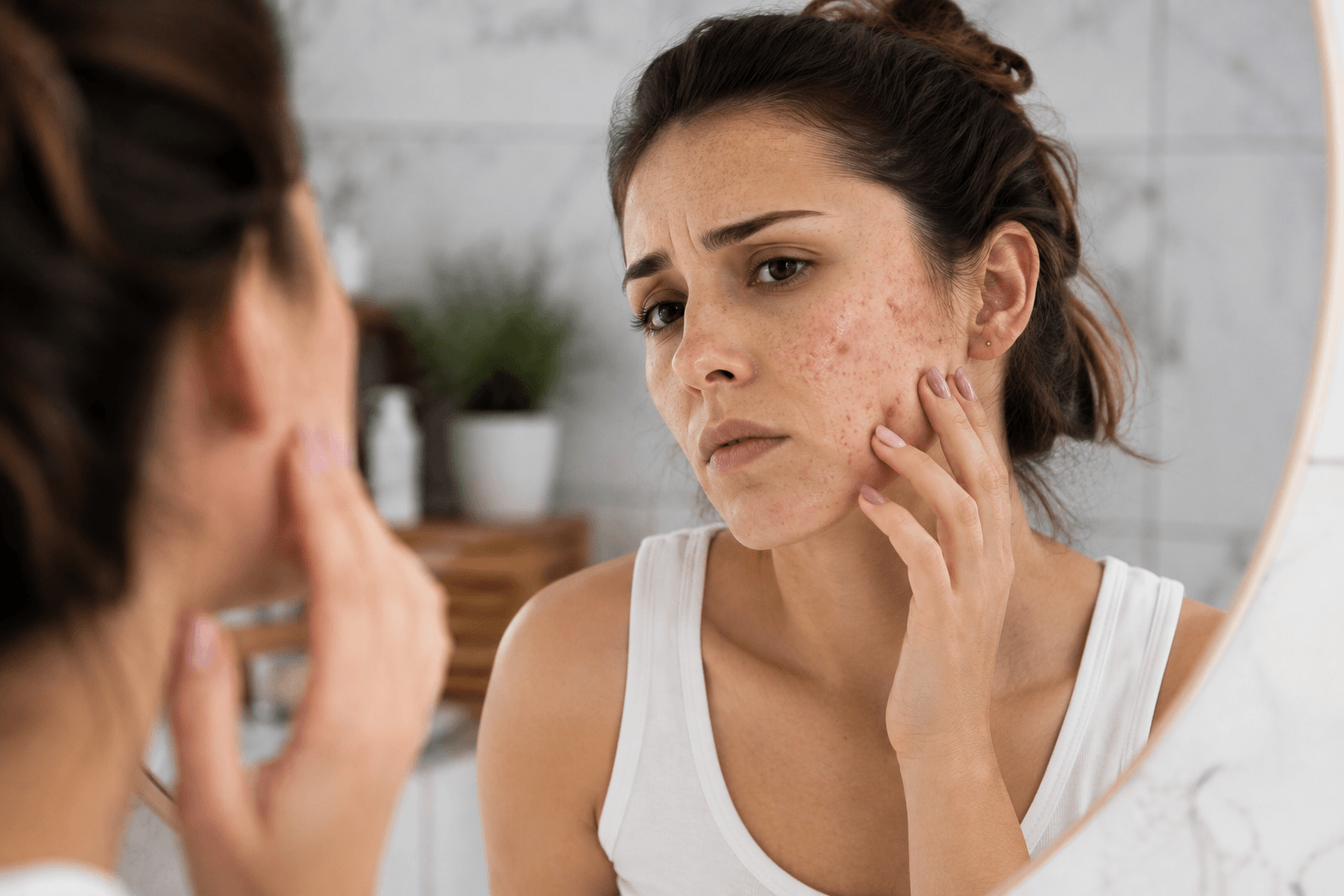
This guide reflects our current approach to acne care at ABA Aesthetics Medspa, updated for August 2026.
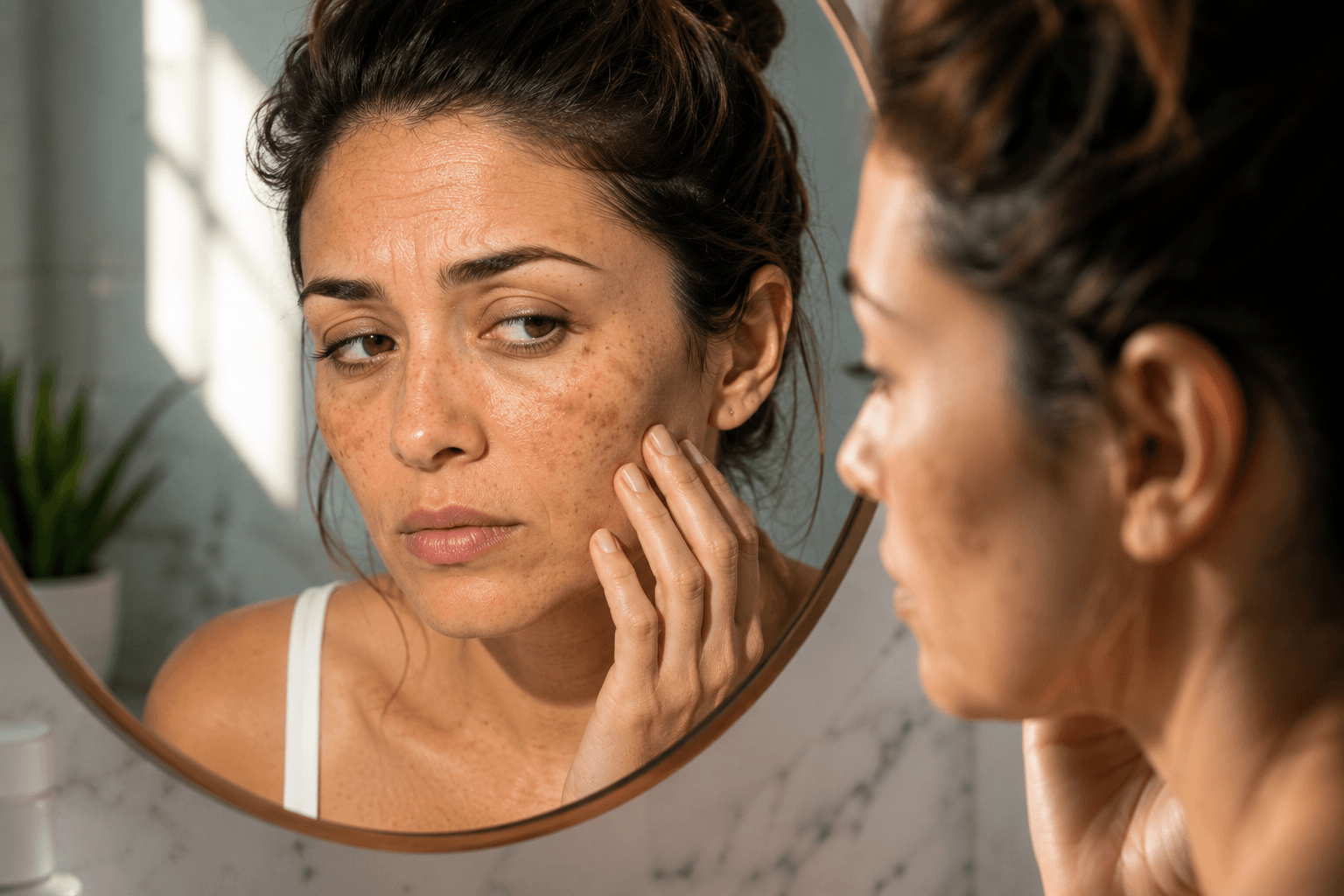
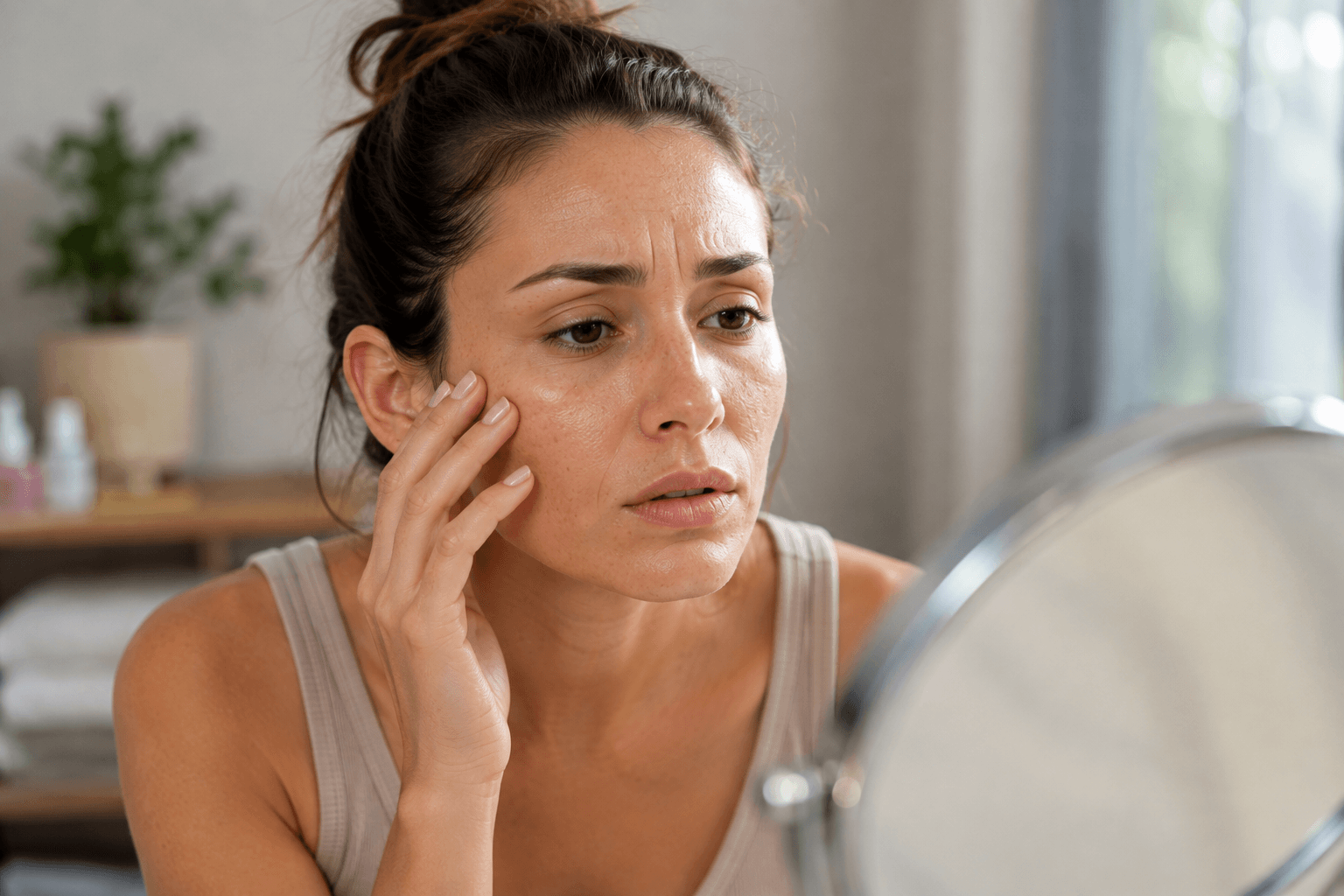
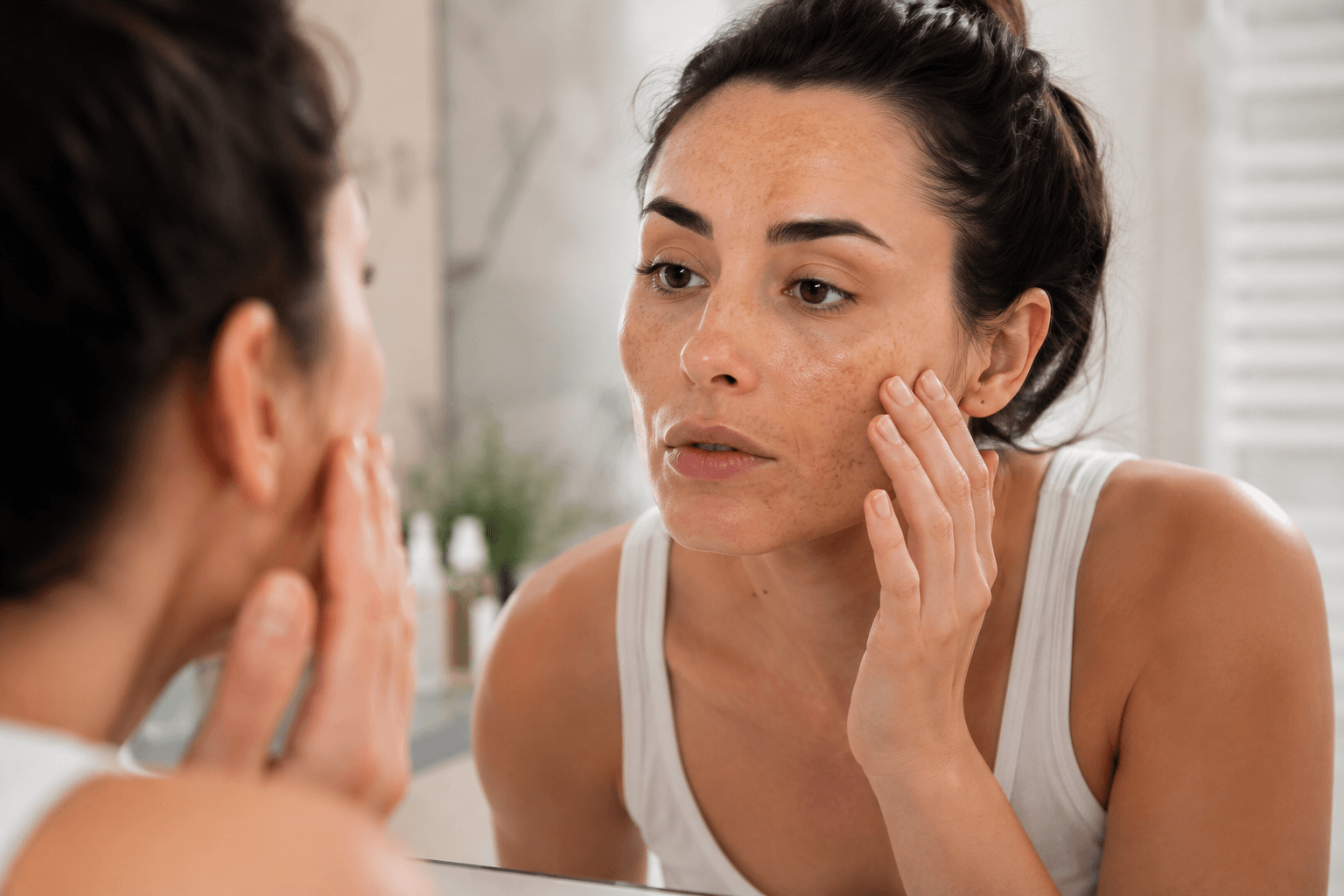
Breakouts were supposed to be a teenage problem. So why are you still dealing with them at 28, 35, or even 45? If you've spent years trying different cleansers, cutting out dairy, and switching pillowcases with little to show for it, the frustration is completely valid. Adult acne is more common than most people realize, and it behaves differently than the acne you dealt with in high school.
Understanding what's actually driving your breakouts is the key to treating them effectively. At ABA Aesthetics Medspa in Rockwall, TX, we see this exact scenario often, someone who did everything "right" and still can't get their skin to cooperate. Here's what might be going on, and how targeted acne treatments can help.
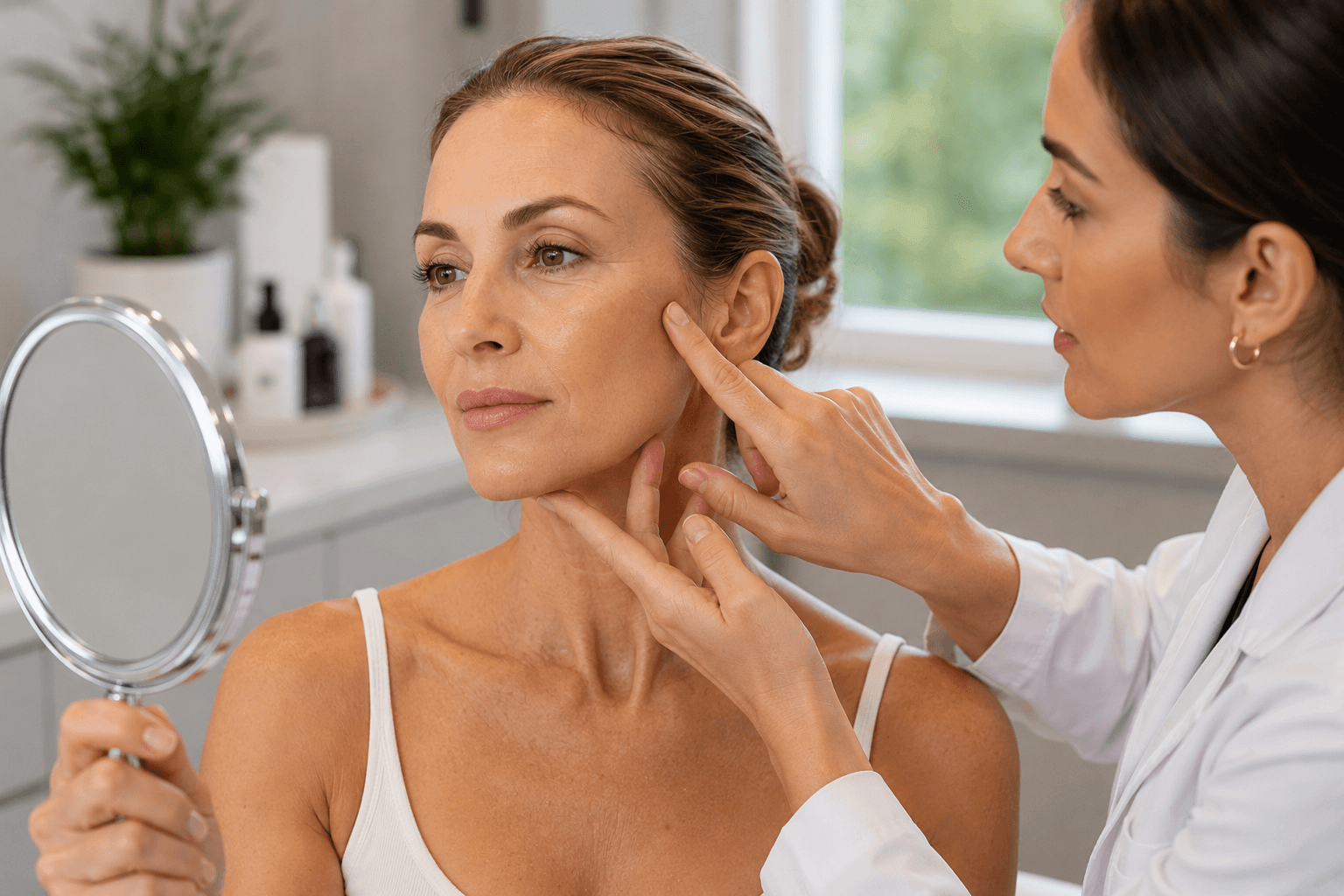
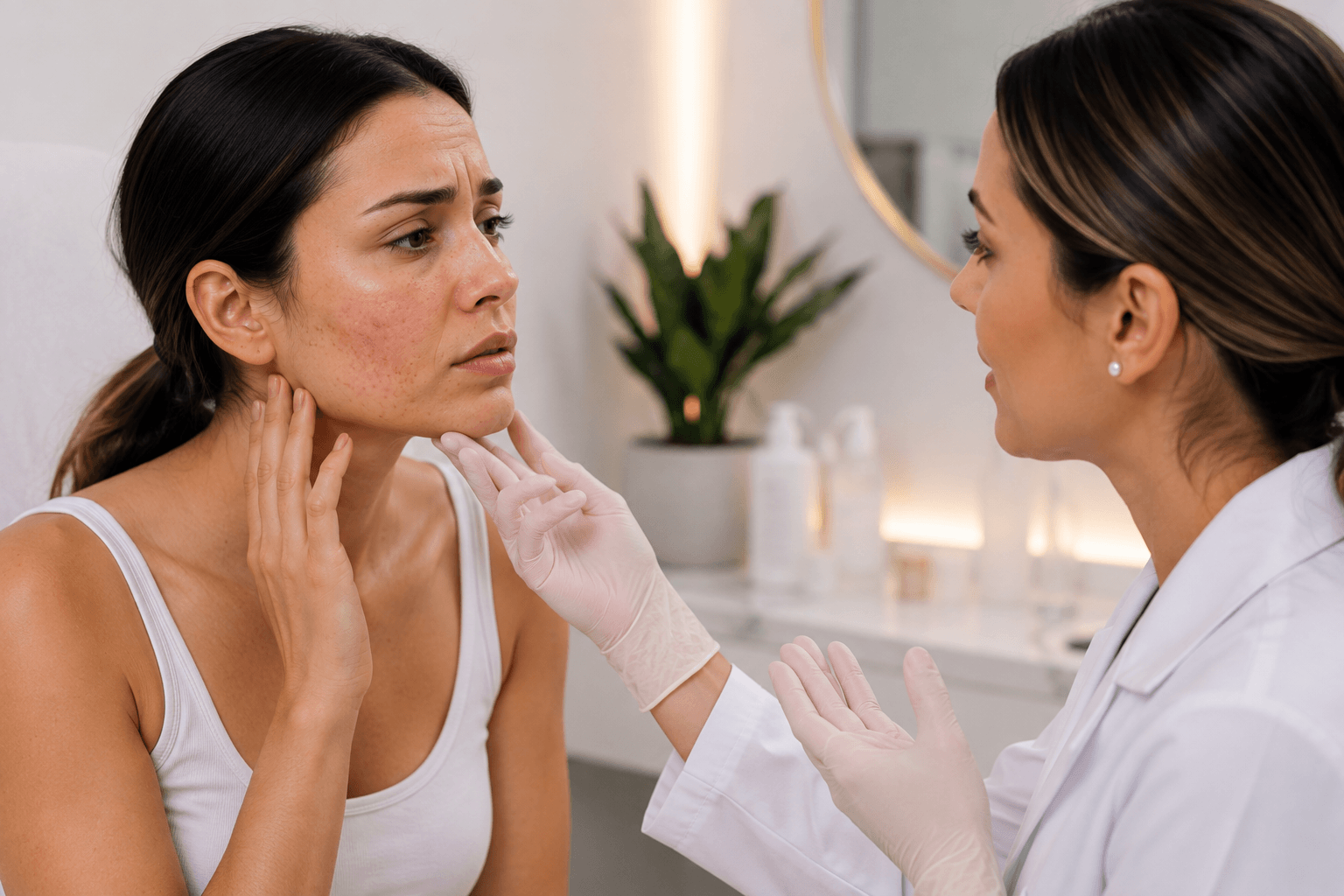
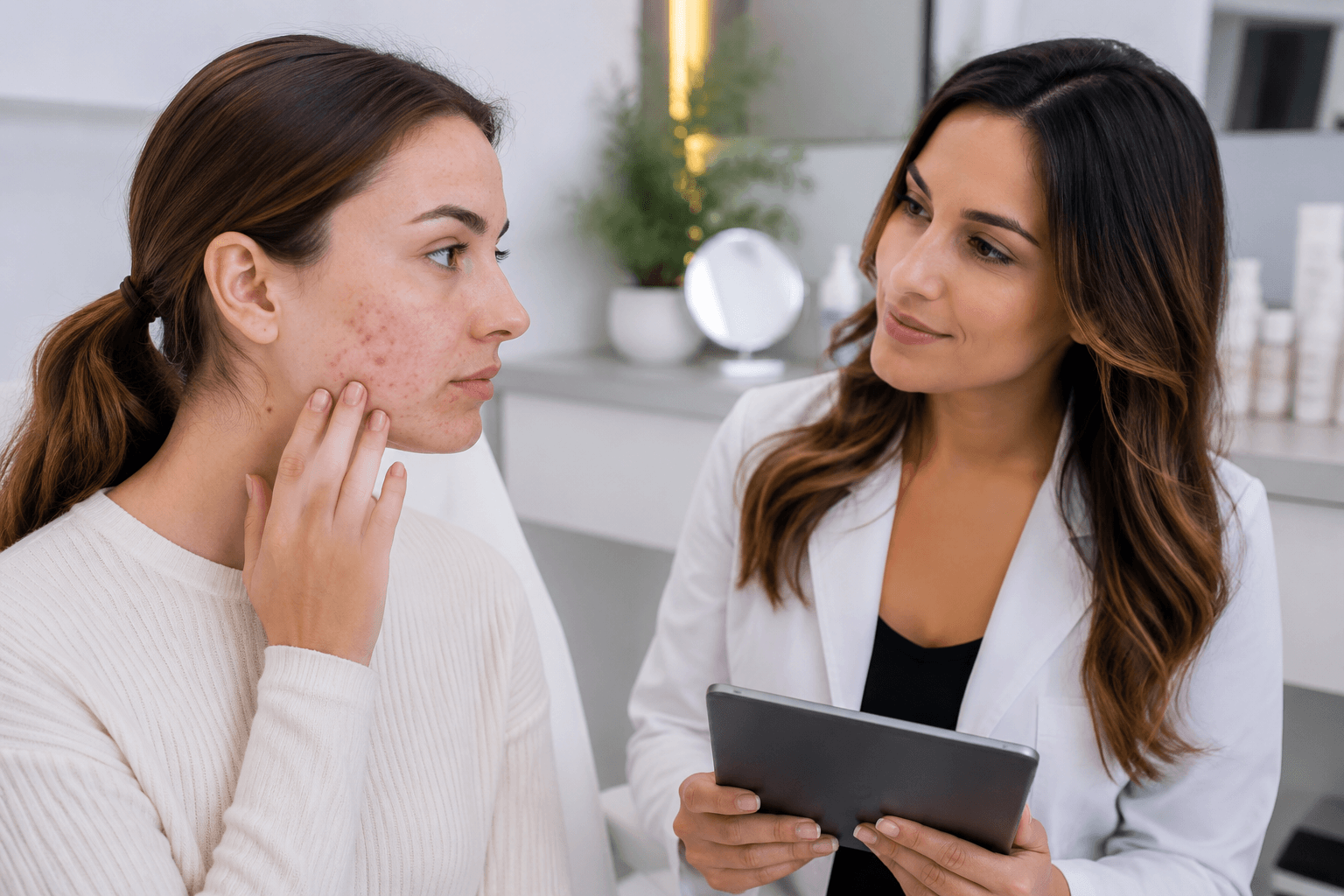
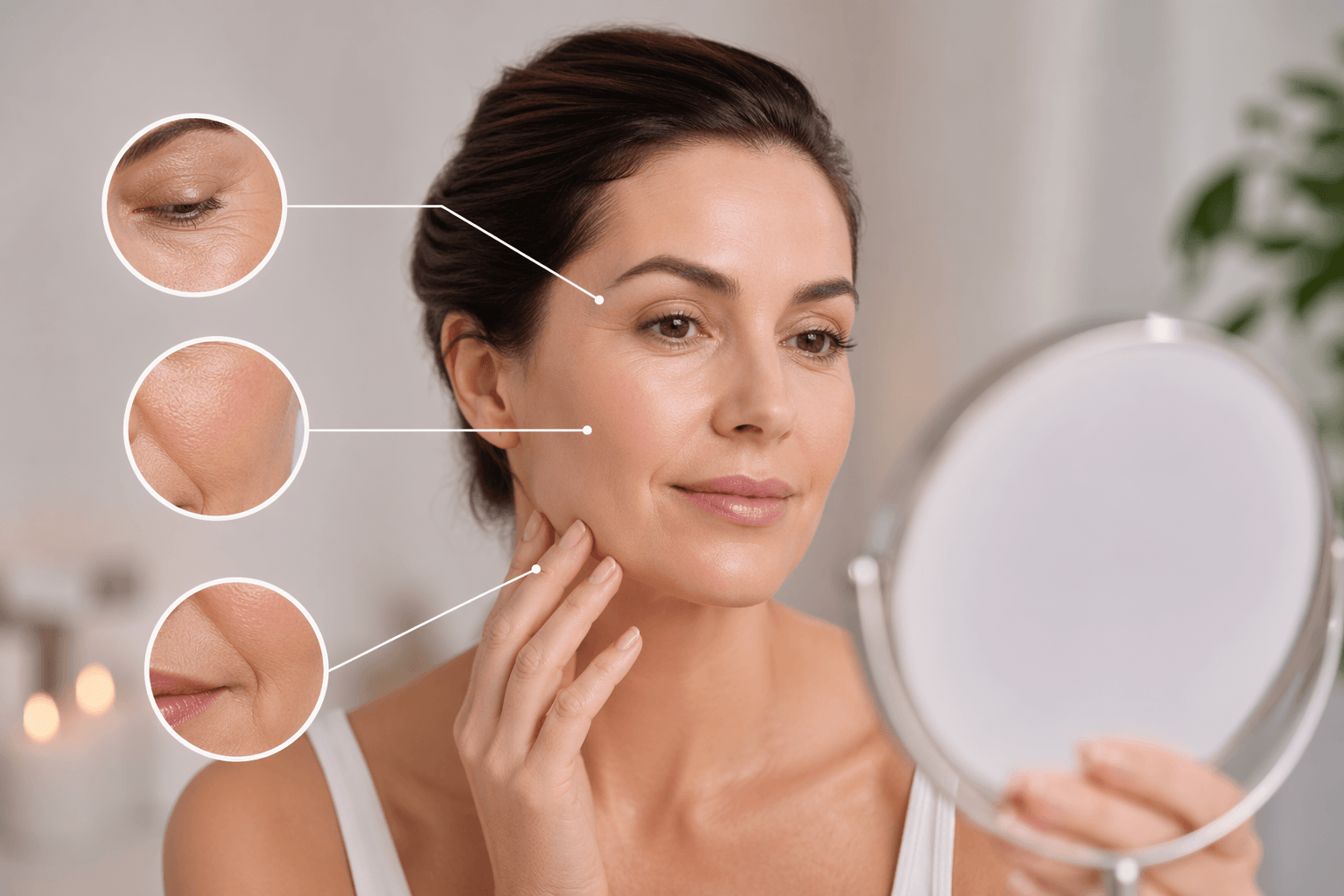
Teenage acne tends to show up across the forehead, nose, and cheeks, driven largely by surging hormones during puberty. Adult acne, on the other hand, often clusters along the jawline, chin, and lower cheeks, and it's frequently tied to hormonal fluctuations related to menstrual cycles, stress, or underlying conditions like PCOS.
Stress raises cortisol levels, which in turn increases oil production in the skin. More oil means more clogged pores, and more clogged pores means more inflammation. This is why so many people notice their skin gets worse during particularly demanding weeks at work or stressful life transitions.
Heavy, pore clogging ingredients in makeup, moisturizers, or hair products can quietly contribute to ongoing congestion, especially around the hairline and jaw. Over-exfoliating in an attempt to "fix" acne can also backfire, damaging the skin barrier and triggering more oil production as a defense response.
Not all breakouts are the same, and treating them effectively starts with knowing what you're actually dealing with.
These form when oil and dead skin cells clog a pore that remains open at the surface, oxidizing and turning dark. They're common around the nose, chin, and forehead and often respond well to consistent exfoliation and professional extractions.
Deeper, more painful breakouts happen when bacteria becomes trapped beneath the surface, triggering a stronger immune response. This type of acne is more likely to lead to scarring if left untreated and generally needs a more targeted treatment plan than surface level products can provide.
If your breakouts consistently appear in the same lower face pattern and seem to intensify around your cycle, hormonal fluctuation is likely playing a significant role.
A few pimples here and there might resolve on their own, but certain signs suggest it's time for professional support.
Once acne starts leaving behind dark spots or textured scarring, waiting usually allows more damage to accumulate. Early intervention gives skin the best chance at a smooth recovery.
If you've consistently used drugstore treatments for several months without improvement, it's a sign your skin needs a more customized approach than what's available off the shelf.
Acne isn't just a cosmetic concern. Persistent breakouts can genuinely affect how comfortable you feel in your own skin, and that alone is a valid reason to seek treatment.
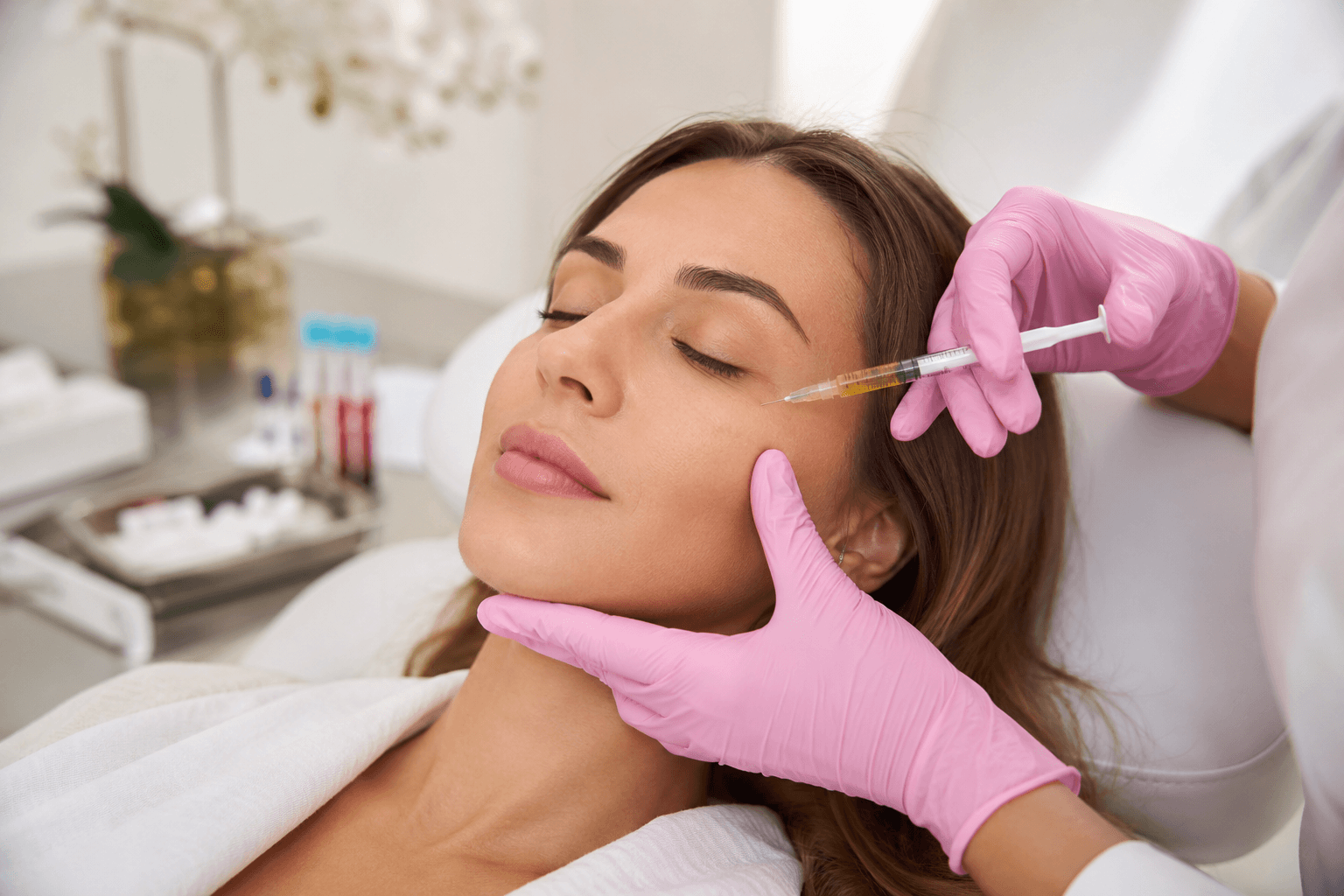
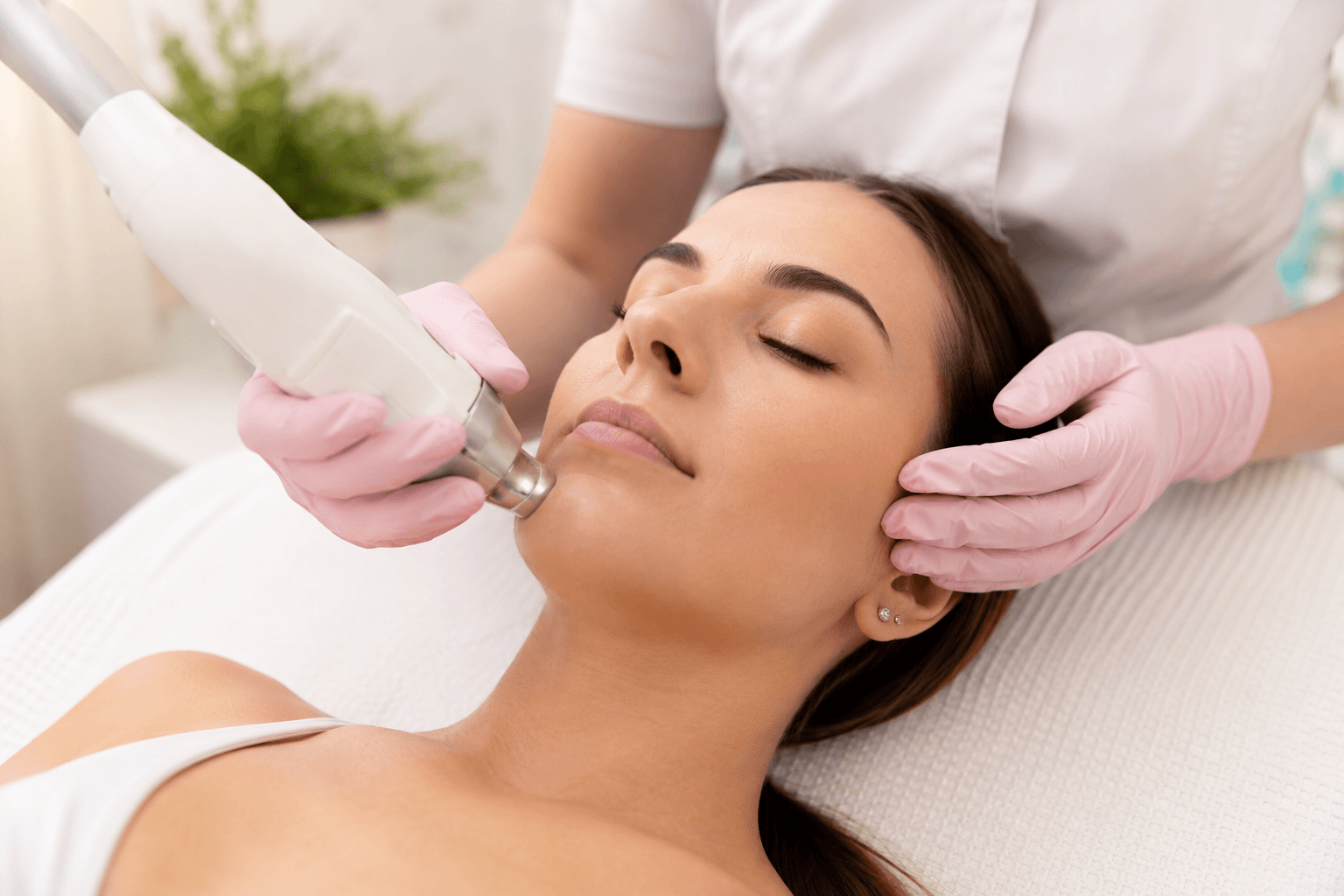
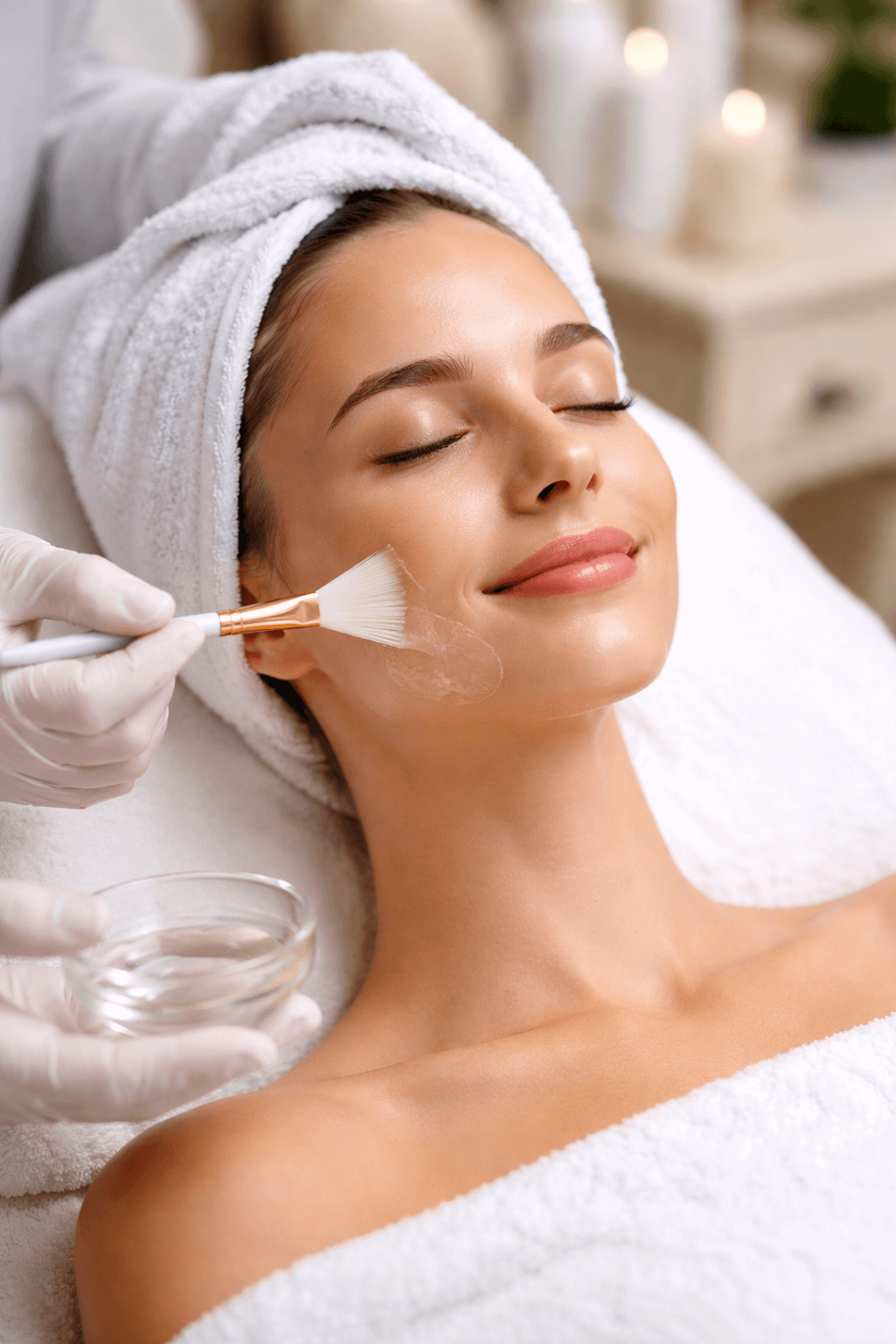
At ABA Aesthetics Medspa, we approach acne treatments as a combination of addressing current breakouts and preventing future ones. Depending on your skin's specific needs, this can include customized chemical peels to clear congestion and fade discoloration, professional grade extractions, and skincare guidance built around ingredients that actually work for your skin type rather than generic advice.
A chemical peel accelerates the shedding of dead skin cells and helps clear the debris that clogs pores in the first place. For many clients, a series of peels reduces both active breakouts and the discoloration left behind afterward.
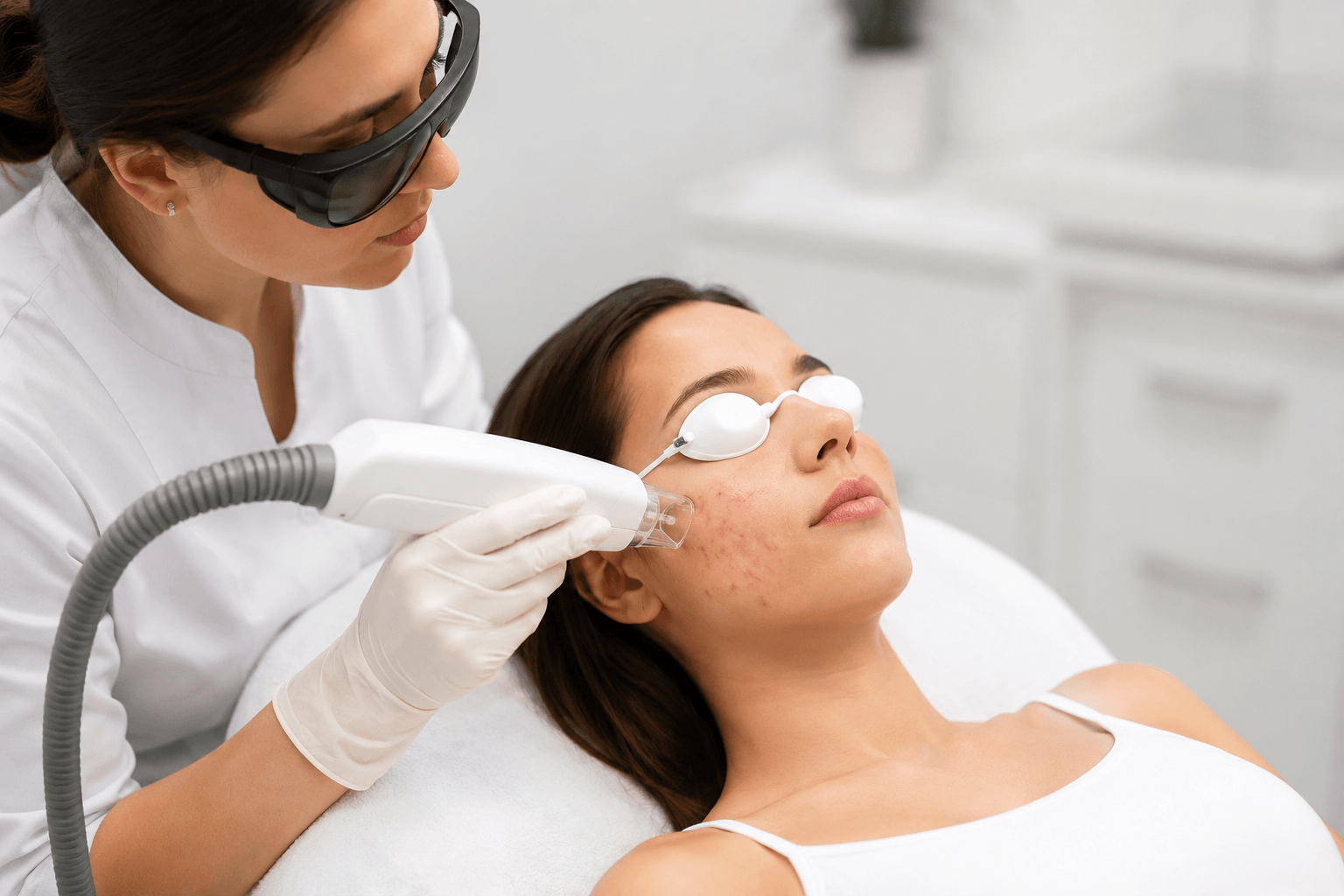
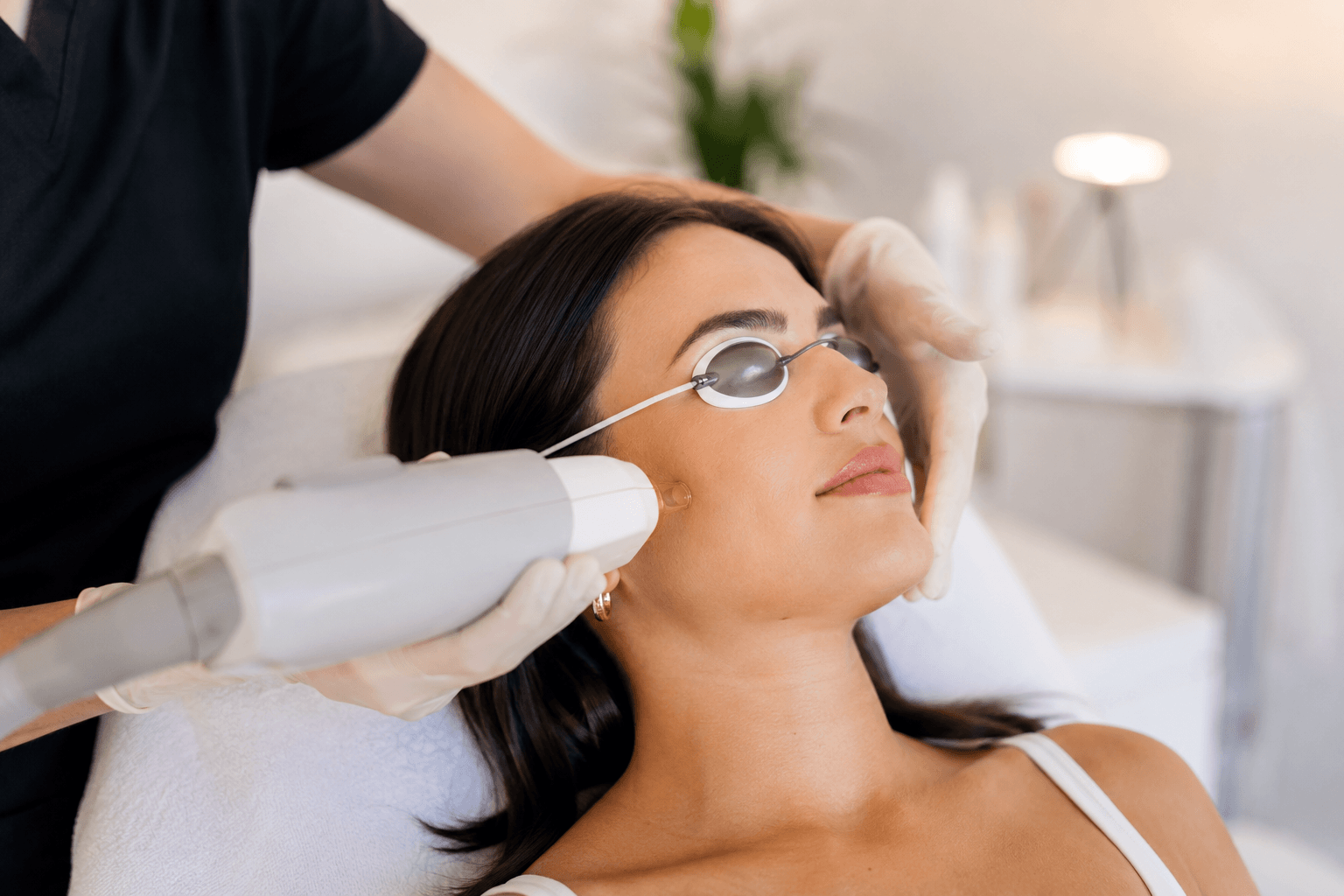
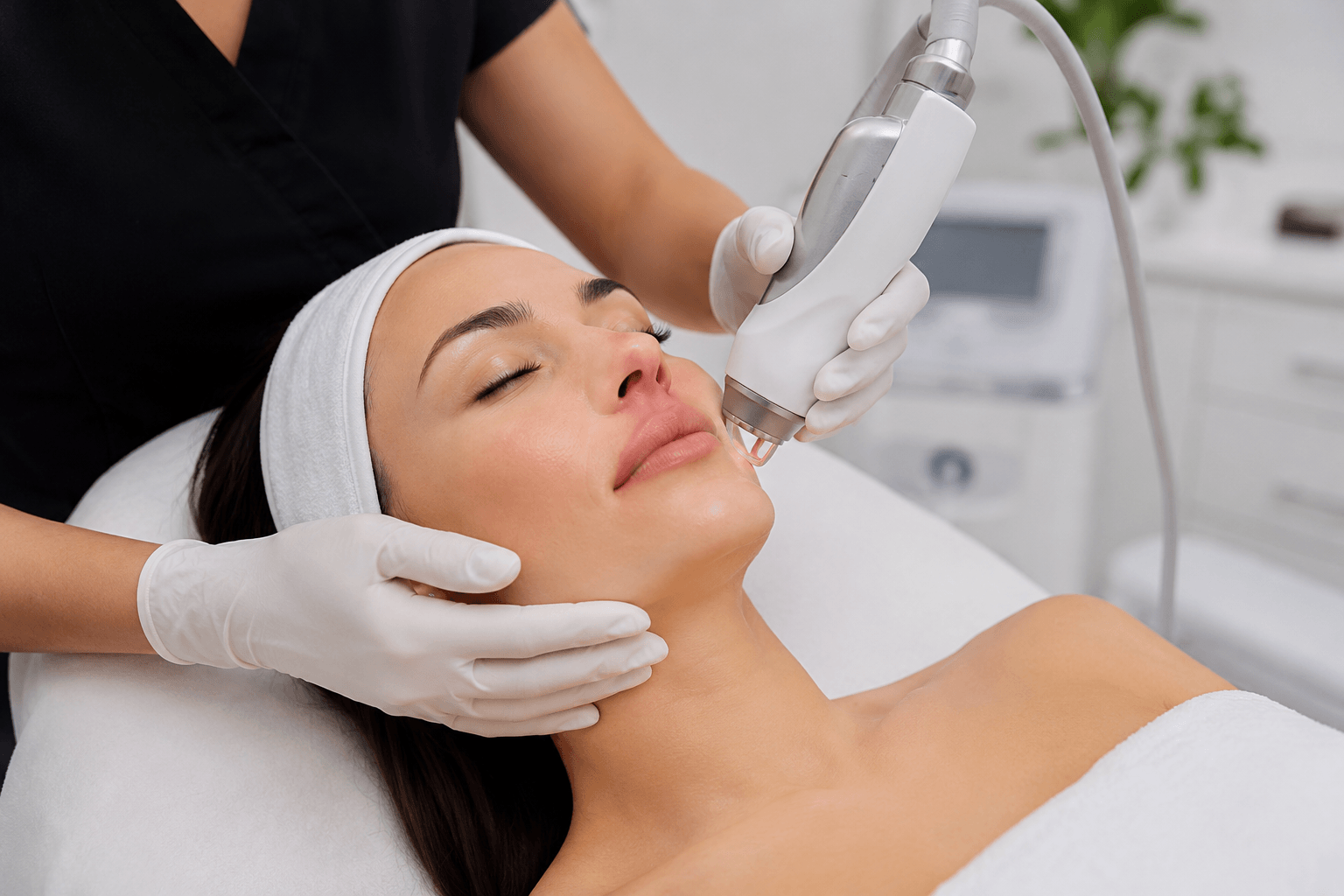
Textured scarring from past breakouts often needs a different approach than active acne. Treatments that encourage collagen renewal, such as targeted resurfacing, tend to be more effective for improving the appearance of existing scars.
Skin that's finally clear can quickly relapse if products are switched too often or a routine becomes inconsistent. Simplicity and consistency go a long way in maintaining results.
If stress, diet, or hormonal shifts are contributing factors, working with your treatment provider to address those alongside topical care leads to more lasting results than treating breakouts in isolation.
Periodic professional treatments, even after your skin clears, help manage oil production and prevent the kind of buildup that leads to new breakouts.
North Texas summers bring heavy humidity and heat, both of which increase oil production and sweat, a combination that can worsen acne for people who are already prone to breakouts. Many of our Rockwall clients notice their skin acts up more in the warmer months, which is worth factoring into any long-term treatment plan.
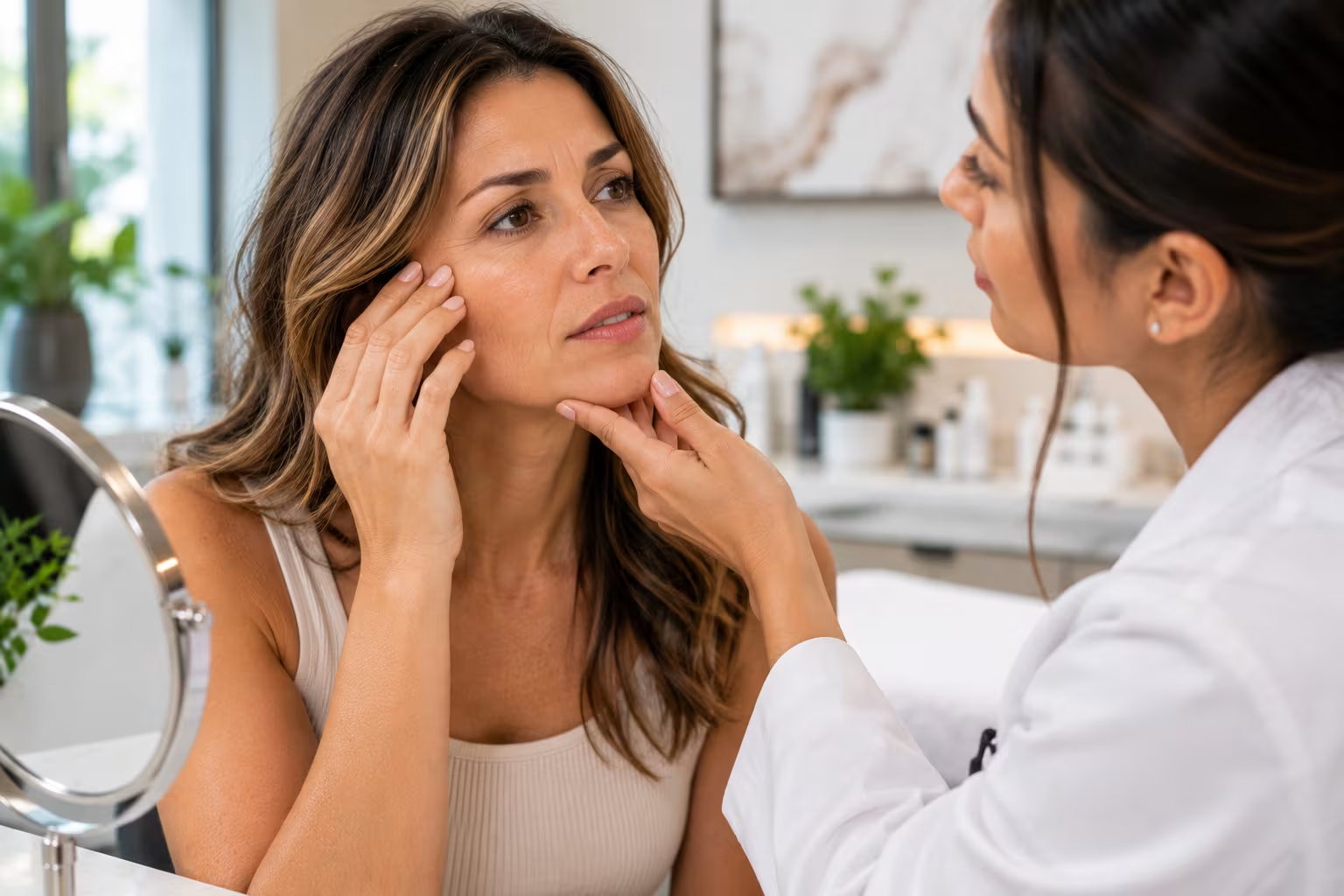
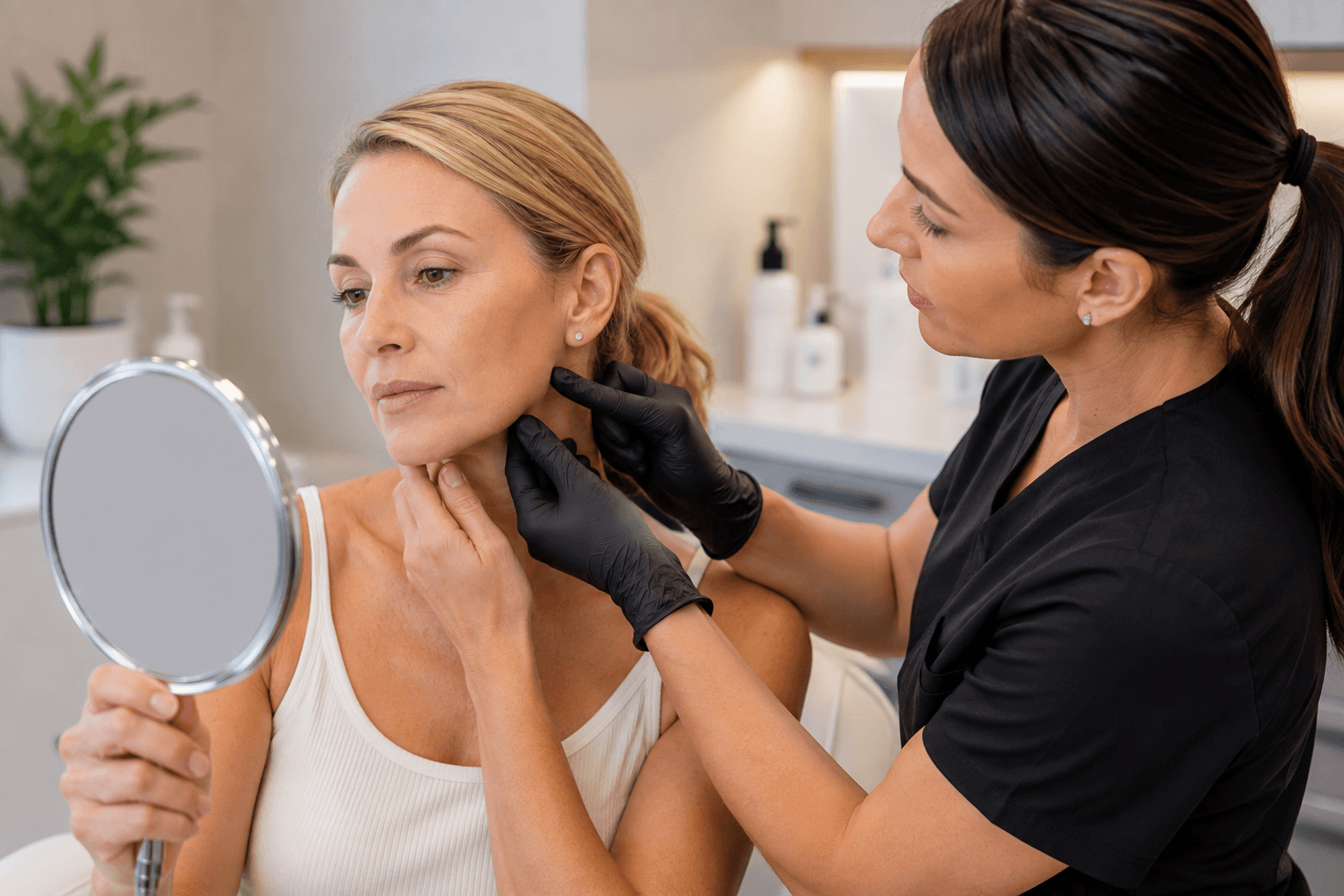
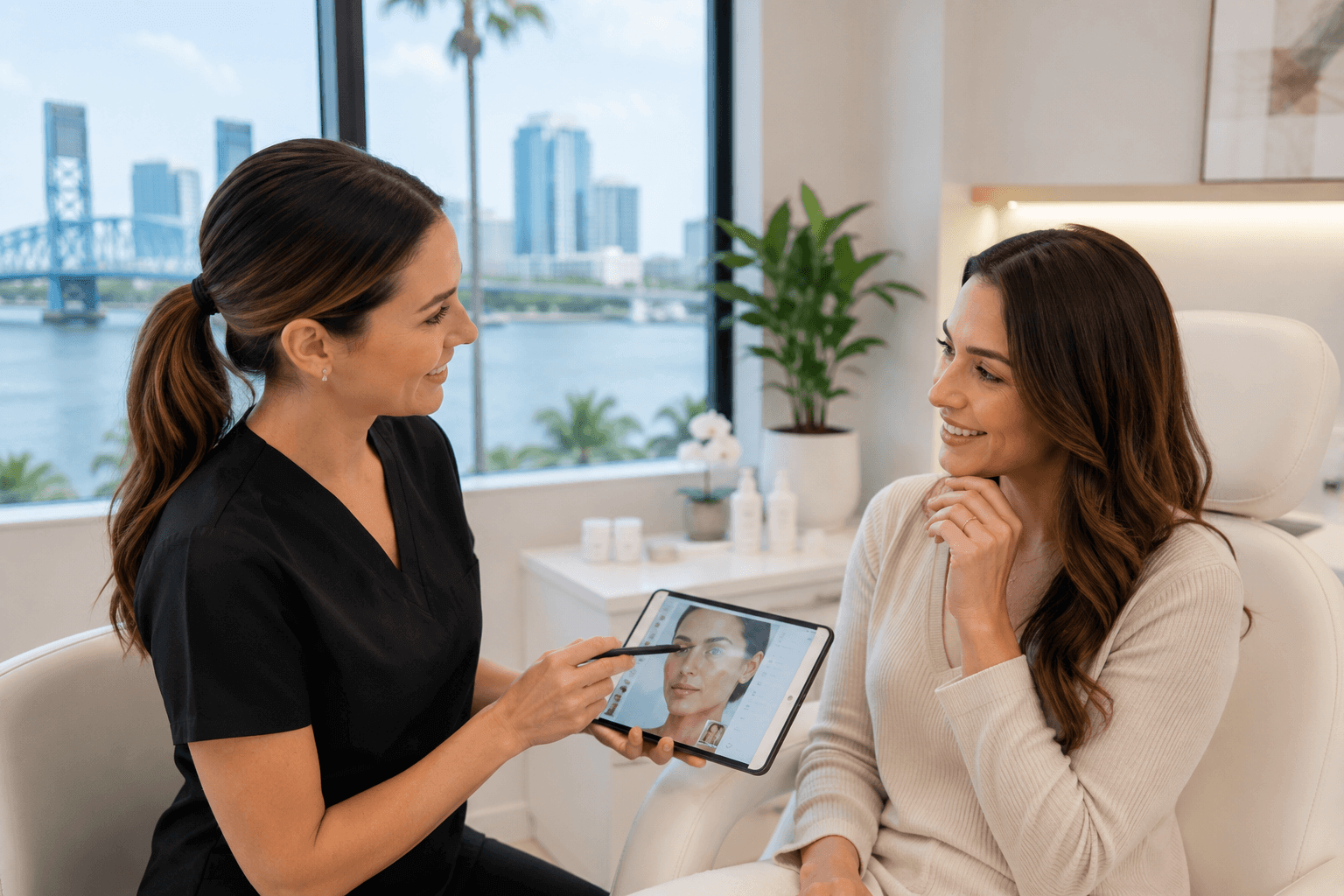
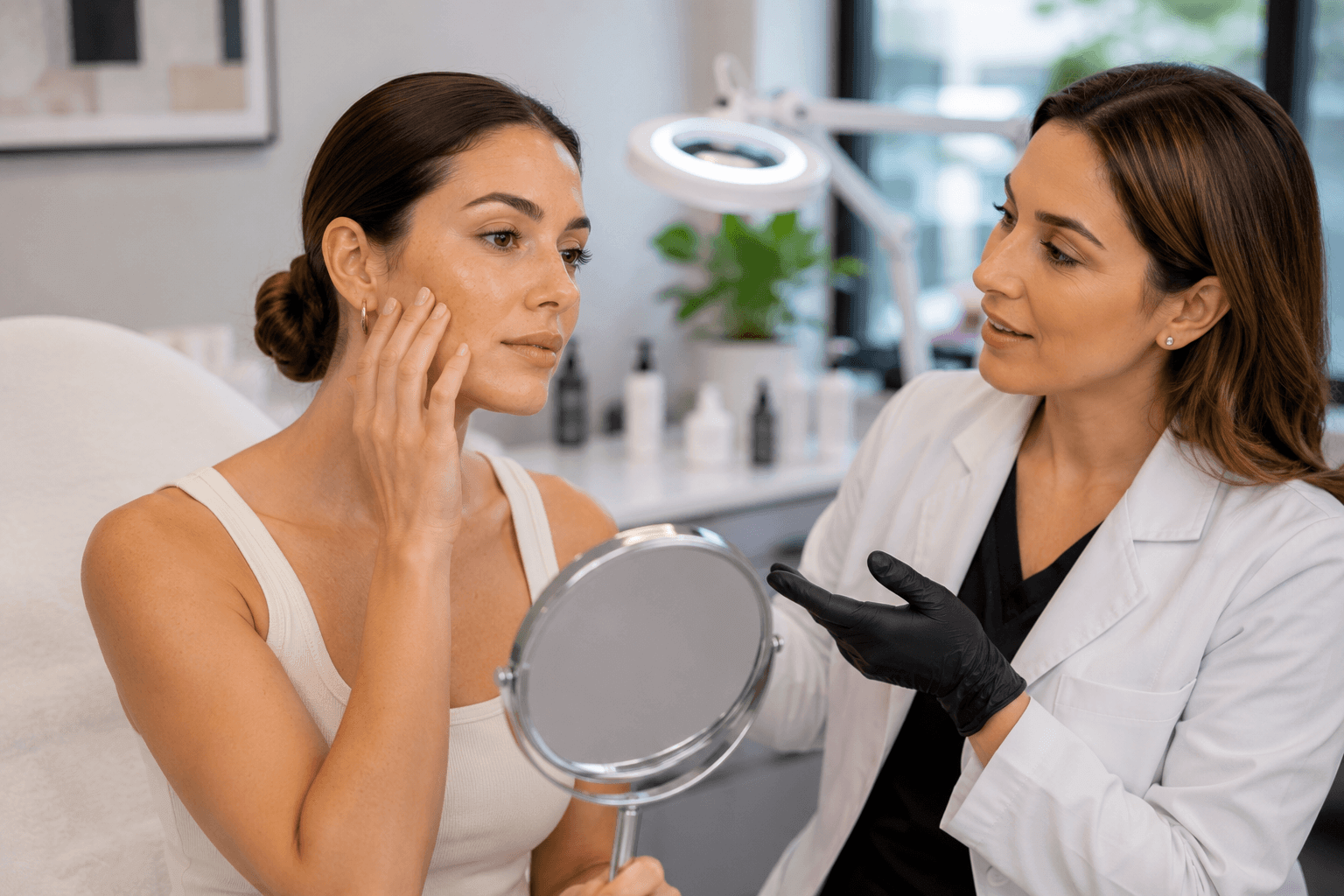
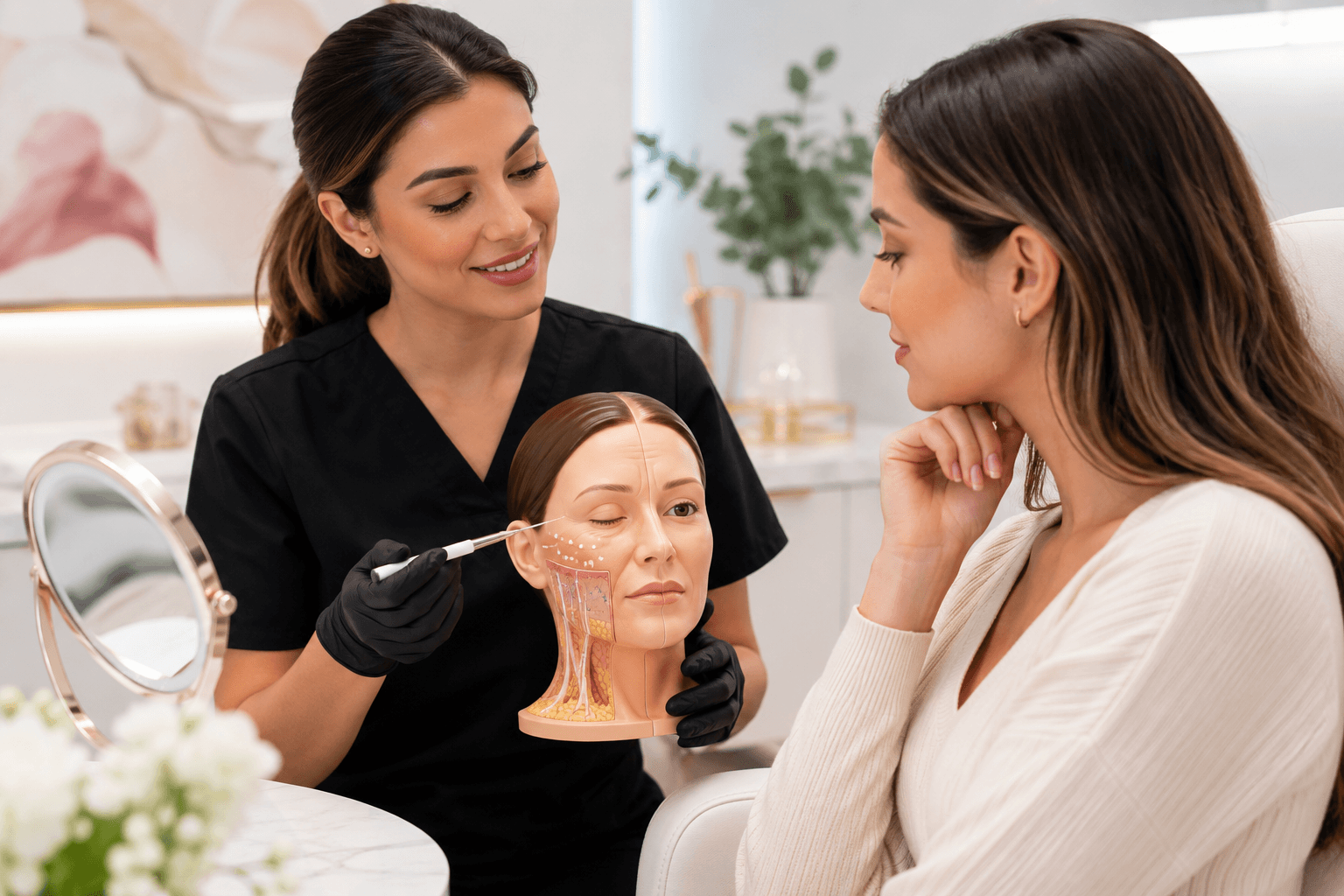
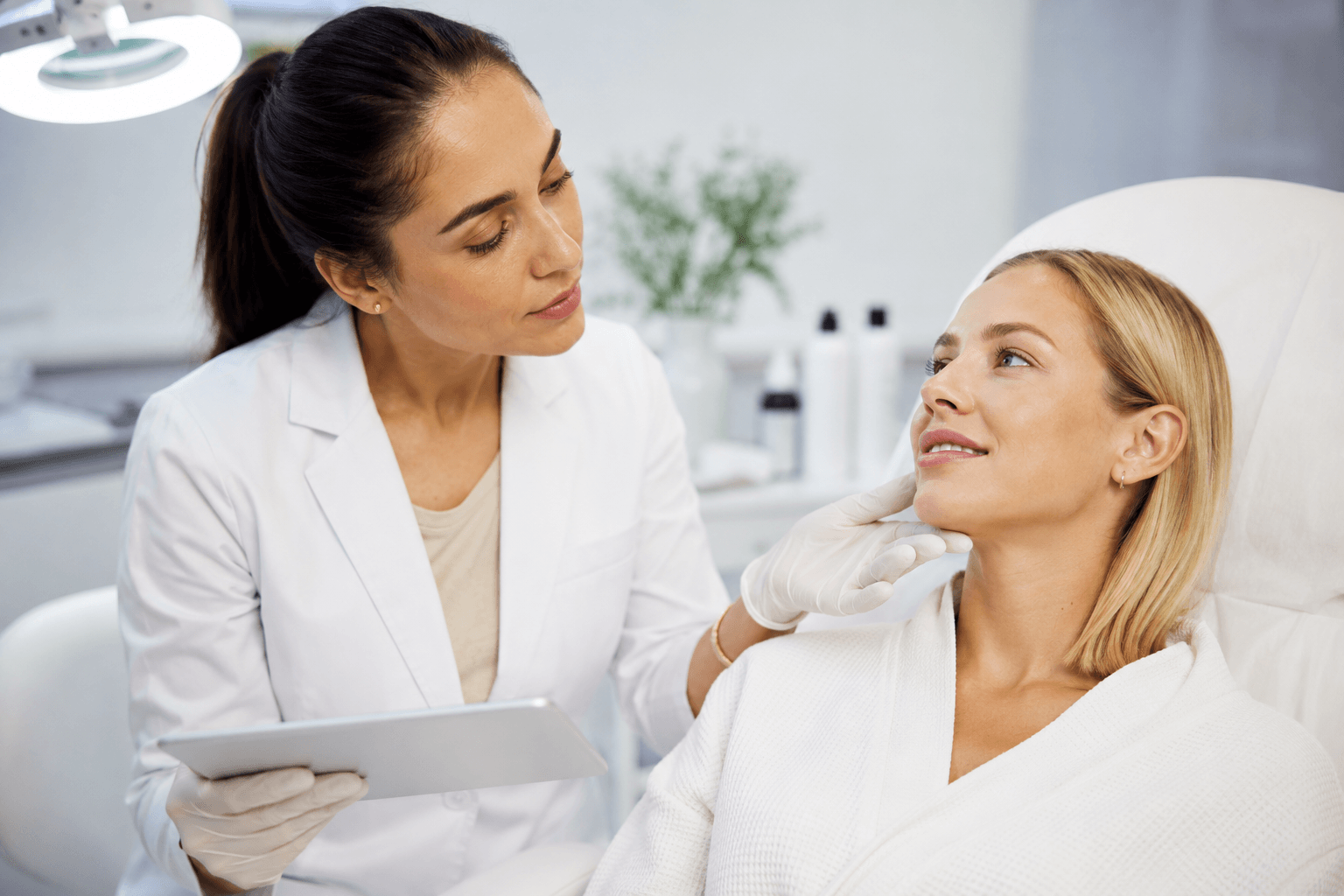
Adult acne can feel discouraging, especially after trying so many things on your own. But breakouts almost always have an identifiable cause, and once that cause is addressed properly, clearer skin becomes a realistic outcome rather than a hopeful guess. At ABA Aesthetics Medspa in Rockwall, TX, our team will evaluate your skin, talk through your history, and build a treatment plan around your actual skin, not a generic protocol. Browse our full list of services or explore how a chemical peel can support your skin goals. When you're ready to stop guessing, reach out to schedule a consultation.
Why is my acne worse now than it was as a teenager? Adult acne is often driven by hormonal fluctuation, stress, and lifestyle factors rather than the same causes behind teenage breakouts, which is why it can show up later in life even if your skin was clear for years.
Can acne treatments help with acne scars too? Yes, though active breakouts and existing scarring are often treated with different approaches, so it helps to discuss both concerns during your consultation.
How long does it take to see results from professional acne treatments? Many clients notice improvement within a few weeks, though a full treatment plan spanning several sessions typically produces the most lasting results.
Is professional acne treatment safe for sensitive or reactive skin? Yes, when the treatment plan is customized appropriately, which is why an in-person evaluation matters before starting any protocol.
Do I need to stop wearing makeup during treatment? Not necessarily, though your provider may suggest temporary adjustments depending on the specific treatment and how your skin responds.

.png)

































.jpg)





.jpg)
.jpg)


