

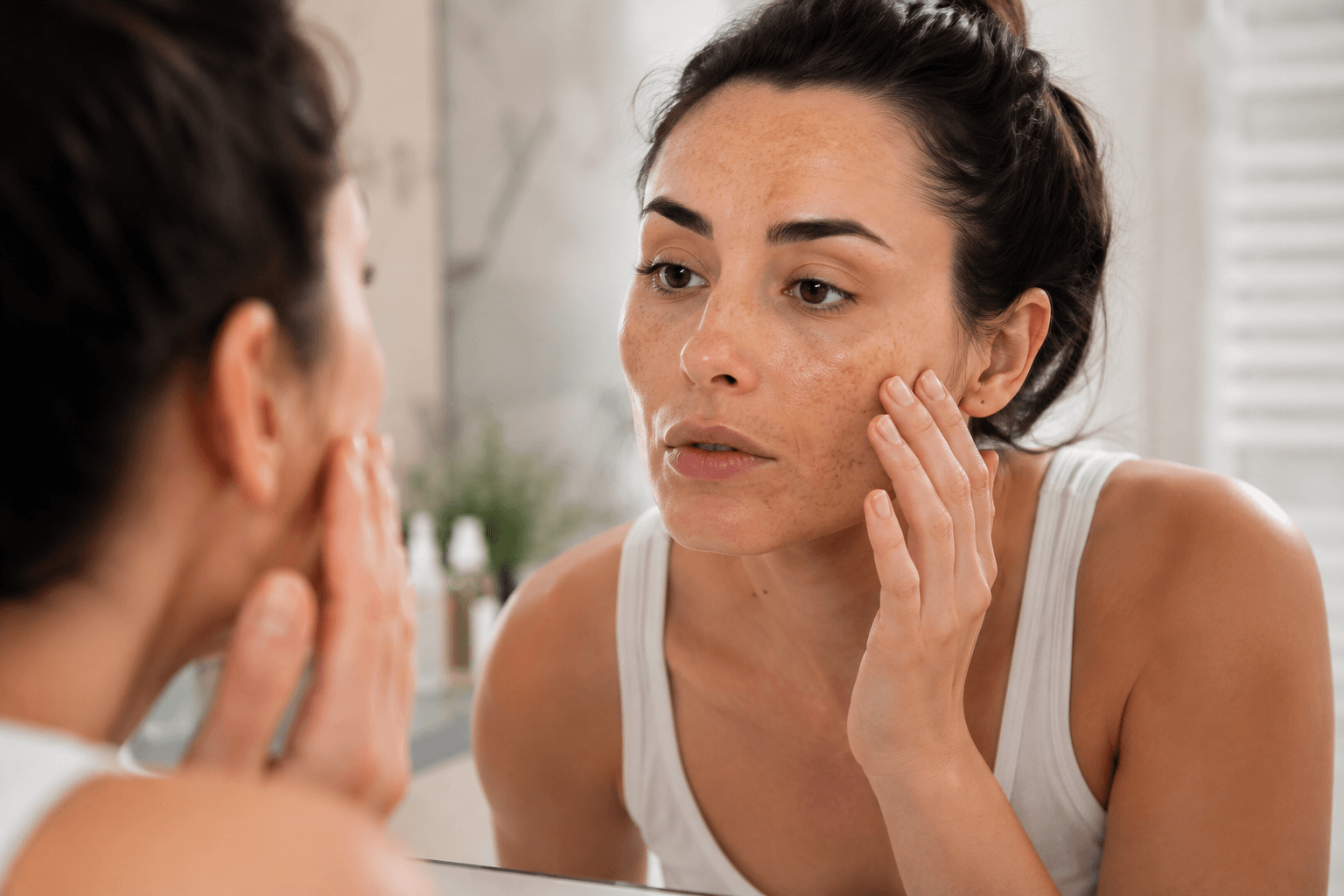
This information reflects our current treatment approach at ABA Aesthetics Medspa, updated for August 2026.
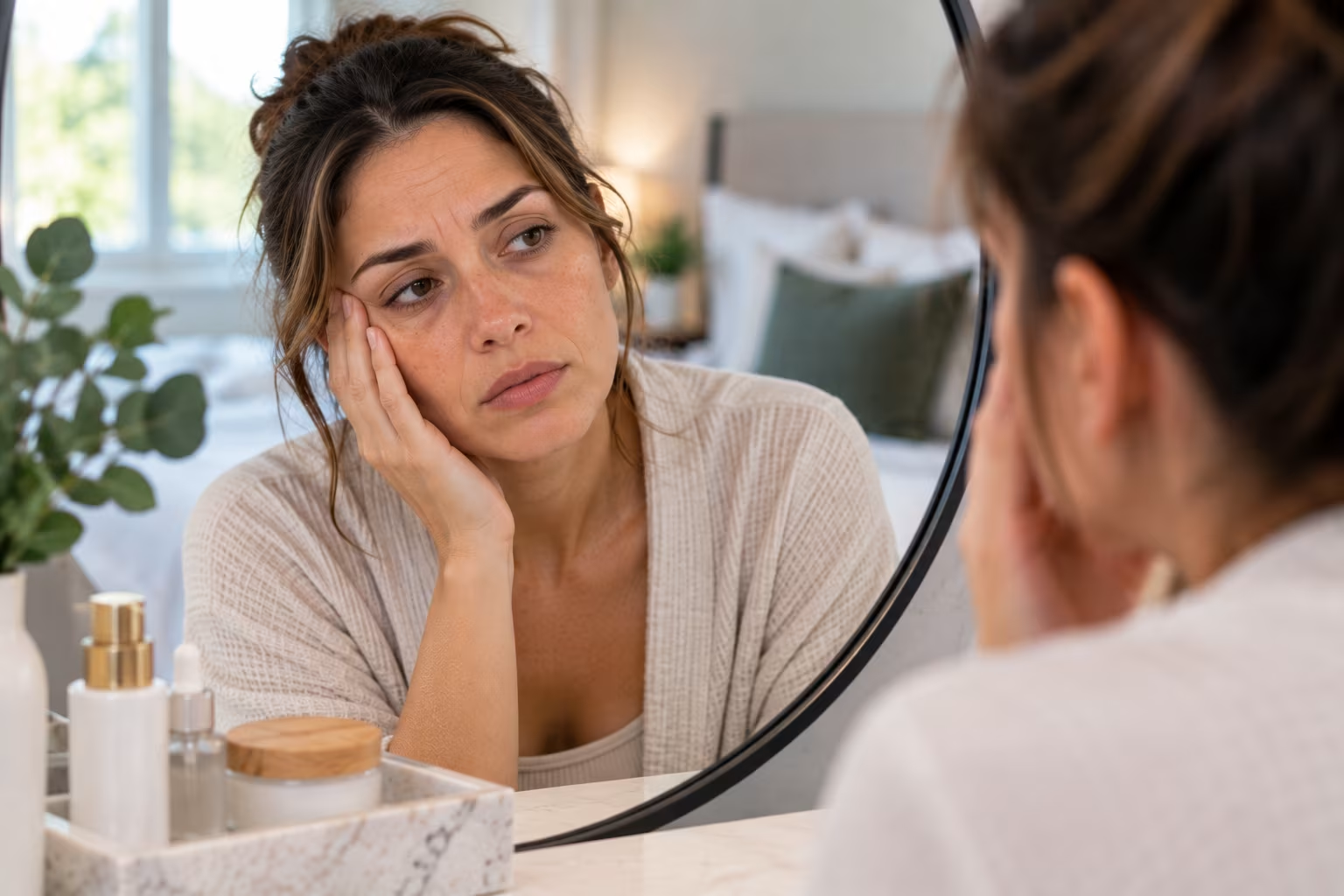
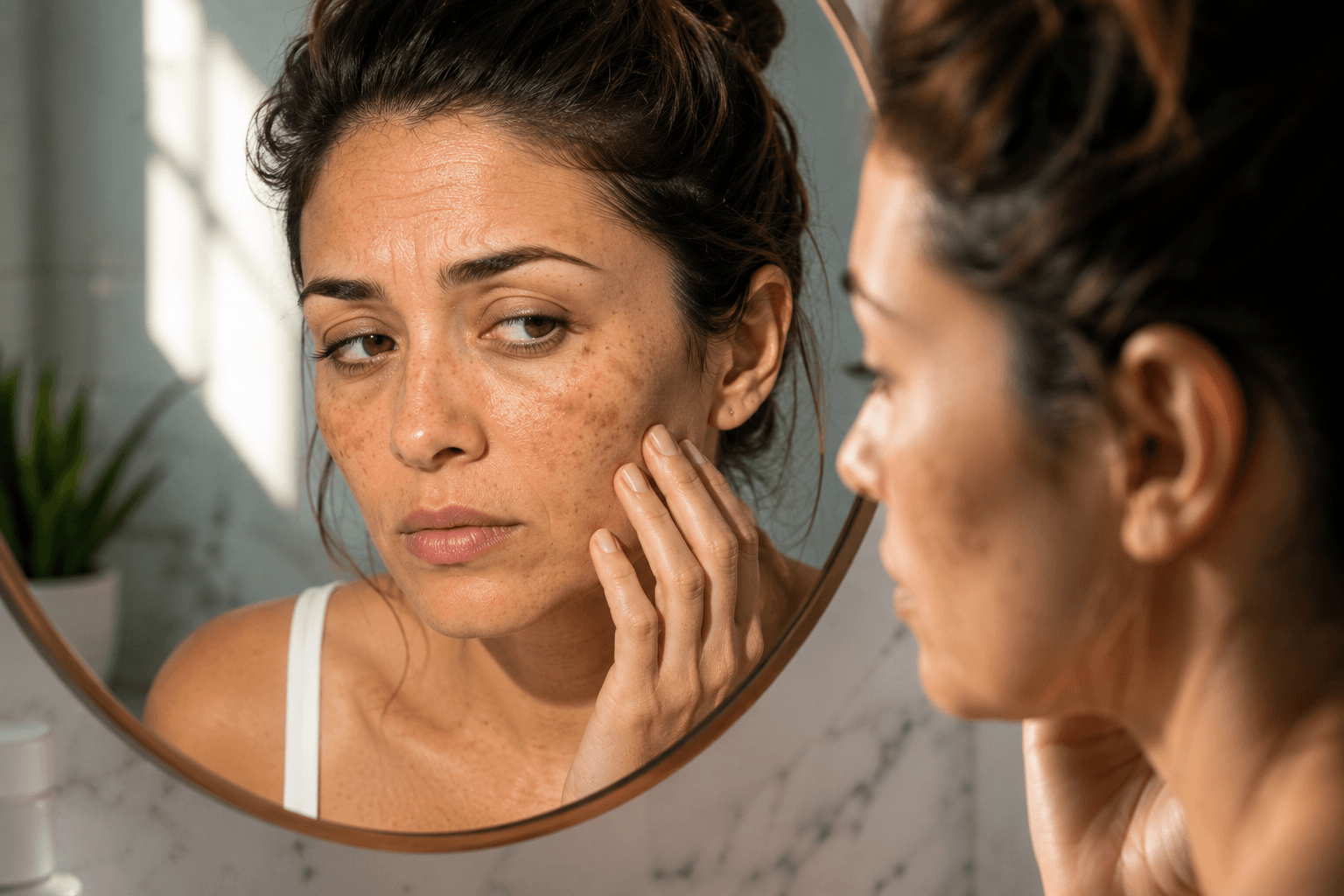
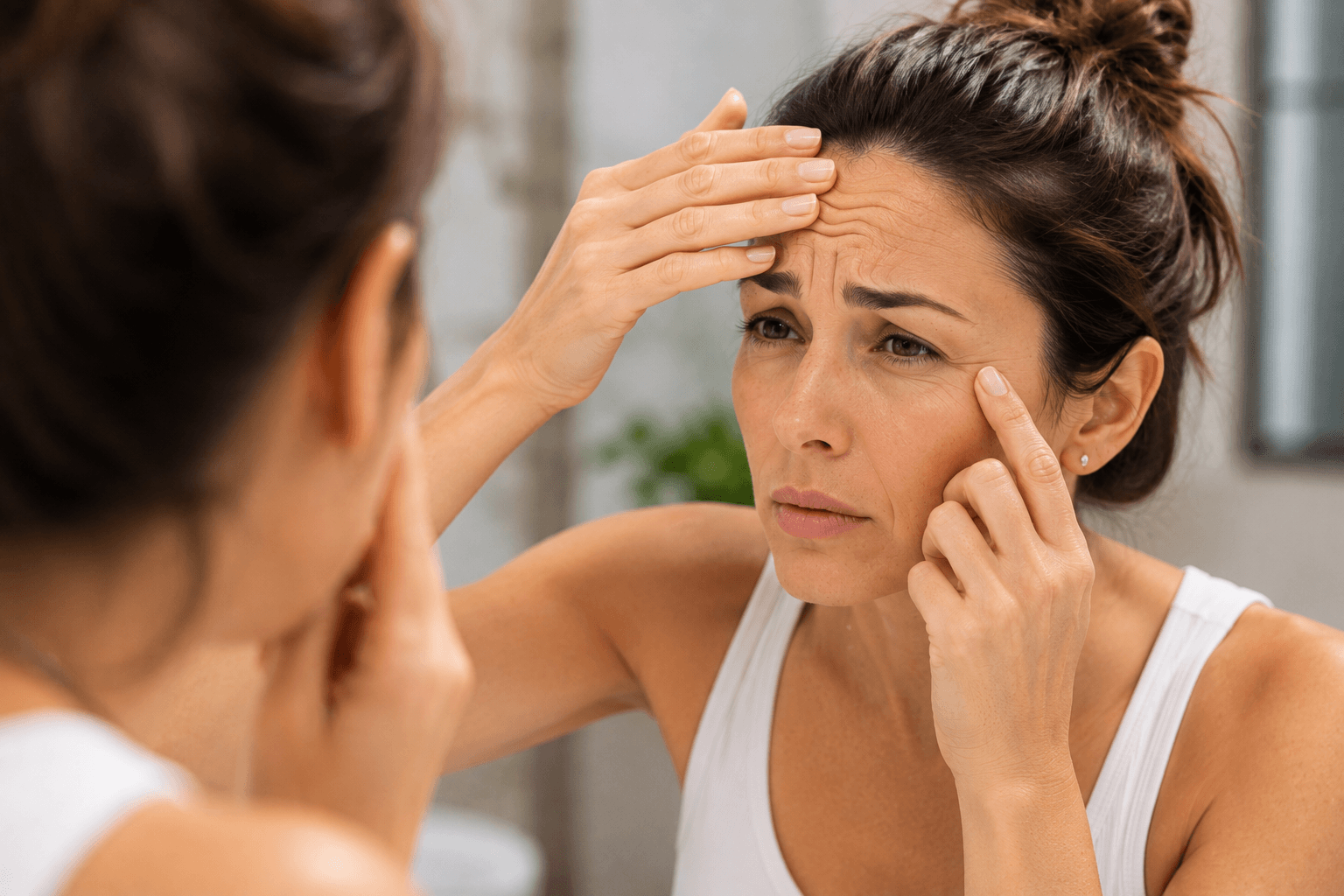
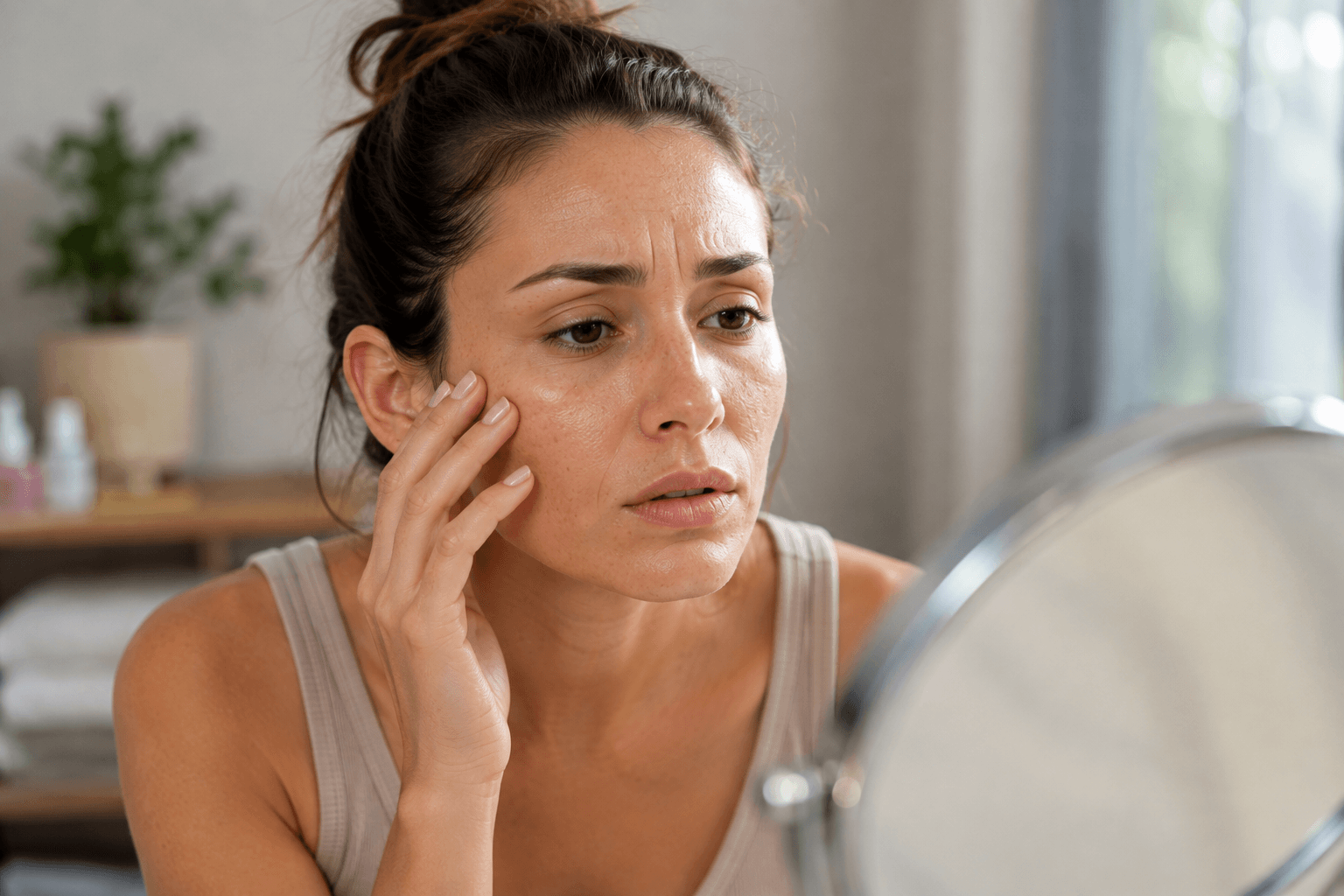
You wash your face every night, you wear sunscreen most days, and you still catch yourself staring in the mirror wondering why your skin looks tired, blotchy, or rougher than it used to feel. If that sounds familiar, you're not imagining it, and you're definitely not alone. Skin texture and tone change for real, identifiable reasons, and understanding those reasons is the first step toward fixing them.
At ABA Aesthetics Medspa in Rockwall, TX, we talk to people every week who describe the same frustrations in slightly different words. Dullness that no highlighter can fake. Patches of discoloration that seem to deepen every summer. A texture that used to feel smooth and now feels like sandpaper in certain spots. These are common, treatable concerns, and one of the most effective tools for addressing them is a chemical peel.
This guide walks through what's actually happening beneath the surface of your skin, why Rockwall's climate makes some of these issues worse, and how the right peel can reset your complexion without a long recovery.
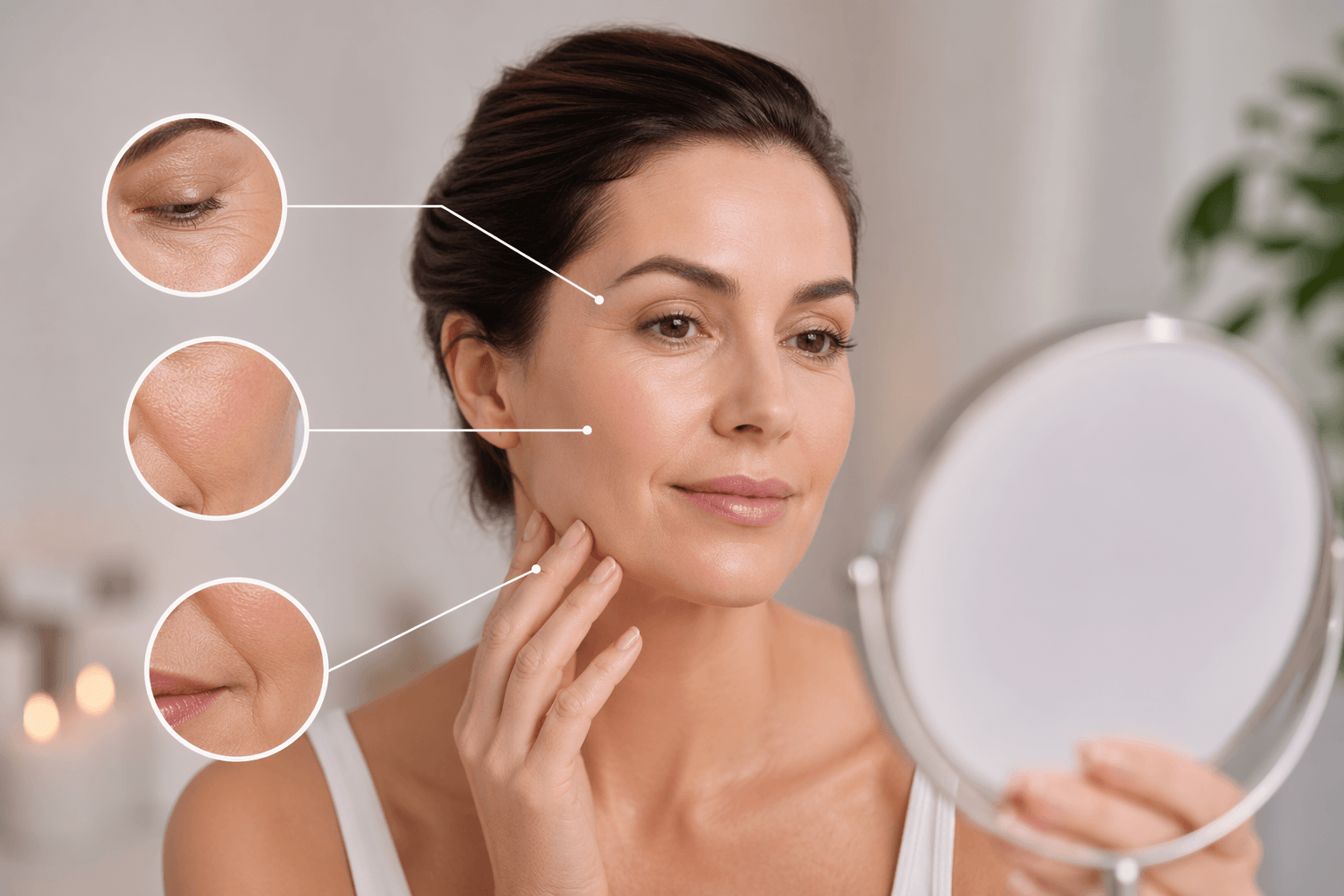
Dull, uneven skin usually comes down to a buildup problem. As we age, the natural shedding process that removes dead skin cells slows down significantly, sometimes by as much as 50 percent between our twenties and forties. Instead of flaking away on their own, those dead cells pile up on the surface, scattering light unevenly and creating that flat, lackluster appearance so many people notice.
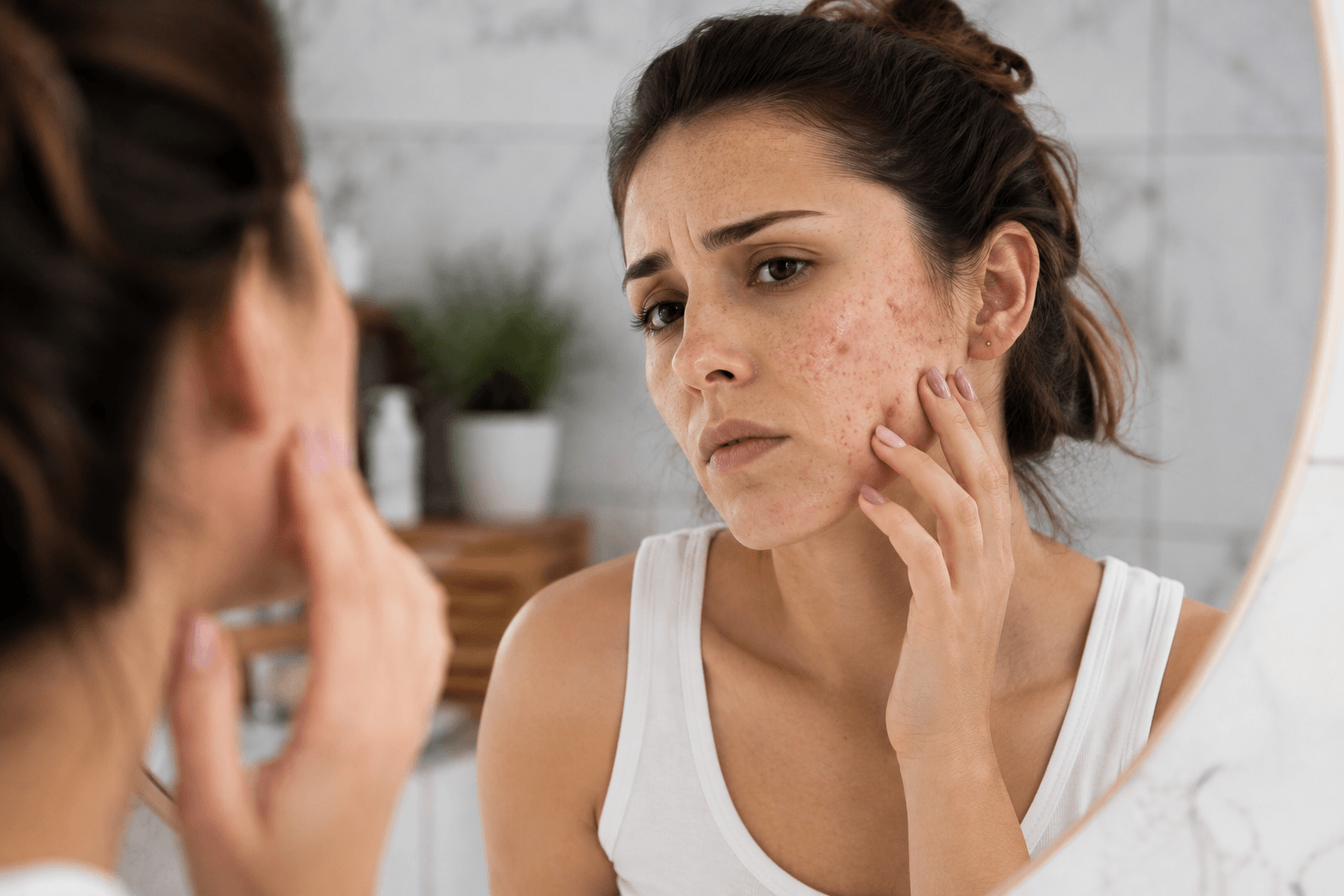
Texas sun is intense for most of the year, and cumulative UV exposure is one of the biggest contributors to uneven pigmentation. Ultraviolet rays trigger excess melanin production in some areas of the skin while leaving others untouched, which is how sunspots, melasma, and general blotchiness develop over time. Even consistent sunscreen use doesn't fully undo years of prior exposure, which is why so many Rockwall residents notice discoloration creeping in during their thirties and forties.
Hormonal shifts from pregnancy, birth control, or perimenopause can trigger melasma, a stubborn form of pigmentation that tends to resist typical over-the-counter brighteners. Genetics also play a role in how quickly your skin cell turnover slows and how prone you are to hyperpigmentation after even minor irritation or acne.
Not every skin concern calls for a peel, but certain patterns are strong indicators that your skin's natural exfoliation process needs professional support.
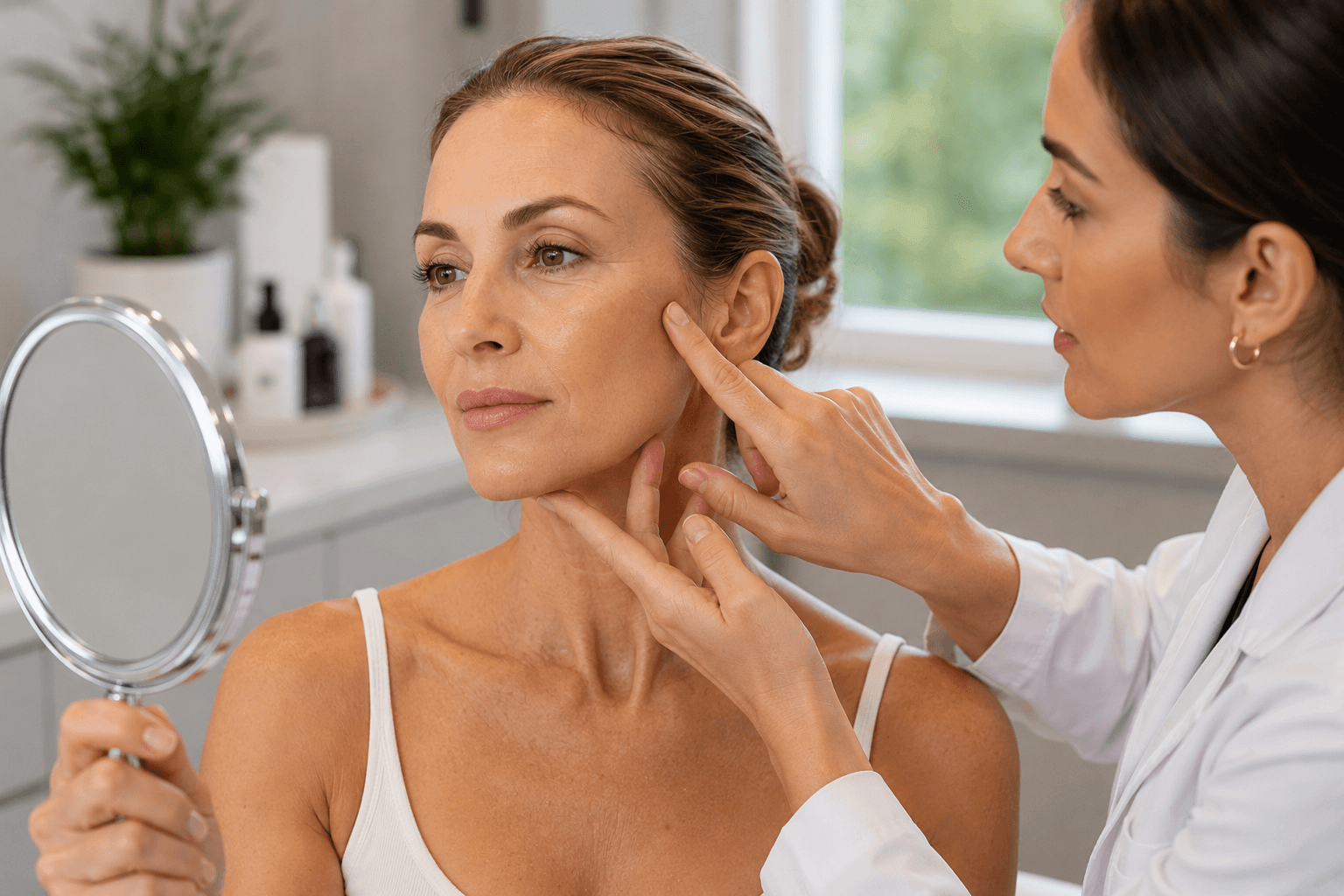
If your skin feels uneven to the touch, even after using scrubs or at-home retinol, the issue often sits deeper than surface products can reach. A peel works by encouraging controlled exfoliation at a level home care simply can't access, revealing smoother skin underneath.
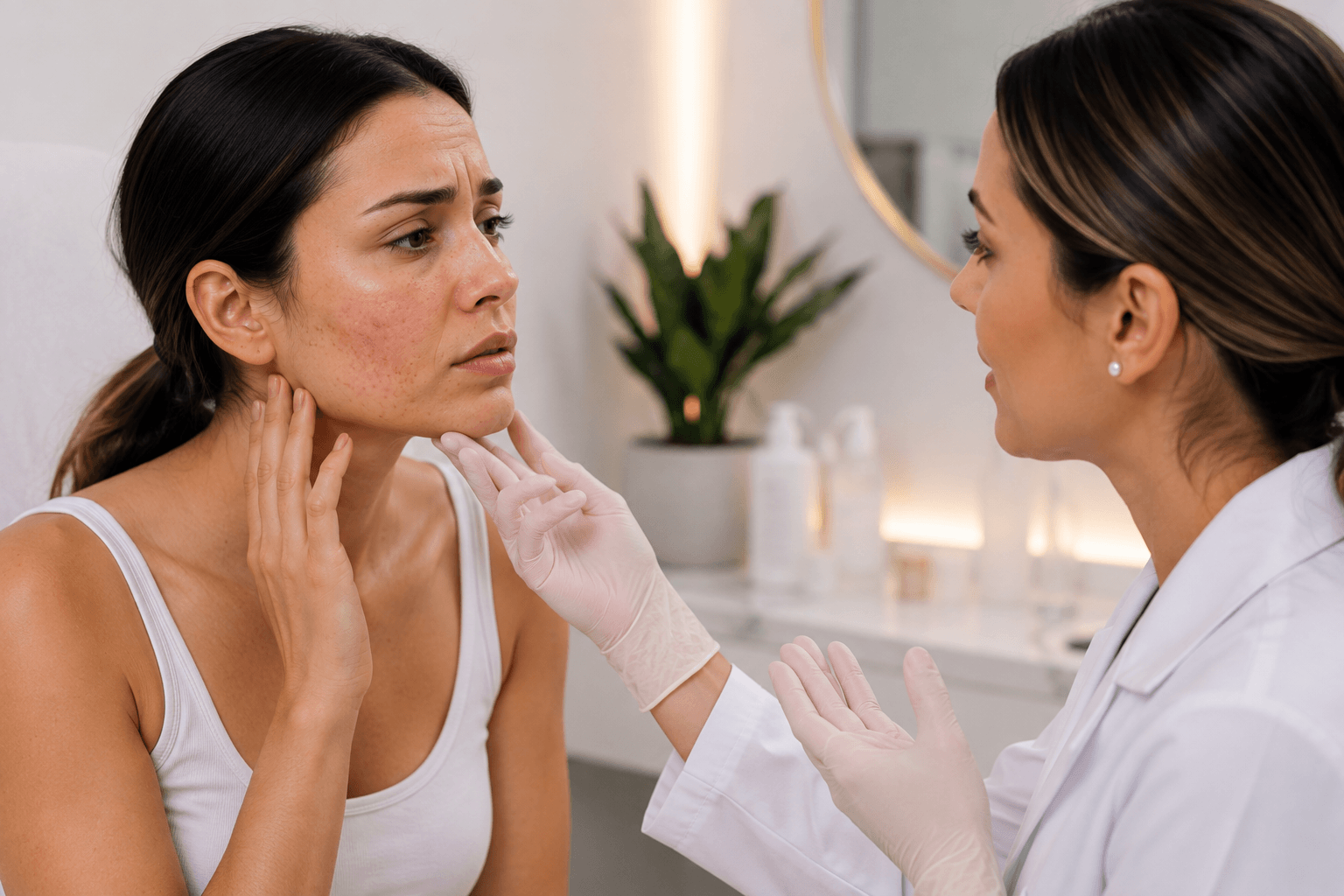
Hyperpigmentation that lingers for months, especially after sun exposure or a breakout, is one of the most common reasons people seek out a peel. By accelerating cell turnover, a peel helps fade these spots more evenly than waiting them out.
Sometimes the issue isn't fatigue at all. A layer of dead, dull skin can make even a well-rested face look flat and lifeless. Removing that layer often brings back a visible glow within days.
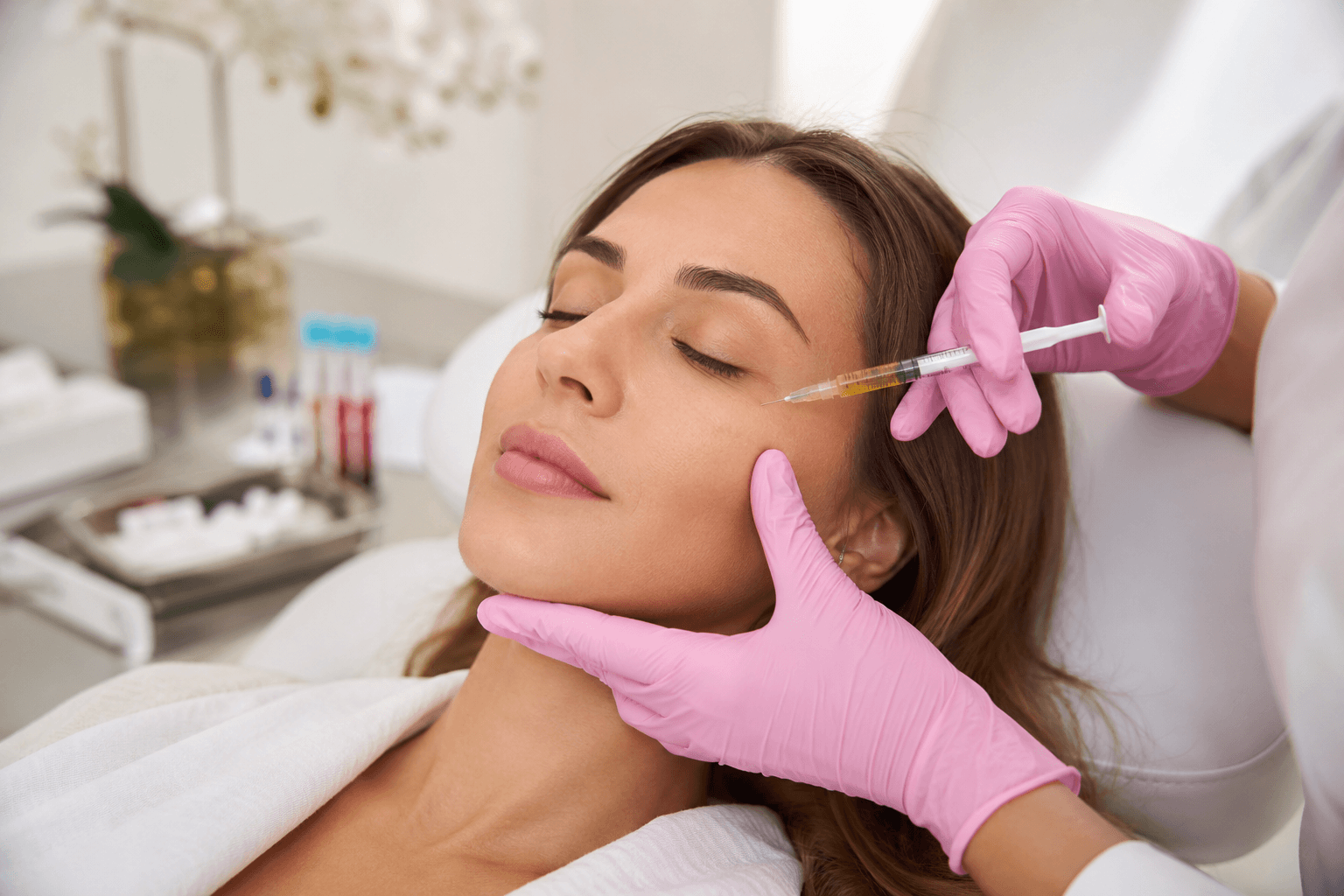
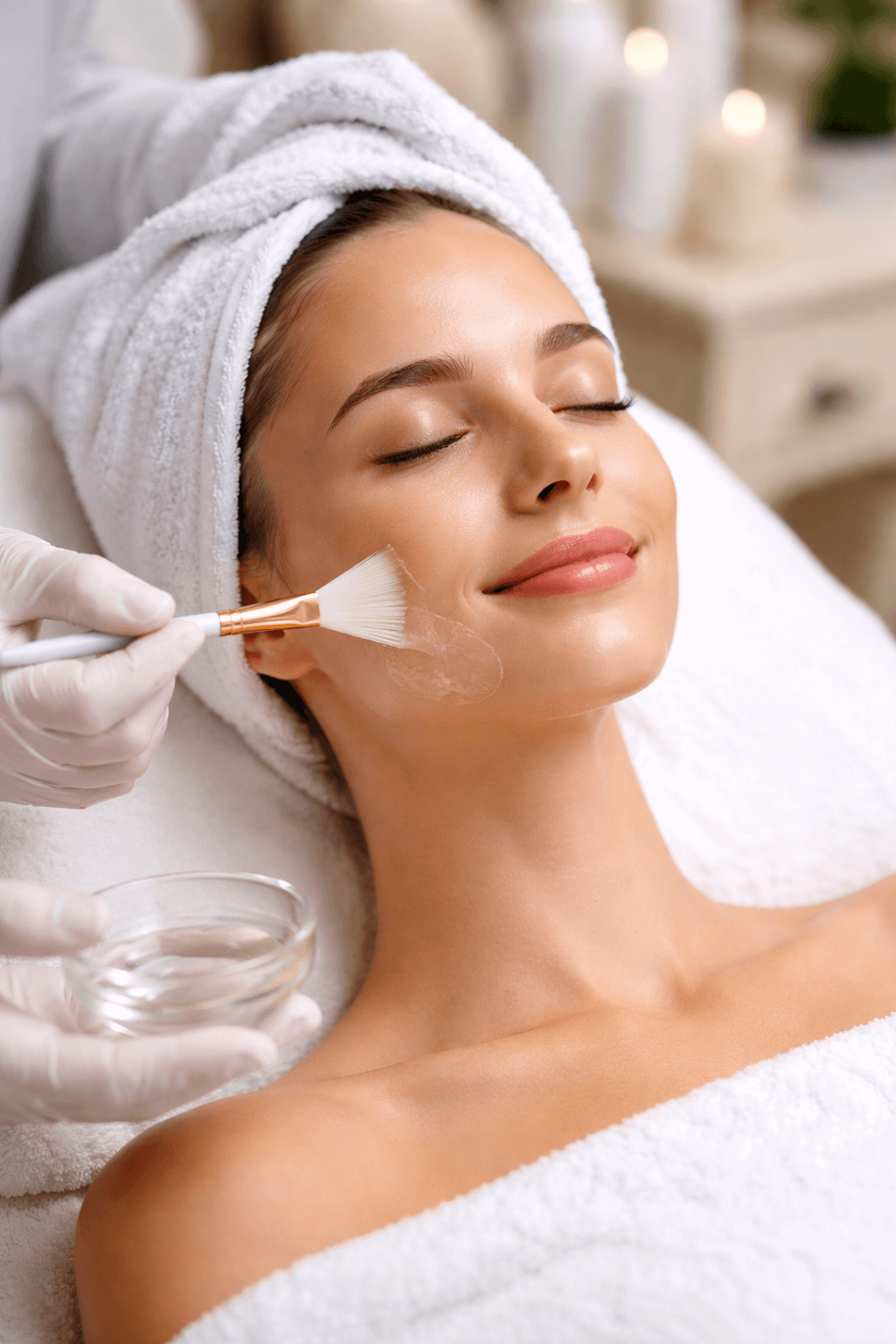
A chemical peel uses a carefully formulated acid solution to loosen the bonds between dead skin cells, allowing them to shed more efficiently. As the outer layer clears away, it signals your skin to produce fresh, healthy cells and can stimulate a modest boost in collagen production depending on the depth of the peel.
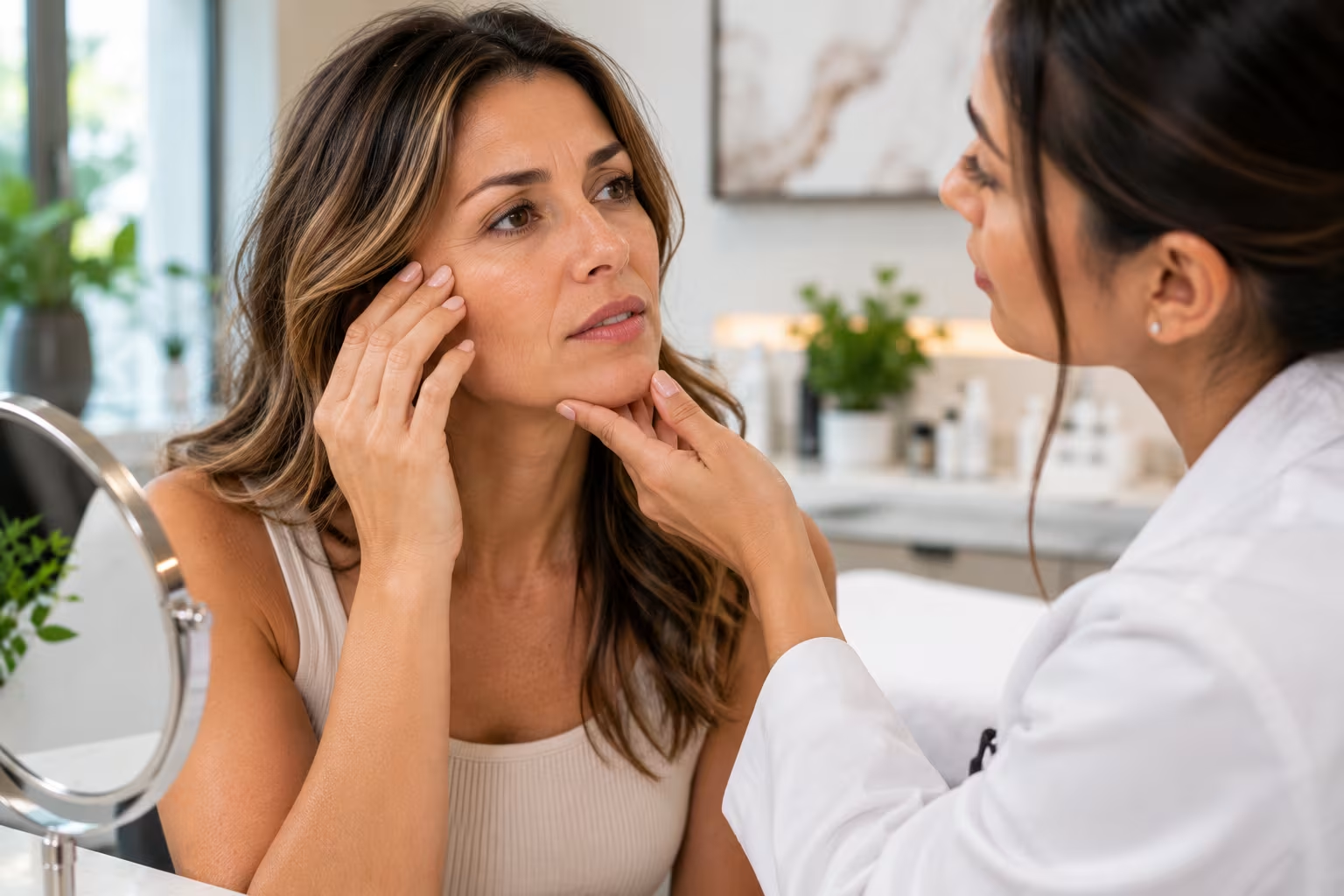
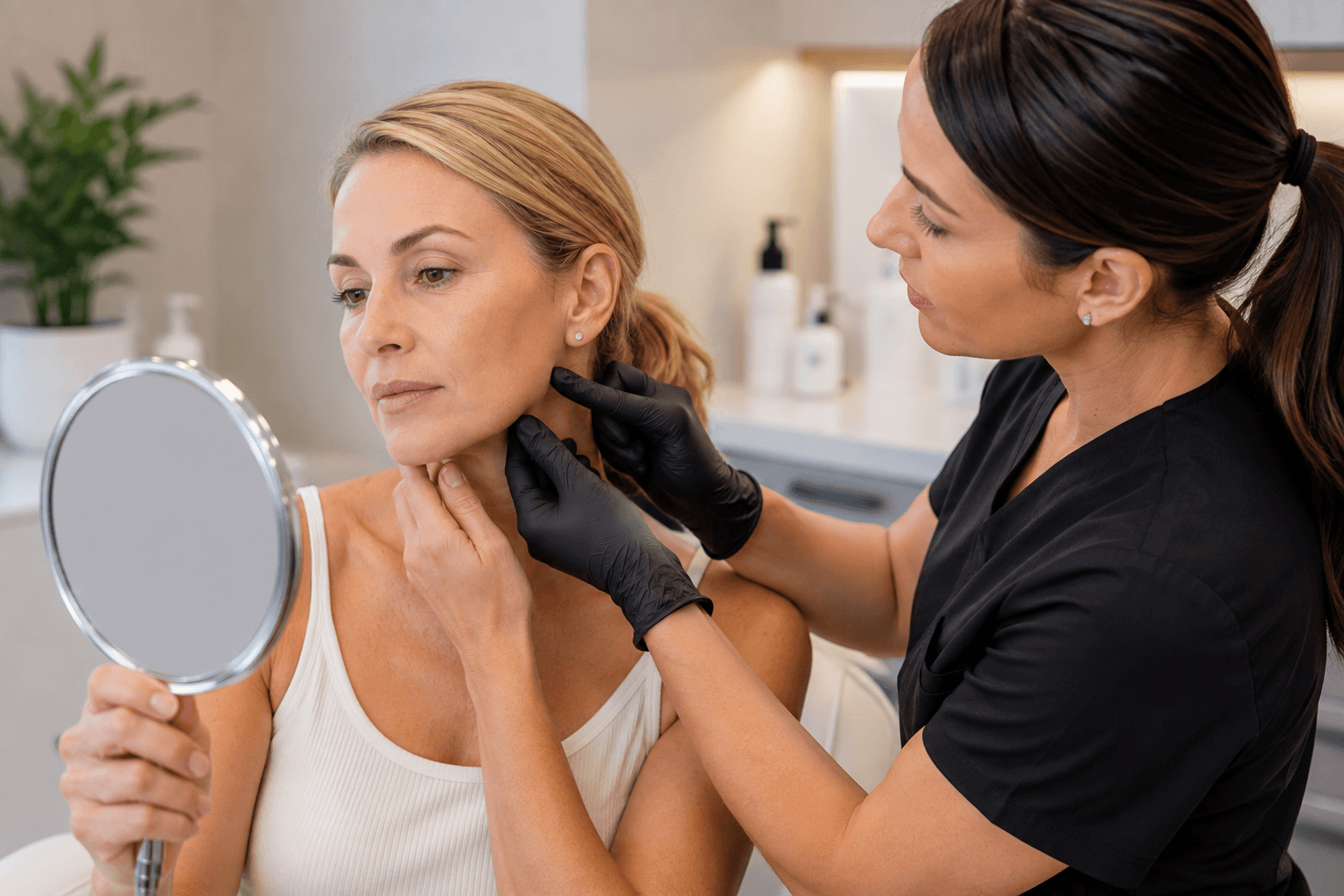
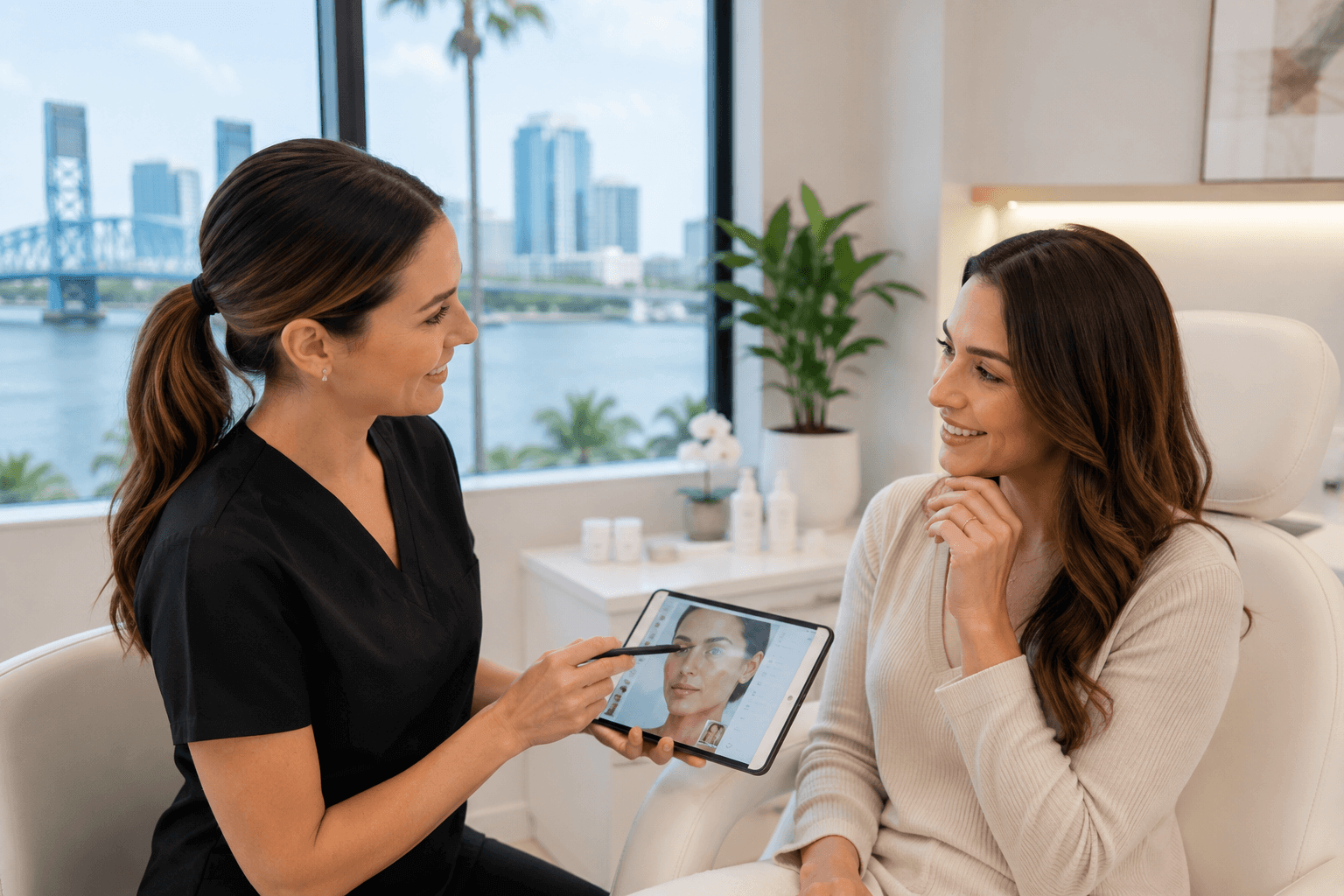
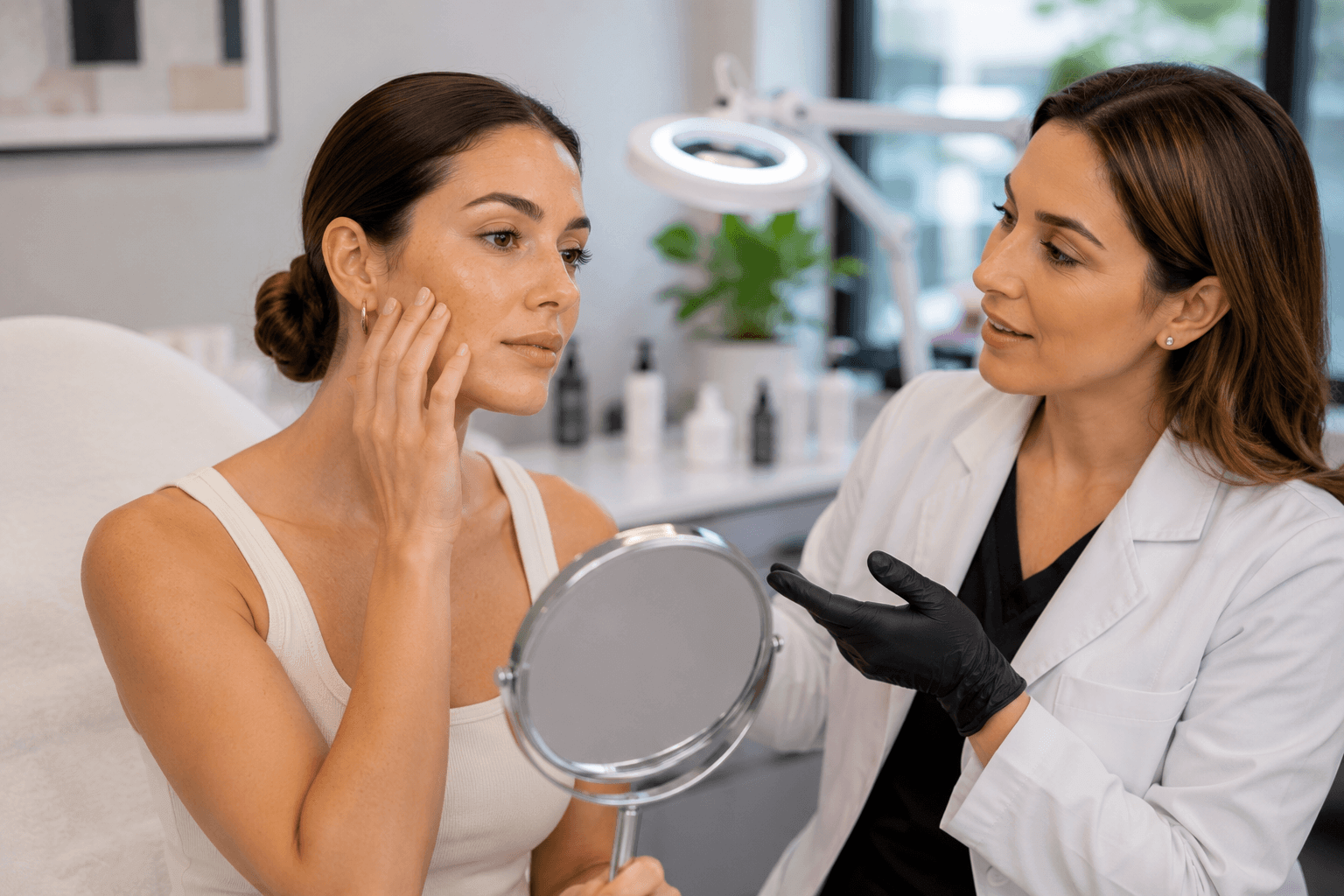
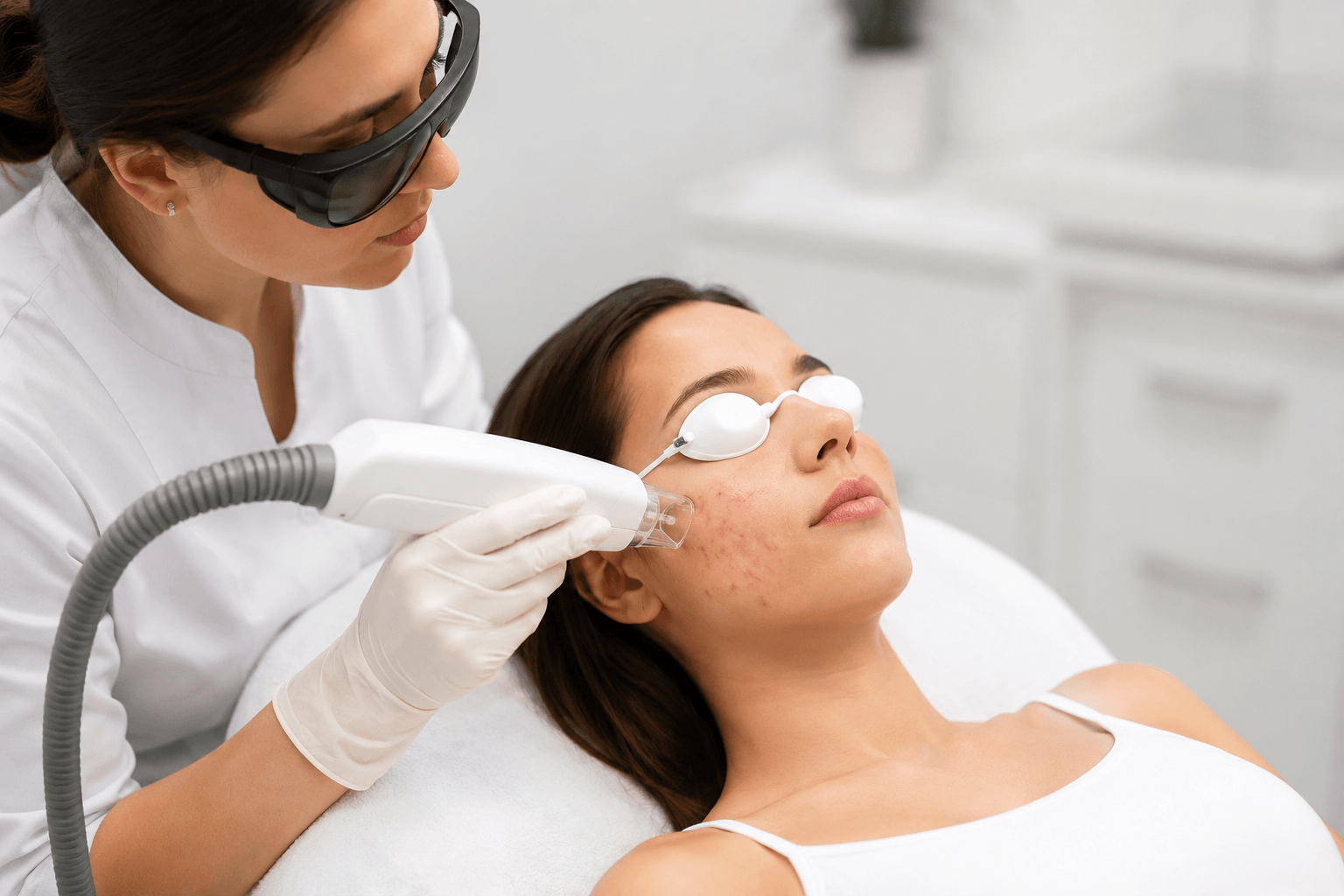
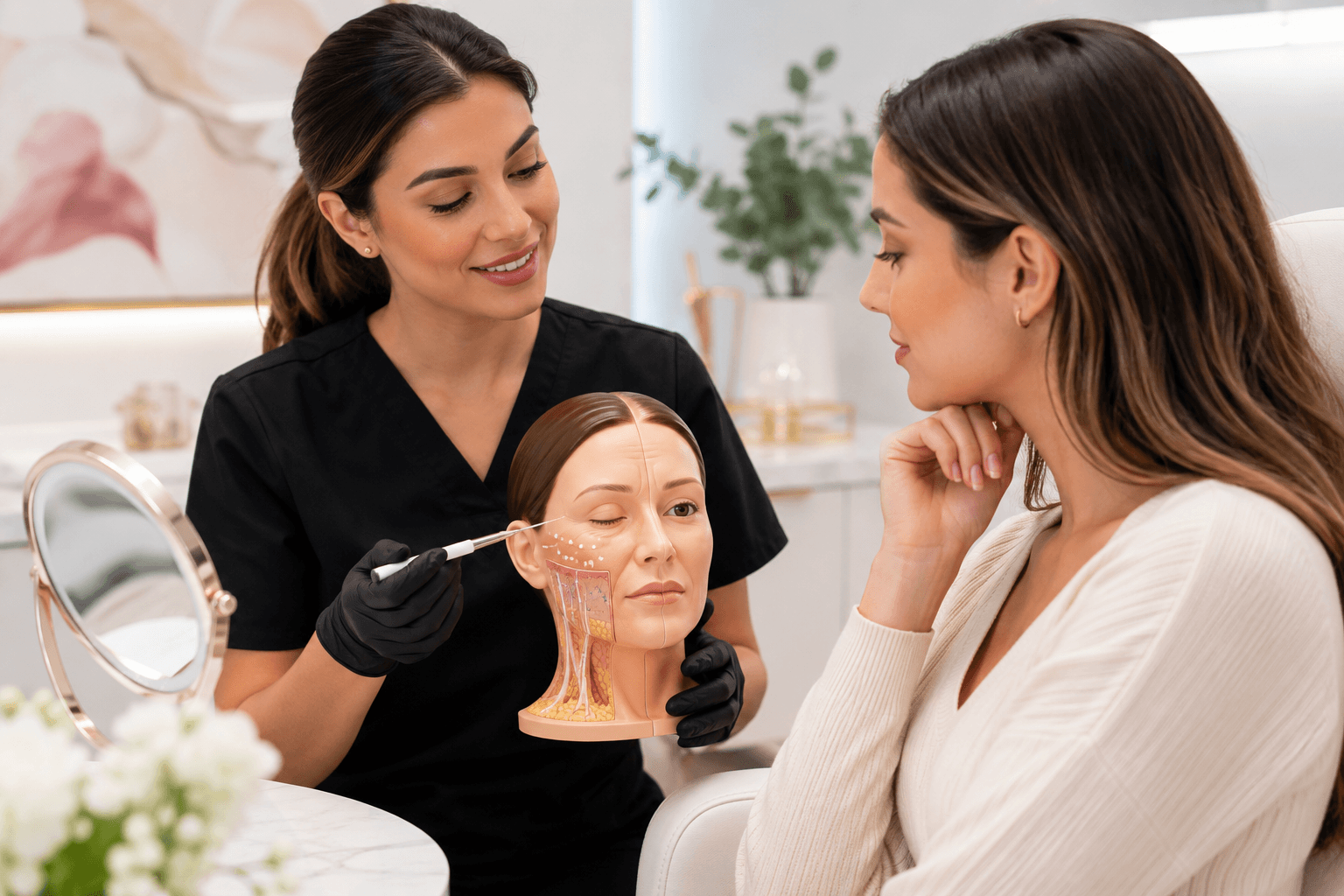
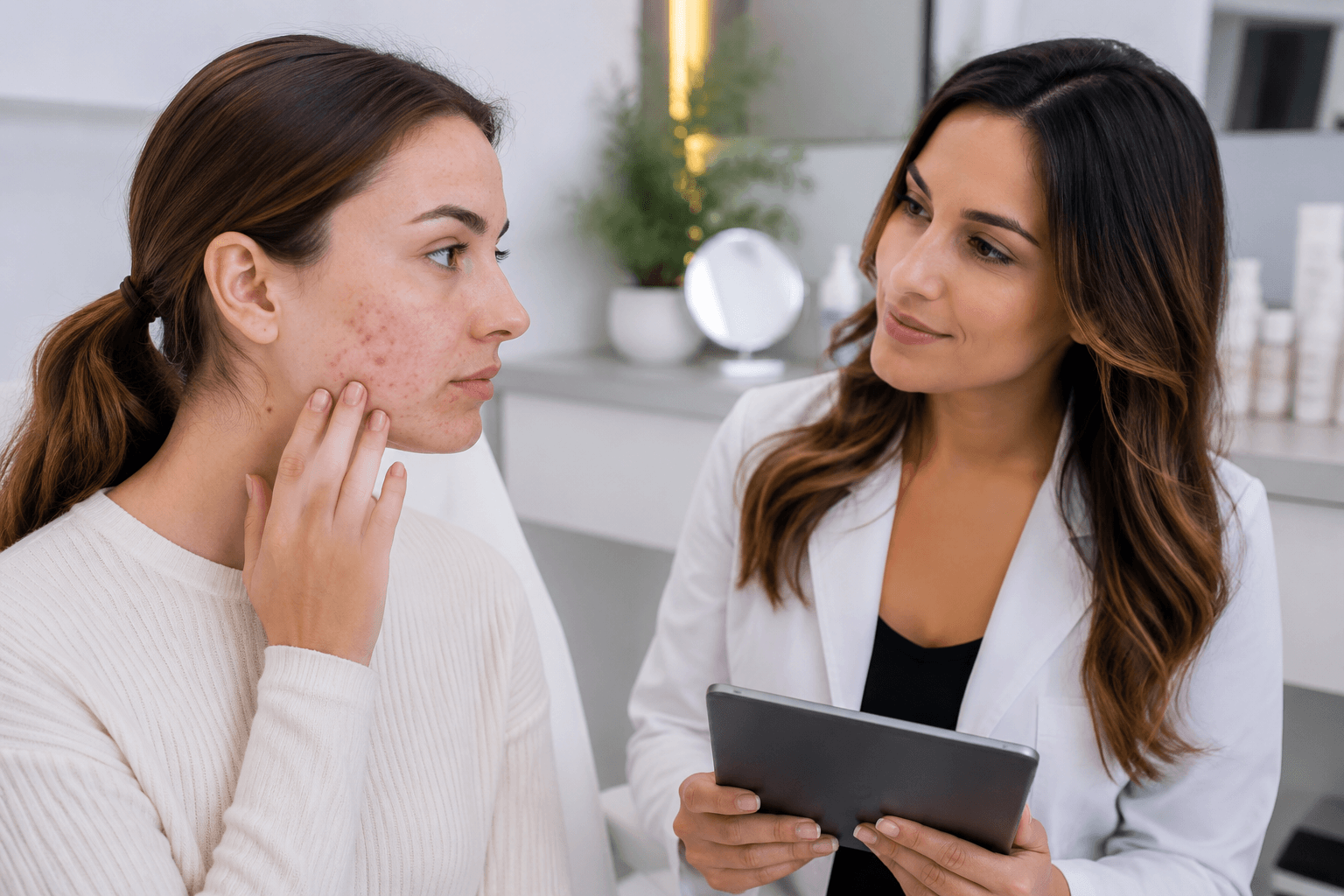
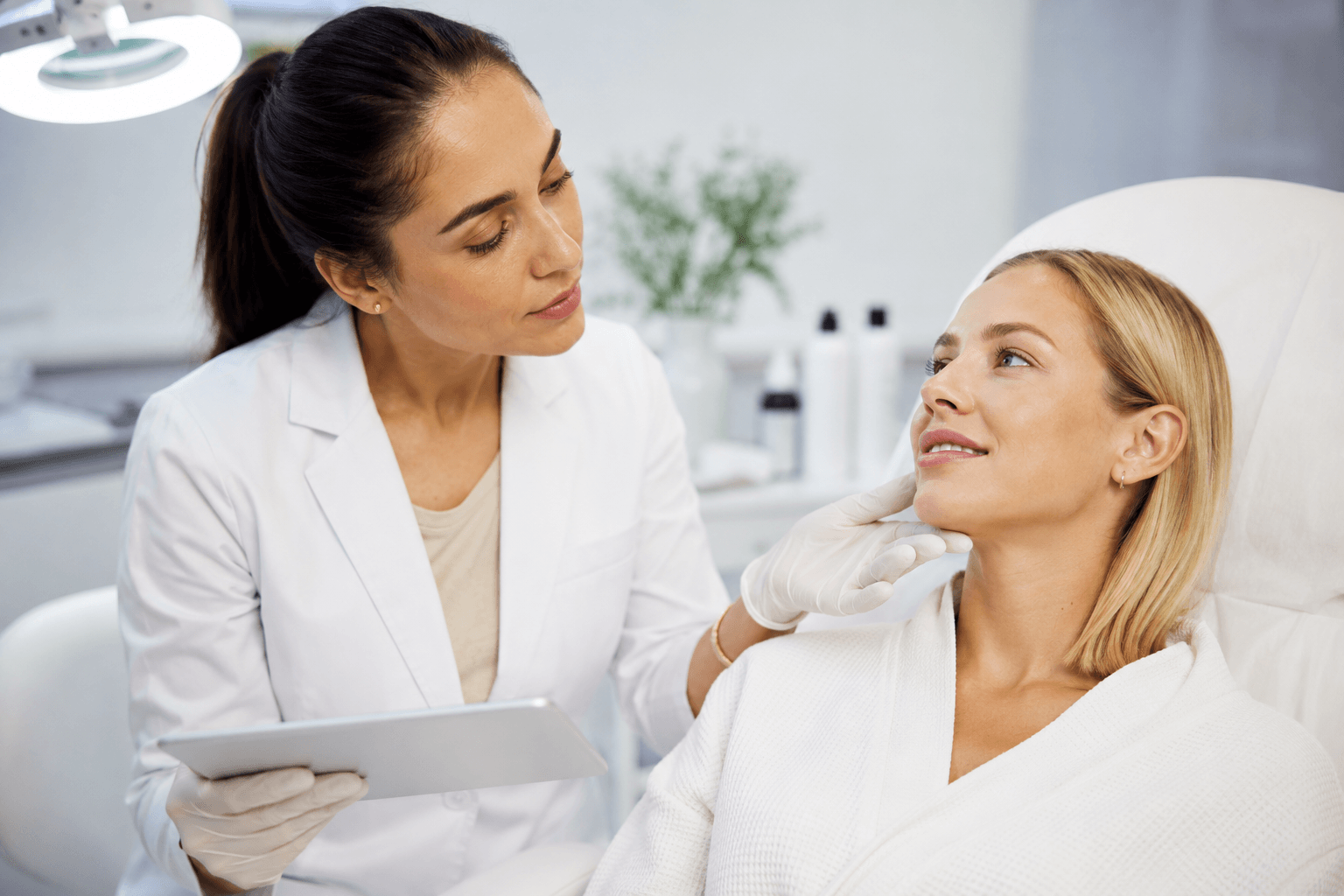
At ABA Aesthetics Medspa, every chemical peel is customized to the individual. Someone dealing with mild dullness needs a very different approach than someone managing acne scarring or deeper pigmentation, which is why we assess your skin in person before recommending a specific formulation and strength.
Most people expect a chemical peel to mean a week of hiding indoors, but that's rarely the case with the options we use. Depending on the depth of your treatment, you might see mild redness or light flaking for a few days, similar to a mild sunburn. Deeper peels involve more visible peeling over three to seven days, but downtime is generally manageable for most schedules.
Most skin types can benefit from a peel, though the right formulation matters. People managing active acne, sensitive skin, or certain skin conditions should have a consultation first to make sure the treatment is matched appropriately. This is also true if you're pregnant or nursing, since some peel ingredients aren't recommended during that time.
Living in North Texas means dealing with high heat, humidity swings, and strong UV exposure for a large part of the year. That combination accelerates oxidative stress on the skin and makes pigmentation issues more stubborn than they might be in a milder climate. It's part of why so many of our Rockwall clients find that a seasonal chemical peel, done a few times a year, keeps their skin more even and resilient than relying on skincare products alone.
A peel resets your skin, but daily habits determine how long those results last.
Broad spectrum SPF, reapplied throughout the day, is the single most effective way to prevent new pigmentation from forming and to protect the results of any professional treatment.
Using a mild exfoliating product between professional treatments helps maintain smoother texture and supports the results of your in-office peel.
A well hydrated skin barrier recovers faster and handles environmental stress better, which is especially relevant during Rockwall's dry winter months.
If dullness, rough texture, or uneven tone have been bothering you, a chemical peel in Rockwall, TX at ABA Aesthetics Medspa might be exactly what your skin has been missing. Our team will evaluate your skin in person and recommend a treatment plan built around your specific concerns, not a one size fits all approach. You can learn more about our full range of skincare and esthetician services or browse our other skin resurfacing options if you're comparing treatments. Ready to see what a customized peel could do for your skin? Contact us today to schedule your consultation.
How often should I get a chemical peel? Most people benefit from a peel every four to six weeks depending on their skin goals, though a single seasonal peel a few times a year can also make a noticeable difference in tone and texture.
Will a chemical peel help with acne scars? Many people see improvement in shallow acne scarring and post breakout discoloration after a series of peels, since the treatment encourages fresher skin to surface more quickly.
Does a chemical peel hurt? Most clients describe a warming or mild tingling sensation during the treatment rather than pain, and any discomfort typically fades within minutes of the peel being removed.
Can I wear makeup after a chemical peel? It's best to wait until any visible peeling or sensitivity has resolved, which our team will walk you through based on the specific peel you receive.
Is a chemical peel safe for sensitive skin? Yes, when the right formulation and strength are selected. This is exactly why a consultation matters before your first treatment.

.png)






























.jpg)




.jpg)
.jpg)


